Why Amsterdam Parking Costs as Much as a Friesland Home: What Renters Need to Know
Discover why a parking spot in central Amsterdam can cost as much as a freestanding home in Friesland, and what this means for renters and buyers in the Netherlands.
Guide last updated on: July 28, 20264 min read
Table of Contents
Table of Contents
Further Reading on Renting in the Netherlands
Newest Properties in the Netherlands
Explore the latest properties added to Luntero. Find new apartments, houses, and studios across the Netherlands — updated daily to help you discover your next home faster.
Why Luntero
One Workspace for Your Dutch Rental Search
Luntero combines apartments, rooms, studios and houses from rental websites with homes published directly on Luntero. Filter by your needs, compare your options and confirm availability, price and conditions with the advertiser.
Listings From Many Dutch Sources
Browse listings from Funda, Pararius, Kamernet and other supported websites alongside rentals published directly on Luntero. Coverage is broad, but does not include every home on the market.
Intuitive User-Friendly Interface
Navigate our clean and straightforward design effortlessly on both desktop and mobile devices for a seamless apartment, house, or room hunting experience in the Netherlands.
Multilingual Support for Expats & Locals
Browse rental listings in English, Dutch, Spanish, French, German, and more. Luntero ensures you can find your next home in the Netherlands in the language you're most comfortable with.
Regular Listing Refreshes
Luntero refreshes collected listings regularly and search alerts email new matches after a successful check. A source can change between refreshes, so verify decisive details there.
Understand Dutch rental terms before you sign the lease.
Renting in the Netherlands comes with unique rules, legal phrases, and housing abbreviations that can be tricky. The Luntero Rental Glossary is your guide to every rental term — from tenancy agreements, deposits, and agency fees to utility charges, rent control, and tenant rights. Whether you’re new to renting, moving as an expat, or just want to avoid hidden costs, our glossary helps you rent smarter, negotiate better, and protect yourself from mistakes.
Why Amsterdam Parking Costs as Much as a Friesland Home: What Renters Need to Know
Imagine paying €89,000 for a single parking space—and that’s exactly what one buyer is being asked to shell out for an indoor spot in central Amsterdam. Remarkably, the same sum can buy a freestanding home in Burum, a village in Friesland. This striking comparison illustrates just how extreme urban demand and municipal policies have skewed the value of parking in the Dutch capital. In this article, we explore the factors behind these soaring parking fees, the contrast with regional housing markets, and practical advice for renters and buyers navigating the Netherlands today.
The Skyrocketing Cost of Parking in Amsterdam
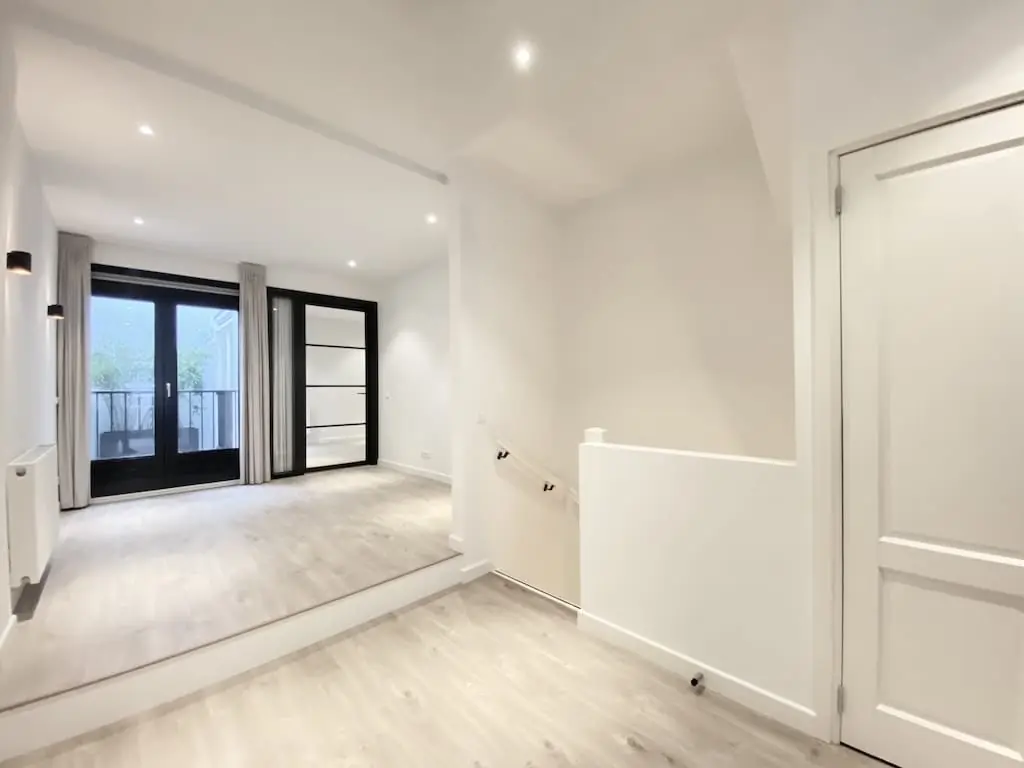
In November 2023, real-estate platform Funda listed an indoor parking space at Reguliersdwarsstraat 46D in Amsterdam’s city centre for €89,000. On top of the purchase price, there’s a monthly service charge of €150. Dimensions are tight: the space measures 205 cm wide, 500 cm long, and 180 cm high, accommodating only vehicles under 2,000 kg.
Several factors contribute to this extraordinary price tag:
Land scarcity: Amsterdam’s historic canal belt and narrow streets leave little room for new garages. Demand for parking outstrips supply by a wide margin.
Residential permit zones: The municipality issues limited parking permits for residents in central neighborhoods. Without a permit, finding a spot on the street is nearly impossible.
Tourism and short-stay demand: Hotels and Airbnb rentals in the area also compete for parking, driving up the value of private spots.
Asset appreciation: Some investors buy parking spaces as low-risk assets, expecting steady or rising returns from monthly service fees and resale.
According to CBS data, Amsterdam’s average property price grew by over 10% year-on-year through mid-2023. Parking spaces, though smaller, have followed a similar upward trajectory thanks to their strategic locations.
A Rural Contrast: Freestanding Homes in Friesland
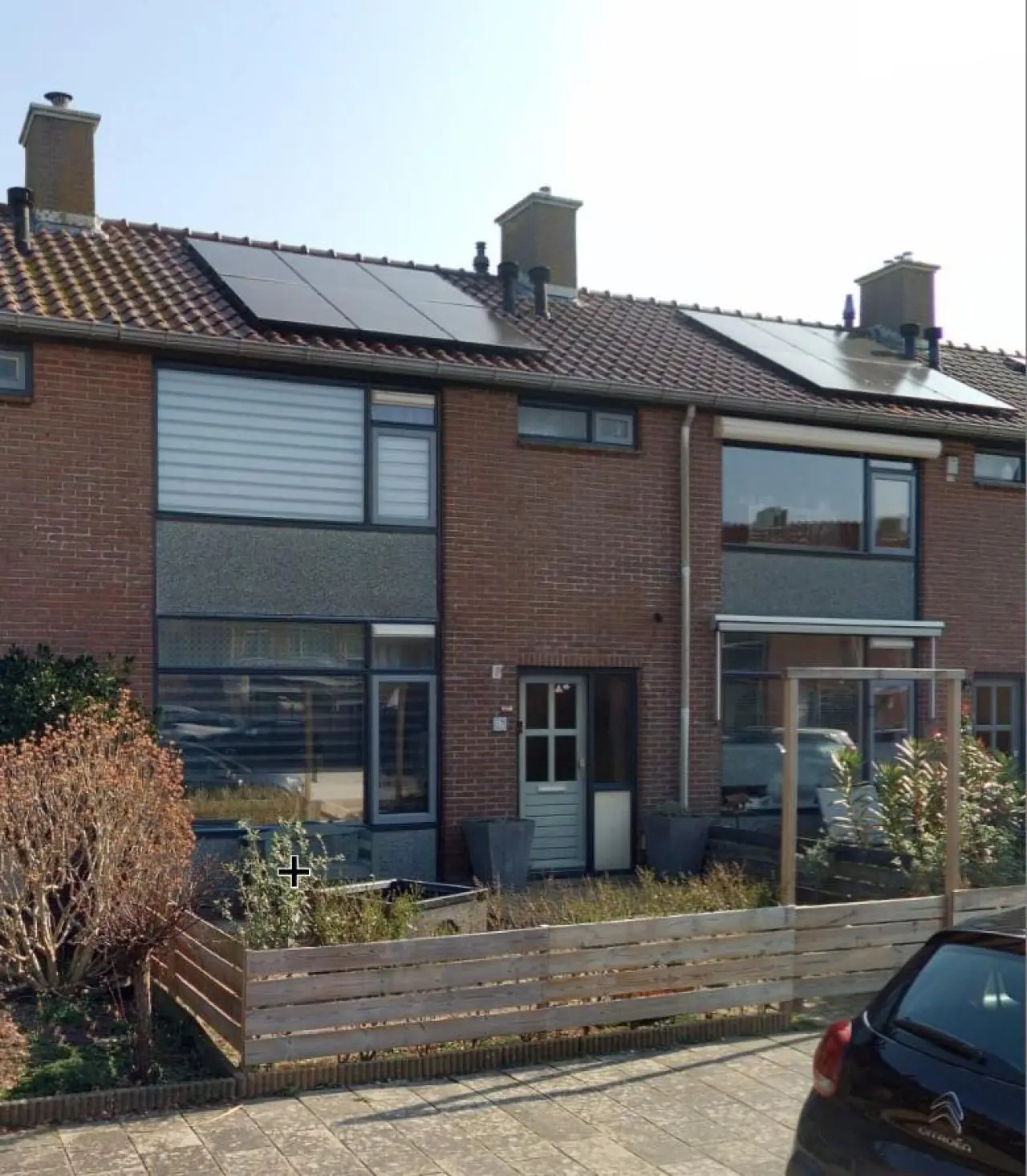
Meanwhile, just over 200 km to the north, on Herestraat 15 in Burum, Friesland, you can purchase a freestanding house for the same €89,000. This 102 m² home boasts:
A 16 m² private garden
Three bedrooms and a spacious living room
Street parking available at no extra charge
The stark difference between urban and rural property markets in the Netherlands comes down to supply, demand and living preferences. Friesian towns like Burum offer more land, fewer zoning restrictions, and a slower pace of life, all of which keep house prices comparatively low. Free on-street parking is the norm, reflecting ample road space and minimal congestion.
What This Means for Renters and Buyers
For anyone seeking rental or ownership options in the Netherlands, the Amsterdam–Friesland price gap highlights important considerations:
Budget allocation: Urban living often demands higher fixed costs—rent, utilities, and parking—so factor in a dedicated parking budget if you drive.
Location trade-off: Suburban or regional homes offer more space and lower costs but at the expense of longer commutes and less cultural buzz.
Alternative transport: Investing in public transit season tickets or an e-bike can dramatically reduce reliance on a car in cities like Amsterdam, where dedicated cycling infrastructure is world-class.
Shared parking options: Some appartementen (apartments) offer shared parking pools or on-site garages included in rent, which can be more cost-effective than outright purchase.
Practical Tips for Reducing Parking and Housing Costs
Here are actionable strategies to strike the right balance between convenience and affordability:
• Check municipal permit schemes: Each gemeente (municipality) has unique rules for parking permits. Some suburbs offer cheaper permits or more lenient quotas.
• Look for woon-werkreizen arrangements: Employers sometimes subsidize transit or parking for staff, especially in congested city centres.
• Consider co-living or flatshares: Splitting rent and utilities—potentially including parking—can ease budget pressures.
• Investigate woningcorporatie rentals: Housing associations often manage lower-cost rental stock outside prime inner-city zones.
• Explore Park & Ride facilities: Combine cheaper parking on the outskirts with reliable public transport into the city centre.
Balancing Urban Convenience with Financial Sense
The €89,000 parking spot in Amsterdam versus the €89,000 Friesland home may seem extreme, but it underscores larger trends in the Dutch housing landscape. As major cities become denser and more expensive, peripheral towns and villages offer relief for those willing to trade immediacy for affordability.
Whether you’re a tenant weighing monthly parking fees or a first-time buyer crunching numbers on mortgages, it pays to understand the full cost of urban living. Evaluate transport alternatives, factor in service charges, and research regional markets before making a decision.
Looking for rental listings in the Netherlands? Discover the easiest way to find your next home—or a parking-inclusive apartment—on Luntero.
Understand Dutch rental terms before you sign the lease.
Renting in the Netherlands comes with unique rules, legal phrases, and housing abbreviations that can be tricky. The Luntero Rental Glossary is your guide to every rental term — from tenancy agreements, deposits, and agency fees to utility charges, rent control, and tenant rights. Whether you’re new to renting, moving as an expat, or just want to avoid hidden costs, our glossary helps you rent smarter, negotiate better, and protect yourself from mistakes.