
Compare platforms
Read structured comparisons of the platforms renters weigh against each other most often.
See comparisonsExplore a full breakdown of Kamernet, Groninger Huis and see how each rental platform performs across key features, pricing, and usability. Our detailed comparison highlights the strengths and trade-offs so you can easily spot what really matters for your search. Whether you’re after transparency, convenience, or better deals, this side-by-side view helps you choose the platform that fits your renting needs best.
Discover how Kamernet, Groninger Huis compare within the Dutch rental market, including features, pricing, and ease of use. This overview gives you the essential insights to decide which platform offers the best fit for your housing search in the Netherlands.
This guide compares Kamernet and Groninger Huis, two very different Dutch rental platforms. One is a long-standing national player focused on rooms, studios and apartments across major student and expat cities; the other is a regional social-housing portal for Groningen province. For anyone trying to find housing in Amsterdam, Groningen or other Dutch cities — whether you’re a student, expat or family — understanding the strengths, paywalls, data quality and toolsets of each platform is essential to speed up your search and avoid false leads.
Kamernet operates as a nationwide aggregator and marketplace with strong reach in Amsterdam, Rotterdam, Utrecht, The Hague, Eindhoven and other student hubs. Its inventory targets rooms, studios and apartments and the platform reports over 7,000 new listings added per month. That volume makes Kamernet a go-to when you search for Amsterdam apartments, Rotterdam rentals or student housing Netherlands-wide.
Groninger Huis is a first-party portal maintained by a regional social housing corporation. Coverage is intentionally narrow and local: Appingedam, Hoogezand, Zuidbroek, Meeden and nearby towns in the Groningen province. Listings skew toward long-term apartments and houses, with allocation governed by social-housing rules. If your search is specifically for Groningen-area long-term housing, Groninger Huis is primary-source and often the only reliable place to find those homes.
Why coverage matters: aggregators like Kamernet widen exposure and options across cities, which helps expats or students who don’t yet know where they’ll settle. Regional portals like Groninger Huis are indispensable for local, social-housing opportunities that don’t appear on national marketplaces.
Kamernet: browsing is free, but contacting landlords is contact-gated — you must subscribe to message and apply. Kamernet’s pricing model is subscription-based and intended to reduce spam and ensure serious applicants. This model is common among platforms that offer high turnover rooms and student housing where speed matters.
Groninger Huis: listings are publicly visible, but responding or applying requires a paid registration (reported fees: €15 sign-up and €10 yearly renewal). The paywall supports allocation administration and maintains waiting lists common to social housing.
How this affects users: if you prefer to browse widely without commitment, Kamernet allows free discovery but expect to pay when you find a lead. For applicants targeting social housing in Groningen, the modest registration fee for Groninger Huis is essentially mandatory if you want to react and be considered for placements.
Kamernet’s feature set reflects its marketplace role: daily-screened listings, customizable alerts, robust filters for property type (rooms, studios, apartments), and messaging tools once subscribed. It supports English and Dutch interfaces and targets students, young professionals and expats. The platform publishes rent trend reports that can help in market research and negotiation.
Groninger Huis focuses on administration and fair allocation. Features include daily published listings (visible for a week), email alerts twice weekly, and account-driven application workflows aligned with social-housing eligibility. The portal language is Dutch and the UX emphasizes transparency about deadlines and allocation rules.
Practical feature comparison:
Kamernet: listings are manually screened daily and the platform claims verified listings, which helps reduce scams and stale ads. As an aggregator and marketplace, Kamernet benefits from volume and active moderation.
Groninger Huis: as a housing corporation, listings are first-party and inherently verified by the landlord, with application rules and published reaction counts. Data quality is typically consistent, and allocation information is transparent but strictly regulated by social-housing policies.
Why verification matters: fraud and duplicate listings are persistent in rental markets. Platforms that combine manual checks (Kamernet) or first-party publishing (Groninger Huis) materially reduce the risk of bad leads.
Audience guidance: If your priority is flexibility and city variety — e.g., find housing in Amsterdam or compare Pararius alternatives — start with a national marketplace like Kamernet. If you need a social housing unit in a specific Groningen town, register with Groninger Huis and maintain your account to track allocations.
Kamernet Pros:
Kamernet Cons:
Groninger Huis Pros:
Groninger Huis Cons:
Choose Kamernet if:
Choose Groninger Huis if:
Combined strategy: Use both platforms where relevant. Start broad on Kamernet to map market pricing and availability; if you qualify for regional social housing, maintain a Groninger Huis account concurrently so you don’t miss area-specific opportunities.
Kamernet and Groninger Huis serve distinct, complementary roles in the Dutch rental ecosystem. Kamernet functions as a high-volume national marketplace that helps expats and students find apartments for rent across major cities, while Groninger Huis is the authoritative regional portal for Groningen social housing. Understanding these differences — coverage, paywall behavior, language support and verification — will help you pick the right starting point and avoid wasted time. Whether you are trying to find housing in Amsterdam or secure a long-term home in Meeden, aligning platform choice with your housing goals will save weeks of search time and reduce frustration.
Table of Contents
Access rules decide as much as inventory. Filter the directory by provider type and housing segment, read a side-by-side comparison, or start from the city you want to live in.
Read structured comparisons of the platforms renters weigh against each other most often.
See comparisonsFilter every profiled platform by provider type, housing segment, city and access model.
Search platformsSee which providers actually cover Amsterdam, Rotterdam, Utrecht and the rest of the country.
Browse citiesA detailed comparison table showing how Kamernet, Groninger Huis stack up across key features, pricing models, and usability factors to help you choose the best rental platform in the Netherlands.
Explore additional side-by-side comparisons of popular rental platforms in the Netherlands to discover the best choices for your apartment or housing search. Each comparison dives into features, pricing, and user experience, giving you the insights you need to make a confident decision in the Dutch rental market.
Explore the latest properties added to Luntero. Find new apartments, houses, and studios across the Netherlands — updated daily to help you discover your next home faster.
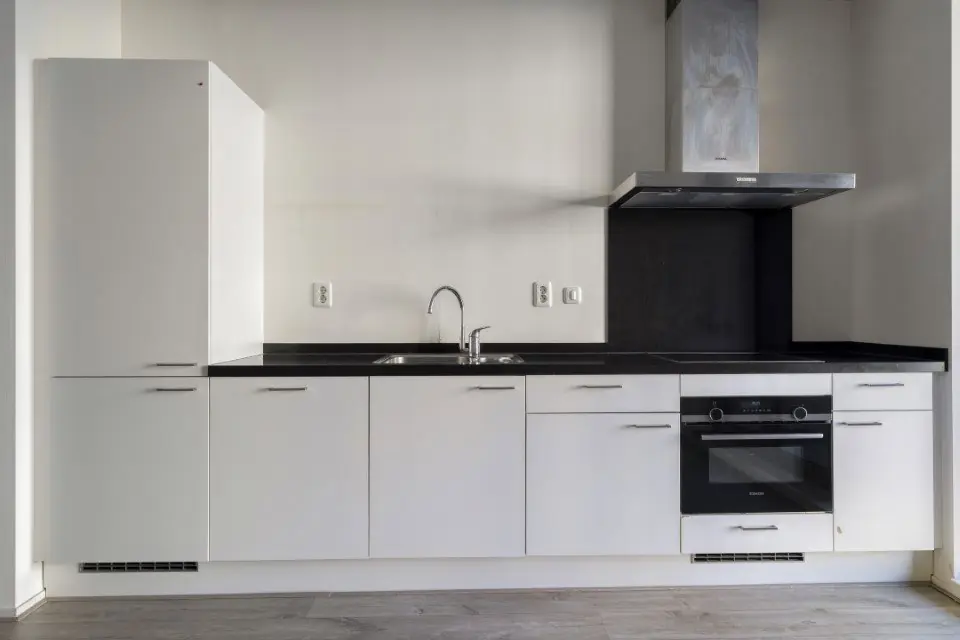
€1,680.00 / month
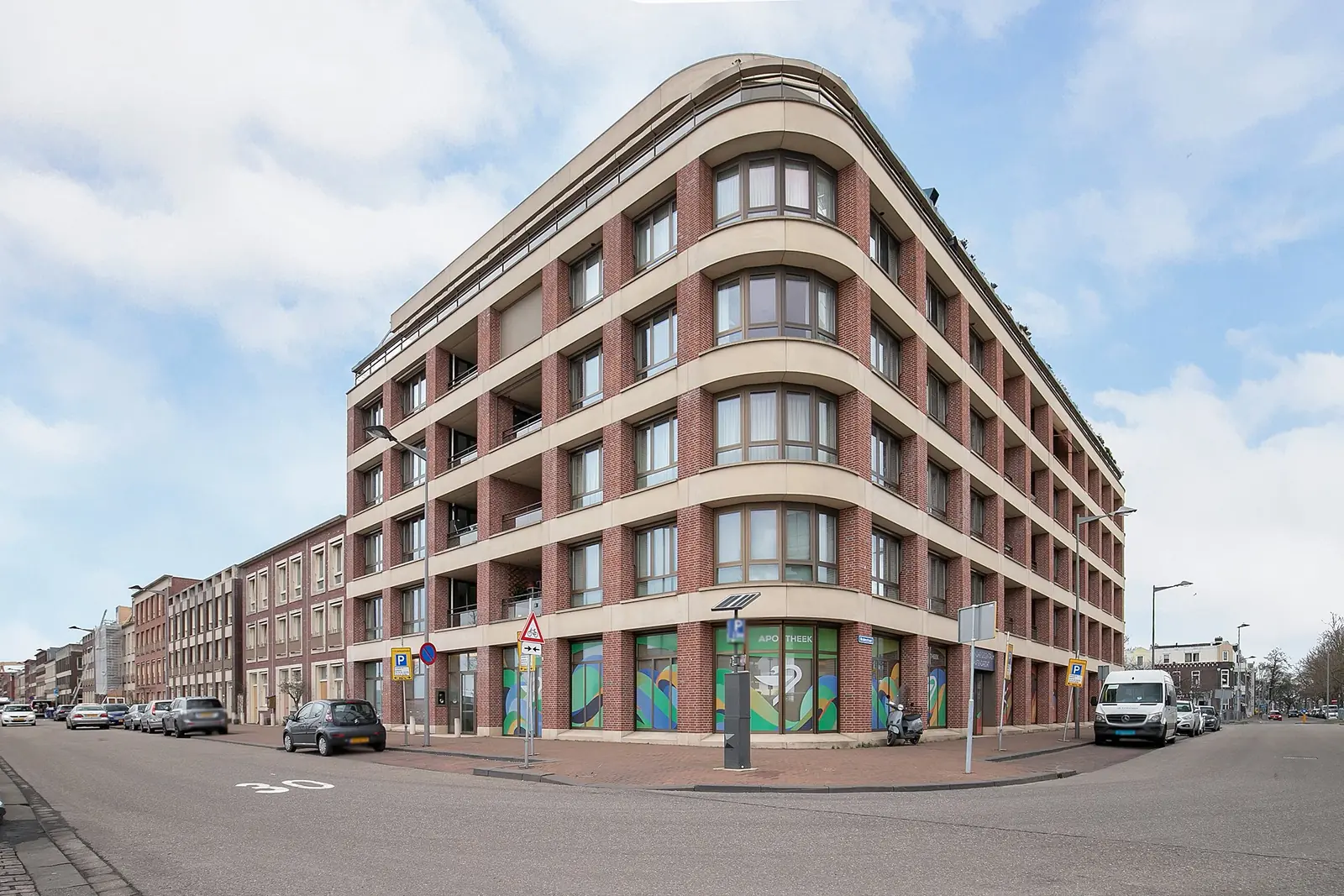
€1,650.00 / month
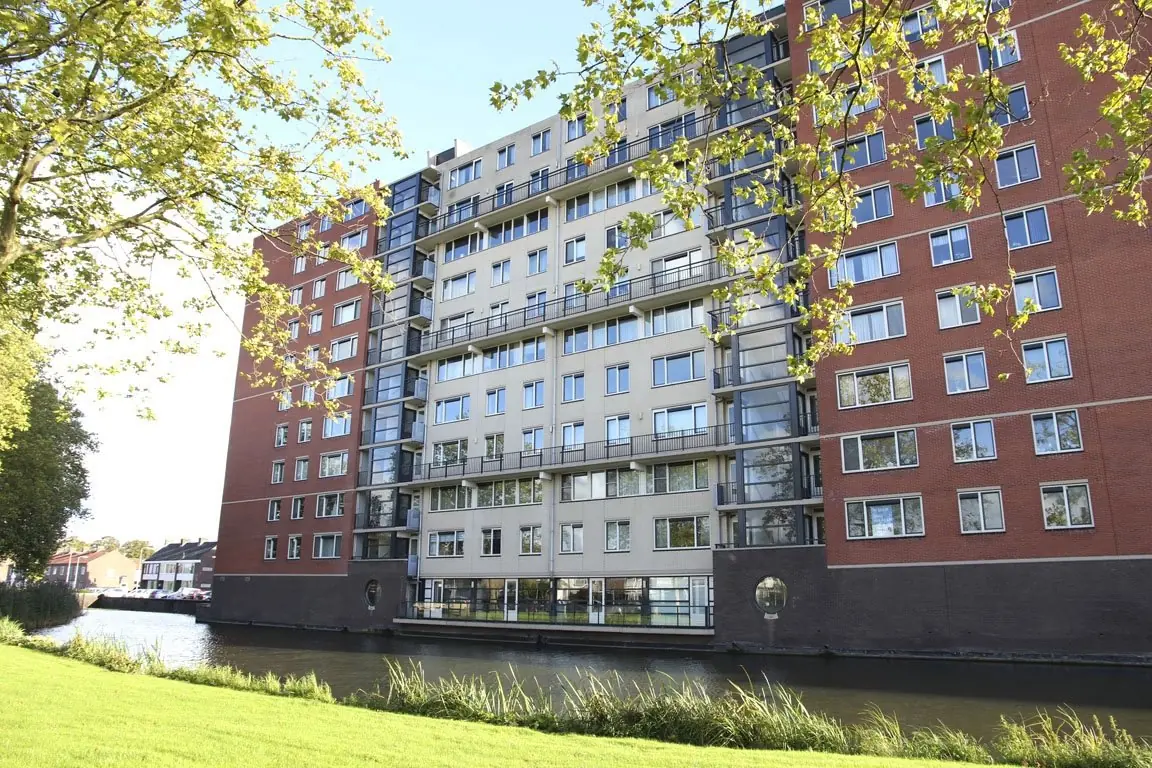
€1,620.00 / month
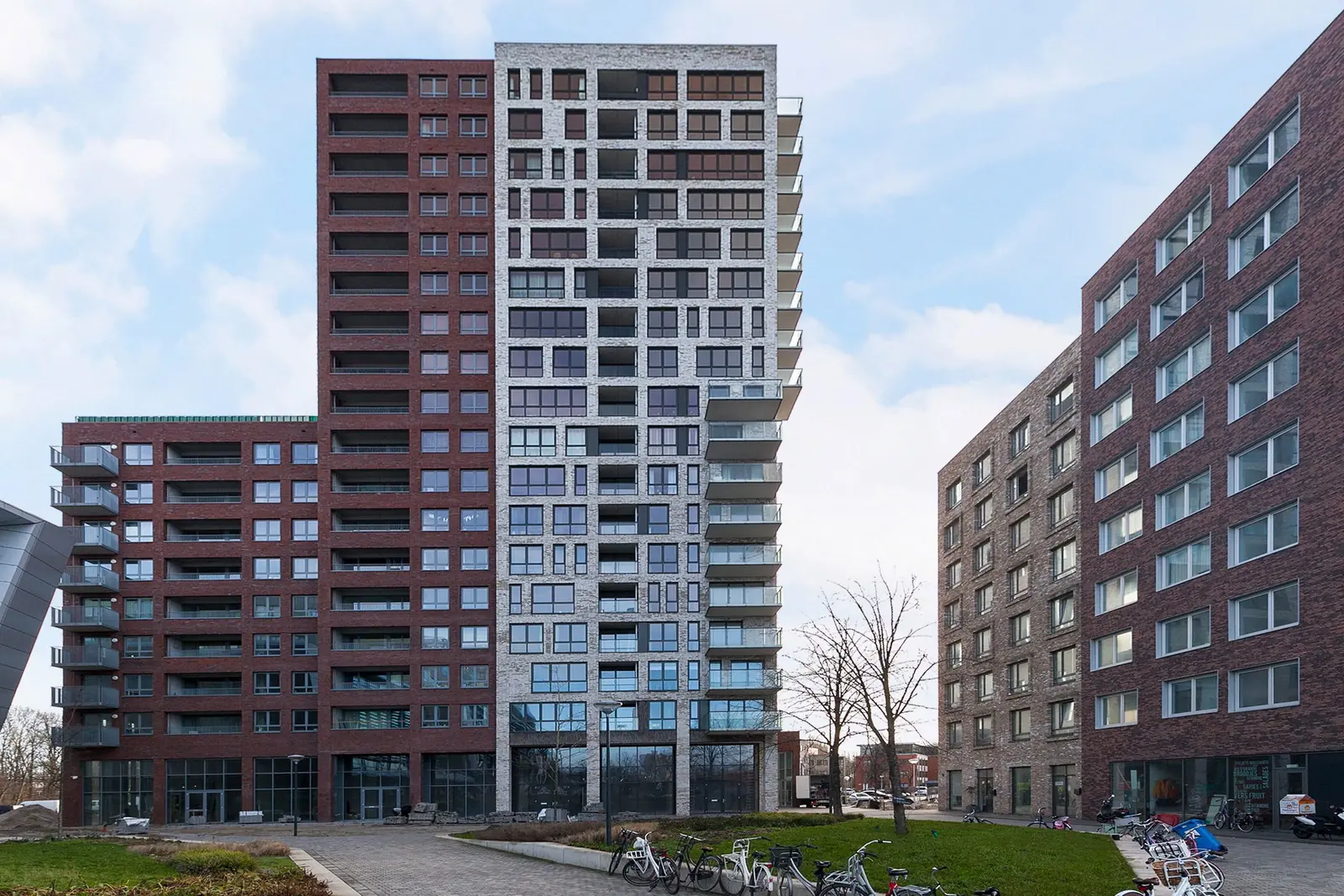
€1,730.00 / month
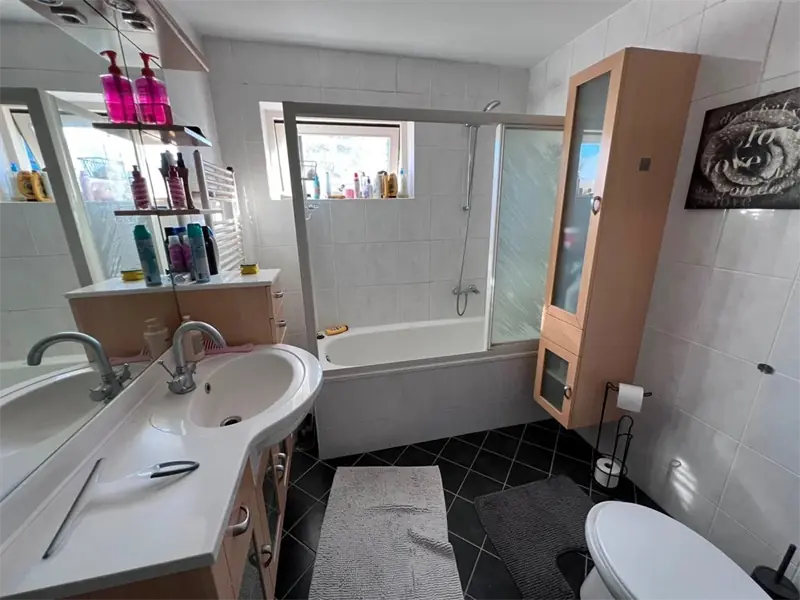
€690.00 / month
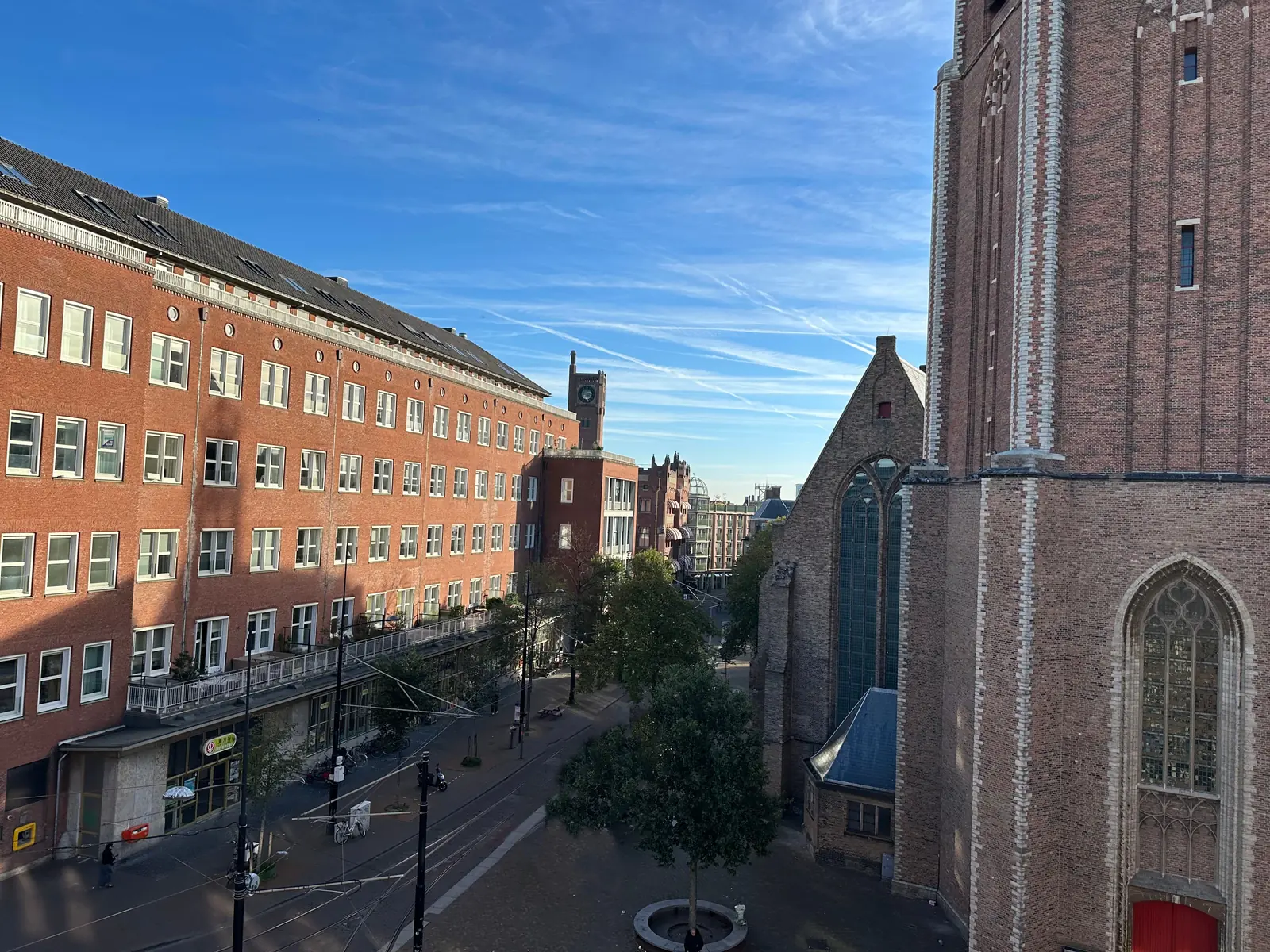
€763.00 / month

€1,300.00 / month

€2,995.00 / month

€2,750.00 / month
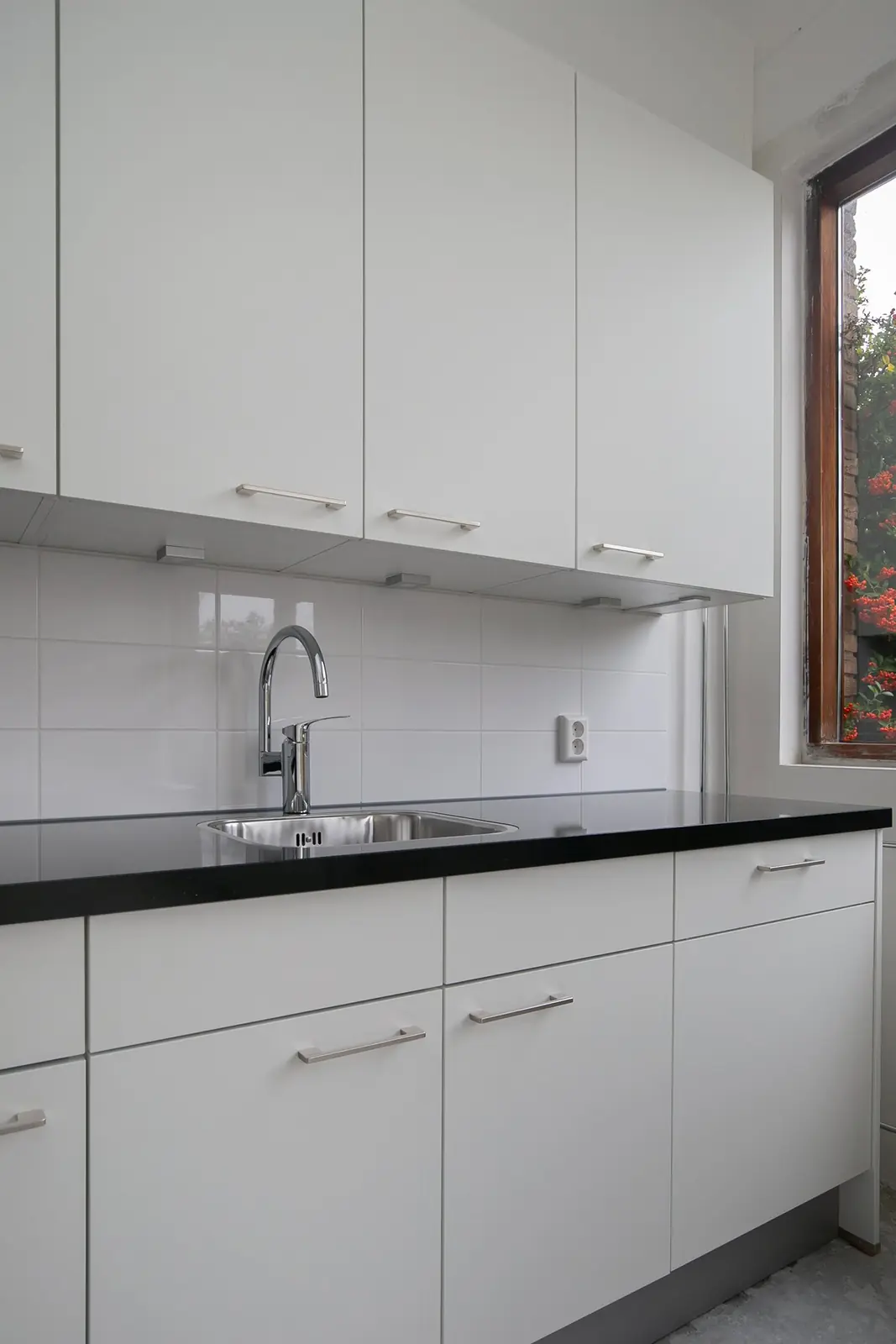
€1,580.00 / month
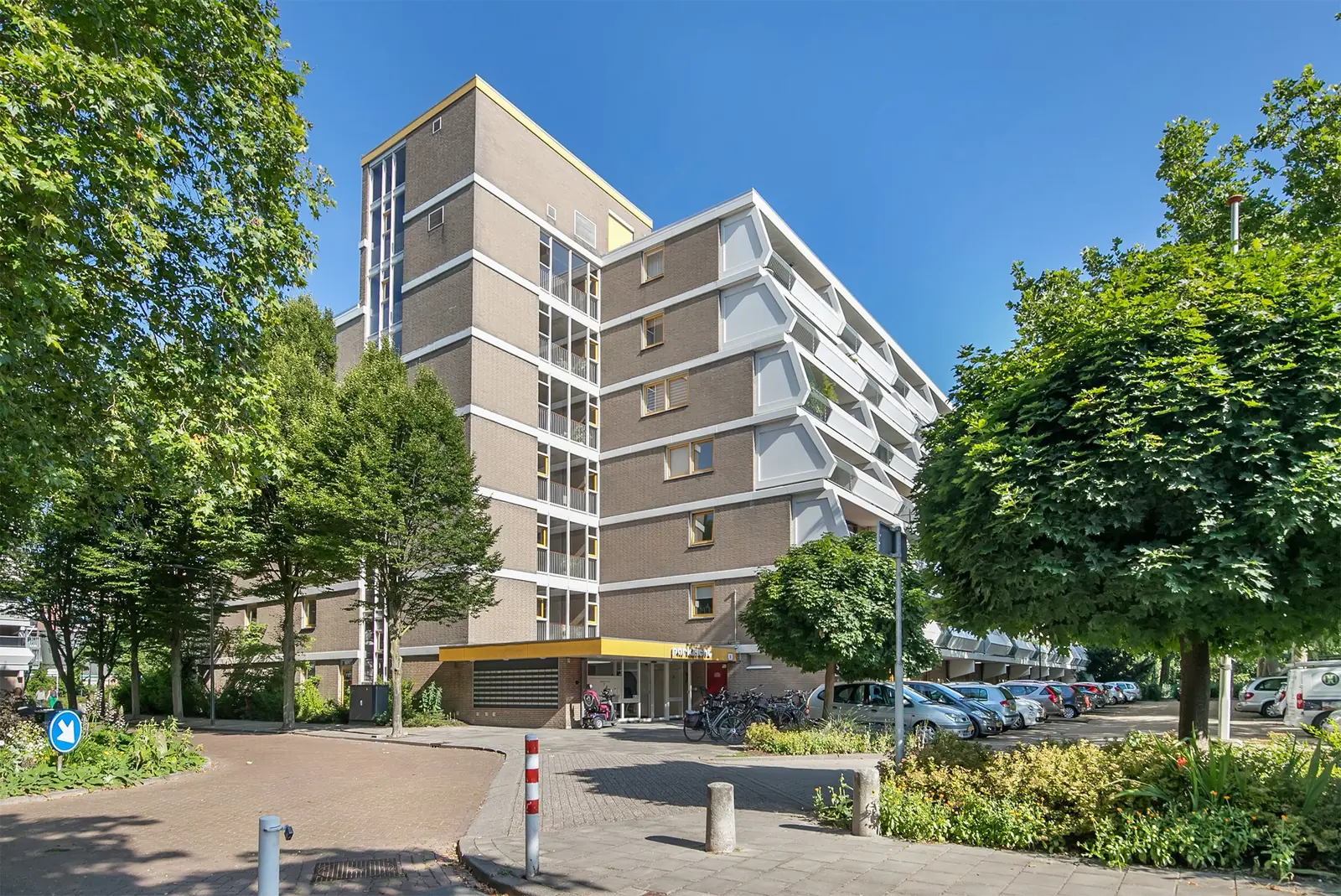
€995.00 / month
€1,535.00 / month