
Compare platforms
Read structured comparisons of the platforms renters weigh against each other most often.
See comparisonsExplore a full breakdown of Kamernet, Schep Vastgoedmanagers and see how each rental platform performs across key features, pricing, and usability. Our detailed comparison highlights the strengths and trade-offs so you can easily spot what really matters for your search. Whether you’re after transparency, convenience, or better deals, this side-by-side view helps you choose the platform that fits your renting needs best.
Discover how Kamernet, Schep Vastgoedmanagers compare within the Dutch rental market, including features, pricing, and ease of use. This overview gives you the essential insights to decide which platform offers the best fit for your housing search in the Netherlands.
Searching for apartments for rent, student rooms, or family homes in the Netherlands means choosing between different platform types: large aggregators and first-party property managers. This comparison looks at Kamernet and Schep Vastgoedmanagers side-by-side to help you find housing in Amsterdam, Rotterdam, Utrecht, The Hague and beyond. We focus on positioning, coverage, pricing and paywalls, core features (filters, alerts, maps), data quality and who benefits most — whether you’re an expat, a student, a family, or a young professional.
Why this matters: renters need clear guidance on which sites surface the right inventory and which platforms will help you contact landlords or apply quickly. This article also serves as part of a practical guide to the best rental websites Netherlands-wide, covering common use cases like find housing in Amsterdam or Utrecht student rentals.
Kamernet is an established consumer-facing aggregator that focuses on rooms, studios and apartments. Founded in 2000 and now part of HousingAnywhere, Kamernet lists a high volume of inventory across major student and urban centers: Amsterdam, Rotterdam, Utrecht, Groningen, The Hague and Eindhoven among others. According to platform data, Kamernet sees around 7,000 new listings per month and emphasizes frequent updates — attractive when you want broad coverage of apartments for rent and rooms targeted at students and young professionals.
Schep Vastgoedmanagers operates differently: it is a national property manager with first-party supply. Schep’s portal advertises homes managed directly by the company, concentrating inventory across the Randstad and larger cities (The Hague, Rotterdam, Utrecht, Zoetermeer and Amsterdam). While publicly visible listings at a given snapshot may be more modest (for example recent counts around a few hundred advertised units), Schep reports a portfolio that runs into the tens of thousands under management. That means you’re dealing with verified, directly managed apartments and houses rather than an aggregator feed.
Coverage comparison — what to expect:
If your priority is sheer volume and frequent new ads to scan (especially for student housing Netherlands-wide), Kamernet is typically the starting point. If you prefer verified manager listings and the assurance of dealing directly with a national manager, Schep’s portal is a stronger fit.
Pricing models and contact rules differ heavily between these two platforms, and that affects the renter experience.
Kamernet pricing and paywall:
Schep pricing and paywall:
Which model matters for you: if you are early-stage browsing across many platforms to find housing in Amsterdam or Rotterdam, free browsing on both sites lets you compare inventory. But if you want to avoid subscription fees and prefer applying directly to a manager, Schep removes the contact paywall friction that Kamernet places before landlord contact.
Both platforms aim to make property search efficient, but they approach feature sets differently.
Kamernet features (high level):
Schep features (high level):
Feature comparison notes:
For renters seeking highly specific search refinement — e.g., find housing in Amsterdam within 30 minutes of a given workplace — Kamernet’s alert-and-filter approach usually gets you close, but it’s not the same as platforms that offer built-in isochrone mapping.
Data accuracy, duplicate listings, and verification matter because they affect how much time you spend chasing leads.
Kamernet data approach:
Schep data approach:
In practice: use Kamernet to scan widely and access many potential listings; use Schep when you want verified, manager-handled availability and a more controlled application route.
Kamernet — best for:
Schep Vastgoedmanagers — best for:
Student housing Netherlands and short-stay seekers will typically start with Kamernet. Families and tenants seeking stability and direct manager relationships will find Schep’s offering more fitting.
Kamernet Pros:
Kamernet Cons:
Schep Pros:
Schep Cons:
Choose Kamernet if:
Choose Schep if:
Tactical tip: use both. Start broad on Kamernet to identify opportunities and set alerts; then switch to Schep (and other manager portals) for any direct-manager listings in your target neighbourhoods. This hybrid approach often produces the best results: breadth from aggregators plus certainty from first-party managers.
Kamernet and Schep serve different but complementary roles in the Dutch rental ecosystem. Kamernet functions as a high-volume aggregator and alert engine that helps students, expats and young professionals find rooms, studios and apartments across the Netherlands. Schep provides a direct manager channel with verified, first-party inventory and a frictionless application flow for long-term renters and families.
When comparing Dutch rental platforms, think about the trade-offs: volume and speed (Kamernet) versus verification and direct management (Schep). For most renters — especially expats and students looking for the best rental websites Netherlands offers — starting with an aggregator and then applying directly through manager portals yields the most efficient path to securing a home. Whether you need to find housing in Amsterdam quickly or are planning a long-term move to Utrecht or The Hague, understanding these differences will save time and reduce application headaches.
Table of Contents
Access rules decide as much as inventory. Filter the directory by provider type and housing segment, read a side-by-side comparison, or start from the city you want to live in.
Read structured comparisons of the platforms renters weigh against each other most often.
See comparisonsFilter every profiled platform by provider type, housing segment, city and access model.
Search platformsSee which providers actually cover Amsterdam, Rotterdam, Utrecht and the rest of the country.
Browse citiesA detailed comparison table showing how Kamernet, Schep Vastgoedmanagers stack up across key features, pricing models, and usability factors to help you choose the best rental platform in the Netherlands.
Explore additional side-by-side comparisons of popular rental platforms in the Netherlands to discover the best choices for your apartment or housing search. Each comparison dives into features, pricing, and user experience, giving you the insights you need to make a confident decision in the Dutch rental market.
Explore the latest properties added to Luntero. Find new apartments, houses, and studios across the Netherlands — updated daily to help you discover your next home faster.
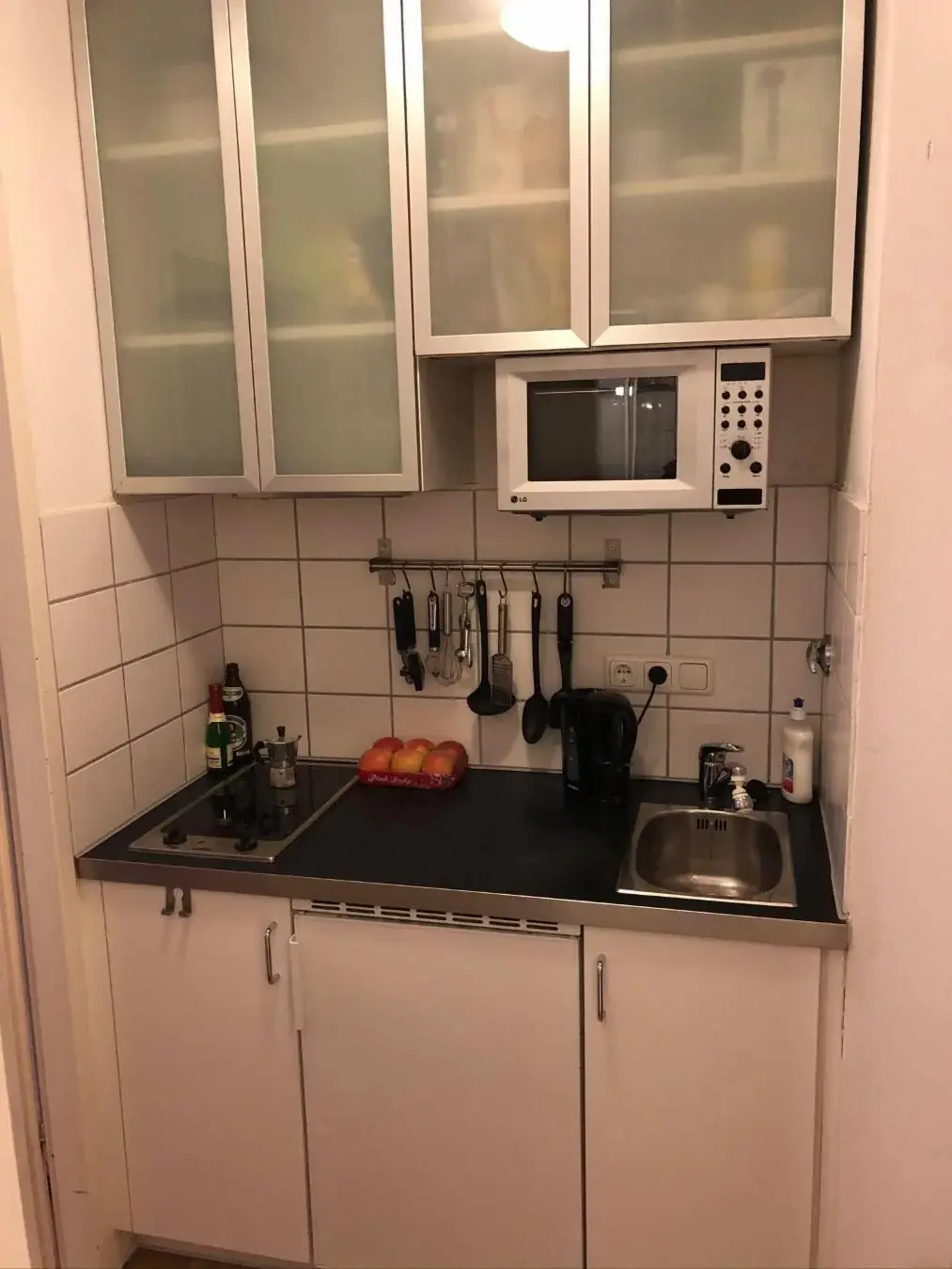
€800.00 / month
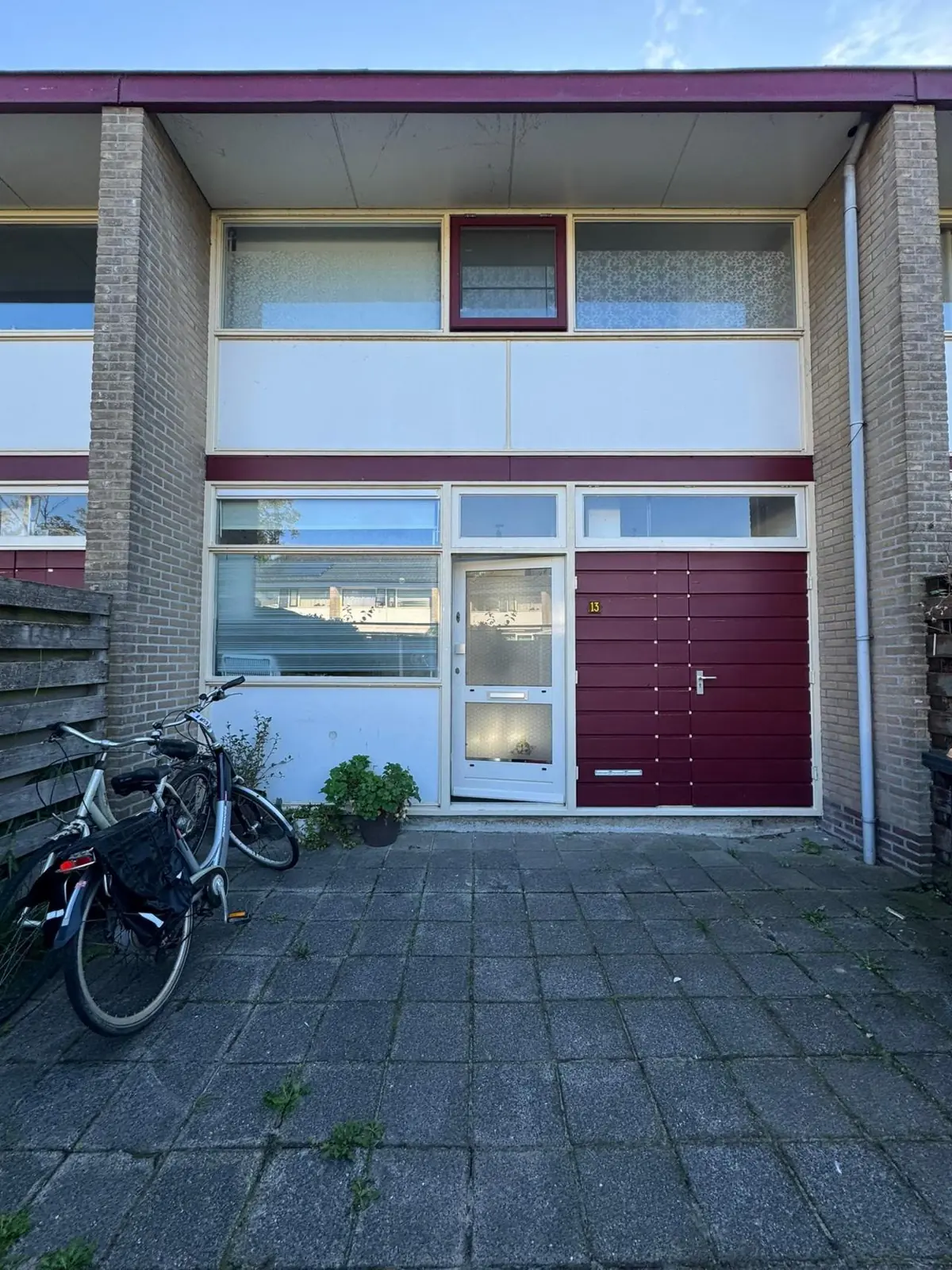
€659.00 / month
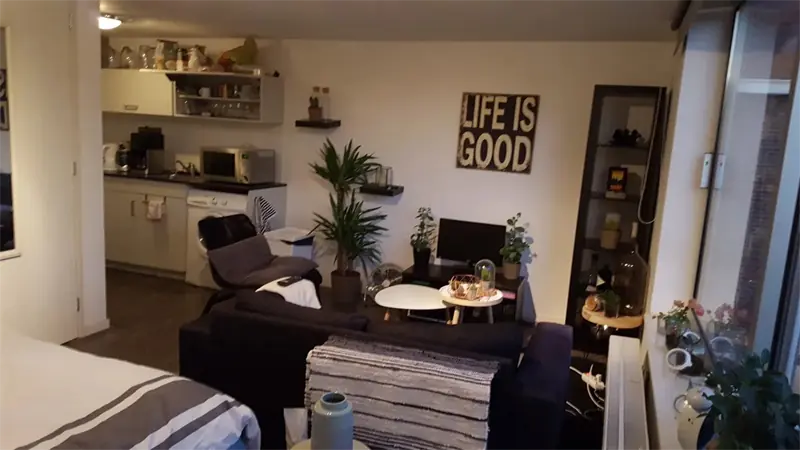
€1,024.00 / month
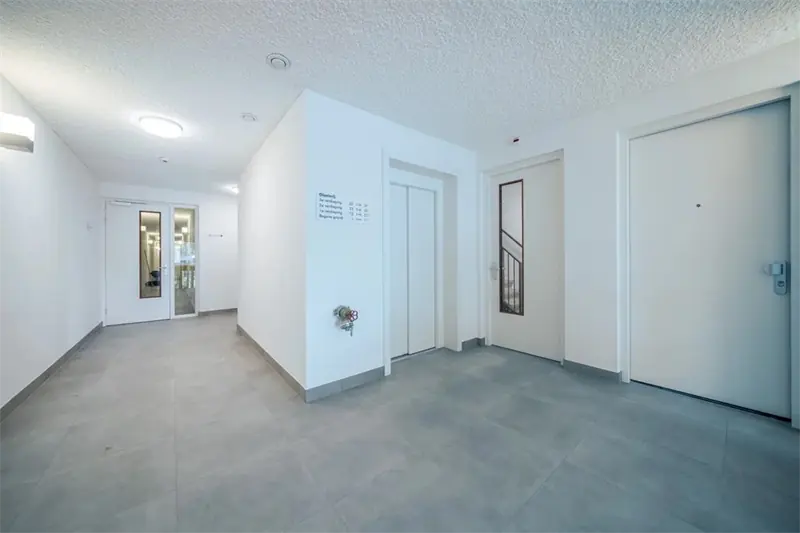
€1,372.00 / month
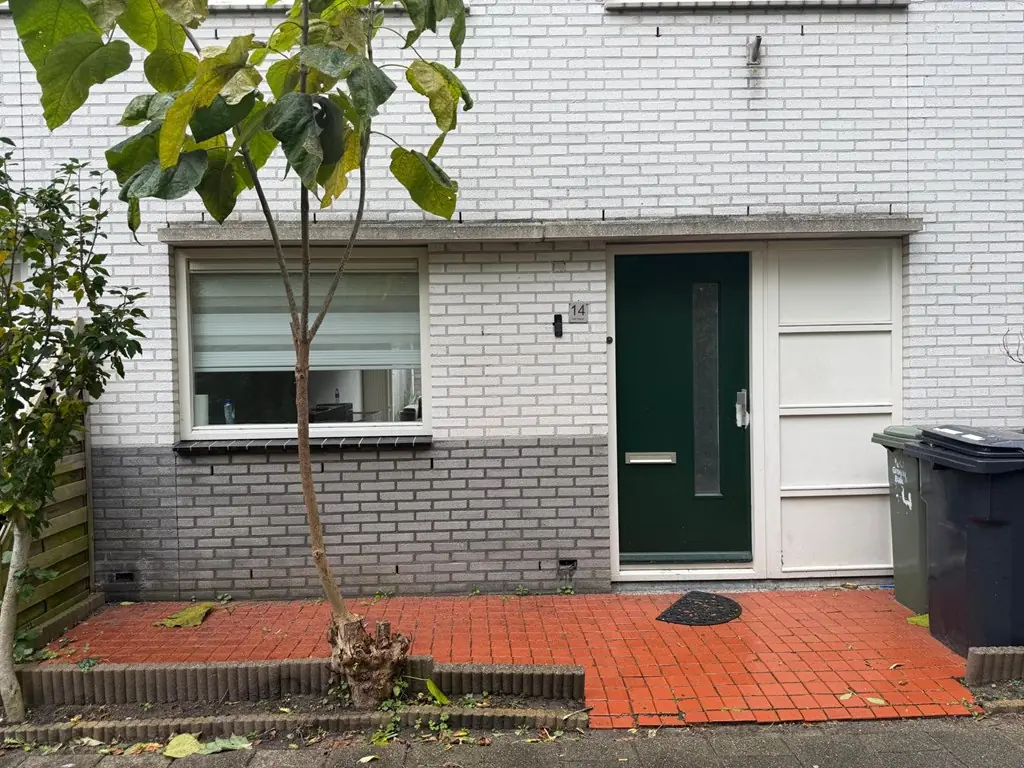
€2,600.00 / month
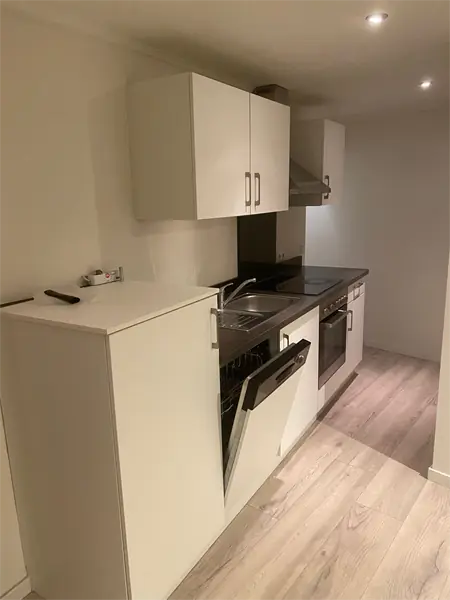
€800.00 / month

€1,206.00 / month

€1,295.00 / month
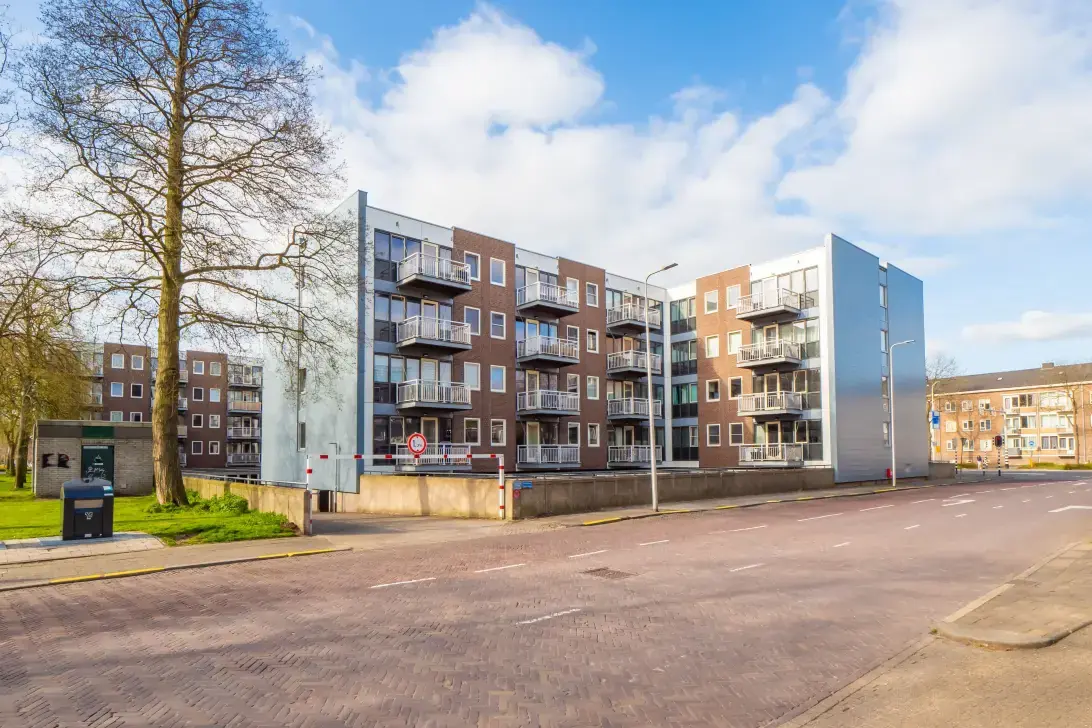
€1,153.00 / month

€2,650.00 / month

€650.00 / month
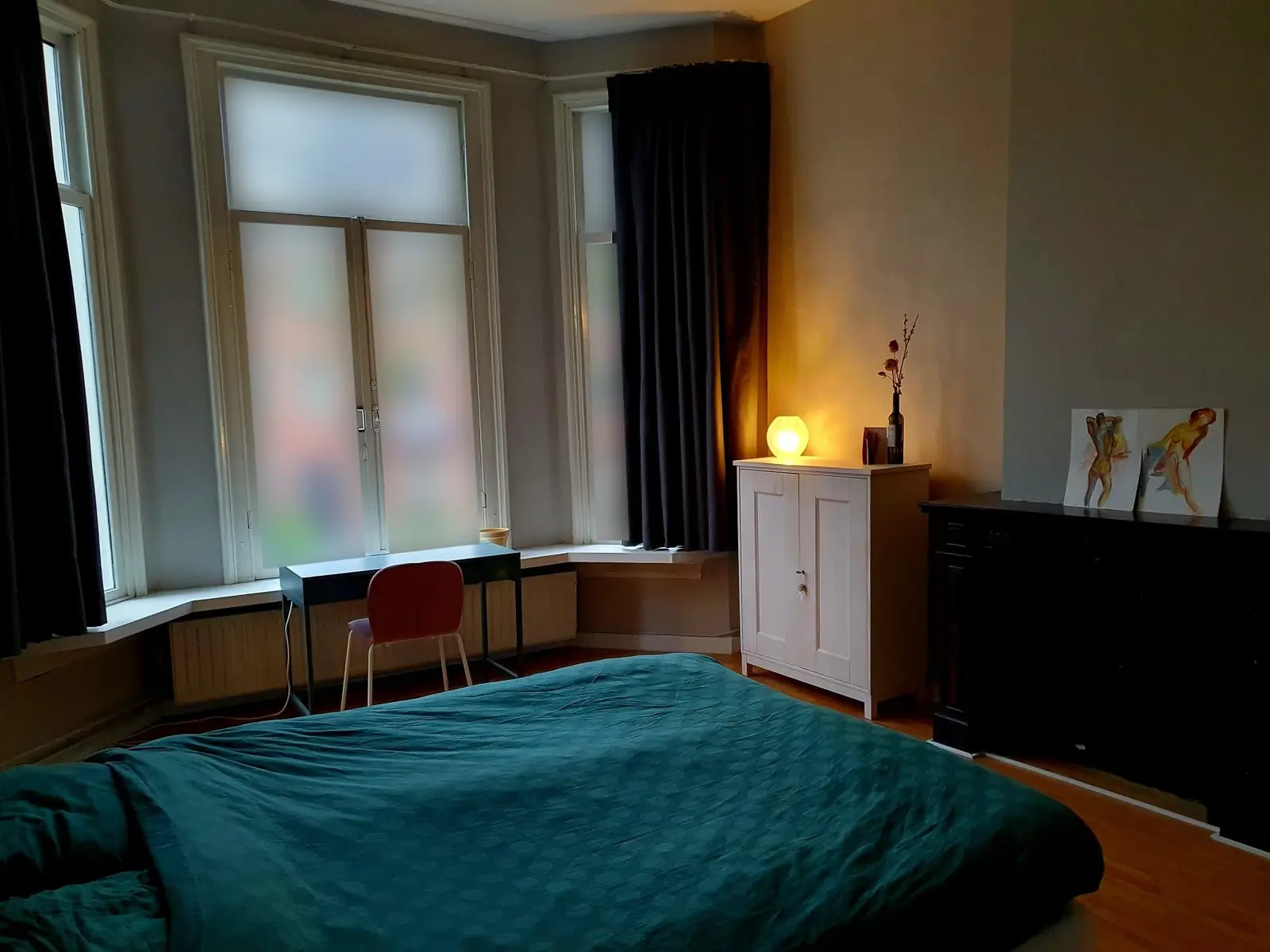
€675.00 / month