
Compare platforms
Read structured comparisons of the platforms renters weigh against each other most often.
See comparisonsExplore a full breakdown of Monoma, Luntero and see how each rental platform performs across key features, pricing, and usability. Our detailed comparison highlights the strengths and trade-offs so you can easily spot what really matters for your search. Whether you’re after transparency, convenience, or better deals, this side-by-side view helps you choose the platform that fits your renting needs best.
Discover how Monoma, Luntero compare within the Dutch rental market, including features, pricing, and ease of use. This overview gives you the essential insights to decide which platform offers the best fit for your housing search in the Netherlands.
Searching for the best rental websites Netherlands-wide means understanding different models: an operator-focused service like Monoma versus an aggregator and exploration tool like Luntero. This comparison outlines positioning, coverage, pricing, features, data practices, and who benefits most from each platform — especially for people trying to find housing in Amsterdam, Rotterdam, Utrecht or Eindhoven.
Why this matters: renters need speed, clarity, and trustworthy listings. Expats and students often rely on English-friendly interfaces and commute-aware tools. Families and professionals care about neighborhood amenities and long-term contracts. This article compares Monoma and Luntero on those practical axes so you can choose the platform that fits your search behavior and housing needs.
Monoma operates as a specialist provider: it converts vacant buildings into temporary homes. Its stock is niche by design — mostly rooms and studios, short-term-focused, and concentrated where adaptive reuse projects exist: Amsterdam, Amersfoort, Lelystad, and Eindhoven. Founded in 1993, Monoma’s model centres on a licence (bruikleen) arrangement rather than traditional tenancy, which changes the contract and notice terms.
Luntero is an aggregator with nationwide coverage and a broad inventory. The platform lists apartments, rooms, studios, and houses across major cities (Amsterdam apartments, Rotterdam rentals, The Hague, Utrecht, Eindhoven) and many mid-sized municipalities. According to the platform's data, Luntero consolidates around 20,000 listings monthly, spanning short- and long-term options.
Practical contrast:
Coverage impact: If you need a long-term family apartment in Utrecht, Luntero’s aggregated inventory is more likely to show options. If you need an affordable quick move-in room in a converted office in Amsterdam, Monoma’s rotating projects are worth watching.
Monoma: Browsing and applying on Monoma is free. Accepted residents pay a monthly bruikleenvergoeding and modest start costs plus a refundable deposit. The platform discloses common fees (example combined start cost and deposit around €540 in sample notices), and utilities are often separate. Because Monoma uses a licence, tenant protections and price dynamics differ from standard private or social tenancies.
Luntero: Free to browse with no paywall. Luntero does not charge tenants and does not gate alerts or comparison features behind a subscription. Contact and application happen on the original source pages (agency or listing host), so any agent fees or application costs depend on the source and local practice.
Decision point: If you prefer zero-cost market research and alerts, Luntero’s free model and alerting tools give an advantage. Monoma also offers free browsing but ultimately involves licence fees for occupants — it’s an operator rather than an aggregator.
This is where the two models diverge in approach and utility.
Monoma features (operator):
Luntero features (aggregator & exploration):
Why it matters: commute-aware search and POIs change decision quality. For expats and students comparing neighborhoods, being able to visualize a 30-minute commute by transit or bike from a listing makes choices clearer. Luntero’s map isochrones and POI overlays are explicitly designed for this use-case.
Monoma: As a first-party operator, Monoma controls listing data and resident agreements directly — listings reflect what Monoma offers and include operator-level details about house rules and specific building conditions. Because Monoma supplies spaces directly, the platform’s information on licence terms and start costs is typically authoritative for its projects.
Luntero: An aggregator that does not individually verify every listing. Luntero indexes and consolidates feeds from sources like agencies and other portals; it encourages users to verify details at the originating source. This trade-off yields broad coverage but requires renters to do spot checks (confirm availability, price and contract terms on the source site).
Practical guidance: with Monoma, you rely on the operator’s published rules and know what the licence entails. With Luntero, treat each aggregated listing as a starting point and click through to confirm current status and contractual details.
Monoma is best for:
Luntero is best for:
Short vs long-term: Monoma’s model is tailored to short-term, flexible stays. Luntero’s aggregated inventory covers both short- and long-term markets and is therefore more suitable for standard leases and family moves.
Luntero’s positioning is centered on exploration and user productivity. Key differentiators:
Advanced Exploration Filters: Luntero’s filter set goes beyond basic price and size — it includes deposit, contract length, pet policies and nuanced neighborhood options. This helps renters instantly exclude unsuitable listings and fine-tune results.
Points of Interest Integration: Listings show nearby schools, public transport nodes, supermarkets and more. For expats evaluating an Amsterdam neighborhood or a family choosing a suburb near good schools, these POIs reduce research overhead.
Map Isochrones & Commute Distances: This is a standout feature for commuters — visualize 20/30/45 minute travel times by bike, transit or car from any listing. It’s particularly useful for students and professionals comparing options across wider metropolitan areas.
Multilingual UI: Luntero’s English-first design and support for Spanish, French and German make it more accessible to international renters than many local-only portals.
AI-generated Summaries & Comparison View: Luntero’s AI summaries speed up screening; the side-by-side shortlist tool helps when you have multiple finalists and need to compare price, commute and POIs quickly.
Why this matters in searches like “compare Pararius vs Luntero in Amsterdam” or “best rental websites Netherlands for expats”: these exploration tools reduce platform-hopping and help non-native renters make confident decisions faster.
Monoma — Pros:
Luntero — Pros:
Choose Monoma if:
Choose Luntero if:
Combined approach: Many renters benefit from both. Use Luntero to scan the market and shortlist options, then check specialized operators like Monoma for short-term, flexible placements that might not appear as prominently on broader portals.
Monoma and Luntero serve complementary parts of the Dutch rental ecosystem. Monoma excels as an operator of temporary licences and repurposed-space solutions; it’s a niche but valuable option for renters requiring flexibility and low cost. Luntero excels as a modern aggregator and exploration tool built for expats, students and families who need full-market coverage, commute-aware maps and multilingual support.
For practical house-hunting in the Netherlands: start broad with an aggregator like Luntero to map the market and set alerts, then pursue operator-specific options like Monoma when you need short-term or immediate placements. Always verify contract terms and fees on the source or operator site before signing.
If you want help choosing which cities or neighborhoods to focus on (Amsterdam vs Utrecht vs Eindhoven), or a quick checklist for evaluating licence vs lease contracts, I can produce a tailored checklist or neighborhood comparison next.
Table of Contents
Access rules decide as much as inventory. Filter the directory by provider type and housing segment, read a side-by-side comparison, or start from the city you want to live in.
Read structured comparisons of the platforms renters weigh against each other most often.
See comparisonsFilter every profiled platform by provider type, housing segment, city and access model.
Search platformsSee which providers actually cover Amsterdam, Rotterdam, Utrecht and the rest of the country.
Browse citiesA detailed comparison table showing how Monoma, Luntero stack up across key features, pricing models, and usability factors to help you choose the best rental platform in the Netherlands.
Explore additional side-by-side comparisons of popular rental platforms in the Netherlands to discover the best choices for your apartment or housing search. Each comparison dives into features, pricing, and user experience, giving you the insights you need to make a confident decision in the Dutch rental market.
Explore the latest properties added to Luntero. Find new apartments, houses, and studios across the Netherlands — updated daily to help you discover your next home faster.
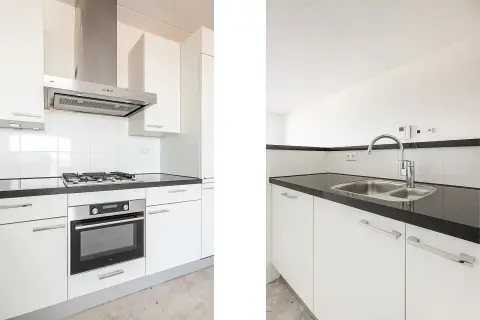
€1,422.00 / month
€669.00 / month

€714.00 / month

€706.00 / month
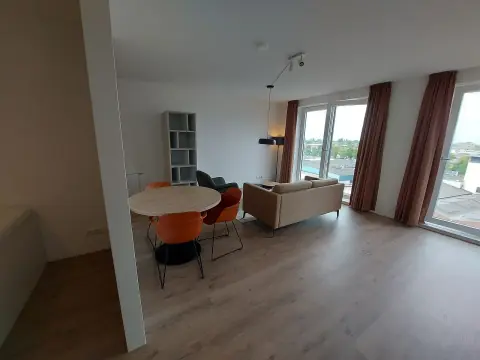
€1,138.00 / month

€2,850.00 / month

€1,605.00 / month
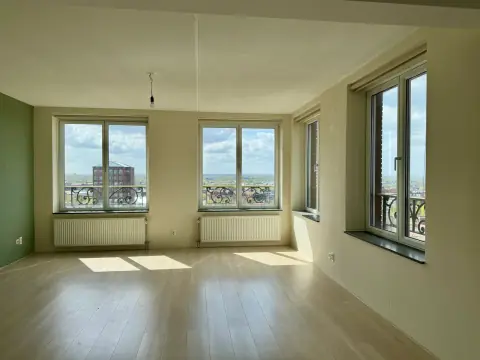
€1,500.00 / month

€1,401.00 / month

€1,500.00 / month
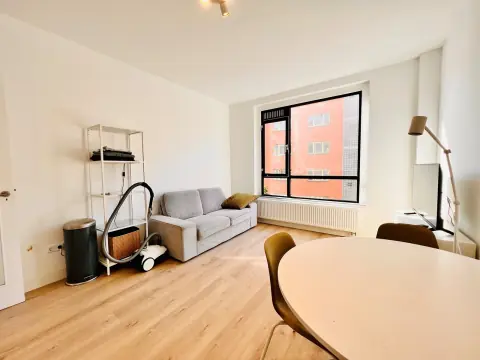
€956.00 / month
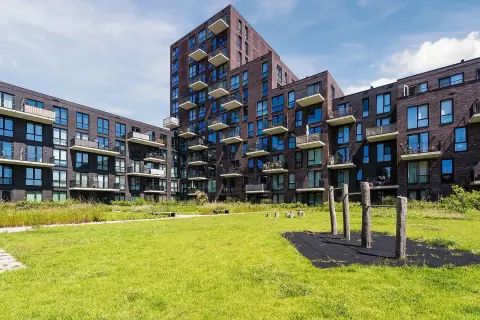
€1,309.00 / month