
Compare platforms
Read structured comparisons of the platforms renters weigh against each other most often.
See comparisonsExplore a full breakdown of Pararius, Woontij and see how each rental platform performs across key features, pricing, and usability. Our detailed comparison highlights the strengths and trade-offs so you can easily spot what really matters for your search. Whether you’re after transparency, convenience, or better deals, this side-by-side view helps you choose the platform that fits your renting needs best.
Discover how Pararius, Woontij compare within the Dutch rental market, including features, pricing, and ease of use. This overview gives you the essential insights to decide which platform offers the best fit for your housing search in the Netherlands.
Finding apartments for rent in the Netherlands means choosing between nationwide aggregators and local, first-party providers. This comparison examines Pararius and Woontij—two very different Dutch rental platforms serving complementary needs. Whether you want to find housing in Amsterdam or a regulated social home on Texel, this guide helps expats, students, and families decide which site to use, when to use it, and how to combine platforms to improve your chances.
Why this matters: renters often search for the best rental websites Netherlands-wide, and knowing the distinction between an aggregator like Pararius and a housing corporation like Woontij saves time and reduces application friction.
Pararius is a nationwide, agency-driven aggregator focused exclusively on rentals. Its inventory spans Amsterdam apartments, Rotterdam rentals, Utrecht flats, The Hague homes, and Eindhoven housing. The platform lists rooms, studios, apartments, and houses and supports both short-term and long-term rentals. With thousands of properties active at any time, Pararius is often the first stop for renters searching for apartments for rent across major Dutch cities.
Woontij, by contrast, operates as a regional housing corporation with first-party listings concentrated in Den Helder, Texel (Den Burg, Julianadorp), and surrounding Noord-Holland communities. Its portfolio emphasizes social and regulated housing—affordable long-term apartments, houses, and student campus units (Campus De Potvis). If your search is specific to social housing in that micro-region, Woontij is the authoritative source and listings rarely appear on big aggregators.
How this affects search behavior:
Pararius presents a freemium model. Browsing and applying is free, but the platform offers a premium tier (Pararius+) that accelerates alerts, provides one-click applications, and shows applicant volume. In competitive markets such as Amsterdam or Utrecht, Pararius+ can materially improve a candidate’s reaction time. Expect subscription prompts for advanced features.
Woontij uses a different model: browsing is free but applying is gated by mandatory registration on WonenInDeKop (Mijn Woontij). There are no paid tiers for tenants. Registration is typically free and must be renewed annually. This is not a paywall but an administrative gate—necessary for formal allocation to social housing.
Selection implications:
Pararius features a modern, user-focused interface with strong filtering for neighborhoods, property types, number of rooms, furnished vs unfurnished, and short- vs long-term rentals. It supports map search and email alerts—core tools for people who want to find housing in Amsterdam or Rotterdam quickly. Pararius also provides an expat guide that helps newcomers understand lease norms and relocation steps.
Woontij provides practical applicant features oriented around first-party allocation: save preferences, email tip alerts when a match appears, and track application status through Mijn Woontij. Tools focus on rules and eligibility (income limits, permit requirements) rather than discovery.
Key feature comparisons:
SEO-driven searchers often look for “best rental websites Netherlands” and “find housing in Amsterdam.” Pararius aligns closely with those queries; Woontij aligns with “social housing Den Helder” or “Texel student housing.”
Pararius aggregates listings from professional agencies across the country. That agency feed gives it a high-volume supply lineage, but Pararius does not label all listings as verified in a first-party sense (its listings come from agencies rather than the platform itself). The platform’s speed and alerts are designed to help renters react quickly, though users should still confirm details directly with the listing agent.
Woontij’s listings are first-party—posted by the housing corporation that manages the properties. This produces high data quality and authenticity for social housing adverts. Because Woontij administers allocations, the information on eligibility, rent levels, and contract terms is authoritative and often includes formal policy documentation.
What renters should verify:
Pararius is best for:
Woontij is best for:
Short-term vs long-term orientation:
Pararius Pros:
Pararius Cons:
Woontij Pros:
Woontij Cons:
Choose Pararius if:
Choose Woontij if:
Combined strategy:
Pararius and Woontij serve distinct, complementary roles in Dutch rental search. Pararius is one of the best rental websites Netherlands-wide for expats and students who need broad coverage, fast alerts, and map-driven discovery. Woontij is essential for anyone pursuing regulated social and campus housing in Den Helder/Texel—its first-party listings and policy clarity are unmatched in that micro-region.
For most renters, the optimal approach is to blend tools: rely on Pararius to cover city markets like Amsterdam and Rotterdam, and register with regional housing corporations like Woontij when targeting social housing. This dual strategy helps you cover both open-market opportunities and exclusive, regulated supply.
Long-tail search example included naturally in decisions here: compare Pararius vs Luntero in Amsterdam—while Luntero may offer advanced map isochrones and POI-centric exploration, Pararius remains the high-volume aggregator and Woontij retains first-party authority for social rentals on Texel.
Choose the platform that matches your target location and tenancy type. Use alerts smartly, prepare documents in advance, and understand allocation rules for regulated homes—those steps will materially increase your success when searching for apartments for rent in the Netherlands.
Table of Contents
Access rules decide as much as inventory. Filter the directory by provider type and housing segment, read a side-by-side comparison, or start from the city you want to live in.
Read structured comparisons of the platforms renters weigh against each other most often.
See comparisonsFilter every profiled platform by provider type, housing segment, city and access model.
Search platformsSee which providers actually cover Amsterdam, Rotterdam, Utrecht and the rest of the country.
Browse citiesA detailed comparison table showing how Pararius, Woontij stack up across key features, pricing models, and usability factors to help you choose the best rental platform in the Netherlands.
Explore additional side-by-side comparisons of popular rental platforms in the Netherlands to discover the best choices for your apartment or housing search. Each comparison dives into features, pricing, and user experience, giving you the insights you need to make a confident decision in the Dutch rental market.
Explore the latest properties added to Luntero. Find new apartments, houses, and studios across the Netherlands — updated daily to help you discover your next home faster.
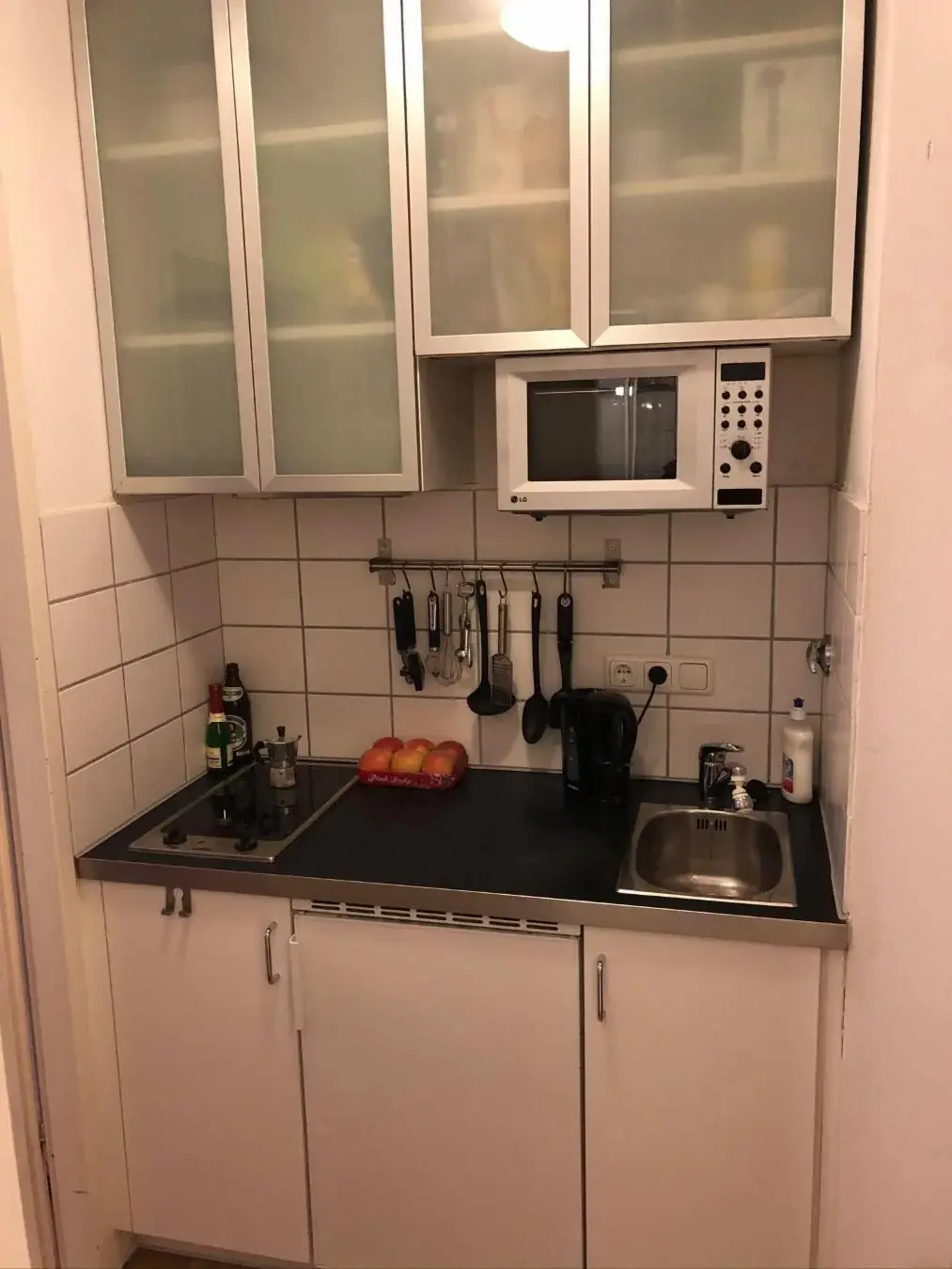
€800.00 / month
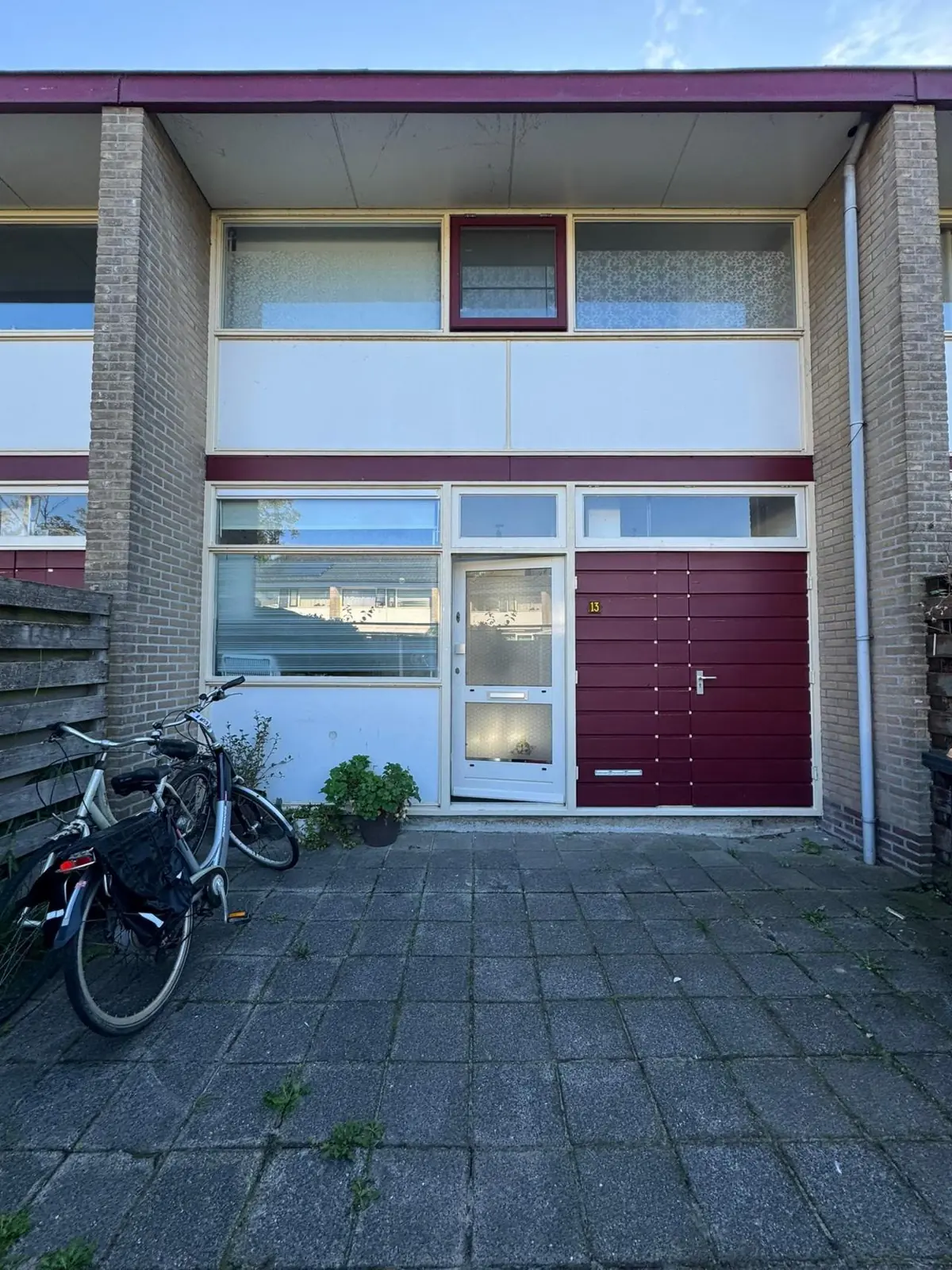
€659.00 / month
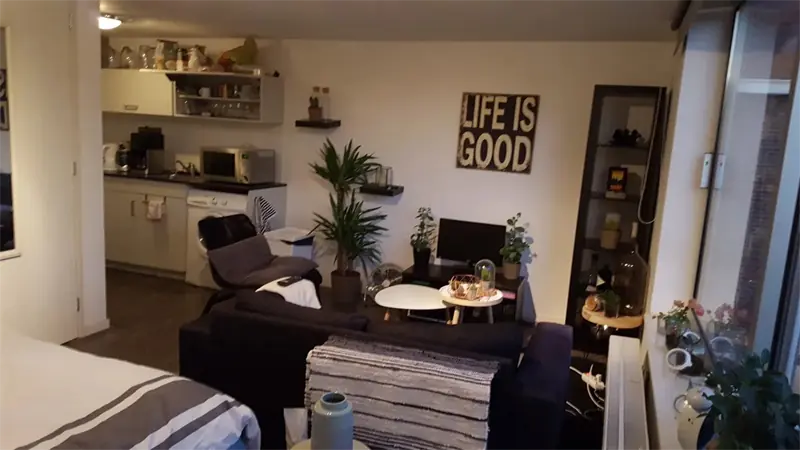
€1,024.00 / month
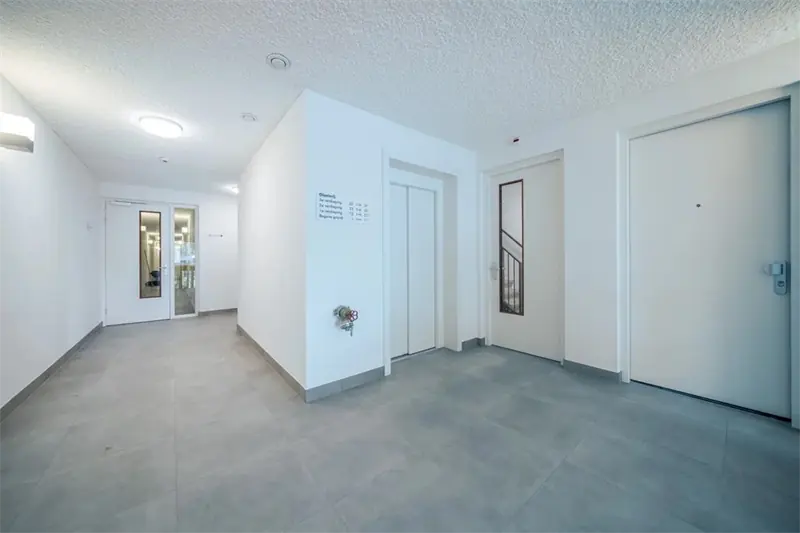
€1,372.00 / month
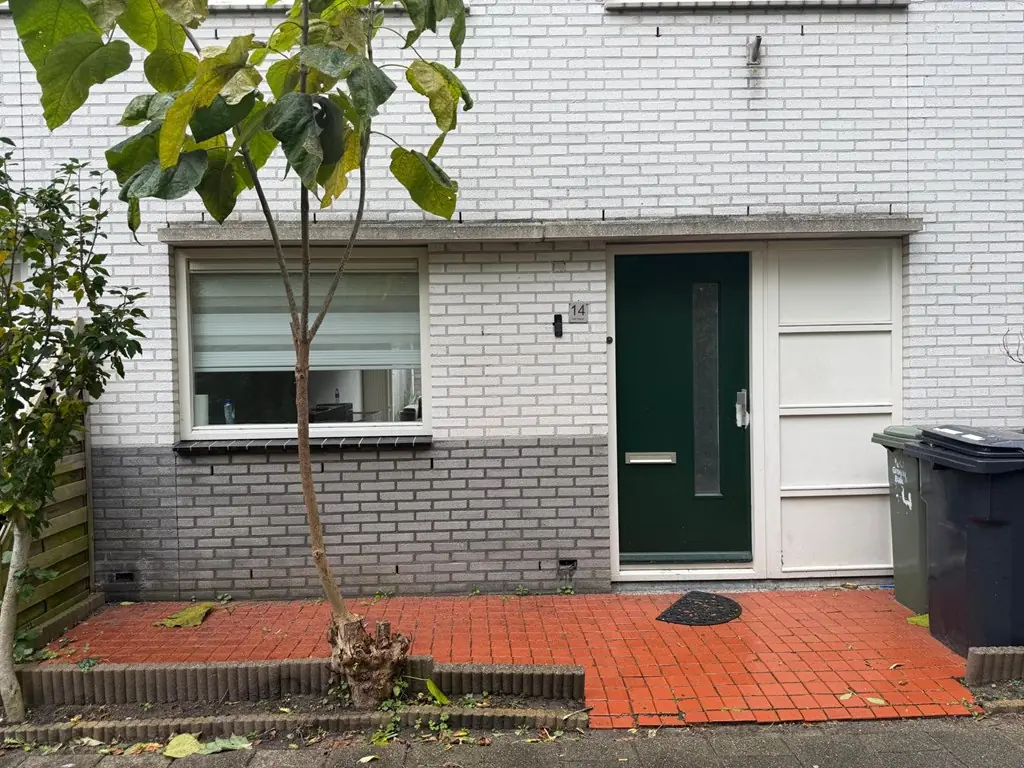
€2,600.00 / month
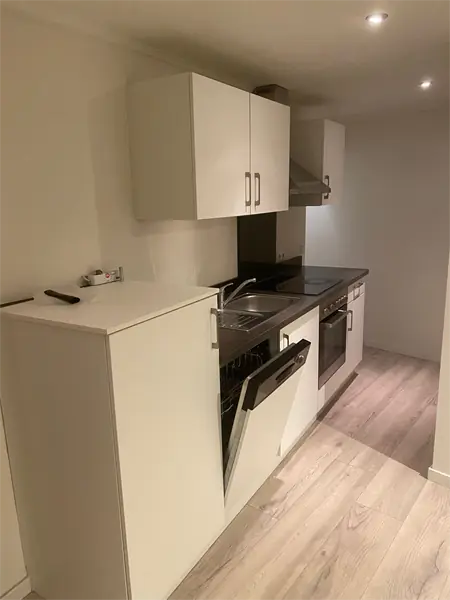
€800.00 / month

€1,206.00 / month

€1,295.00 / month

€1,153.00 / month

€2,650.00 / month

€650.00 / month
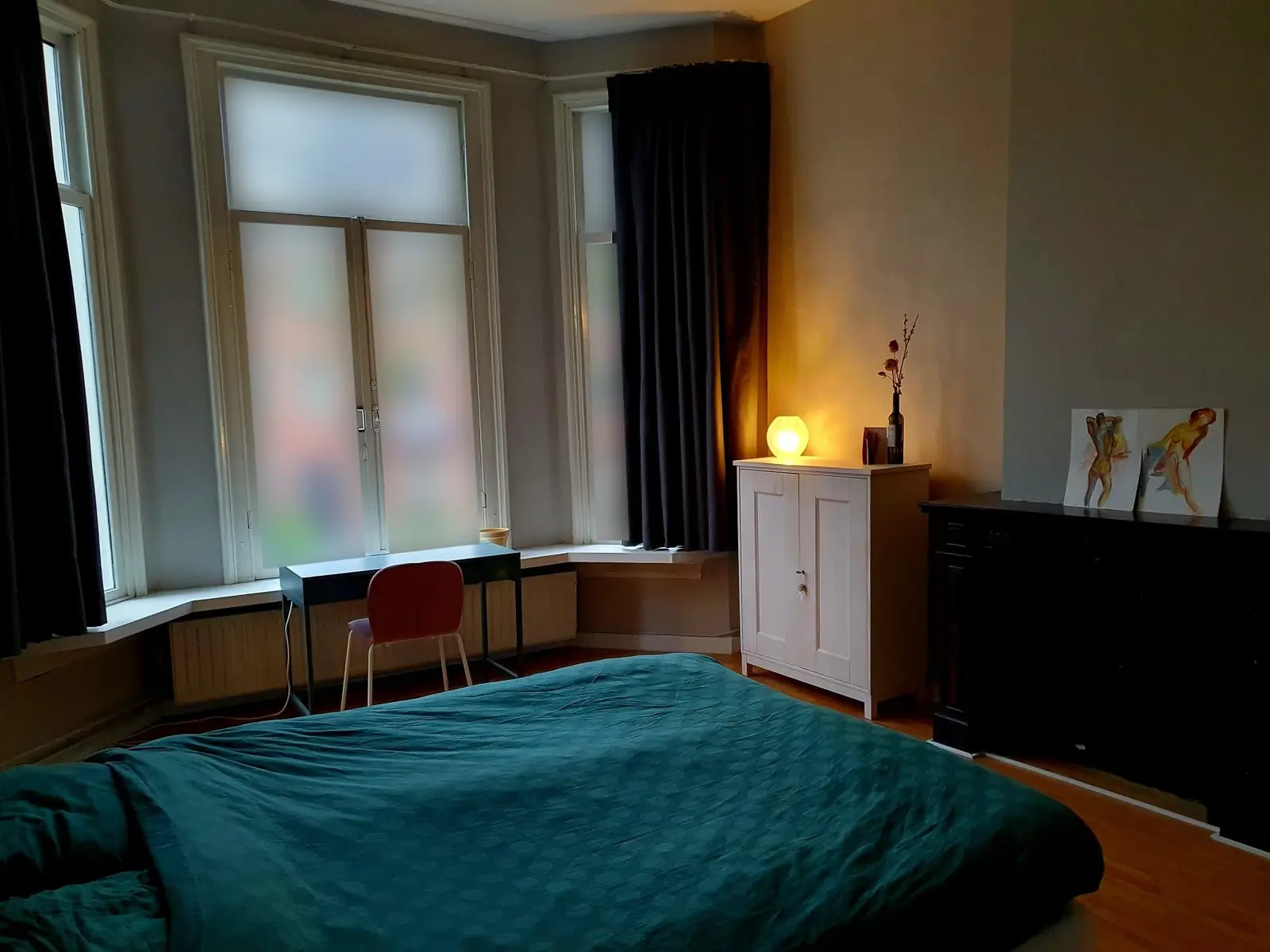
€675.00 / month