
Compare platforms
Read structured comparisons of the platforms renters weigh against each other most often.
See comparisonsExplore a full breakdown of Maximus Vastgoedbeheer, Luntero and see how each rental platform performs across key features, pricing, and usability. Our detailed comparison highlights the strengths and trade-offs so you can easily spot what really matters for your search. Whether you’re after transparency, convenience, or better deals, this side-by-side view helps you choose the platform that fits your renting needs best.
Discover how Maximus Vastgoedbeheer, Luntero compare within the Dutch rental market, including features, pricing, and ease of use. This overview gives you the essential insights to decide which platform offers the best fit for your housing search in the Netherlands.
Finding the right rental site matters in the Netherlands: you need broad coverage, reliable listings, and tools that match your lifestyle. This comparison looks at Maximus Vastgoedbeheer and Luntero—two very different approaches to Dutch rentals. Maximus is an operator-focused, regional provider of temporary and anti-squat (bruikleen) housing, concentrated in Limburg and selected Randstad cities. Luntero is a nationwide aggregator built for market-wide search, with advanced exploration tools targeted at expats, students and families.
This article helps you compare their positioning, coverage, pricing, features, data quality, and who each platform serves best. It also includes a focused section highlighting Luntero’s differentiators (advanced filters, POIs, isochrones, multilingual UI) and practical decision guidance: when to use a regional operator like Maximus vs. an aggregator like Luntero when you want to find housing in Amsterdam, Rotterdam, Utrecht, The Hague or Eindhoven.
Luntero is nationwide. According to its public profile it aggregates roughly 20,000 listings across the Netherlands and covers major urban centres—Amsterdam apartments, Rotterdam rentals, The Hague, Utrecht, and Eindhoven—plus many mid-sized municipalities. The platform pulls supply from leading portals and agency sites to provide broad market visibility for apartments, studios, rooms, houses, and both short- and long-term contracts.
Maximus Vastgoedbeheer is regional and operational. Its inventory focuses on temporary-use properties and anti-squat (bruikleen) arrangements, with a primary presence in Limburg (Maastricht, Kerkrade, Heerlen) and selected listings in Den Haag and Amersfoort. Maximus’s stock is quality for renters who accept shorter-term, flexible occupancy rather than standard long-term tenancy.
Why coverage matters: If you want to search every available Amsterdam apartment or compare Rotterdam rentals market-wide, an aggregator like Luntero reduces platform-hopping. If you need immediate, low-cost temporary housing or a bridge solution in Limburg, a niche operator such as Maximus is often the fastest route.
Luntero: Free, no paywall. Browsing, alerts, and comparison tools are available at no cost; applications proceed on the original source site (agency or landlord) where normal application or agency fees may apply. Luntero’s business model is aggregator-first: give users full visibility without charging tenants for searching.
Maximus: Free to browse and register, but follows an Apply Gated flow for applications. As an operator using anti-squat and temporary rental models, tenants typically pay a low monthly use fee rather than standard market rent. There’s no platform subscription, but contract terms (short notice periods, specific responsibilities) differ from standard leases.
Practical takeaway: Both services allow free browsing, but the downstream costs and contract expectations differ. Luntero is neutral for comparing options; Maximus is transactional and operational—expect different paperwork and occupancy rules.
Luntero’s toolkit is built for exploration and comparison:
Maximus’s feature set reflects its operator role:
Why these features matter: For someone comparing Pararius vs Luntero in Amsterdam or searching for student housing Netherlands, commute-aware maps and POIs change the quality of a shortlist. If affordability and immediate availability outrank long-term security, Maximus’s features are purpose-built for that need.
Luntero aggregates broadly but does not individually verify every listing. This grants scale at the cost of requiring renters to validate details on the source site: availability can change quickly, and photos or descriptions may lag. The platform’s transparency—linking to original agency pages—is a practical approach; users must still perform standard verification and contact landlords promptly.
Maximus is a single-operator model where listings are direct from the operator, and contracts are issued by Maximus itself. That reduces intermediary ambiguity but introduces different tenant expectations: anti-squat arrangements and temporary-use rules have fewer tenant protections than standard long-term leases.
Actionable advice: Use Luntero to cast a wide net and spot-market trends, but always confirm price, deposit rules, and contract type on the origin listing. Use Maximus when you understand and accept the specific contract model; speak to them directly about termination notice and obligations.
Luntero — Best for:
Maximus — Best for:
Not recommended:
Luntero stands out among Dutch rental platforms for these specific reasons:
Why this combination matters: Together these features make Luntero more than an index; it’s an exploration and decision platform ideal for people moving from abroad, students, or families relocating between Dutch cities.
Luntero Pros:
Luntero Cons:
Maximus Pros:
Maximus Cons:
Choose Luntero if:
Choose Maximus if:
Use both when:
Maximus Vastgoedbeheer and Luntero serve different but complementary roles in the Dutch rental ecosystem. Luntero is a modern, feature-rich aggregator aimed at expats, students and families who want wide coverage, smart filters and commute-aware decision-making. Maximus is a regionally focused operator offering short-term, low-cost housing—useful when speed and affordability beat long-term tenancy rights.
For renters who need to find housing in Amsterdam or compare Pararius vs Luntero in Amsterdam-style searches, start with Luntero to cast a wide net and narrow down neighbourhoods with isochrones and POIs. If you need an immediate, low-cost stopgap—particularly in Limburg—investigate Maximus’s projects while confirming contract conditions.
Whichever route you choose, verify contract terms, confirm final availability on source listings, and move fast: the Dutch rental market rewards speed and preparation.
Table of Contents
Access rules decide as much as inventory. Filter the directory by provider type and housing segment, read a side-by-side comparison, or start from the city you want to live in.
Read structured comparisons of the platforms renters weigh against each other most often.
See comparisonsFilter every profiled platform by provider type, housing segment, city and access model.
Search platformsSee which providers actually cover Amsterdam, Rotterdam, Utrecht and the rest of the country.
Browse citiesA detailed comparison table showing how Maximus Vastgoedbeheer, Luntero stack up across key features, pricing models, and usability factors to help you choose the best rental platform in the Netherlands.
Explore additional side-by-side comparisons of popular rental platforms in the Netherlands to discover the best choices for your apartment or housing search. Each comparison dives into features, pricing, and user experience, giving you the insights you need to make a confident decision in the Dutch rental market.
Explore the latest properties added to Luntero. Find new apartments, houses, and studios across the Netherlands — updated daily to help you discover your next home faster.
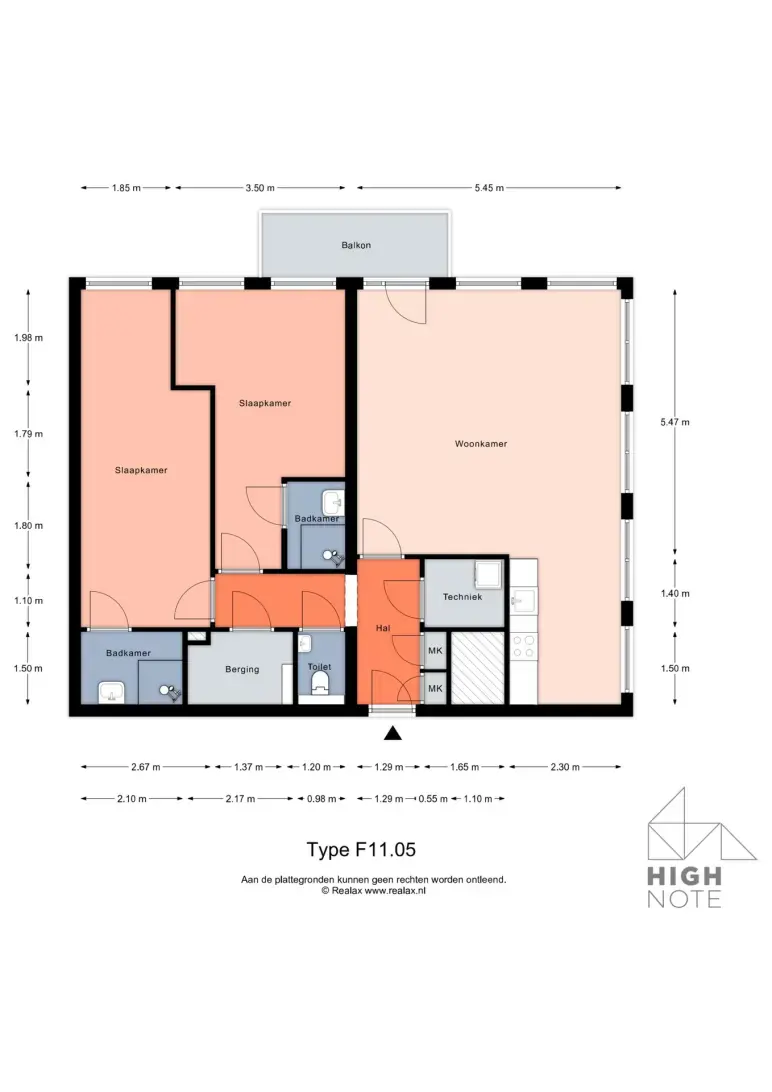
€1,874.00 / month
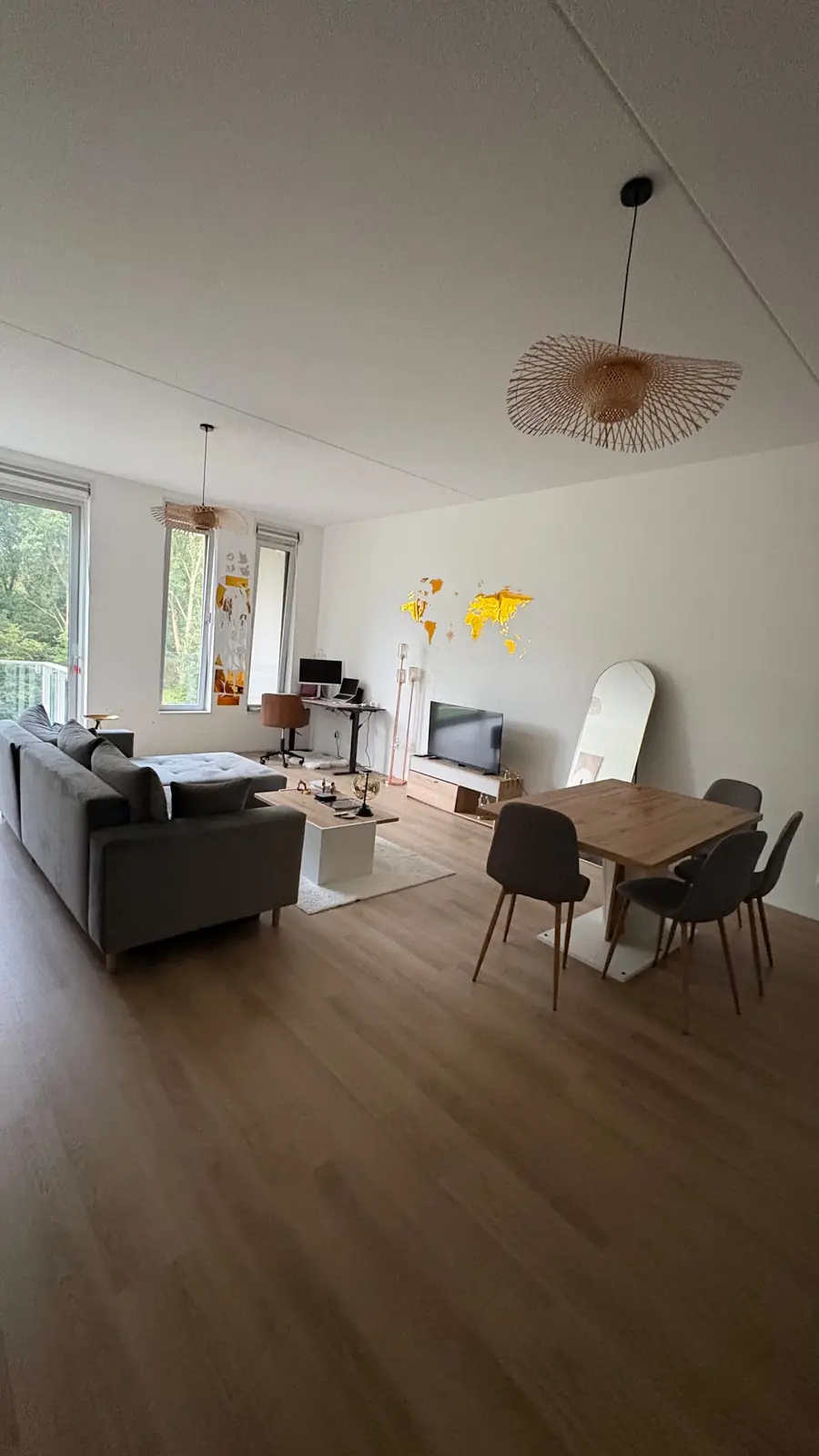
€2,500.00 / month
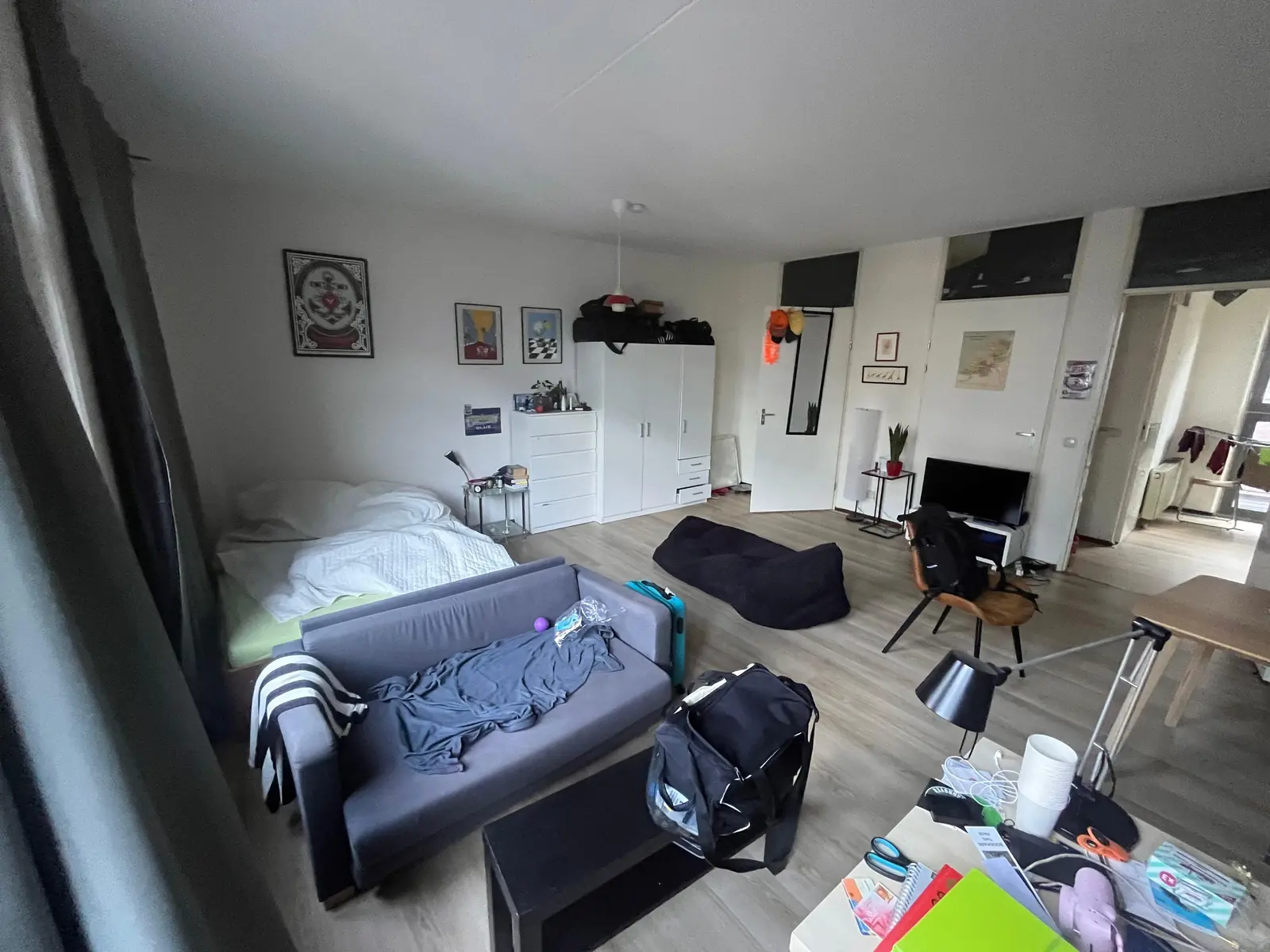
€1,050.00 / month
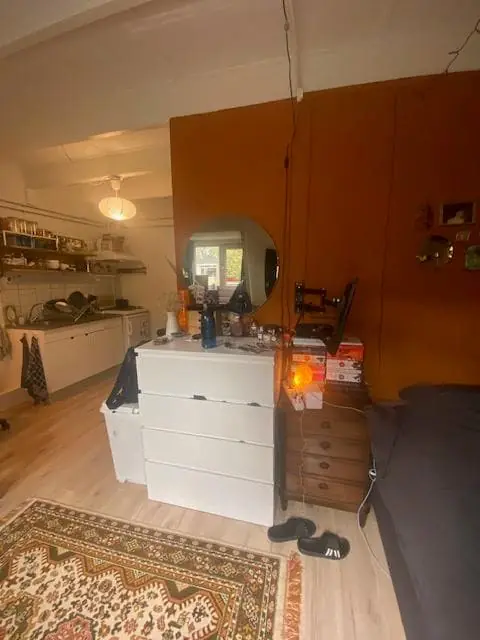
€665.00 / month

€1,550.00 / month
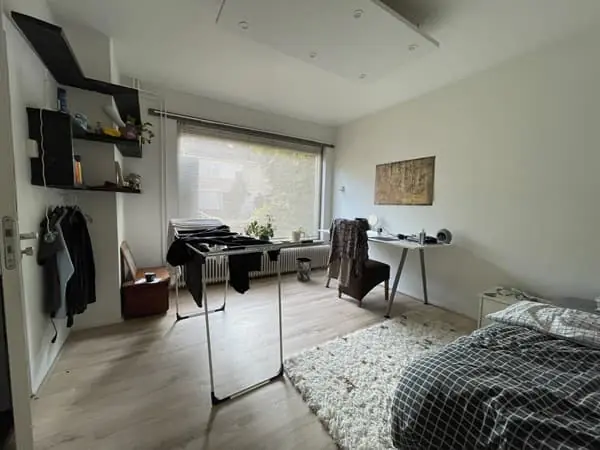
€630.00 / month
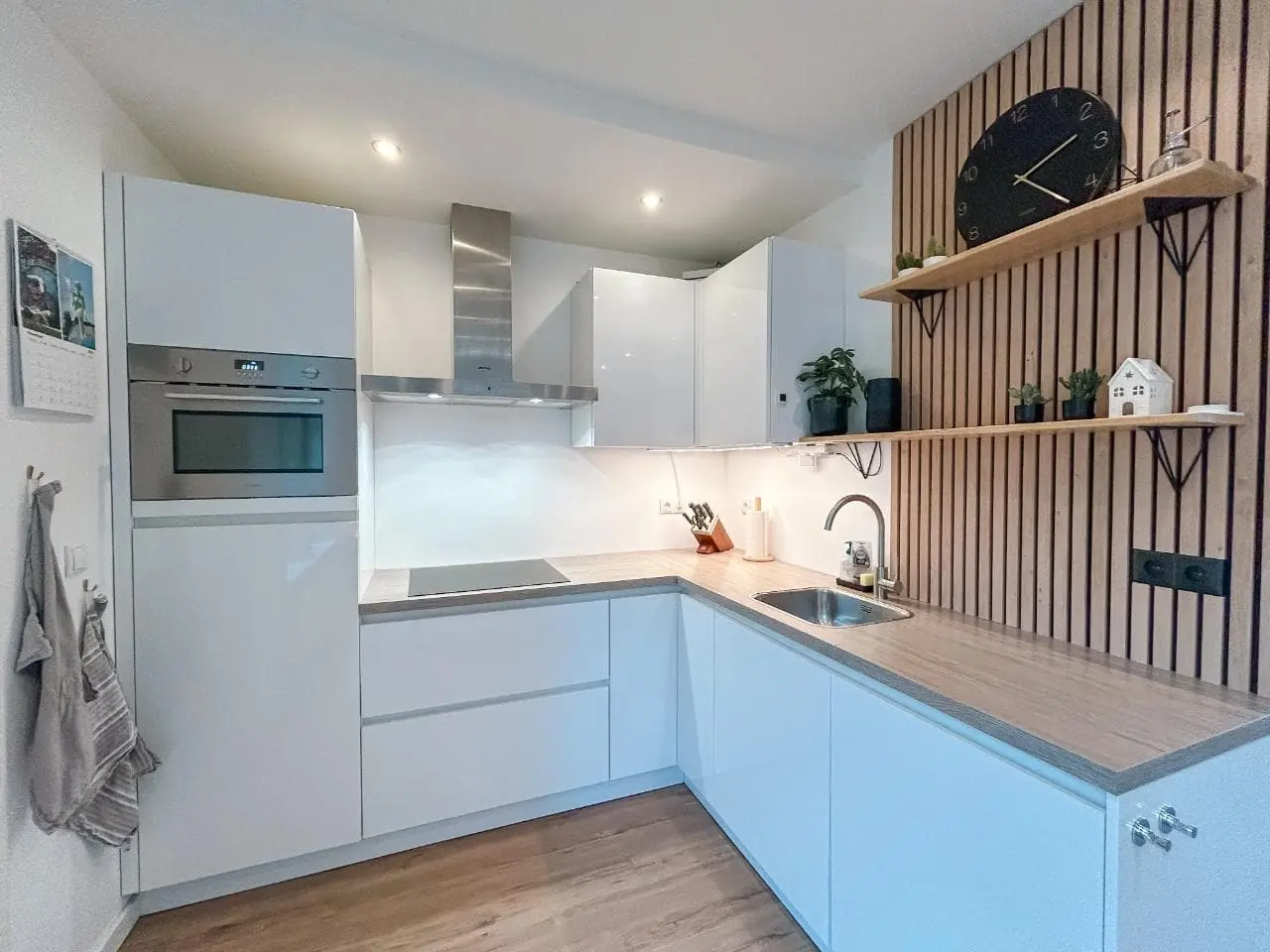
€1,500.00 / month

€686.00 / month
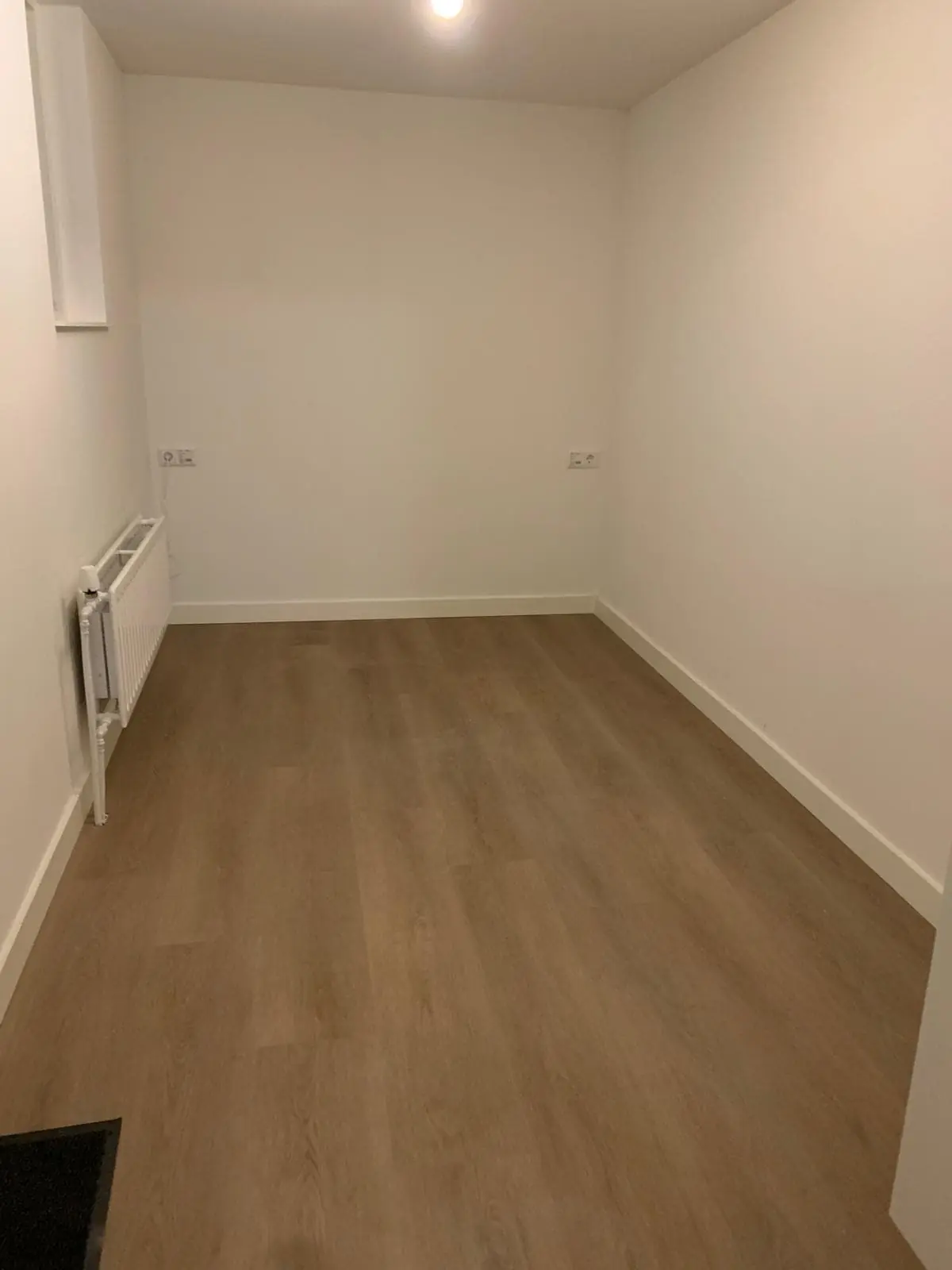
€643.00 / month

€1,289.00 / month
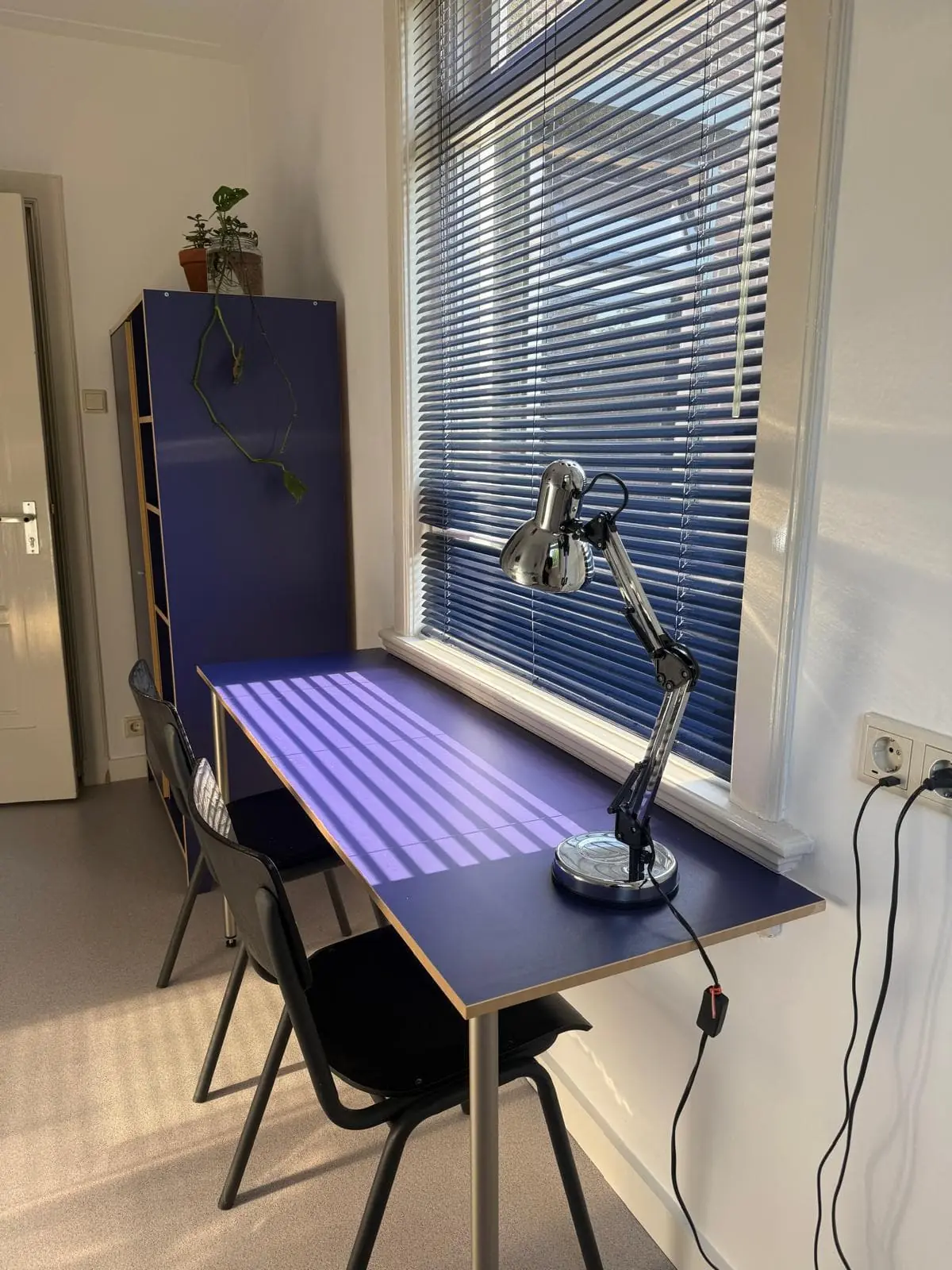
€785.00 / month
€1,743.00 / month