
Compare platforms
Read structured comparisons of the platforms renters weigh against each other most often.
See comparisonsExplore a full breakdown of Kamernet, Woontij and see how each rental platform performs across key features, pricing, and usability. Our detailed comparison highlights the strengths and trade-offs so you can easily spot what really matters for your search. Whether you’re after transparency, convenience, or better deals, this side-by-side view helps you choose the platform that fits your renting needs best.
Discover how Kamernet, Woontij compare within the Dutch rental market, including features, pricing, and ease of use. This overview gives you the essential insights to decide which platform offers the best fit for your housing search in the Netherlands.
Finding a place to live in the Netherlands means choosing between very different platforms depending on your needs. This comparison looks at Kamernet and Woontij — two services with distinct positioning: Kamernet is a nationwide aggregator focused on rooms, studios and apartments, while Woontij is a first-party housing corporation advertising social housing in Den Helder and Texel. This guide helps students, expats, families and professionals decide where to search and why.
Kamernet offers nationwide coverage with an emphasis on major student and urban centers. The platform lists rooms, studios and apartments across Amsterdam, Rotterdam, Utrecht, Groningen, The Hague, Eindhoven, Maastricht and Nijmegen. Kamernet reports roughly 7,000 new listings per month, making it attractive for renters who need breadth and turnover—especially students and young professionals looking for short-term or flexible options.
Woontij is highly regional. It serves Noord-Holland north, including Den Helder and the Texel villages (Den Burg, Julianadorp, ’t Horntje). Its inventory is first-party: approximately 2,300 social rental homes and campus units (Campus De Potvis) for visiting researchers and students. Woontij does not list free-sector housing and focuses on regulated, affordable long-term rentals.
Why this matters: if you want to find housing in Amsterdam, Rotterdam rentals or Utrecht student rentals, Kamernet’s nationwide breadth is a better starting point. If your search is specifically for social housing or the Den Helder/Texel area, Woontij is the authoritative source.
Kamernet uses a subscription pricing model: browsing is free, but messaging or contacting landlords requires a paid subscription (contact-gated). That model helps the site moderate demand and capture engaged applicants, but it can be a barrier for cash-strapped students. Exact fees are disclosed during signup and may change.
Woontij uses an application-gated flow. Browsing is free and applying requires registration on WonenInDeKop — registration is free but must be renewed annually. There are no paid tiers for tenants. For renters used to paywalls on marketplaces, Woontij’s model is more transparent and predictable; however, eligibility and allocation policies for social housing may restrict who can apply successfully.
Implication for users: look at intent — if you’re casually browsing Amsterdam apartments or comparing listings across several cities, Kamernet’s free browsing and large inventory are useful. If you need social housing in Den Helder/Texel or are an NIOZ-affiliated researcher, Woontij’s free registration and formal allocation are the path to take.
Kamernet features include customizable alerts, robust filtering for rooms, studios and apartments, and daily manual screening to improve data quality. It supports Dutch and English, and offers a tenant-landlord messaging system within the subscription. Kamernet also publishes huurprijs (rent price) reports drawn from platform data, useful for market-aware renters.
Woontij’s features are oriented toward regulated tenancy processes: Mijn Woontij lets applicants track responses and status, and the regional portal issues email “tipbericht” alerts for matches. Woontij also provides clear allocation policy pages and eligibility guidance, which matter much more for social housing applicants than bells-and-whistles search filters.
Tools comparison — practical view:
Kamernet emphasizes daily manual screening of ads and claims verified listings. As an aggregator with a high-volume monthly inflow, this moderation helps maintain listing quality, but aggregated data can still include private landlords, agencies and occasionally overlap with other portals. Kamernet’s transparency with rental market reports is a plus for renters who want context on asking rents.
Woontij’s data quality advantage is different: listings are first-party and come from the housing corporation itself. That typically means higher trust, standardized descriptions and clear application rules. Complaints in such models usually relate to wait times and allocation rather than listing authenticity.
Practical takeaway: choose first-party listings (Woontij) if you need guaranteed eligibility data and formal allocation. Choose Kamernet if you want breadth and market visibility but be prepared to verify specific ads (and pay to contact in many cases).
Kamernet is best for:
Woontij is best for:
Kamernet Pros:
Kamernet Cons:
Woontij Pros:
Woontij Cons:
Kamernet and Woontij serve very different renter needs. Kamernet is one of the Netherlands’ larger marketplaces for rooms, studios and apartments with nationwide reach and quick listing turnover, making it a go-to for students, expats and young professionals seeking flexibility. Woontij is a local housing corporation providing regulated, first-party social rentals in Den Helder and Texel — indispensable if you require social housing in that micro-region.
For best results, match the platform to your housing goal: use Kamernet to scan the market broadly and set alerts for Amsterdam apartments or Rotterdam rentals; use Woontij when you’ve identified Den Helder/Texel as your destination and need to navigate official allocation and registration. This approach increases your chances to find suitable housing quickly while avoiding unnecessary fees or ineligible applications.
Table of Contents
Access rules decide as much as inventory. Filter the directory by provider type and housing segment, read a side-by-side comparison, or start from the city you want to live in.
Read structured comparisons of the platforms renters weigh against each other most often.
See comparisonsFilter every profiled platform by provider type, housing segment, city and access model.
Search platformsSee which providers actually cover Amsterdam, Rotterdam, Utrecht and the rest of the country.
Browse citiesA detailed comparison table showing how Kamernet, Woontij stack up across key features, pricing models, and usability factors to help you choose the best rental platform in the Netherlands.
Explore additional side-by-side comparisons of popular rental platforms in the Netherlands to discover the best choices for your apartment or housing search. Each comparison dives into features, pricing, and user experience, giving you the insights you need to make a confident decision in the Dutch rental market.
Explore the latest properties added to Luntero. Find new apartments, houses, and studios across the Netherlands — updated daily to help you discover your next home faster.

€1,500.00 / month

€1,605.00 / month
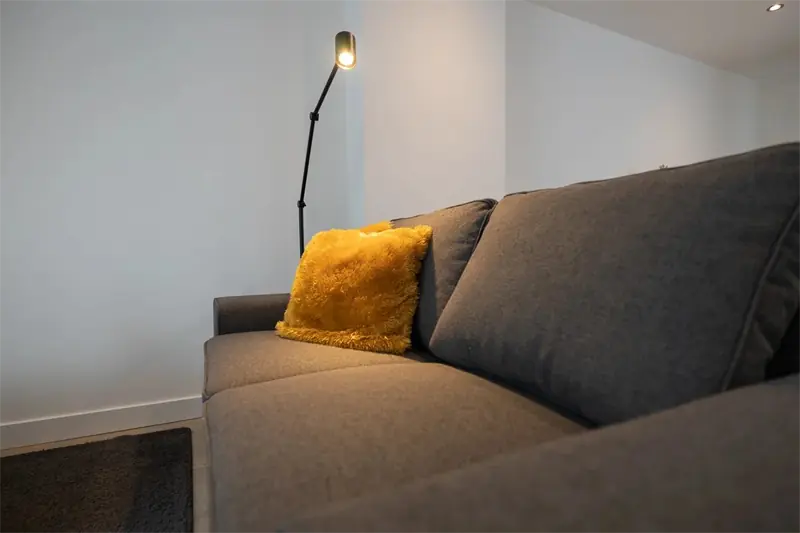
€1,660.00 / month

€1,605.00 / month
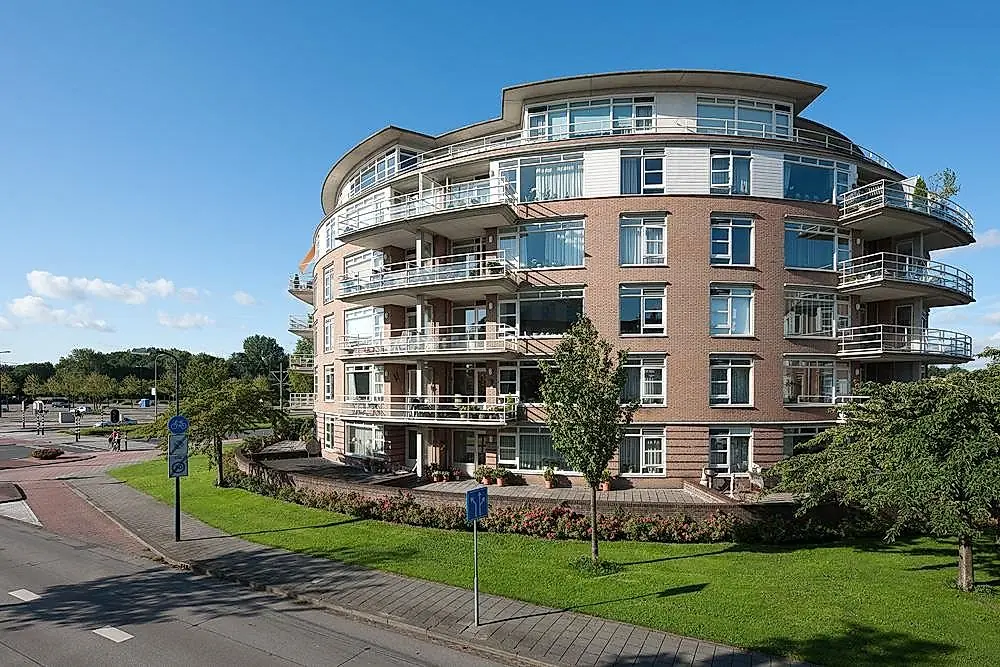
€1,953.00 / month
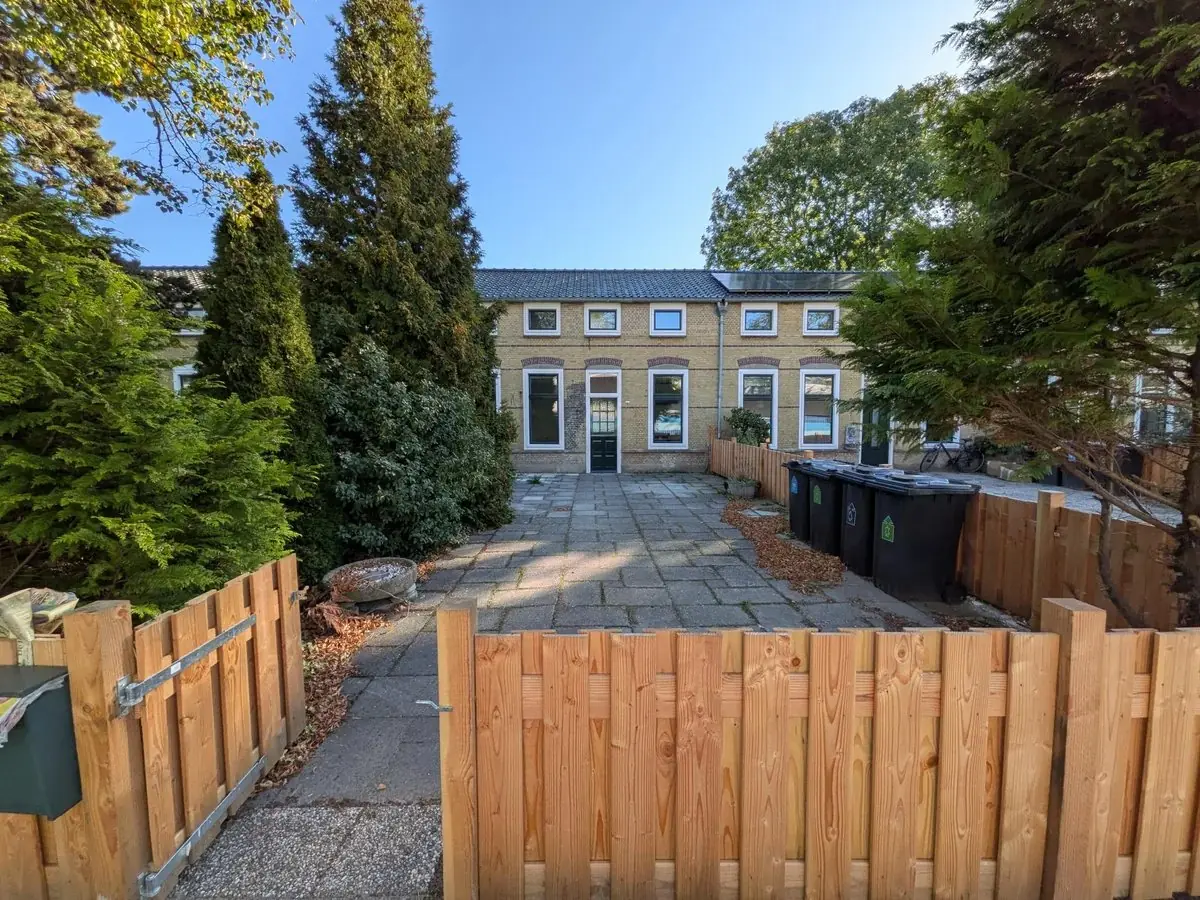
€1,600.00 / month
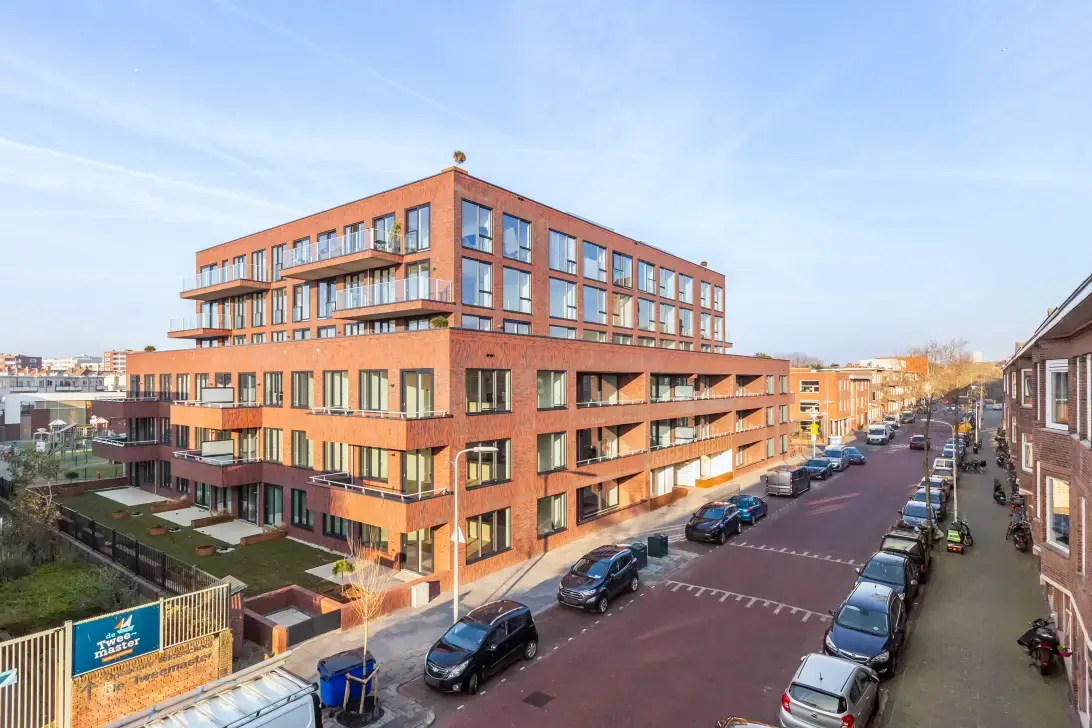
€1,875.00 / month
€1,500.00 / month

€1,401.00 / month
€2,000.00 / month

€1,860.00 / month
€1,044.00 / month