
Compare platforms
Read structured comparisons of the platforms renters weigh against each other most often.
See comparisonsExplore a full breakdown of Kamernet, Ad Hoc and see how each rental platform performs across key features, pricing, and usability. Our detailed comparison highlights the strengths and trade-offs so you can easily spot what really matters for your search. Whether you’re after transparency, convenience, or better deals, this side-by-side view helps you choose the platform that fits your renting needs best.
Discover how Kamernet, Ad Hoc compare within the Dutch rental market, including features, pricing, and ease of use. This overview gives you the essential insights to decide which platform offers the best fit for your housing search in the Netherlands.
This article compares Kamernet and Ad Hoc — two distinct Dutch rental platforms serving students, young professionals and expats. Whether you want to find housing in Amsterdam, look for Rotterdam rentals, or search student housing in Utrecht, understanding the differences in coverage, fee models, verification and tools helps you decide where to look first. This comparison is aimed at renters who want reliable, actionable guidance: expats relocating to the Netherlands, students searching for a room, and professionals seeking short- or long-term apartments.
Kamernet is an aggregator and marketplace focused on rooms, studios and apartments. Founded in 2000 and now part of HousingAnywhere, Kamernet reports around 7,000 new listings per month and covers major student and university cities (Amsterdam, Rotterdam, Utrecht, Groningen, The Hague, Eindhoven, Maastricht and Nijmegen). That volume and the focus on shared accommodation make Kamernet one of the first stops for those looking for student housing Netherlands or shared apartments in city centres.
Ad Hoc operates differently: it is a first-party vacancy manager that specializes in anti-squat and temporary letting. Founded in 1990, Ad Hoc’s inventory changes with redevelopment cycles and is often in unconventional properties. Coverage is nationwide with a focus on larger cities (Amsterdam, Rotterdam, The Hague, Utrecht, Eindhoven), but availability is tied to property owners’ redevelopment timelines rather than continuous marketplace listings.
Why it matters: Kamernet offers breadth and frequent refreshes of apartments for rent, rooms and studios — great for comparing many options. Ad Hoc can provide lower-cost, temporary solutions not found on mainstream rental sites, but supply is irregular and condition varies.
If you need to find housing in Amsterdam quickly, Kamernet’s steady flow of new listings is useful. If you’re flexible about property condition and want lower rent for short-term living, compare Kamernet vs Ad Hoc in Amsterdam to see whether Ad Hoc placements match your timeline.
Kamernet: Browsing is free, but contacting landlords is subscription-gated (Contact Gated). In practice this means you can search and set alerts for free, but to message hosts and apply directly you must subscribe. The subscription model is common among specialized room platforms and suits users who are actively applying to multiple listings.
Ad Hoc: Operates more like a provider than a marketplace. The platform allows browsing and intake; after a successful intake, joining the waiting list typically costs €30. Contracts include deposit (borg), a fire-safety kit fee and the first month’s rent; standard notice periods are short (28 days). Ad Hoc uses an Apply Gated/pay-per-use model tied to intake and placement rather than ongoing messaging subscriptions.
Practical impact: If you want to message many landlords across listings, Kamernet’s subscription is worth it for volume applicants. If you’re okay with a one-time registration fee and flexible short-term stay, Ad Hoc’s lower-cost routes can be compelling — but expect additional upfront payments on placement.
Kamernet’s feature set emphasizes search and alerts for students and expats. Key tools include customizable alerts, robust filters for rooms, studios and apartments, and daily screening to improve listing quality. Kamernet also supports multilingual usage (Dutch and English), which is essential for expat housing Netherlands searches.
Ad Hoc offers a ‘Mijn Ad Hoc’ portal for registered residents to manage their documents and contracts. The platform’s intake process screens candidates and sometimes requires a ‘voordrager’ (sponsor) for anti-squat placements. Ad Hoc focuses less on advanced search UI and more on the operational flow of temporary housing — intake, waiting lists, placement and contract administration.
What renters often care about:
Kamernet maintains daily manual screening of listings and has verified listings flagged, which raises confidence in ad quality and reduces scams — important for expats and students unfamiliar with local rental norms. The platform’s regular rental reports (huurprijs reports) also suggest a level of data transparency and internal analytics.
Ad Hoc’s listings are first-party because Ad Hoc manages the properties for owners. That direct relationship means listing accuracy (contract terms, notice period, eligibility) is typically clearer, but building condition can vary with redevelopment status. Ad Hoc applies intake checks, eligibility criteria and document verification for candidates.
Why this matters: For renters worried about scams and misrepresented properties, Kamernet’s verification plus volume of listings is an advantage. For those who prefer the clarity of a provider-managed contract and are comfortable with temporary arrangements, Ad Hoc offers direct accountability though variable property conditions.
Kamernet is best for: students, young professionals, and expats seeking shared housing, studios or small apartments across major Dutch cities. If you need to find housing in Amsterdam or Utrecht quickly, Kamernet’s high listing volume and alerts make it one of the best rental websites Netherlands for expats and students.
Ad Hoc is best for: flexible renters who accept short-term, low-cost placements (anti-squat/temporary lettings), including students and young professionals willing to trade some comfort for lower rent. Families and tenants seeking long-term, fully restored homes are less likely to find ideal matches through Ad Hoc.
Both: If you’re time-sensitive, use Kamernet to cast a wide net and Ad Hoc as a fallback for low-cost, temporary options in your city search.
Kamernet
Ad Hoc
Choose Kamernet if:
Choose Ad Hoc if:
A practical approach for many: start broad on Kamernet to identify neighbourhoods and price ranges, then apply where possible; simultaneously register with Ad Hoc as a contingency for faster, low-cost placement.
Kamernet and Ad Hoc serve complementary roles in the Dutch rental ecosystem. For renters who want to find housing in Amsterdam or compare Pararius alternatives and mainstream platforms, Kamernet’s volume, screening and alerts make it a top pick among rental sites Netherlands. Ad Hoc fills a niche for temporary and affordable placements that mainstream platforms rarely surface.
Long-tail search help: If you’re trying to compare Kamernet vs Ad Hoc in Amsterdam specifically, use Kamernet to map active market rents and neighbourhood availability, and keep Ad Hoc in mind for last-minute or low-cost placements.
This comparison should help you decide whether to lead with Kamernet or pursue Ad Hoc as a complementary route. Both platforms are widely used within Dutch student cities and offer practical paths to secure rentals depending on your priorities.
Table of Contents
Access rules decide as much as inventory. Filter the directory by provider type and housing segment, read a side-by-side comparison, or start from the city you want to live in.
Read structured comparisons of the platforms renters weigh against each other most often.
See comparisonsFilter every profiled platform by provider type, housing segment, city and access model.
Search platformsSee which providers actually cover Amsterdam, Rotterdam, Utrecht and the rest of the country.
Browse citiesA detailed comparison table showing how Kamernet, Ad Hoc stack up across key features, pricing models, and usability factors to help you choose the best rental platform in the Netherlands.
Explore additional side-by-side comparisons of popular rental platforms in the Netherlands to discover the best choices for your apartment or housing search. Each comparison dives into features, pricing, and user experience, giving you the insights you need to make a confident decision in the Dutch rental market.
Explore the latest properties added to Luntero. Find new apartments, houses, and studios across the Netherlands — updated daily to help you discover your next home faster.
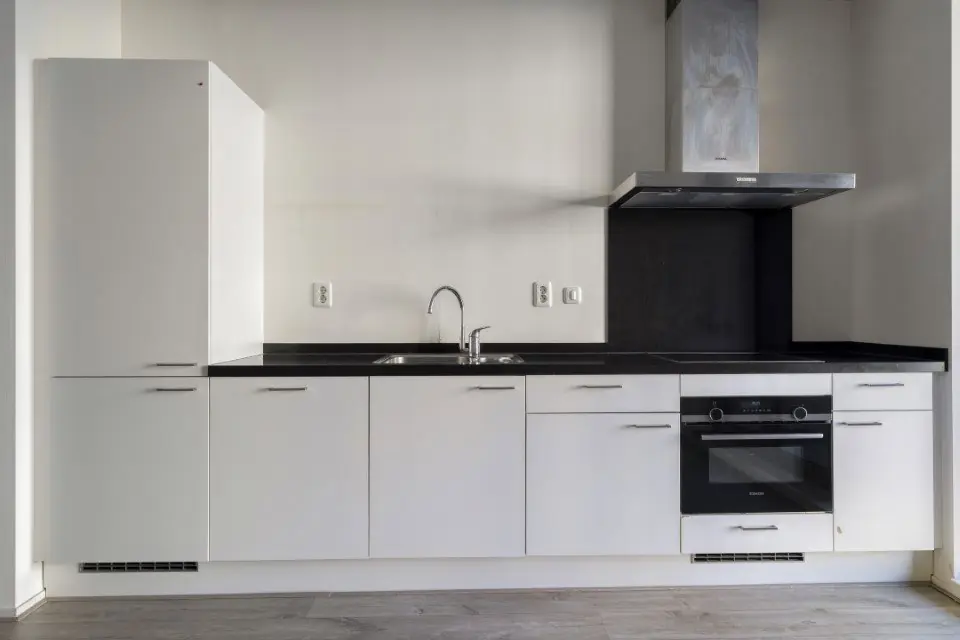
€1,680.00 / month
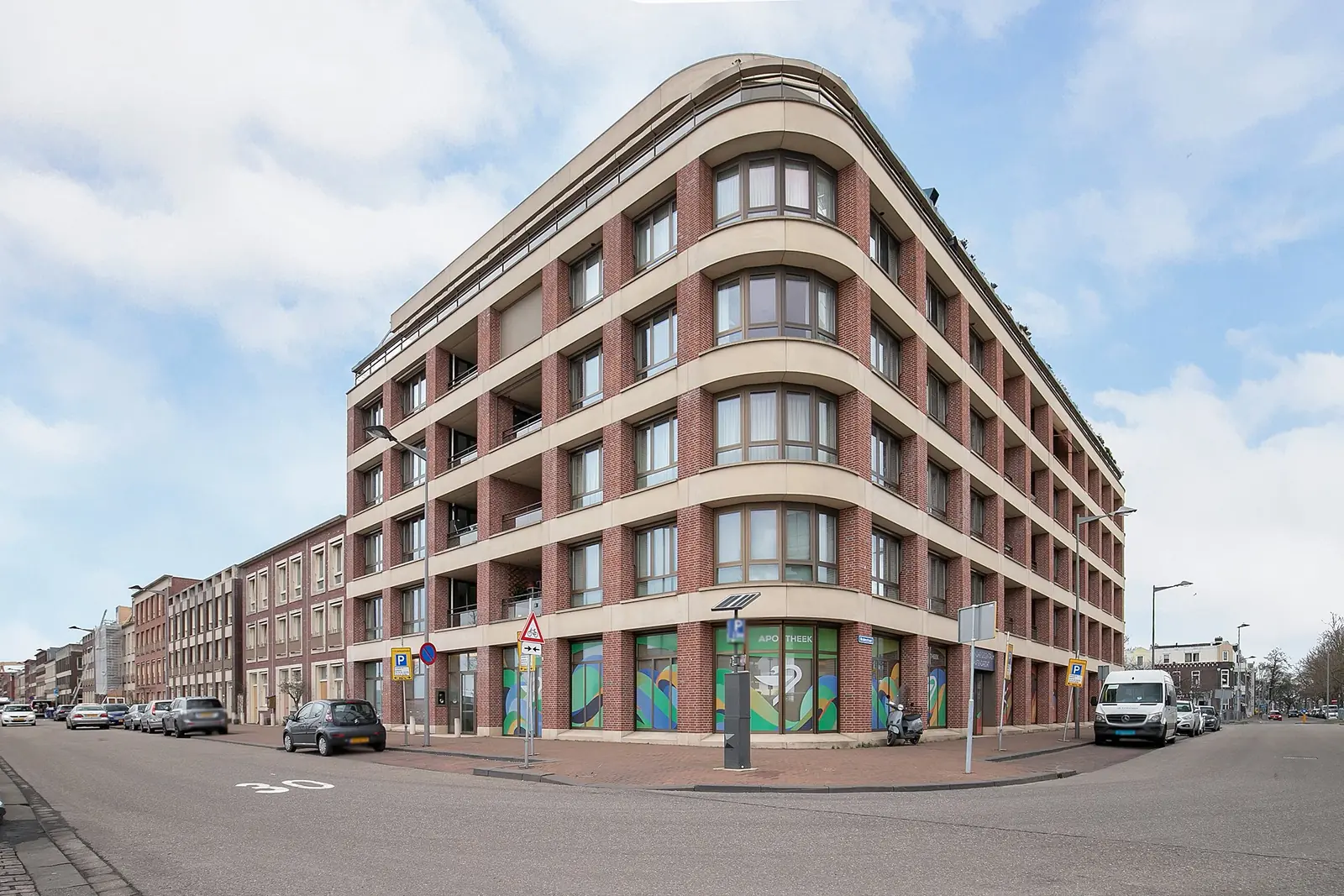
€1,650.00 / month
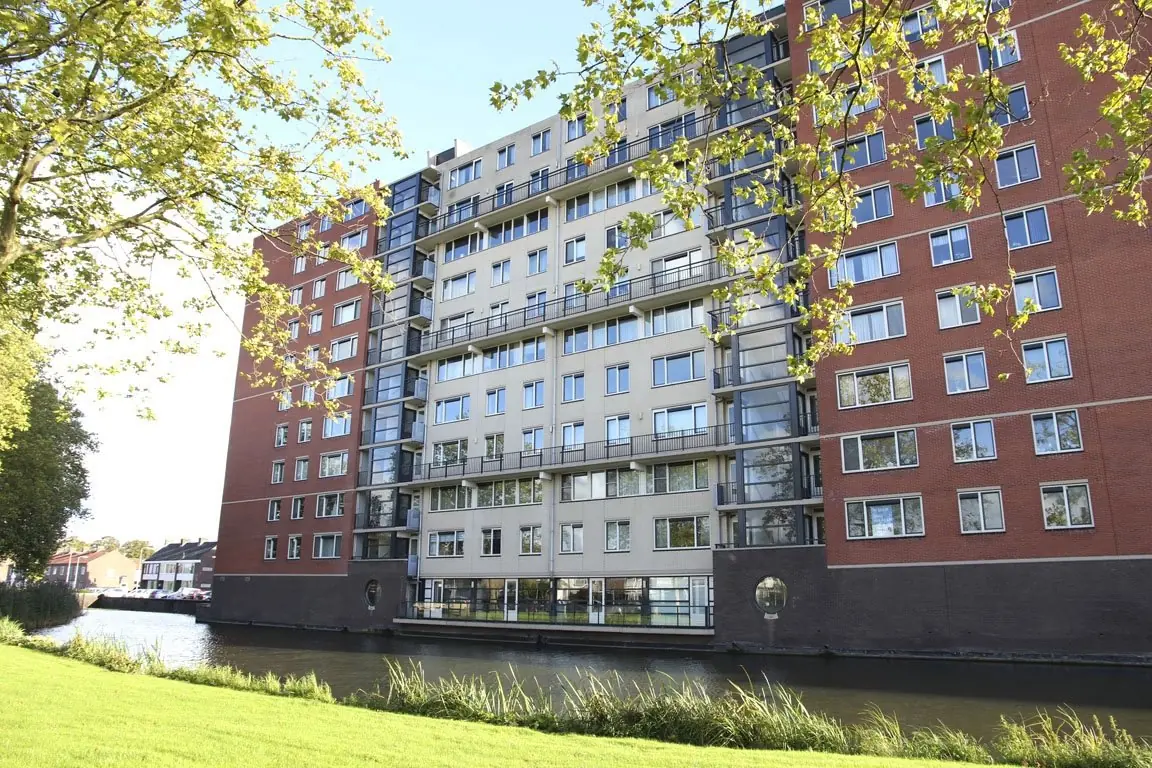
€1,620.00 / month
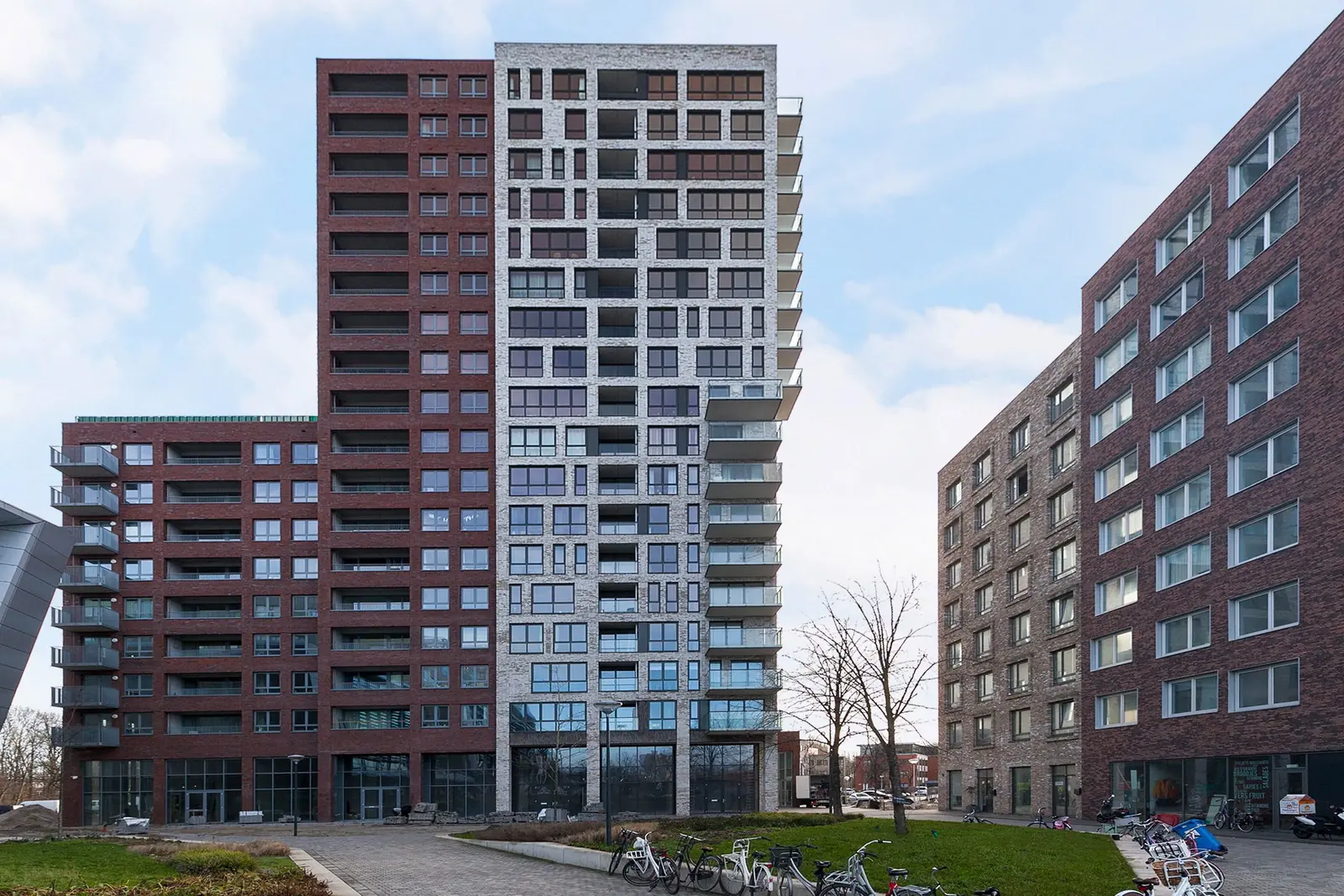
€1,730.00 / month
€690.00 / month

€763.00 / month

€1,300.00 / month

€2,995.00 / month

€2,750.00 / month
€1,580.00 / month
€995.00 / month
€1,535.00 / month