
Compare platforms
Read structured comparisons of the platforms renters weigh against each other most often.
See comparisonsExplore a full breakdown of Kamernet, Huizenvinder and see how each rental platform performs across key features, pricing, and usability. Our detailed comparison highlights the strengths and trade-offs so you can easily spot what really matters for your search. Whether you’re after transparency, convenience, or better deals, this side-by-side view helps you choose the platform that fits your renting needs best.
Discover how Kamernet, Huizenvinder compare within the Dutch rental market, including features, pricing, and ease of use. This overview gives you the essential insights to decide which platform offers the best fit for your housing search in the Netherlands.
Searching for Amsterdam apartments, Rotterdam rentals or student housing Netherlands-wide brings renters to a handful of repeat platforms. Two widely used names are Kamernet and Huizenvinder. This comparison evaluates their positioning, coverage, pricing, search tools, data quality, and who should use each service. Whether you are an expat hunting for long-term housing, a student seeking a room or a young professional looking for a studio, this guide helps you decide which rental site to prioritize and how to combine them to find a home faster.
Both platforms target the Netherlands broadly, but their inventory and emphasis differ.
Kamernet: Founded in 2000 and now part of HousingAnywhere, Kamernet focuses on rooms, studios and apartments and publishes roughly 7,000 new rental listings per month. It has strong reach in student and metropolitan cities: Amsterdam, Rotterdam, Utrecht, Groningen, The Hague, Eindhoven, Maastricht and Nijmegen. Because Kamernet targets students, young professionals and expats, its feed is dense with shared housing and studio options as well as smaller apartments.
Huizenvinder: Launched in 2008, Huizenvinder aggregates from many sources and maintains a nationwide feed that includes rooms, studios, apartments, houses, short-term and student housing. Its active listing pool (reported around 2,642 items in the supplied data) focuses on major provinces like Noord-Holland, Zuid-Holland, Utrecht and Noord-Brabant, with dedicated city landing pages for Amsterdam apartments, Rotterdam and The Hague.
Why this matters: If your search is concentrated on student rooms or high-turnover studio markets (Amsterdam, Groningen), Kamernet’s volume and cadence (thousands of new ads monthly) improve odds of finding fresh leads. If you want a single aggregated inbox that mixes sources and housing types (including houses and short-term offers), Huizenvinder’s aggregator model is useful—but expect some duplication and variable freshness.
Paywalls and contact gating strongly influence user experience and speed in a competitive rental market.
Kamernet: Browsing is free, but contacting landlords (messaging, applying) is contact-gated behind a subscription. The platform operates a subscription pricing model; exact fees typically surface during signup. For many renters, that paywall is an accepted trade-off for high-volume, daily-screened listings and direct contact to landlords or agencies.
Huizenvinder: Operates on a freemium model. Browsing and creating basic alerts are free; premium features and certain contact flows may require payment. The data indicates a Premium tier priced at €29.95/month (as of the provided snapshot). Huizenvinder often requires an account and may surface subscription prompts during contact/apply flows.
Practical guidance: If you can’t afford multiple subscriptions, prioritize based on the city and property type you target. For students in Amsterdam or Groningen, paying for Kamernet access may be worthwhile because of volume and vetting; if you’re casting a wide net across provinces and want alerts from many sources, try Huizenvinder’s free tier first and upgrade only if the premium features clearly speed your search.
Renters care most about fast alerts, good filters (neighbourhood, property type, pets, deposits), and the ability to verify or shortlist options quickly.
Kamernet features:
Huizenvinder features:
Missing advanced map features: Neither platform in the dataset explicitly advertises advanced map isochrones or commute-distance isochrones. If commute time mapping, POIs (schools, transit), or interactive isochrone travel-time filters are crucial to you, look for platforms that advertise map-based commuting tools or combine these portals with external mapping resources.
Data freshness and verification practices determine how much time you’ll waste on ghost or stale ads.
Kamernet: Notes daily manual screening and explicitly marks having verified listings. The platform’s practice of manual daily checks and consistent volume of new listings (7,000/month) suggests high turnover but also a higher relative chance that listings are current. As a long-running, brand-name platform, Kamernet also produces rental market reports using its data.
Huizenvinder: Aggregates across landlords, agencies and social feeds which increases breadth but can introduce duplicates and variable data quality. Huizenvinder does show verified-landlord badges on some ads, but aggregated content requires cross-checking against the original agency page to confirm current availability.
Why this matters: Aggregators are excellent for breadth; first-party or marketplace platforms with active moderation reduce wasted time. Always cross-verify addresses and timestamps, and when in doubt, contact the landlord or agency via the original posting channel before booking viewings.
Small UX differences impact conversion speed when renting in competitive markets.
Login and contact gating:
Languages:
Alerts and speed:
Targeting the right tool for your profile saves time.
Students and young professionals: Kamernet is frequently the better first stop for student rooms and studio hunting, especially in Amsterdam, Groningen and Utrecht where turnover is high. The platform’s focus and volume increase the chance of finding a good match quickly.
Expats seeking long-term apartments in Amsterdam or Rotterdam: Both platforms can help, but combine them. Kamernet for steady streams of studios and apartments; Huizenvinder to capture listings posted on smaller agency sites or social feeds.
Families and people needing houses or short-term rentals: Huizenvinder’s inclusion of houses and short-term categories makes it the more likely single-stop aggregator for these needs.
Short-term vs long-term: Huizenvinder lists short-term offers explicitly; Kamernet skews toward longer-term student and professional lets, though short-term options appear there as well.
Kamernet
Huizenvinder
How to act efficiently in a fast market:
If your goal is to find housing in Amsterdam quickly, a blended approach is sensible: monitor Kamernet for fresh student and studio listings, and run Huizenvinder’s aggregator alerts to catch copies and small-agency posts. This strategy reduces the chance of missing a good lead.
Kamernet and Huizenvinder serve overlapping but distinct roles in the Dutch rental ecosystem. Kamernet’s strengths are volume, daily screening and an audience-focused feed for students and young professionals. Huizenvinder’s strength is aggregation across sources and a broader property mix that includes houses and short-term lets.
For many renters, the best tactic is not choosing one platform exclusively but combining them strategically: subscribe or prioritize the platform most aligned with your core needs (Kamernet for student-heavy, high-turnover markets; Huizenvinder for national breadth and mixed property types), set highly targeted alerts, and keep a renter dossier ready so you can act the moment a suitable listing appears.
Long-tail search phrase example used naturally: If you want to compare Kamernet vs Huizenvinder in Amsterdam, set identical alerts on both for the same neighbourhood and then track which platform surfaces faster or more accurate listings for your budget.
This comparison should help you find apartments for rent, rooms and studios faster while avoiding common pitfalls like stale ads, duplicate posts or surprise subscription fees. Good luck with your search—preparation and speed are the two most reliable advantages in the Netherlands’ competitive rental market.
Table of Contents
Access rules decide as much as inventory. Filter the directory by provider type and housing segment, read a side-by-side comparison, or start from the city you want to live in.
Read structured comparisons of the platforms renters weigh against each other most often.
See comparisonsFilter every profiled platform by provider type, housing segment, city and access model.
Search platformsSee which providers actually cover Amsterdam, Rotterdam, Utrecht and the rest of the country.
Browse citiesA detailed comparison table showing how Kamernet, Huizenvinder stack up across key features, pricing models, and usability factors to help you choose the best rental platform in the Netherlands.
Explore additional side-by-side comparisons of popular rental platforms in the Netherlands to discover the best choices for your apartment or housing search. Each comparison dives into features, pricing, and user experience, giving you the insights you need to make a confident decision in the Dutch rental market.
Explore the latest properties added to Luntero. Find new apartments, houses, and studios across the Netherlands — updated daily to help you discover your next home faster.
€1,025.00 / month

€1,480.00 / month
€2,270.00 / month
€1,000.00 / month
€2,295.00 / month
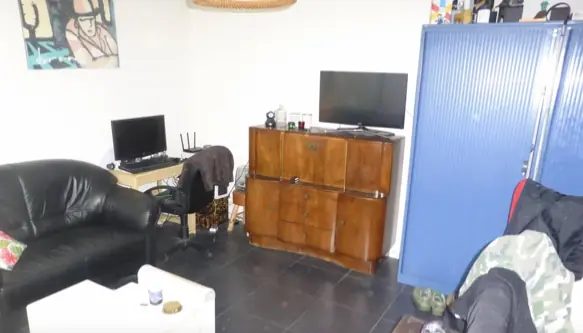
€979.00 / month
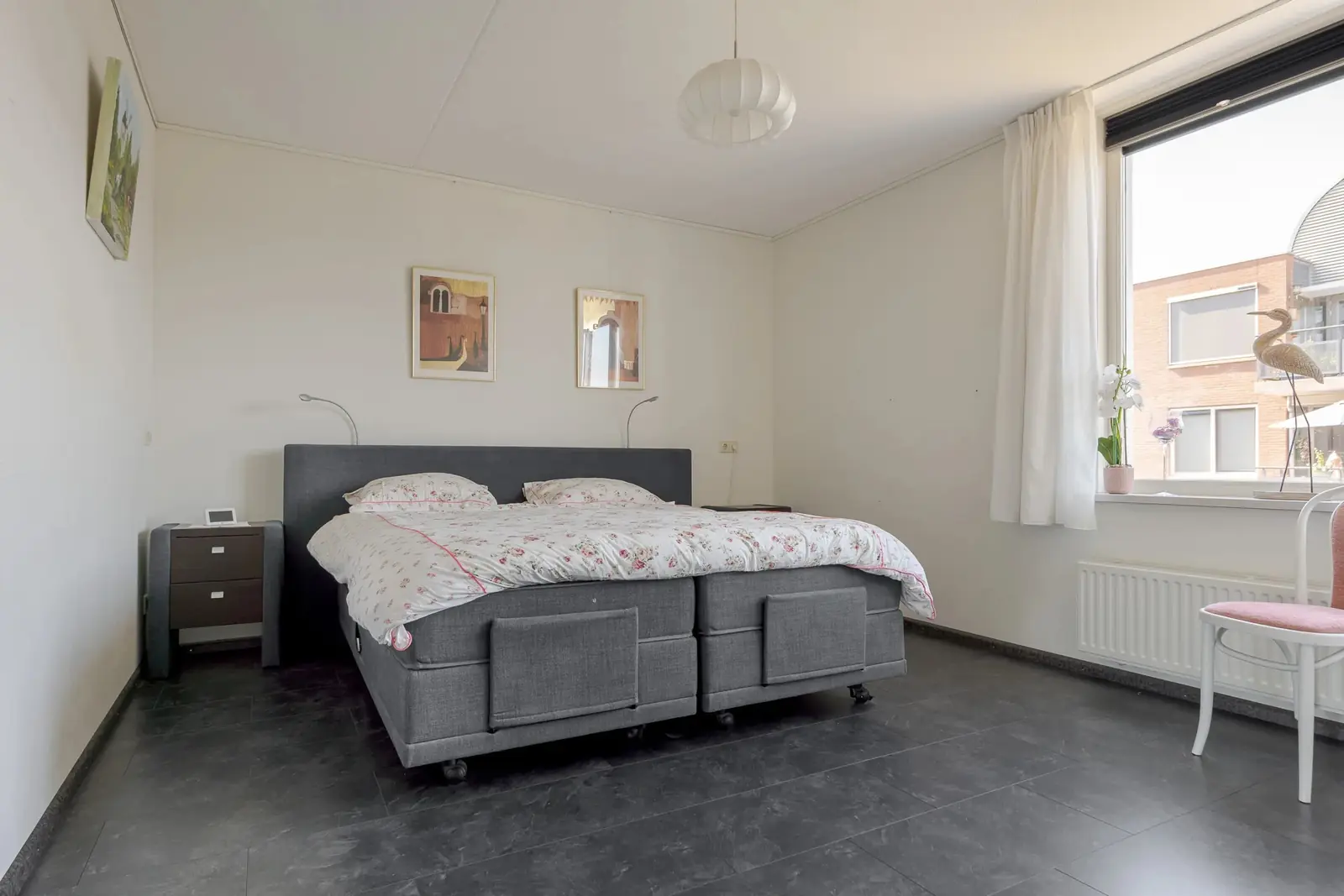
€1,170.00 / month
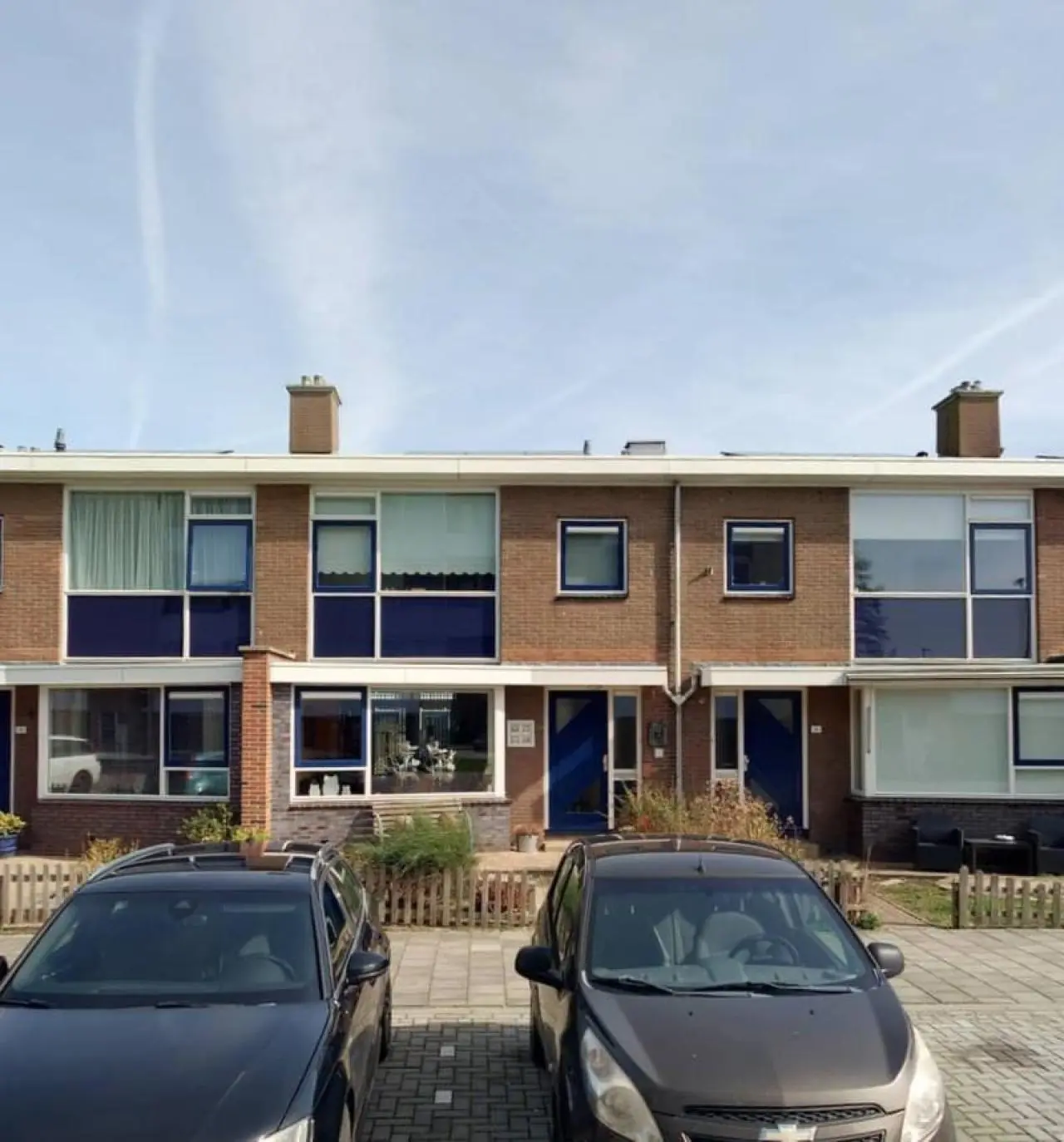
€765.00 / month
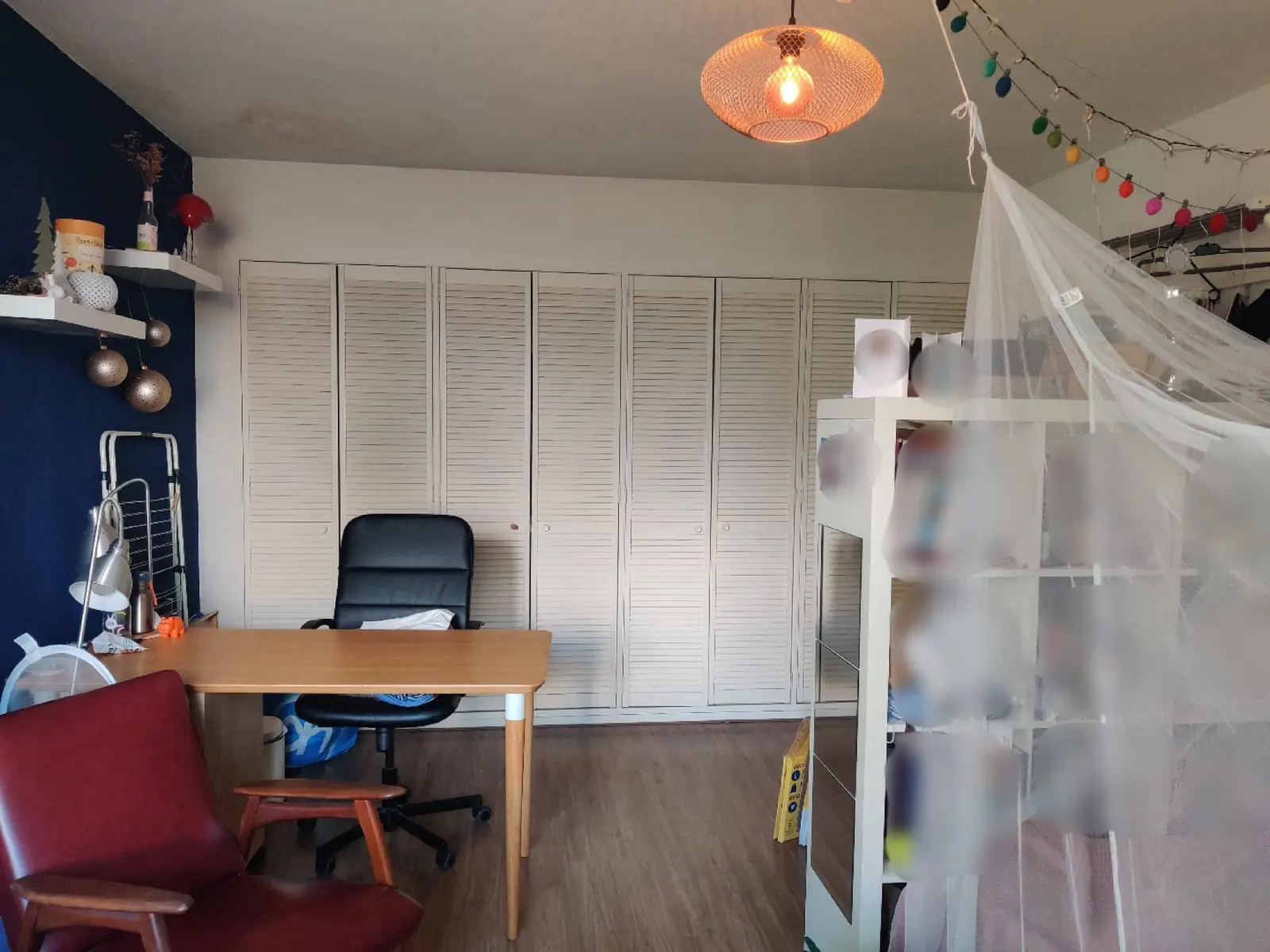
€610.00 / month
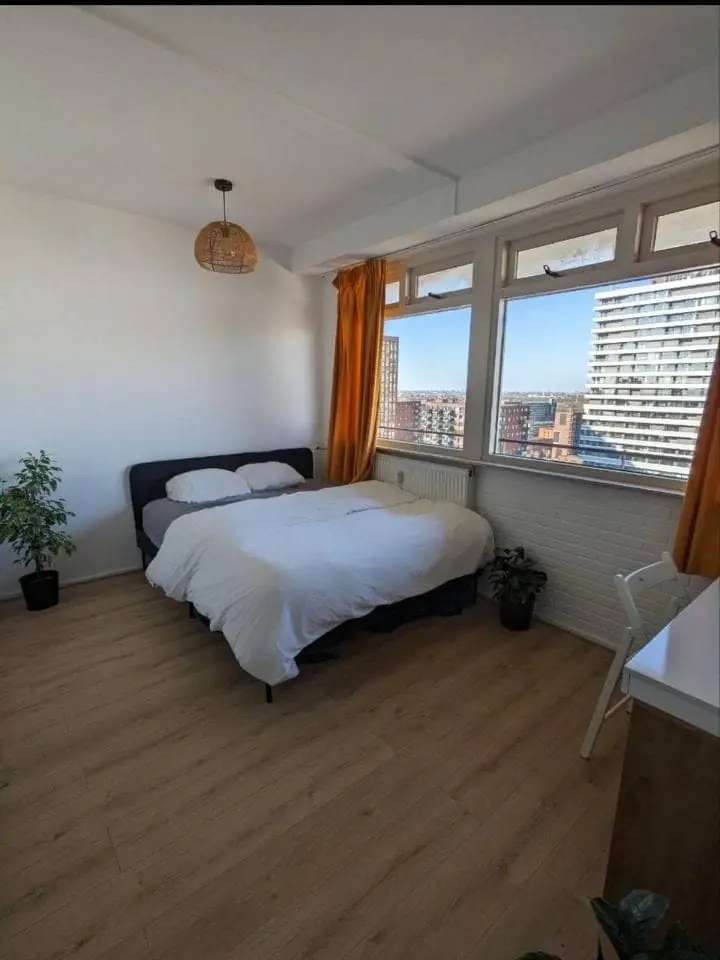
€900.00 / month
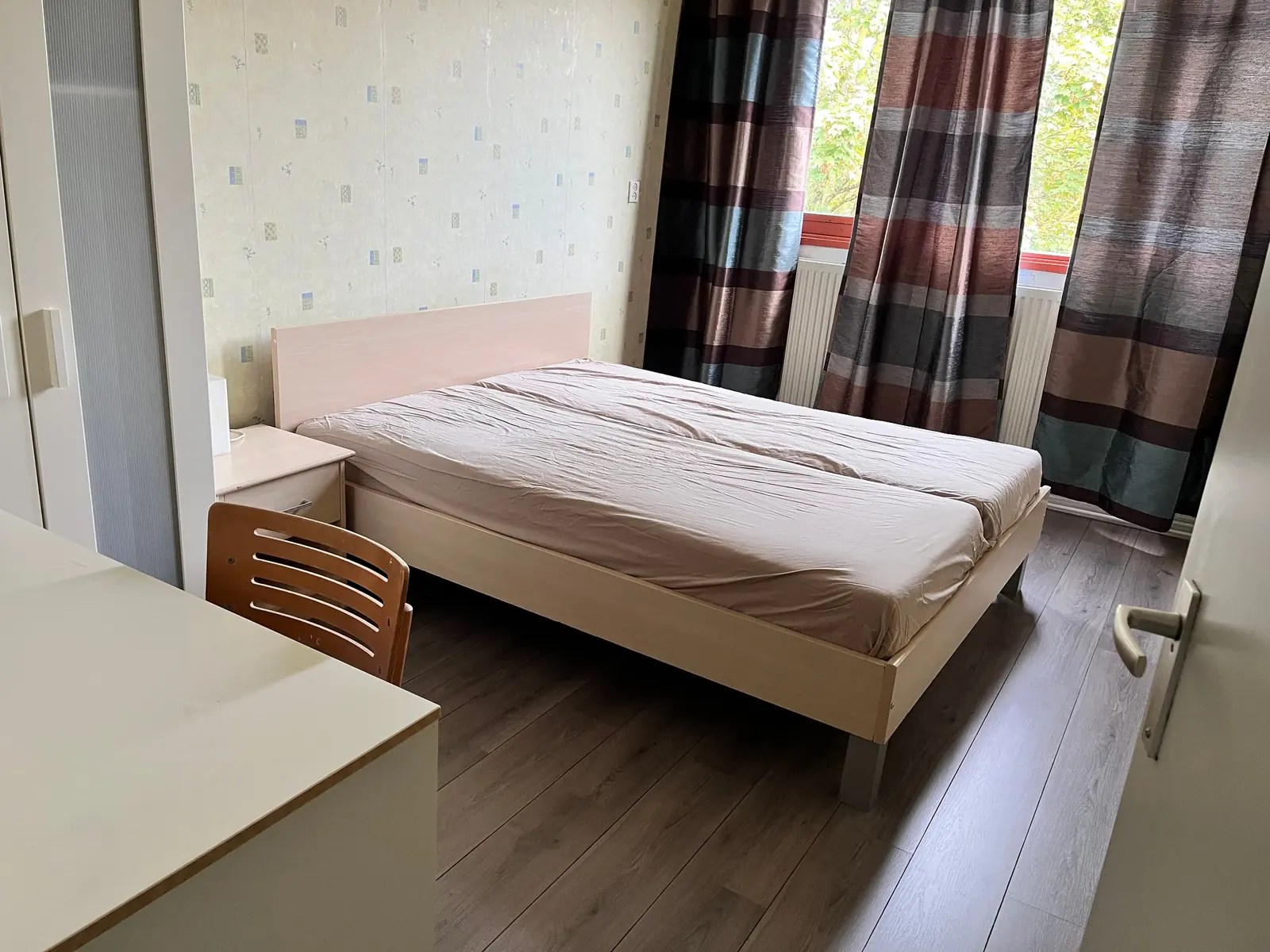
€1,500.00 / month

€750.00 / month