
Compare platforms
Read structured comparisons of the platforms renters weigh against each other most often.
See comparisonsExplore a full breakdown of Huurda, Rentsy and see how each rental platform performs across key features, pricing, and usability. Our detailed comparison highlights the strengths and trade-offs so you can easily spot what really matters for your search. Whether you’re after transparency, convenience, or better deals, this side-by-side view helps you choose the platform that fits your renting needs best.
Discover how Huurda, Rentsy compare within the Dutch rental market, including features, pricing, and ease of use. This overview gives you the essential insights to decide which platform offers the best fit for your housing search in the Netherlands.
Searching for apartments for rent in the Netherlands means balancing coverage, speed, and trust. Huurda and Rentsy are both free, nationwide Dutch rental aggregators that aim to simplify the hunt for rentals, rooms, studios and houses in Amsterdam, Rotterdam, Utrecht, The Hague and beyond. This comparison looks at positioning, inventory, features, pricing models, data quality and who each platform best serves so you can choose the right tool to find housing in Amsterdam and other Dutch cities.
Both Huurda and Rentsy cover the major Dutch cities—Amsterdam, Rotterdam, The Hague, Utrecht and Eindhoven—and list long-term rentals including rooms, studios, apartments and houses. Huurda advertises a smaller but curated feed (around 409 total listings in the provided dataset) and focuses on a nationwide presence with particular strength in provinces like Zuid-Holland, Noord-Holland and Utrecht. Rentsy aggregates broadly from many sources and emphasizes quick scanning across sources rather than hosting exclusive inventory.
Why coverage matters: in competitive markets such as Amsterdam apartments or Rotterdam rentals, seeing all available listings quickly raises your chances of securing viewings. Rentsy’s broad aggregation gives a fast market overview; Huurda’s more modest inventory and free-response model can surface opportunities that other aggregators miss.
A top concern for renters is whether a search platform hides details or requires pay-to-contact. Both Huurda and Rentsy advertise free browsing and free responses for tenants. Huurda explicitly promotes no paywall for renters—searching and responding are free, and the platform monetizes landlord-side advertising. Rentsy is also free to browse and redirects applicants to the original source site for applications, where any fees depend on that site.
Practical difference: with Huurda you can often contact landlords or agents directly without encountering a tenant paywall; with Rentsy you use it primarily as a discovery layer and then apply on the source platform. For expat housing Netherlands searches or student housing Netherlands, free contactability reduces friction and speeds up the application process.
Both platforms intentionally keep interfaces simple, reflecting their aggregator role. Key features to compare:
Where they differ in user experience: Rentsy’s core value is rapid aggregation and redirection to original listings—helpful for a broad market scan. Huurda’s workflow stresses free responses and a bilingual, simple interface with alerts, supporting renters who want immediate contact.
Advanced exploration filters, map isochrones, POIs and commute-based search have become differentiators on modern rental platforms. Neither Huurda nor Rentsy in the provided data claims advanced map isochrone features or integrated points-of-interest (POI) distance tools. That means neither provides out-of-the-box commute distance visualizations or built-in distance-to-POI filters—useful for job commuters in Amsterdam or families prioritizing schools.
If those tools matter to you (for example, to filter by commute time to Schiphol or a specific office), consider supplementing these sites with mapping tools or a platform that advertises isochrone search. For tenants who need detailed commute planning or neighborhood analysis, the lack of advanced map-based filters is an important trade-off.
Aggregators inherit quality variability. Huurda’s model mixes agency and private listings and its dataset shows a modest review sample (4 reviews, score ~2.6). A small number of reviews can indicate inconsistent user experiences; in Huurda’s case reviewers praised free contactability but noted occasional dubious listings. Rentsy repackages listings from original sites and does not host exclusive inventory; its review profile is limited in the available data, meaning reputation largely depends on the underlying source platforms.
Practical guidance for verification:
Both platforms target a mix of students, young professionals, families and expats. Specific recommendations:
Choose Huurda if:
Choose Rentsy if:
Who should combine them: serious renters—expats moving to the Netherlands or students searching Utrecht student rentals—will often use multiple tools. Use Rentsy for discovery and Huurda for any free-contact listings you spot; set alerts on Huurda and check Rentsy daily for new redirects to source listings.
Huurda
Pros:
Cons:
Rentsy
Pros:
Cons:
Use this simple decision tree:
Also consider adding a platform with advanced filters if commute time, POIs and distance-to-work matter. For example, when comparing options in Amsterdam apartments or The Hague apartments, platforms that offer map isochrones and neighborhood POIs can speed decision-making.
Huurda and Rentsy both play useful roles in the rental search stack. Rentsy is the efficient, broad-coverage discovery layer that helps you compare prices and supply across Dutch cities quickly. Huurda adds value by enabling free contact and simple alerts for renters who want to avoid tenant-side paywalls. For expats and students looking for the best rental websites Netherlands options, these platforms are complementary: use Rentsy to scan the market and Huurda to act on free-to-contact listings. If your search requires map-based commute filters, POIs or multilingual advanced search by isochrone, plan to supplement these tools with a platform that lists such features when you compare Pararius vs Luntero or other alternatives in Amsterdam.
Why this matters: combining aggregators and targeted tools reduces missed opportunities while protecting you against fraud and excessive fees. Whether you are trying to find housing in Amsterdam, seeking Utrecht student rentals, or scanning Rotterdam rentals, a multi-tool approach that includes Huurda and Rentsy will raise your chances of finding the right home.
Table of Contents
Access rules decide as much as inventory. Filter the directory by provider type and housing segment, read a side-by-side comparison, or start from the city you want to live in.
Read structured comparisons of the platforms renters weigh against each other most often.
See comparisonsFilter every profiled platform by provider type, housing segment, city and access model.
Search platformsSee which providers actually cover Amsterdam, Rotterdam, Utrecht and the rest of the country.
Browse citiesA detailed comparison table showing how Huurda, Rentsy stack up across key features, pricing models, and usability factors to help you choose the best rental platform in the Netherlands.
Explore additional side-by-side comparisons of popular rental platforms in the Netherlands to discover the best choices for your apartment or housing search. Each comparison dives into features, pricing, and user experience, giving you the insights you need to make a confident decision in the Dutch rental market.
Explore the latest properties added to Luntero. Find new apartments, houses, and studios across the Netherlands — updated daily to help you discover your next home faster.
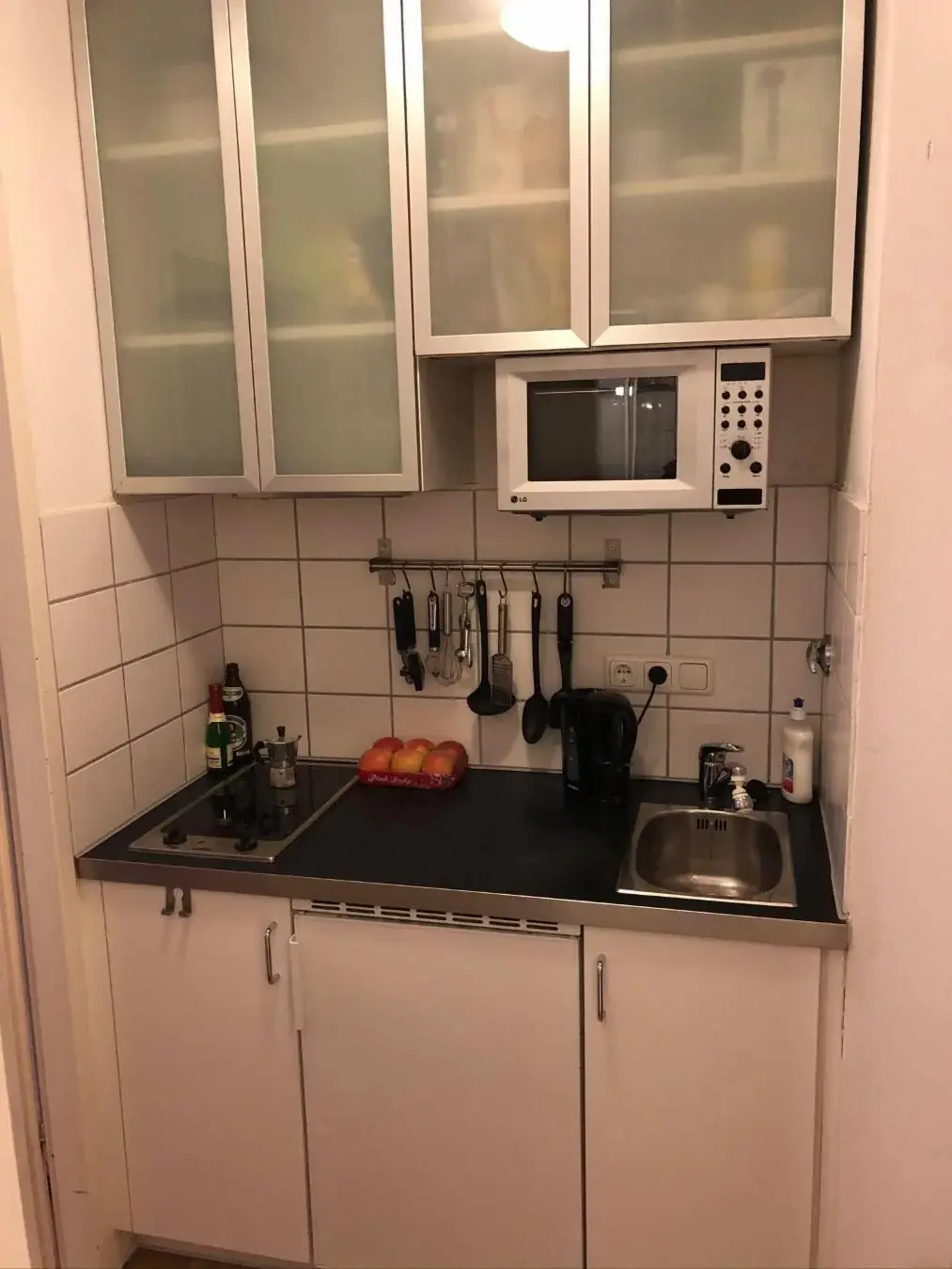
€800.00 / month
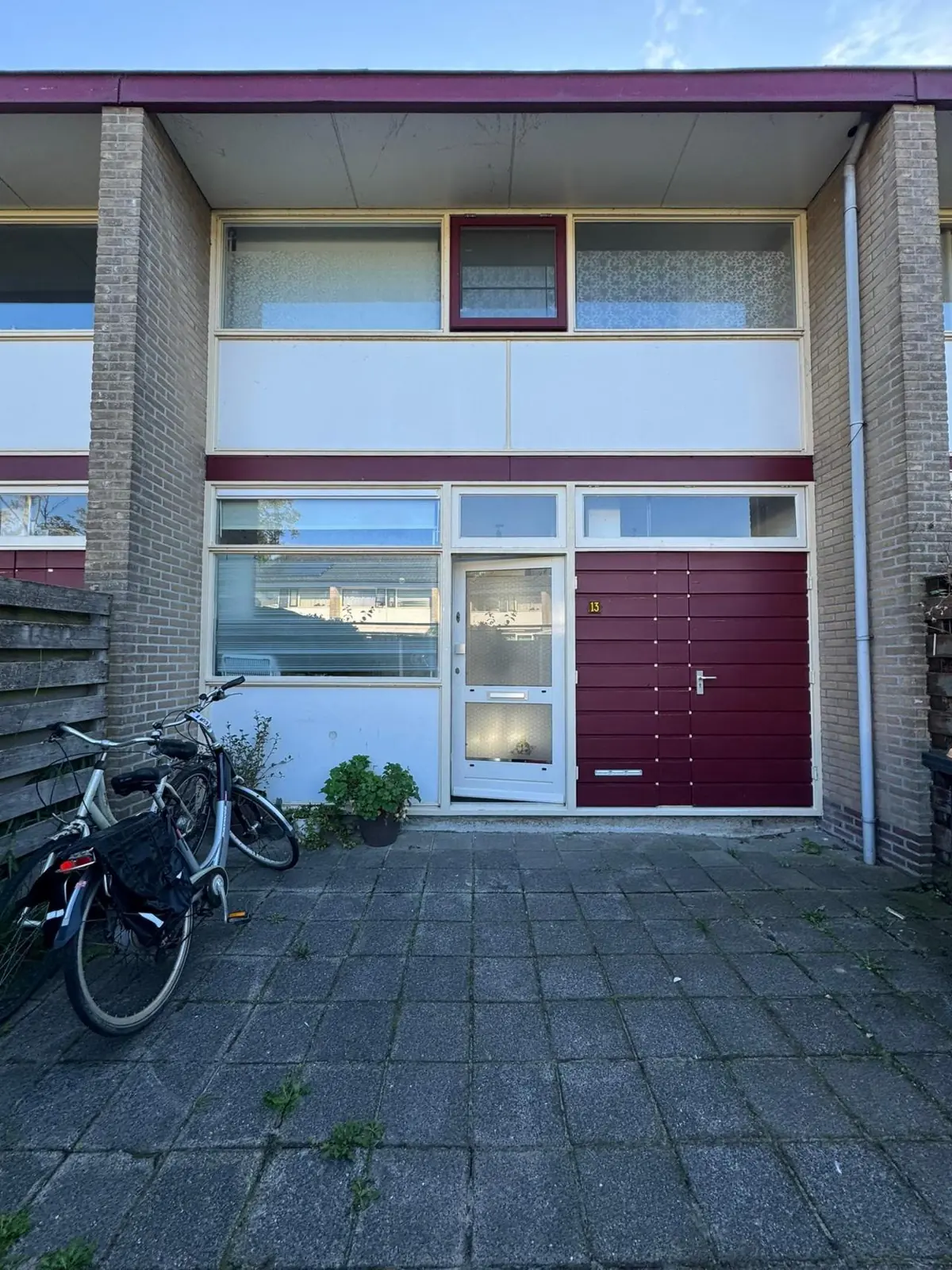
€659.00 / month
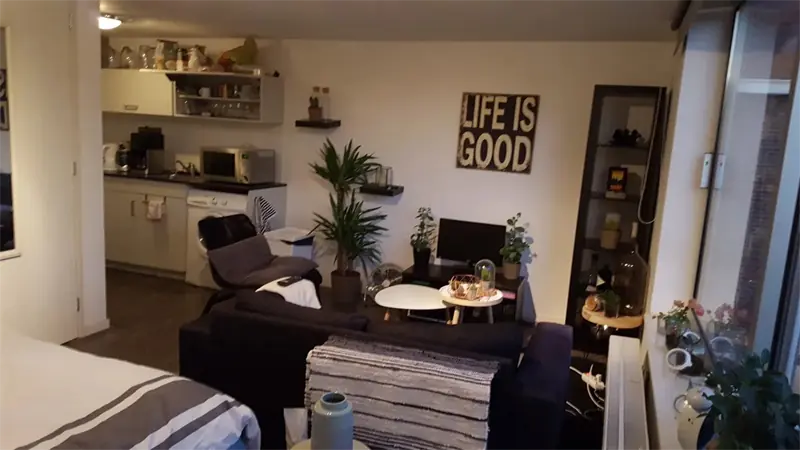
€1,024.00 / month
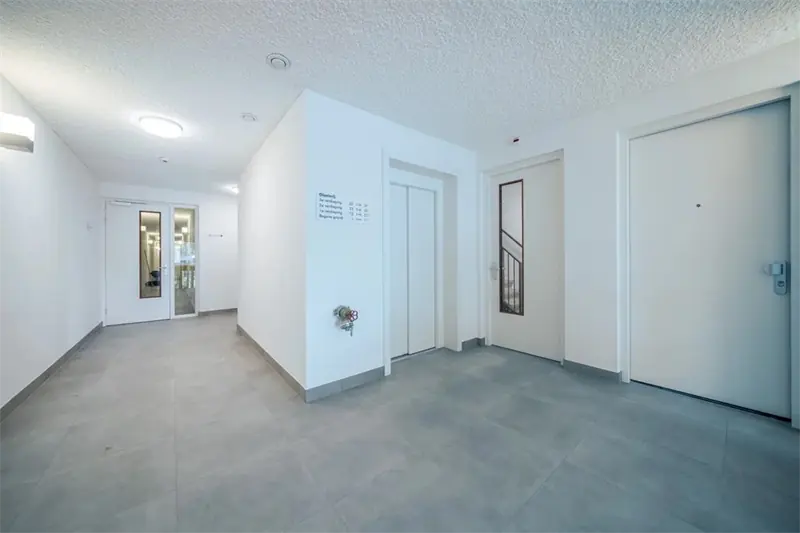
€1,372.00 / month
€2,600.00 / month
€800.00 / month
€1,206.00 / month

€1,295.00 / month
€1,153.00 / month
€2,650.00 / month
€650.00 / month
€675.00 / month