
Compare platforms
Read structured comparisons of the platforms renters weigh against each other most often.
See comparisonsExplore a full breakdown of Huurda, Bergopwaarts and see how each rental platform performs across key features, pricing, and usability. Our detailed comparison highlights the strengths and trade-offs so you can easily spot what really matters for your search. Whether you’re after transparency, convenience, or better deals, this side-by-side view helps you choose the platform that fits your renting needs best.
Discover how Huurda, Bergopwaarts compare within the Dutch rental market, including features, pricing, and ease of use. This overview gives you the essential insights to decide which platform offers the best fit for your housing search in the Netherlands.
Searching for apartments for rent, rooms or student housing in the Netherlands means choosing among a mix of national aggregators and regionally focused providers. This comparison looks closely at Huurda and Bergopwaarts — two very different Dutch rental platforms — to help you decide where to look first when you want to find housing in Amsterdam, Rotterdam, Utrecht, The Hague or the Eindhoven region.
Both platforms serve renters, students and expats, but they operate with distinct business models and coverage. Huurda is an aggregator with nationwide listings and an English interface; Bergopwaarts is a regional service integrated into Wooniezie (Noord‑Brabant) and focuses on regulated and social housing. Below we profile their inventories, paywalls, features, data quality and ideal audiences — and give practical advice about when to use each site during a house hunt.
This article is for renters asking: "Which platform should I use to find a rental in the Netherlands?" and for those who want to compare Huurda vs Bergopwaarts in Amsterdam and the wider country.
Why it matters: Nationwide aggregation is useful when you want to scan multiple cities quickly or compare market supply between Amsterdam apartments and Rotterdam rentals. Aggregators surface duplicates but also capture hard‑to‑find private listings.
Why it matters: Regional portals like Bergopwaarts provide access to regulated supply that will not appear on national aggregators; for renters eligible for social housing, these are often the primary route.
Huurda advertises fully free search and responses with no tenant paywall. Alerts and browsing are available to users in Dutch and English, and the platform’s pricing model is supported by fees charged to landlords or agencies rather than renters. This makes Huurda attractive for budget‑conscious renters — students, expats and young professionals — who want to contact landlords directly without subscription barriers.
Practical note: Free contact lowers friction, but because many listings originate from mixed sources, always confirm the listing on the original agency site before sending personal documents.
Bergopwaarts itself is free to use for browsing through Wooniezie, but applications are gated: you must create an account and follow eligibility rules for social housing (passend toewijzen). There are no paid tiers for renters, but registration and application processes enforce identity and eligibility checks.
Practical note: For regulated homes you’ll need documentation (income proof, household composition), and competition can be high for family homes, so prepare materials in advance.
Both platforms include baseline features such as alerts and search filters, but they differ in sophistication and scope.
Strengths: The free response model and English variant make Huurda a pragmatic first stop for internationals looking to find housing in Amsterdam or other big cities without committing to platform subscriptions.
Strengths: The integration with Wooniezie is valuable for renters seeking regulated housing because it standardizes applications and keeps listings accurate.
Neither Huurda nor Bergopwaarts advertise advanced map isochrones, distance‑to‑POI calculations or AI summaries in the provided dataset. If features like commute isochrones, POI overlays, or multilingual advanced filters are important to you, consider supplementing searches with platforms that offer those tools.
Huurda aggregates both agency and private listings. That mix brings breadth but also variable data quality. The platform’s review snapshot shows a low review volume and an average review score of about 2.6 from 4 reviews — signaling mixed user experiences. Common issues reported include duplicate ads and occasional dubious posts; the platform recommends verifying listings on originating agency sites.
Practical tip: Cross‑check addresses, confirm listing details with the agent, and avoid sending sensitive documents until you meet or verify the landlord.
Bergopwaarts’s listings come from a housing association and are published through Wooniezie, which is an established regional portal. This source link tends to produce more reliable and standardized entries with enforced eligibility requirements. Public review volume is low, but qualitative feedback highlights the portal’s transparency and predictable processes.
Practical tip: Use Bergopwaarts when you qualify for regulated housing; its data reflects formal availability and application rules rather than private advertising.
Why: Huurda’s nationwide aggregation, free response model and English support lower the barrier to entry for internationals.
Why: The portal’s regional concentration and enforced eligibility controls match renters who require predictable social‑housing pathways.
Pros:
Pros:
If you are looking to find housing in Amsterdam, Rotterdam, Utrecht or Eindhoven and you’re an expat or student who wants free contact with landlords, start with Huurda to cast a wide net and receive new‑listing alerts. Use it in combination with larger national portals to broaden your options.
If you are eligible for social housing in the Peel/Helmond area, or your search is specifically in Deurne, Asten, Someren, Helmond or Laarbeek, prioritize Bergopwaarts (via Wooniezie). Its regulated process and queue visibility are essential when applying for social homes.
Use both platforms strategically: Huurda for private and agency listings across cities, Bergopwaarts for regulated regional offers. Cross‑reference any Huurda listing on the original agency page before sharing documents.
For renters who require advanced tools — like commute isochrones, POI overlays or distance‑to‑POI metrics — neither Huurda nor Bergopwaarts advertises these advanced map features in the dataset. In that case, supplement your search with portals that provide integrated maps and commute planning.
Set up targeted alerts: Huurda’s email alerts are useful to catch fresh Amsterdam apartments or Utrecht student rentals. Bergopwaarts notifications through Wooniezie help you react quickly to socially regulated listings.
Prepare documentation: For Bergopwaarts and any social‑housing application, have income statements and identification ready. For private market listings on Huurda, be ready to prove income or references when contacting agencies.
Verify and safeguard personal details: Always confirm the listing on the originating site for Huurda listings and be cautious about early document requests from unknown contacts.
Combine sources: No single platform covers everything. Use aggregators for breadth and regional portals for regulated stock; combine results with local estate agents and municipality resources if needed.
Huurda and Bergopwaarts represent two complementary pathways into the Dutch rental market. Huurda’s nationwide aggregation, bilingual support and free‑response model make it a cost‑effective starting point for internationals searching for Amsterdam apartments, Rotterdam rentals or student housing Netherlands‑wide. Bergopwaarts provides reliable, regional access to regulated homes in Noord‑Brabant via Wooniezie and is indispensable for applicants seeking social or family‑oriented long‑term housing in that region.
Choosing the right platform depends on where you want to live and whether you qualify for regulated housing. For most renters, a mixed approach — using Huurda to scan private and agency supply and Bergopwaarts for local, regulated opportunities — yields the best results.
If your priority is advanced mapping, commute planning, or POI‑based search, add a platform that emphasizes those features to your toolkit. Otherwise, use Huurda for broad searches and Bergopwaarts for regionally governed homes.
Table of Contents
Access rules decide as much as inventory. Filter the directory by provider type and housing segment, read a side-by-side comparison, or start from the city you want to live in.
Read structured comparisons of the platforms renters weigh against each other most often.
See comparisonsFilter every profiled platform by provider type, housing segment, city and access model.
Search platformsSee which providers actually cover Amsterdam, Rotterdam, Utrecht and the rest of the country.
Browse citiesA detailed comparison table showing how Huurda, Bergopwaarts stack up across key features, pricing models, and usability factors to help you choose the best rental platform in the Netherlands.
Explore additional side-by-side comparisons of popular rental platforms in the Netherlands to discover the best choices for your apartment or housing search. Each comparison dives into features, pricing, and user experience, giving you the insights you need to make a confident decision in the Dutch rental market.
Explore the latest properties added to Luntero. Find new apartments, houses, and studios across the Netherlands — updated daily to help you discover your next home faster.
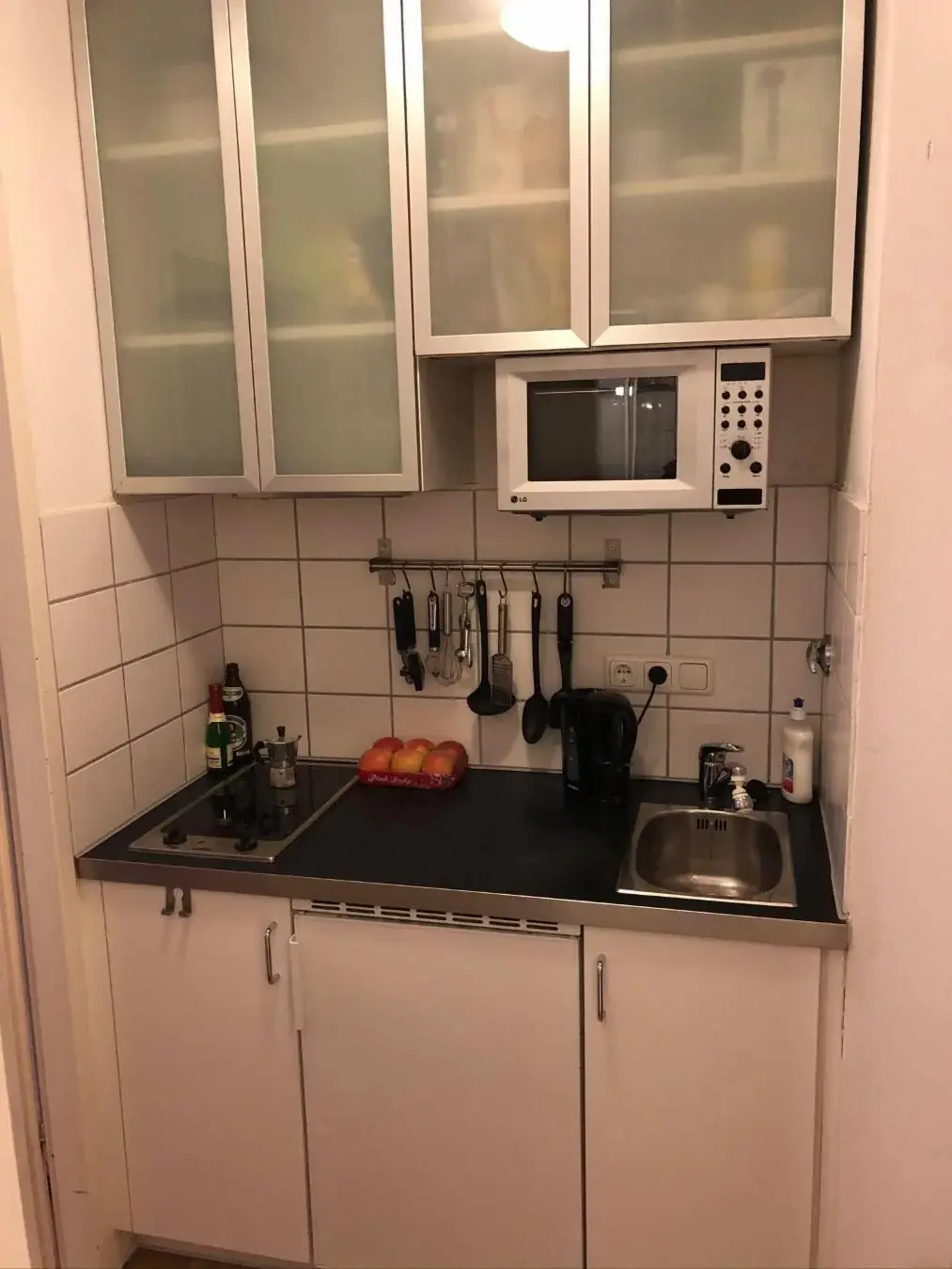
€800.00 / month
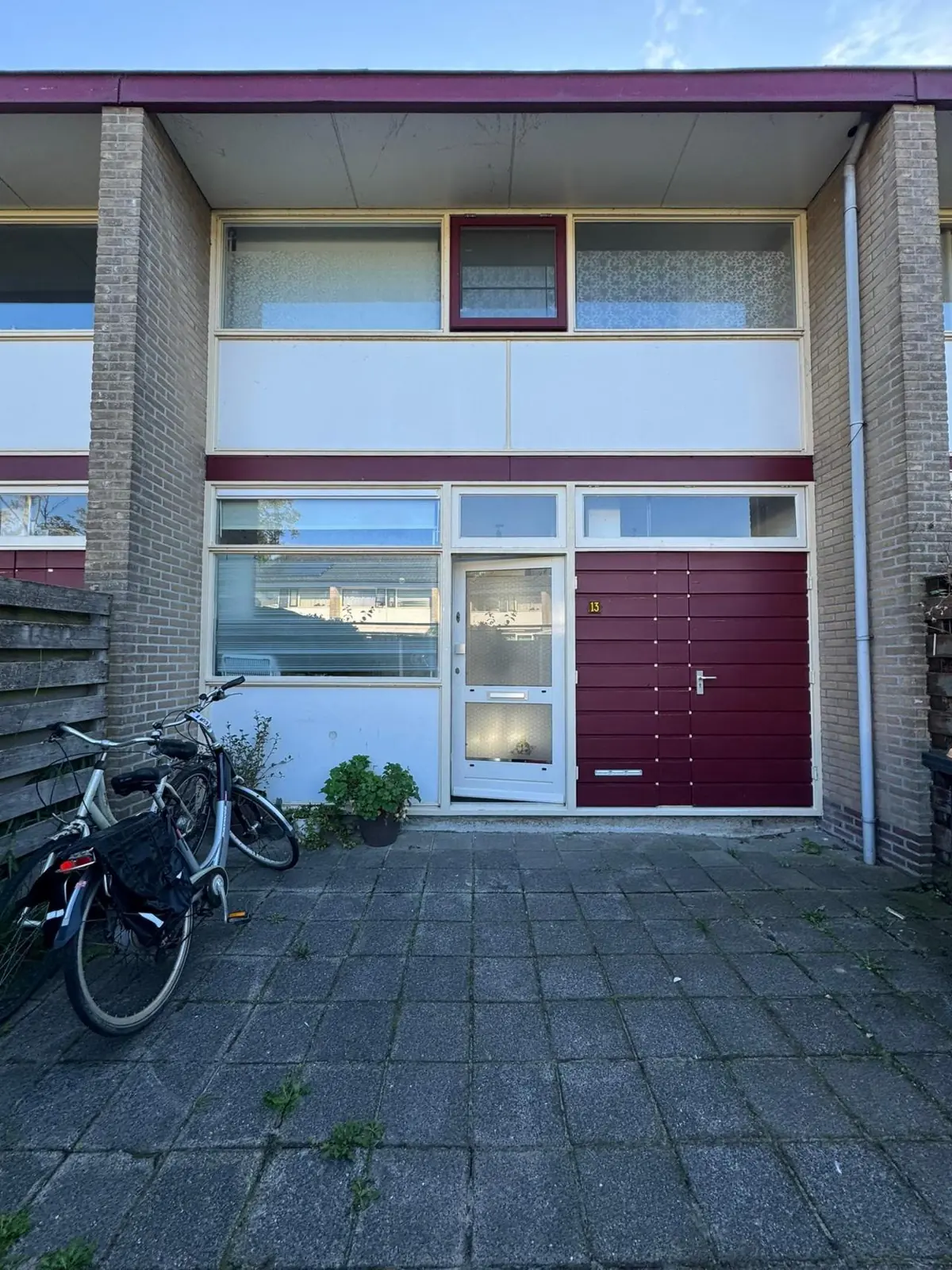
€659.00 / month
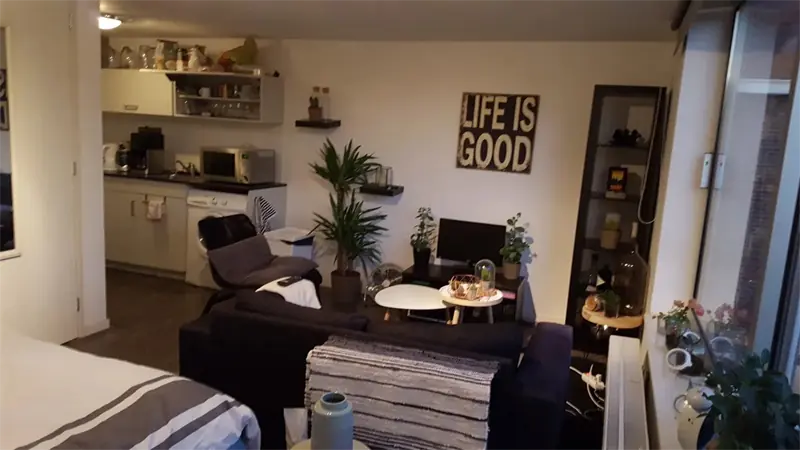
€1,024.00 / month
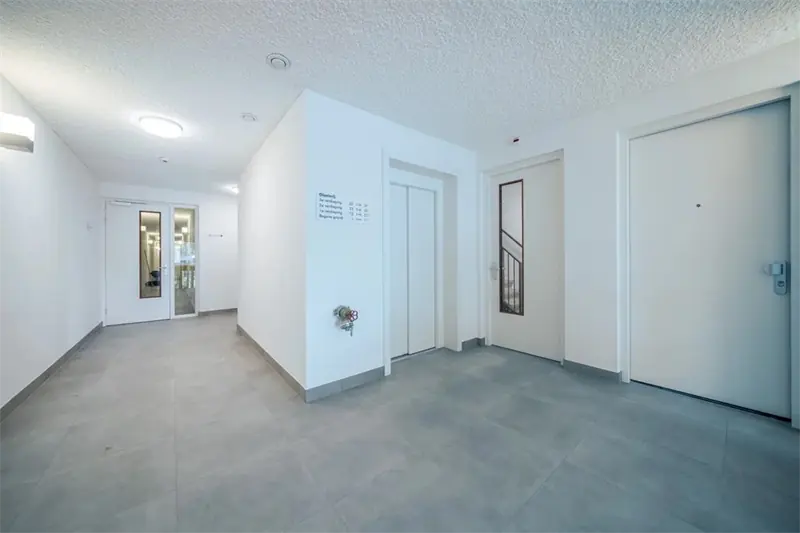
€1,372.00 / month
€2,600.00 / month
€800.00 / month
€1,206.00 / month

€1,295.00 / month
€1,153.00 / month
€2,650.00 / month
€650.00 / month
€675.00 / month