
Compare platforms
Read structured comparisons of the platforms renters weigh against each other most often.
See comparisonsExplore a full breakdown of Ad Hoc, Funda and see how each rental platform performs across key features, pricing, and usability. Our detailed comparison highlights the strengths and trade-offs so you can easily spot what really matters for your search. Whether you’re after transparency, convenience, or better deals, this side-by-side view helps you choose the platform that fits your renting needs best.
Discover how Ad Hoc, Funda compare within the Dutch rental market, including features, pricing, and ease of use. This overview gives you the essential insights to decide which platform offers the best fit for your housing search in the Netherlands.
Searching for apartments for rent in the Netherlands often means choosing between mainstream portals and specialist operators. This comparison looks at Funda and Ad Hoc — two very different Dutch rental platforms — so you can decide where to search for Amsterdam apartments, Rotterdam rentals, Utrecht student housing, or short-term low-cost options.
This guide covers positioning, coverage and inventory, pricing and paywalls, tools and filters, data quality and verification, target audiences (expats, students, families), clear pros and cons, and an actionable decision guide for renters.
Funda operates as a nationwide aggregated marketplace focused on agent-listed apartments, houses and long-term rentals. It lists thousands of properties across major cities including Amsterdam, Rotterdam, Utrecht, The Hague and Eindhoven. According to available data, Funda shows about 3,577 total rental listings with roughly 1,629 new listings per month — a large, regularly refreshed pool for those who want to find housing in Amsterdam or other Dutch cities.
Ad Hoc focuses on anti-squat and temporary letting across the Netherlands, offering rooms, studios, apartments and houses as vacancies become available. It is a first-party manager rather than a broad aggregator: Ad Hoc places residents into owner-managed properties that would otherwise be vacant. Coverage is nationwide but the inventory is driven by redevelopment cycles, so availability fluctuates and suits renters who need flexibility.
Why it matters: Funda gives breadth and predictability for long-term property searches across cities; Ad Hoc offers low-cost, temporary housing often unavailable on mainstream rental sites.
Funda is free to browse and free to contact agents. Creating an account is optional but unlocks saved searches and alerts; there is no renter-facing paywall. That makes Funda an obvious starting point for people looking for Amsterdam apartments, Rotterdam rentals or nationwide long-term housing without any subscription or intake fee.
Ad Hoc operates a different model: browsing is free, but after a successful intake registering on Ad Hoc’s waiting list can incur a fee. The platform requires a €30 final registration fee after intake and standard contractual elements such as deposit (borg), a mandatory safety kit, and first-month payment at contract signing. Ad Hoc’s model is designed for short-term, flexible placements — expect a 28-day notice period and some administrative steps that mainstream portals don’t require.
Why it matters: If you need free, wide-ranging searches, Funda is more accessible. If you’re willing to pay a modest upfront fee for low-cost temporary rent, Ad Hoc can deliver value — especially for students and young professionals on tight budgets.
Funda provides a strong search interface with filters for property type, energy labels, amenities, and time-on-site (“days on Funda”). Results show up in list and map views, and users can save searches and receive email alerts for new matches. Funda also supports English language pages, which helps expats navigate Amsterdam apartments and other city housing options.
Key features:
Ad Hoc uses the ‘Mijn Ad Hoc’ portal to handle registrations, document uploads and placements. The platform filters candidates during intake and requires eligibility checks for many placements. Ad Hoc’s user tools are focused on placement management rather than broad search discovery; it’s meant to manage temporary tenancies and anti-squat agreements.
Key features:
Why it matters: Use Funda to discover and monitor a large set of apartment listings, and Ad Hoc when you want a direct path into a managed temporary tenancy.
Funda aggregates agent-submitted listings from registered estate agents. That brings scale and variety but not a centralized ‘verified’ badge on each listing; duplicates and outdated posts can appear. Because listings are agent-managed, verification and up-to-dateness depend largely on the broker responsible for the ad.
Ad Hoc lists properties it manages directly, which reduces duplication and provides clear contractual pathways. Building conditions vary — many anti‑squat properties are temporary and may be less finished than typical long-term rentals. The advantage is a clearer chain of responsibility when it comes to contracts and deposits.
Why it matters: If you prioritize verified condition and consistent landlord communication, Ad Hoc’s first‑party model may be preferable. If you prioritize breadth and choice, Funda’s scale wins — but verify availability with the listing agent.
Decision signals:
Pros:
Pros:
Funda and Ad Hoc occupy complementary positions in the Dutch rental ecosystem. Funda delivers broad, free discovery with strong search tools and English support — ideal for systematic apartment hunting in Amsterdam, Utrecht, The Hague and beyond. Ad Hoc offers a different value proposition: first-party, flexible placements that trade long-term finish and predictability for lower cost and speed.
For most renters, combining both approaches leads to better outcomes: use Funda to cover the mainstream market and monitor new Amsterdam apartments or Rotterdam rentals, and consider Ad Hoc when you need an affordable, temporary solution or when your timetable requires quick placement. This mix helps expats, students and cost-conscious professionals cast the widest net and make informed choices.
If your priority is broad discovery, saved alerts, and an English UI, Funda is the natural first step. If you need flexible, low-cost housing and don’t mind administrative upfront steps and variable property conditions, Ad Hoc can be a practical Pararius alternative for short stays and guardianship-style living.
Table of Contents
Access rules decide as much as inventory. Filter the directory by provider type and housing segment, read a side-by-side comparison, or start from the city you want to live in.
Read structured comparisons of the platforms renters weigh against each other most often.
See comparisonsFilter every profiled platform by provider type, housing segment, city and access model.
Search platformsSee which providers actually cover Amsterdam, Rotterdam, Utrecht and the rest of the country.
Browse citiesA detailed comparison table showing how Ad Hoc, Funda stack up across key features, pricing models, and usability factors to help you choose the best rental platform in the Netherlands.
Explore additional side-by-side comparisons of popular rental platforms in the Netherlands to discover the best choices for your apartment or housing search. Each comparison dives into features, pricing, and user experience, giving you the insights you need to make a confident decision in the Dutch rental market.
Explore the latest properties added to Luntero. Find new apartments, houses, and studios across the Netherlands — updated daily to help you discover your next home faster.
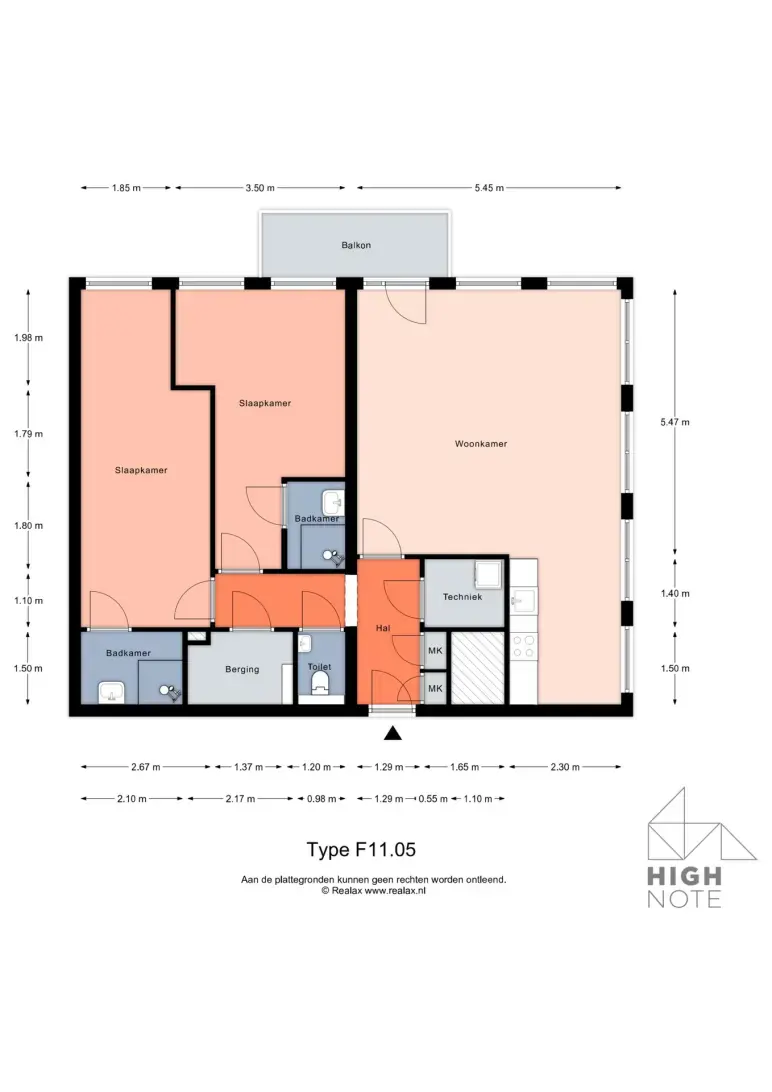
€1,874.00 / month
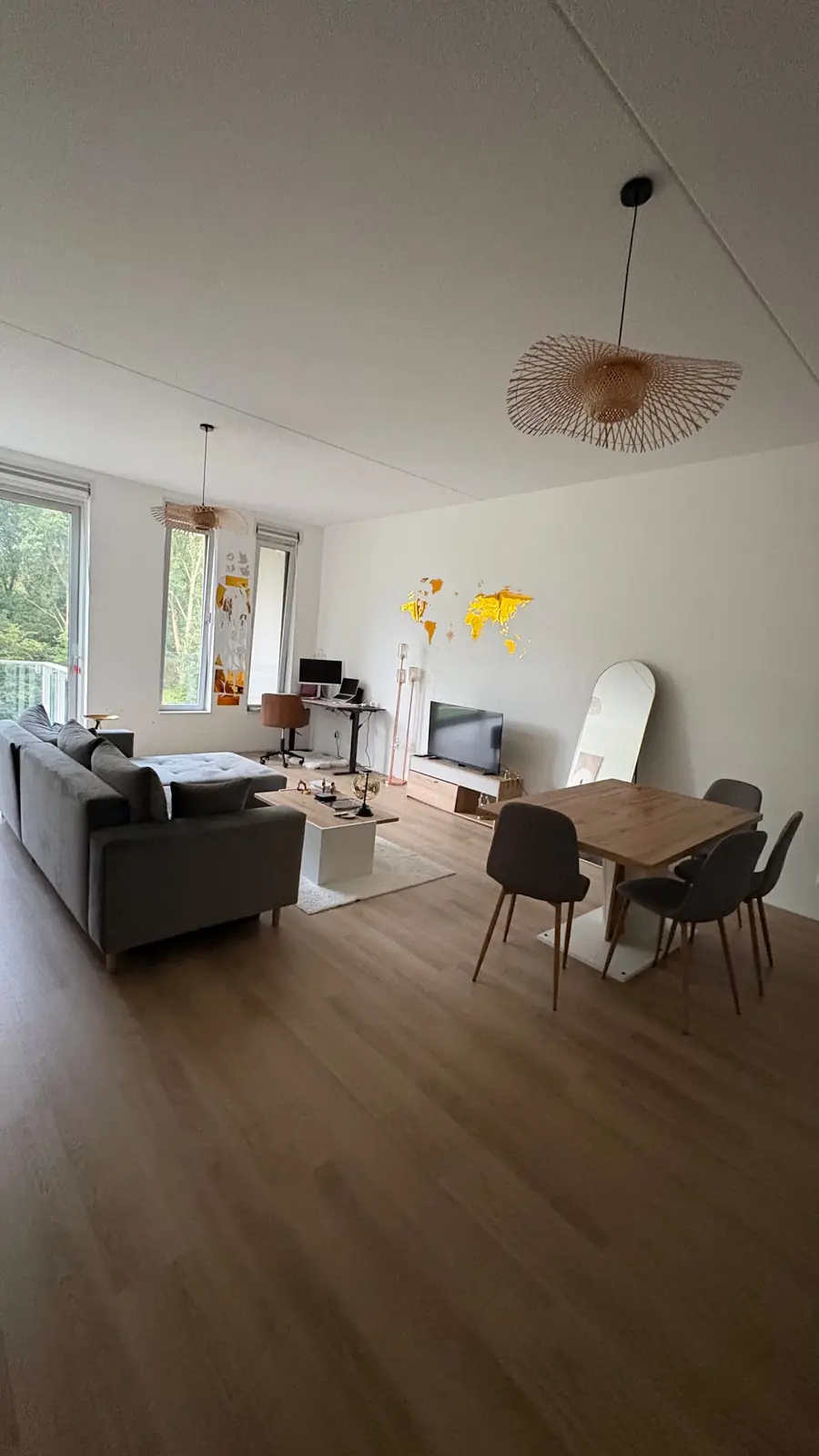
€2,500.00 / month
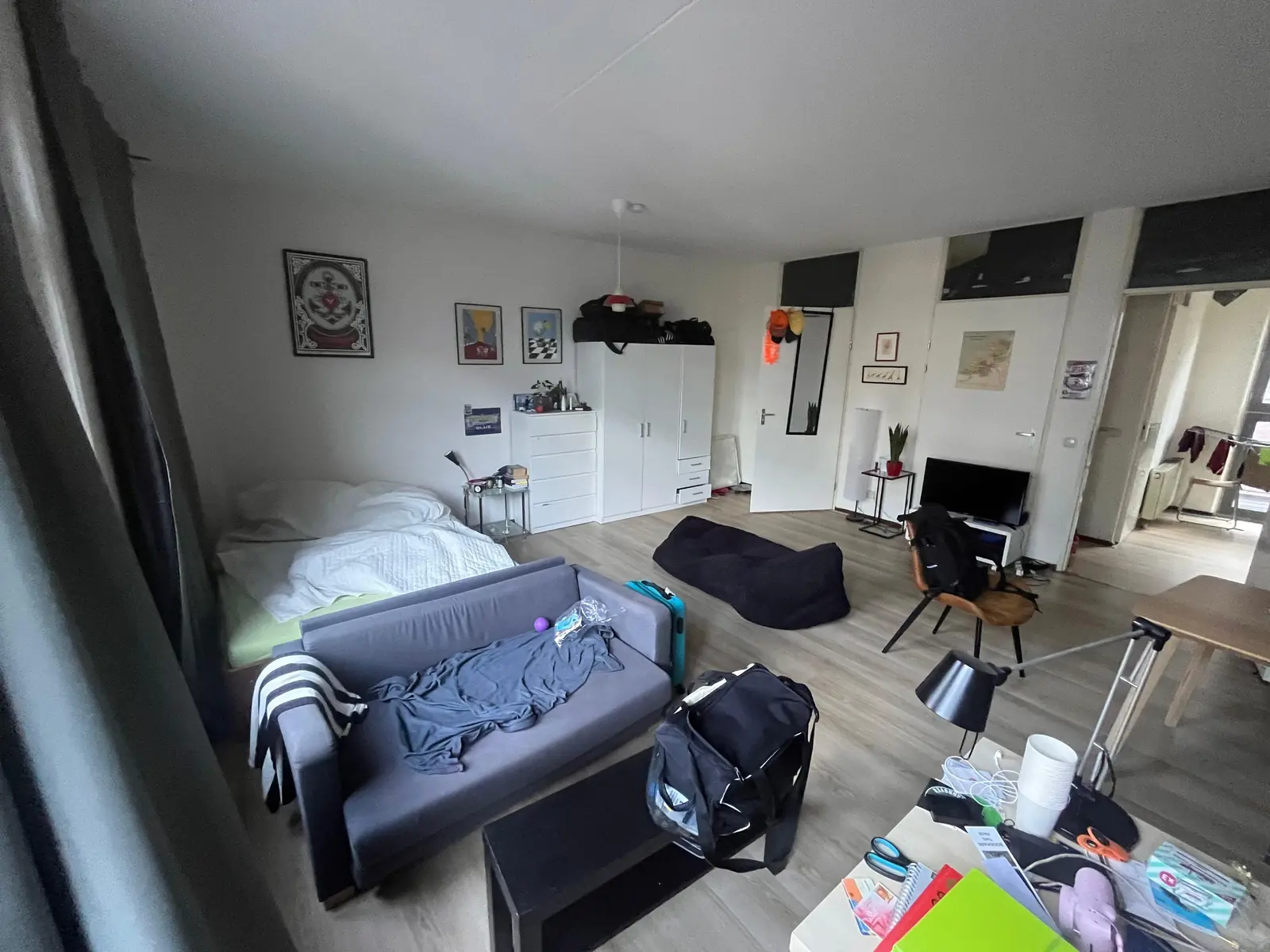
€1,050.00 / month
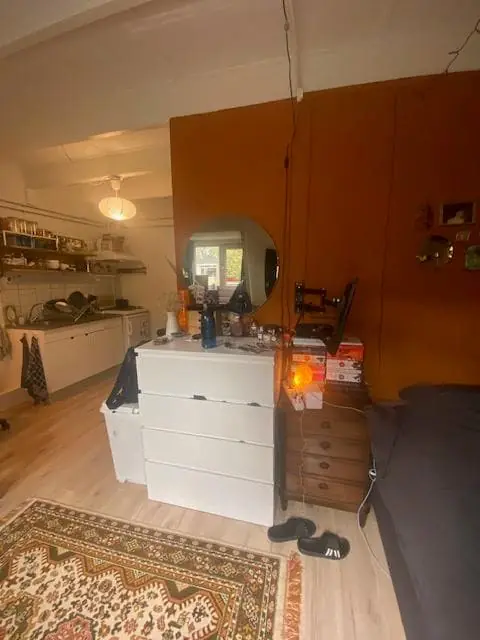
€665.00 / month
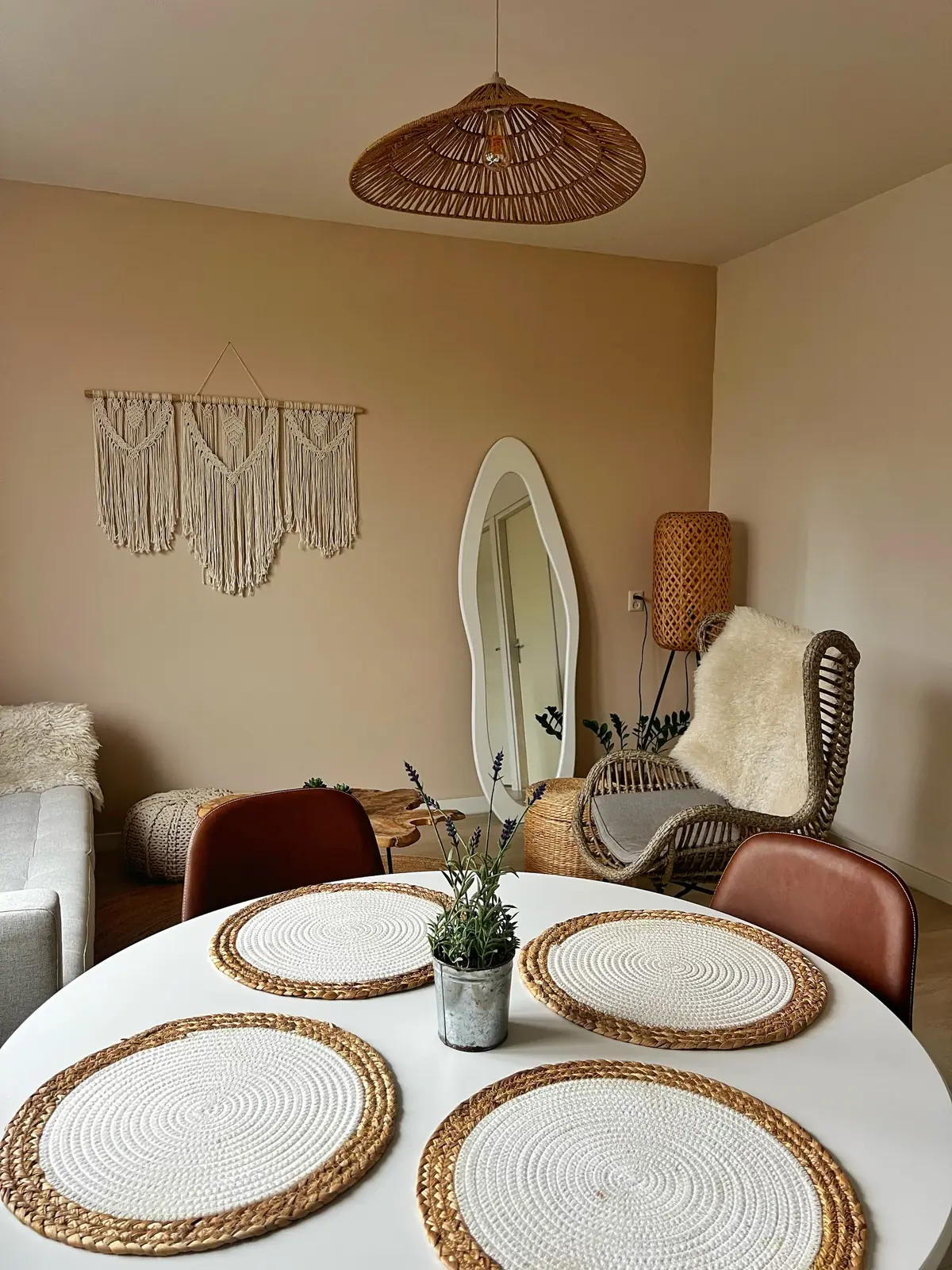
€1,550.00 / month
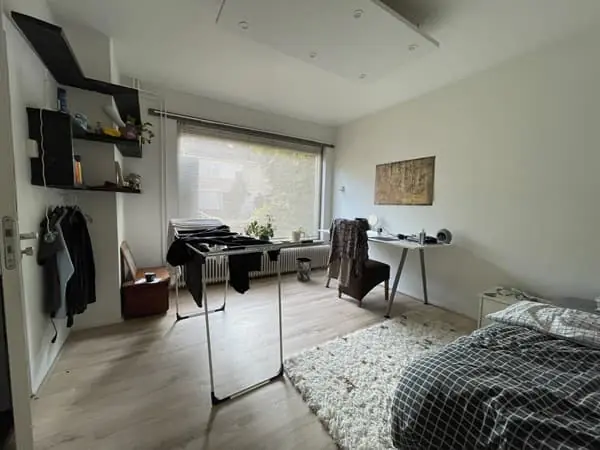
€630.00 / month
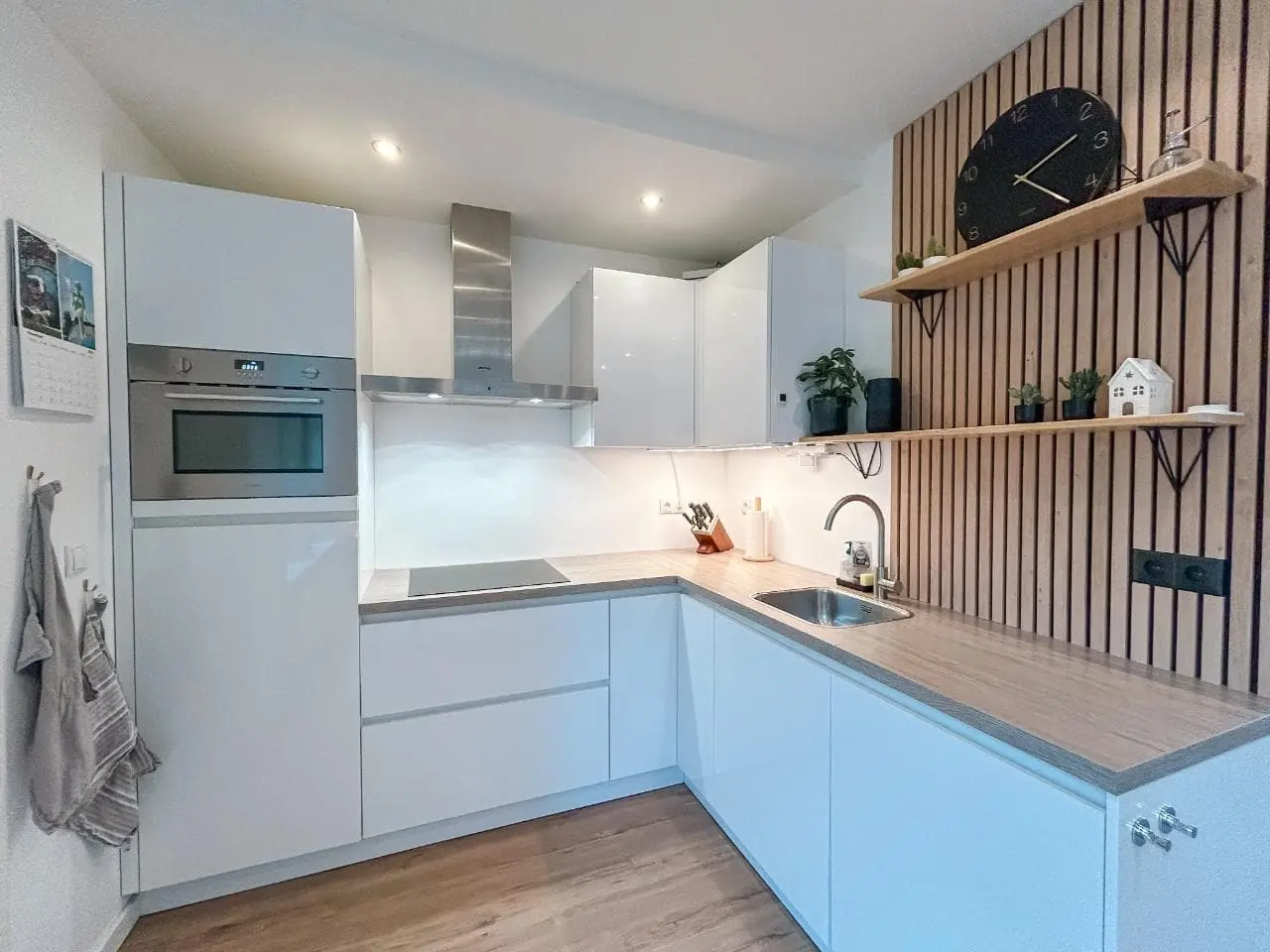
€1,500.00 / month
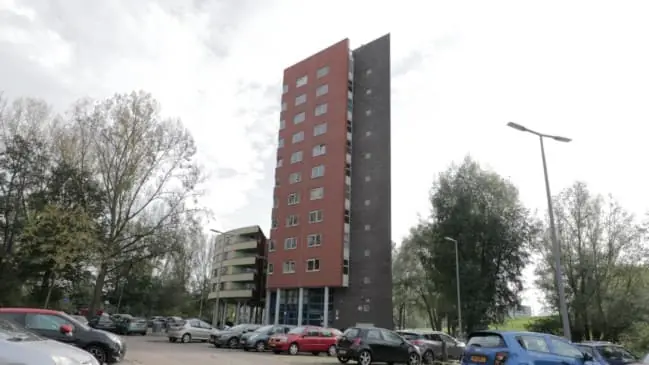
€686.00 / month
€643.00 / month

€1,289.00 / month
€785.00 / month
€1,743.00 / month