
Compare platforms
Read structured comparisons of the platforms renters weigh against each other most often.
See comparisonsExplore a full breakdown of Ad Hoc, Luntero and see how each rental platform performs across key features, pricing, and usability. Our detailed comparison highlights the strengths and trade-offs so you can easily spot what really matters for your search. Whether you’re after transparency, convenience, or better deals, this side-by-side view helps you choose the platform that fits your renting needs best.
Discover how Ad Hoc, Luntero compare within the Dutch rental market, including features, pricing, and ease of use. This overview gives you the essential insights to decide which platform offers the best fit for your housing search in the Netherlands.
Searching for rentals in the Netherlands often means balancing reach, speed and suitability. This comparison looks closely at Ad Hoc and Luntero — two very different players in the Dutch rental ecosystem — to help you decide where to search for Amsterdam apartments, Rotterdam rentals, Utrecht student housing or long-term family homes.
Ad Hoc is a first-party vacancy manager with a long history (founded in 1990) that specializes in temporary and anti-squat solutions. Luntero is an aggregator built for broad market visibility and exploration, aimed at expats, students and families who want advanced search tools without paywalls. Below we evaluate coverage, pricing, search features, data quality and the best use cases for each platform.
Ad Hoc operates nationwide and is known for placing residents in vacant properties on a temporary basis. Its inventory typically includes rooms, studios, apartments, houses and explicitly short-term contracts tied to redevelopment cycles. Typical cities covered include Amsterdam, Rotterdam, The Hague, Utrecht and Eindhoven, and the service footprint extends across most Dutch provinces.
Listings on Ad Hoc tend to be first-party (the organisation manages the properties directly) and often reflect unusual or transitional stock: vacant office-to-housing projects, caretaker-style arrangements and properties pending redevelopment. That makes the offering useful for renters who are flexible about condition and timing and who need lower-cost options.
Luntero aggregates supply from across the Dutch market, combining feeds from major portals and smaller agencies to present broad coverage. It lists apartments, rooms, studios, houses and both short- and long-term lets. With approximately 20,000 monthly listings and nationwide coverage, Luntero is especially strong in urban centers (Amsterdam apartments, Rotterdam rentals, Utrecht student rentals) and surrounding municipalities.
Because Luntero is an aggregator, inventory reflects the market: mainstream agency listings, private landlords and short-term offers drawn in from source platforms. This makes it a good place to compare standard rental stock across neighborhoods and to monitor availability.
Why this matters: Choose Ad Hoc when you need low-cost temporary housing and can accept non-standard units. Choose Luntero when you want full-market visibility across Amsterdam, The Hague, Eindhoven and beyond.
Ad Hoc uses a gated model for placements. Browsing and initial registration are possible, but after a successful intake the waiting-list registration costs €30. Contracts typically involve a deposit (borg), a mandatory fire-safety kit, and the first month’s payment. Notice periods can be short (commonly 28 days) to match the temporary nature of many agreements.
This pay-per-use approach means Ad Hoc’s entry costs are low compared with standard market rents, but applicants should account for registration and upfront items. The gated process also includes intake steps and eligibility checks (and sometimes sponsorship via a ‘voordrager’).
Luntero is free to use. There’s no subscription or tenant fee to search, set alerts or compare listings. Users browse and shortlist at no cost; when ready to apply they follow through to the original source (agency or landlord site) and engage in that platform’s application or payment process.
Why this matters: Luntero is the low-friction starting point if you want to scan the whole market and set alerts without paying. Ad Hoc’s gated registration fee is small but tied to the intake process and the specific temporary product they offer.
Renters increasingly expect more than a list of photos. They want commute data, neighbourhood context, filters for pets or deposits, and quick ways to compare shortlisted homes. Here’s how Ad Hoc and Luntero stack up.
Ad Hoc focuses on operational features that govern placement, tenancy rules and resident management. Its tools are designed for applicants who will live under specific temporary or guardian-style contracts and need onboarding and documentation.
Luntero’s toolkit is aimed at exploration: reducing platform hopping, evaluating neighbourhoods and quickly identifying suitable homes using distance and lifestyle filters.
Why this matters: If you prioritise operational onboarding for temporary living (intake, eligibility and short notice), Ad Hoc has specific features. If you prioritise discovery, commute planning and comparison — especially as an expat or student — Luntero provides modern search instrumentation.
Data quality is a common concern in any rental search: outdated listings, inaccurate details and ghost ads can waste time.
Ad Hoc’s listings are first-party because it manages the properties directly. That means details about contract type, notice period and building condition are tied to the organisation’s operations. Quality and condition can vary — many units are interim or guardianship-style properties — and the platform advises inspections before signing.
Because Ad Hoc controls the stock, it can be more transparent about administrative steps (intake, registration fee, deposits) than marketplaces that aggregate third-party feeds.
Luntero aggregates from multiple sources and explicitly does not individually verify every listing. It links back to the original source and encourages users to confirm details before applying. The advantage is breadth; the downside is the typical aggregator caveat — availability and specifics can change quickly and need double-checking on the originating site.
Why this matters: If you want listings vetted by the platform, neither Ad Hoc nor Luntero offers broad independent verification — Ad Hoc’s advantage is first-party control of its own units, while Luntero’s advantage is market breadth with transparent linking to sources.
Mixed use: Many renters can use both — start on Luntero to find market options and set alerts, then explore Ad Hoc if flexibility and lower cost are priorities.
When comparing Pararius vs Luntero or evaluating the best rental websites Netherlands, Luntero stands out for exploration features and a user-centric approach. Key differentiators:
Advanced exploration filters: narrow searches by neighbourhood, property type, contract duration, pets policy, deposit and other tenancy attributes. This level of granularity speeds up finding precisely what you need in cities like Amsterdam or Eindhoven.
Points of interest (POIs): Luntero overlays schools, universities, grocery stores and transit hubs near listings — useful for families and students that need proximity to a campus or school.
Map isochrones and commute distances: Rather than raw kilometres, Luntero visualises travel time by public transport, bike or car. For expats comparing job commutes in Amsterdam and Rotterdam, this is a practical way to evaluate trade-offs between rent and time.
Multilingual UI and guides: Support for English and other languages makes Luntero more accessible to international renters searching for expat housing Netherlands.
AI summaries and comparison view: AI-generated highlight paragraphs help you triage dozens of listings quickly, while the side-by-side comparison reduces cognitive load when shortlisting homes.
Why it matters: For renters who care about lifestyle fit and commute, Luntero moves beyond listing discovery into neighbourhood decision support. Use it to compare neighborhoods, estimate commute times to work or university, and shortlist multiple homes for side-by-side evaluation.
Pros:
Cons:
Pros:
Cons:
Choose Ad Hoc if:
Choose Luntero if:
Hybrid approach: Start on Luntero to discover market options, set saved searches and alerts. If budget constraints are paramount or you prefer the intake model, explore Ad Hoc’s placements in parallel.
Ad Hoc and Luntero serve different but complementary roles in the Dutch rental landscape. Ad Hoc delivers a specialised, first-party service for temporary, low-cost housing with a practical intake and residency model — a go-to for students and highly flexible renters. Luntero, by contrast, is a modern aggregator built for exploration: broad coverage, advanced filters, commute mapping and multilingual support that help expats, families and students find and compare Amsterdam apartments, Utrecht student rentals and more.
For most renters, the right strategy is pragmatic: use Luntero to scan the market, set alerts and evaluate neighborhoods, and keep Ad Hoc on the shortlist if temporary, budget-conscious options meet your needs. Whatever route you choose, verify details on the originating listing and act quickly; the Dutch rental market moves fast, especially for desirable Amsterdam and Rotterdam rentals.
Table of Contents
Access rules decide as much as inventory. Filter the directory by provider type and housing segment, read a side-by-side comparison, or start from the city you want to live in.
Read structured comparisons of the platforms renters weigh against each other most often.
See comparisonsFilter every profiled platform by provider type, housing segment, city and access model.
Search platformsSee which providers actually cover Amsterdam, Rotterdam, Utrecht and the rest of the country.
Browse citiesA detailed comparison table showing how Ad Hoc, Luntero stack up across key features, pricing models, and usability factors to help you choose the best rental platform in the Netherlands.
Explore additional side-by-side comparisons of popular rental platforms in the Netherlands to discover the best choices for your apartment or housing search. Each comparison dives into features, pricing, and user experience, giving you the insights you need to make a confident decision in the Dutch rental market.
Explore the latest properties added to Luntero. Find new apartments, houses, and studios across the Netherlands — updated daily to help you discover your next home faster.

€768.00 / month

€765.00 / month

€1,228.00 / month
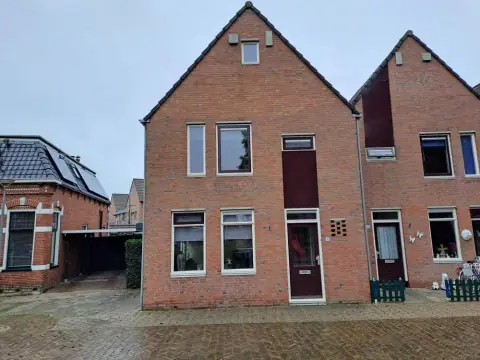
€717.00 / month
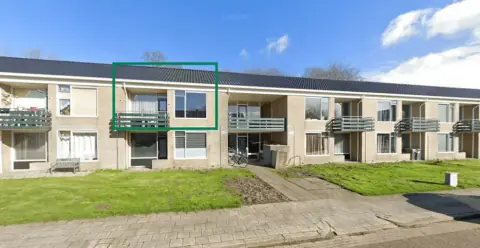
€633.00 / month
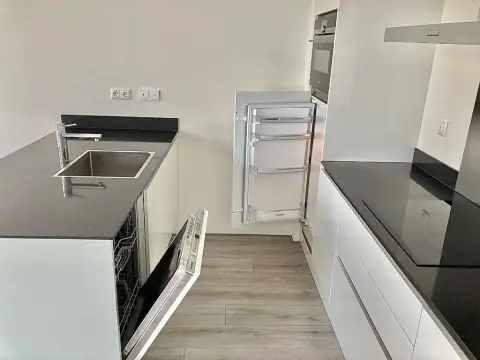
€1,119.00 / month

€1,335.00 / month

€1,186.00 / month
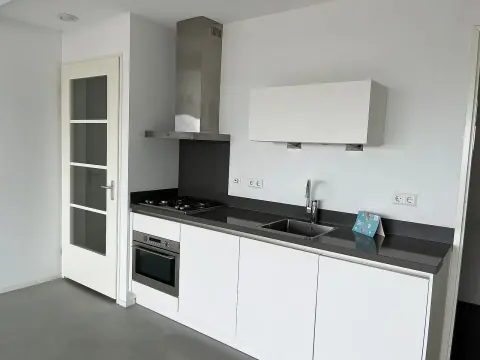
€1,914.00 / month

€1,193.00 / month

€765.00 / month
€1,381.00 / month