
Compare platforms
Read structured comparisons of the platforms renters weigh against each other most often.
See comparisonsExplore a full breakdown of SSH, Kamernet and see how each rental platform performs across key features, pricing, and usability. Our detailed comparison highlights the strengths and trade-offs so you can easily spot what really matters for your search. Whether you’re after transparency, convenience, or better deals, this side-by-side view helps you choose the platform that fits your renting needs best.
Discover how SSH, Kamernet compare within the Dutch rental market, including features, pricing, and ease of use. This overview gives you the essential insights to decide which platform offers the best fit for your housing search in the Netherlands.
Searching for rental sites Netherlands? This comparison explores Kamernet and SSH — two important sources for rooms, studios and student housing across Dutch cities such as Amsterdam, Rotterdam, Utrecht, The Hague and Eindhoven. Whether you are an international student, an expat professional or a young renter, this guide explains coverage, pricing, tools, data quality, and which platform best suits different use cases.
Kamernet has nationwide coverage focused on rooms, studios and apartments and is particularly active in student and young-professional hubs. Founded in 2000 and now part of HousingAnywhere, Kamernet reports around 7,000 new listings per month. Its inventory mix commonly includes private rooms, small studios and one-bedroom apartments suitable for students, interns and early-career expats.
SSH is a different kind of provider: it’s an exclusive student housing foundation with a regional focus. SSH manages a large stock—about 18,000 units—across roughly six Dutch student cities. Unlike marketplaces and aggregators, SSH lists only its own properties: university-linked residences, purpose-built student rooms and regulated student complexes.
Why coverage matters: if you need a broad search across Dutch cities (Amsterdam, Rotterdam, Utrecht, Eindhoven), Kamernet’s aggregator model surfaces diverse private-market options. If you are a registered student in an SSH-served city, SSH gives direct access to institutional, often lower-cost student rooms that aren’t available on open-market portals.
Kamernet: Browsing on Kamernet is free, but contacting landlords is gated behind a subscription model. That paywall (contact-gated subscription) is common among platforms that facilitate tenant-landlord messaging—users can search and set alerts without paying, but to apply or message they subscribe. Prices vary and are confirmed during sign-up; the site also offers alert features for new postings.
SSH: SSH operates without a paywall for browsing or registering; it’s a free service for students. However, eligibility, registration and allocation rules apply. Rent levels vary by city and housing type and are often regulated, but specific monthly prices are published per unit in SSH’s portal once you are registered or looking at a particular property.
Why it matters: cost sensitivity is a key filter for students and expats. If you want a no-cost first look at student housing, SSH is clearly advantageous. If you are comfortable paying a modest subscription to access faster contact and more private-market opportunities, Kamernet can be worth the cost.
Kamernet’s feature set is oriented toward active searchers: customizable alerts, robust filters for property type (rooms, studios, apartments), and manual daily screening for quality control. The platform also supports multilingual browsing (nl, en) and publishes rent trend reports (huurprijs reports), which can help renters benchmark prices when looking for apartments for rent in Amsterdam or Rotterdam.
SSH focuses on centralized registration and allocation tools rather than consumer search features. It provides tailored programs for long-stay and short-stay students, registration windows and assignment processes. Its tech stack prioritizes fairness and allocation transparency over advanced filtering or mapping.
Practical differences:
For renters who want advanced search features (neighborhood filters, quick alerts across cities), Kamernet is the more feature-rich consumer tool. For students who need guaranteed access to regulated units and institutional support, SSH’s workflow and allocation tools are the priority.
Kamernet: Known for daily manual screening and a verification approach aimed at reducing scams and stale listings. The platform indicates it uses manual checks and flags listings, and it also produces market data reports based on platform inventory. That level of active moderation and regular new-listings cadence (7,000/month) helps keep inventory fresh, though not every housing corporation’s stock appears on the service.
SSH: As a housing foundation, SSH’s listings are owned and managed by the organization itself. That means data quality ties directly to an institutional property management process: listings reflect actual units under SSH control, and allocation and eligibility are handled centrally. For students, that generally translates to reliable availability and regulated rents.
Verification takeaway: Kamernet is an actively moderated marketplace with many private landlords; SSH is an authoritative source for institutional student units. Both approaches have strengths—market breadth versus direct ownership and institutional guarantees.
Kamernet
SSH
Choose SSH if:
Choose Kamernet if:
Both Kamernet and SSH play important but distinct roles in the Dutch rental ecosystem. SSH is the default institutional channel for students who can access its housing network: reliable, regulated and free to use. Kamernet is a high-volume private-market platform well suited to expats, students who missed institutional allocations, and young professionals who need a broad inventory across Amsterdam, Rotterdam, Utrecht and other cities.
Compare Kamernet vs SSH in Amsterdam or any other Dutch city by starting with SSH if you qualify; if not, or if you need more options, use Kamernet with tailored alerts and careful verification. For renters, the smartest strategy is often to apply across both types of channels in parallel: register with SSH (when eligible) and run a targeted Kamernet search to maximize your chances of finding suitable housing quickly.
Table of Contents
Access rules decide as much as inventory. Filter the directory by provider type and housing segment, read a side-by-side comparison, or start from the city you want to live in.
Read structured comparisons of the platforms renters weigh against each other most often.
See comparisonsFilter every profiled platform by provider type, housing segment, city and access model.
Search platformsSee which providers actually cover Amsterdam, Rotterdam, Utrecht and the rest of the country.
Browse citiesA detailed comparison table showing how SSH, Kamernet stack up across key features, pricing models, and usability factors to help you choose the best rental platform in the Netherlands.
Explore additional side-by-side comparisons of popular rental platforms in the Netherlands to discover the best choices for your apartment or housing search. Each comparison dives into features, pricing, and user experience, giving you the insights you need to make a confident decision in the Dutch rental market.
Explore the latest properties added to Luntero. Find new apartments, houses, and studios across the Netherlands — updated daily to help you discover your next home faster.
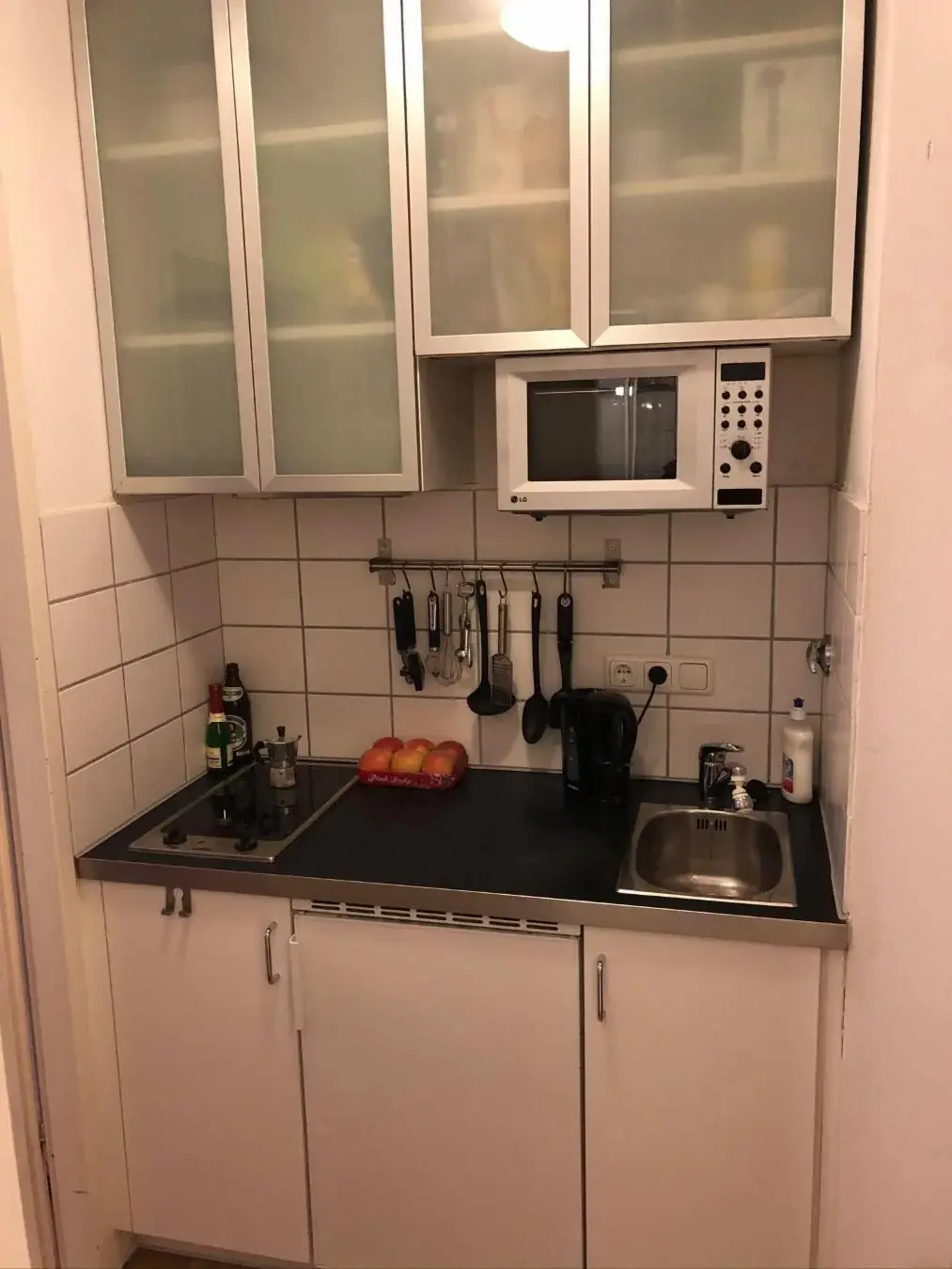
€800.00 / month
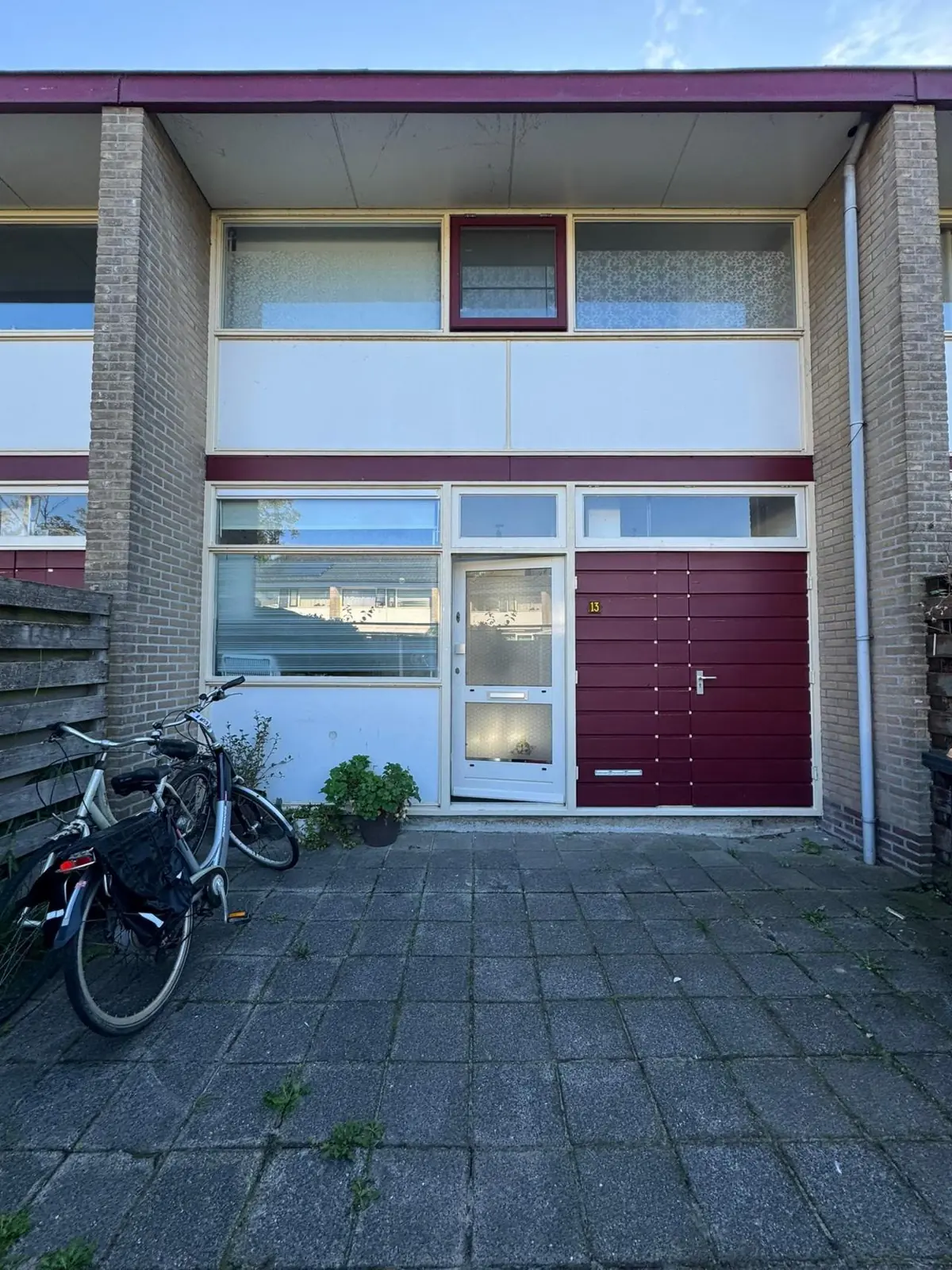
€659.00 / month
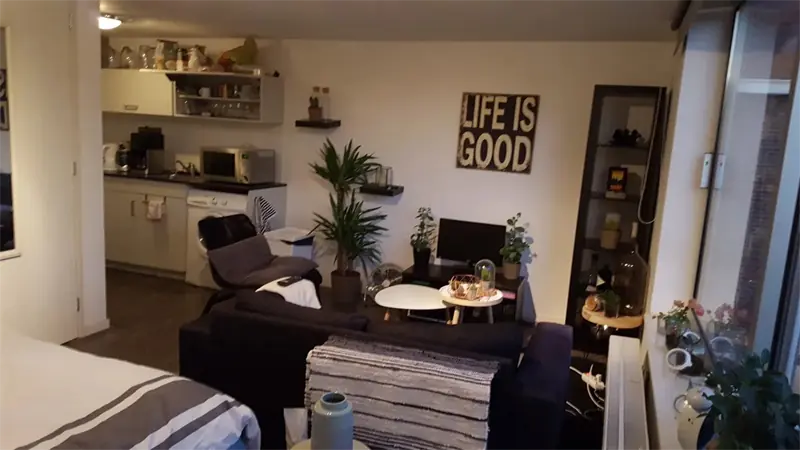
€1,024.00 / month
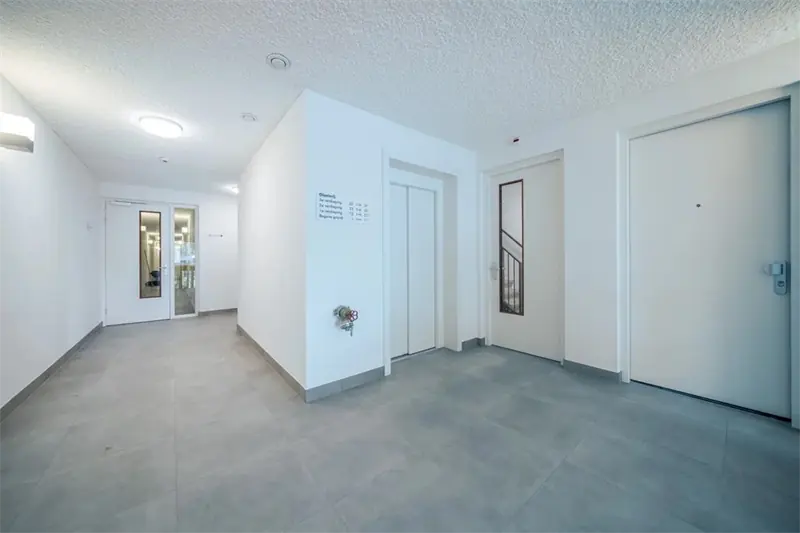
€1,372.00 / month
€2,600.00 / month
€800.00 / month
€1,206.00 / month

€1,295.00 / month
€1,153.00 / month
€2,650.00 / month
€650.00 / month
€675.00 / month