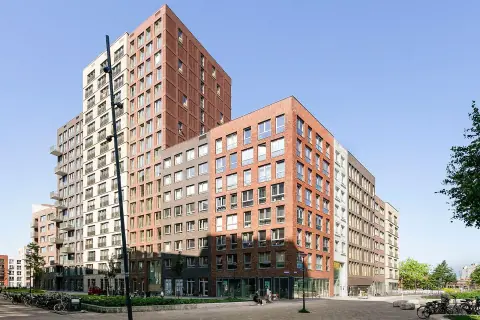
Amsterdam Housing Market Cooling: What It Means for the Rest of the Netherlands
After decades of rapid growth, Amsterdam’s housing market is finally cooling, and experts predict this trend will soon reach other Dutch cities. We explore the key factors behind the slowdown and what renters and buyers should expect.
Guide last updated on: October 13, 20264 min read
Table of Contents
Table of Contents
Further Reading on Renting in the Netherlands
Newest Properties in the Netherlands
Explore the latest properties added to Luntero. Find new apartments, houses, and studios across the Netherlands — updated daily to help you discover your next home faster.
Why Luntero
One Workspace for Your Dutch Rental Search
Luntero combines apartments, rooms, studios and houses from rental websites with homes published directly on Luntero. Filter by your needs, compare your options and confirm availability, price and conditions with the advertiser.
Listings From Many Dutch Sources
Browse listings from Funda, Pararius, Kamernet and other supported websites alongside rentals published directly on Luntero. Coverage is broad, but does not include every home on the market.
Intuitive User-Friendly Interface
Navigate our clean and straightforward design effortlessly on both desktop and mobile devices for a seamless apartment, house, or room hunting experience in the Netherlands.
Multilingual Support for Expats & Locals
Browse rental listings in English, Dutch, Spanish, French, German, and more. Luntero ensures you can find your next home in the Netherlands in the language you're most comfortable with.
Regular Listing Refreshes
Luntero refreshes collected listings regularly and search alerts email new matches after a successful check. A source can change between refreshes, so verify decisive details there.
Understand Dutch rental terms before you sign the lease.
Renting in the Netherlands comes with unique rules, legal phrases, and housing abbreviations that can be tricky. The Luntero Rental Glossary is your guide to every rental term — from tenancy agreements, deposits, and agency fees to utility charges, rent control, and tenant rights. Whether you’re new to renting, moving as an expat, or just want to avoid hidden costs, our glossary helps you rent smarter, negotiate better, and protect yourself from mistakes.
Amsterdam Housing Market Cooling: What It Means for the Rest of the Netherlands
Amsterdam’s residential property market has long been one of the most dynamic in Europe, with steep price growth and fierce competition. However, new data from ABN Amro’s Housing Market Monitor reveals that this momentum is finally waning: home prices in the city rose just 0.8% in Q2 year-on-year, compared to a national average increase of 4.2%. Historically, Amsterdam has served as a barometer for the Dutch housing market, suggesting that other regions may soon follow its lead.
What Is Driving the Cooling in Amsterdam?
Several key factors are contributing to the slowdown:
High Mortgage Interest Rates
Mortgage interest rates in the Netherlands have climbed since last year. Higher borrowing costs reduce overall affordability, meaning prospective buyers can afford smaller loans and are more cautious about bidding wars.
Slowing Income Growth
Wage growth, while positive, has not kept pace with rising living costs. Slower income growth constrains household budgets and dampens buying power.
Increased Supply
Data from the realtors' association NVM (Nederlandse Vereniging van Makelaars) shows that the supply of homes for sale in Amsterdam has risen by over 25% compared to last year. More listings ease the competition and give buyers greater choice.
Persistent Housing Shortage
Despite the increase in listings, the Netherlands still faces a severe housing shortage. Social housing providers (woningcorporaties) and municipalities (gemeenten) continue to struggle to meet demand, especially in major cities.
How Amsterdam’s Cooling Trend Spreads Nationwide
ABN Amro’s research indicates that Amsterdam often leads national trends. When activity and prices level off in the capital, similar adjustments typically follow in other regions. Analysts predict:
Utrecht and The Hague will see more moderate price growth as local markets absorb excess supply.
Rotterdam and Eindhoven may experience a sharper slowdown, given their smaller catchment areas for buyers.
Suburban and provincial markets could briefly maintain firmer price levels, as some buyers look for more affordable alternatives outside major cities.
By next year, ABN Amro expects a noticeably stronger cooling effect across the country. While outright price declines are not forecast, the pace of growth is set to decelerate significantly.
Impact on Renters and Buyers
For Buyers
Affordability remains a challenge due to high mortgage rates.
Slower price growth offers a window for careful financial planning before making offers.
Buyers may find better negotiation opportunities, especially in oversupplied neighbourhoods.
For Renters
A cooling sales market can translate into more balanced rental conditions, although rents are still high.
Those eligible for huurtoeslag (the Dutch rental subsidy) should check their entitlement, as housing allowances can help offset rising living costs.
Consider looking beyond city centres to find more competitive rental offers.
Tips for Navigating a Cooling Housing Market
Even as prices stabilise, the Dutch housing market remains competitive. Here are strategies for both renters and buyers:
Expand Your Search Radius
Look at surrounding towns and suburbs. You may find better value and larger homes outside the city centre.
Get Pre-Approved for a Mortgage
With a mortgage pre-approval letter, sellers will view you as a serious buyer. This can give you an edge in negotiations.
Stay Informed on Local Plans
Keep an eye on municipal zoning changes and upcoming developments. New projects can increase future supply and affect neighbourhood desirability.
Work with a Trusted Partner
A reliable real estate agent or rental platform can alert you to listings immediately, which is crucial in fast-moving markets.
Understand Your Rights and Obligations
Whether you’re renting or buying, know the relevant Dutch regulations—tenant protection laws, deposit rules, and homeowners’ responsibilities.
Looking Ahead
While the cooling trend may ease price pressures, the combination of high interest rates, tight supply, and strong demand means homes in the Netherlands are unlikely to become genuinely affordable in the short term. For many, renting remains the most viable option, but the rental market itself is under strain.
Homebuyers and renters should prepare by securing finances, broadening search areas, and acting swiftly when suitable properties appear.
Ready to find your next home? Visit Luntero for the easiest way to browse and secure rental listings across the Netherlands.
Understand Dutch rental terms before you sign the lease.
Renting in the Netherlands comes with unique rules, legal phrases, and housing abbreviations that can be tricky. The Luntero Rental Glossary is your guide to every rental term — from tenancy agreements, deposits, and agency fees to utility charges, rent control, and tenant rights. Whether you’re new to renting, moving as an expat, or just want to avoid hidden costs, our glossary helps you rent smarter, negotiate better, and protect yourself from mistakes.