Soaring Vacancy in Dutch Housing: Over 200,000 Homes Stand Empty
Despite a severe housing shortage, more than 200,000 homes in the Netherlands remain unoccupied in mid-2025, prompting the government to introduce a vacancy tax.
Guide last updated on: December 6, 20255 min read
Table of Contents
Table of Contents
Further Reading on Renting in the Netherlands
Newest Properties in the Netherlands
Explore the latest properties added to Luntero. Find new apartments, houses, and studios across the Netherlands — updated daily to help you discover your next home faster.
Why Luntero
One Workspace for Your Dutch Rental Search
Luntero brings represented apartments, rooms, studios and houses from Dutch rental sources into one searchable place. Use the available filters to narrow your options, then check the original listing for current availability, price, conditions and application steps.
Listings From Many Dutch Sources
Browse rental listings collected from Funda, Pararius, Kamernet and other supported sources in one place. Coverage is broad but not exhaustive, and the original listing remains authoritative.
Intuitive User-Friendly Interface
Navigate our clean and straightforward design effortlessly on both desktop and mobile devices for a seamless apartment, house, or room hunting experience in the Netherlands.
Multilingual Support for Expats & Locals
Browse rental listings in English, Dutch, Spanish, French, German, and more. Luntero ensures you can find your next home in the Netherlands in the language you're most comfortable with.
Regular Listing Refreshes
Luntero refreshes collected listings regularly and search alerts email new matches after a successful check. A source can change between refreshes, so verify decisive details there.
Understand Dutch rental terms before you sign the lease.
Renting in the Netherlands comes with unique rules, legal phrases, and housing abbreviations that can be tricky. The Luntero Rental Glossary is your guide to every rental term — from tenancy agreements, deposits, and agency fees to utility charges, rent control, and tenant rights. Whether you’re new to renting, moving as an expat, or just want to avoid hidden costs, our glossary helps you rent smarter, negotiate better, and protect yourself from mistakes.
Soaring Vacancy in Dutch Housing: Over 200,000 Homes Stand Empty
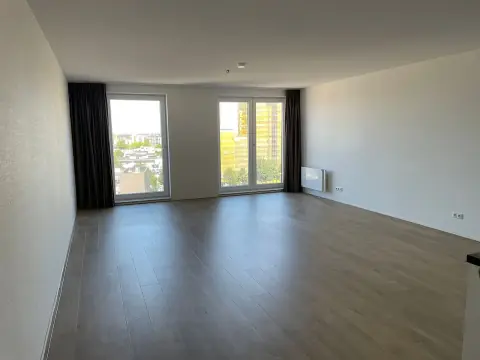
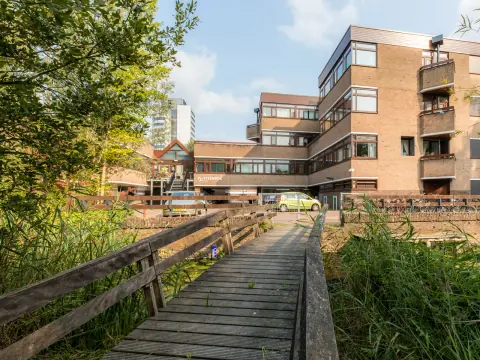
The Netherlands is grappling with a perplexing housing paradox. While waiting lists for rental properties stretch for years in major cities, more than 200,000 homes across the country stood empty in mid-2025. According to Statistics Netherlands (CBS), this figure represents a 3% increase compared to the start of the year and amounts to over 21 million square metres of unused residential space. As policymakers scramble to ease the housing shortage, the surge in vacant properties has prompted swift legislative action.
Current Vacancy Figures and National Context
On January 1, 2025, CBS recorded 194,500 unoccupied homes in the Netherlands. By July 1, that number had climbed to 200,670. This increase comes at a time when the average waiting period for a social rental home now exceeds three years, and private rents continue to rise. Housing analysts warn that leaving such a large stock of ready-to-use dwellings idle is unsustainable when families, students, and internationals struggle to secure affordable accommodation.
Bursting at the seams in cities, the vacancy problem is not confined to rural areas or holiday homes. Properties that remain empty for extended periods—more than one year—totalled around 64,360 at the start of 2025, indicating that a significant share of vacancies is long-term and potentially avoidable.
Major City Hotspots
Urban centres contribute disproportionately to the vacancy tally. Amsterdam leads with 21,770 empty homes, closely followed by Rotterdam (10,870), Eindhoven (4,000), and The Hague (2,640). In these municipalities, high property prices and complex permit processes have created a situation where landlords and homeowners postpone renting or selling until renovation plans are fully approved. Consequently, units that could alleviate rental pressures remain off the market.
While some vacancies are temporary—owing to renovation, inheritance disputes, or changes in residents’ circumstances—housing experts stress that smoother regulatory procedures could unlock thousands of units. Streamlining planning permissions and energy performance certifications would shorten vacancy durations and boost rental supply.
Policy Response: Introducing the Vacancy Tax
To tackle this growing imbalance, the Dutch government has approved a targeted vacancy tax on residential properties left empty for more than 12 consecutive months. Designed to incentivise owners to bring homes back into use, the tax rate is set at a percentage of the property’s WOZ value (the official assessed value for tax purposes).
How the Tax Works
Municipalities may levy the vacancy tax on any dwelling that shows minimal energy consumption or usage data over a year. Grid operators will provide anonymised data to confirm whether a property is genuinely unoccupied. If the owner fails to rent, sell, or demonstrate active renovation, the tax becomes payable the following fiscal year.
Unlike broad punitive measures, the vacancy tax is calibrated to encourage collaboration. Owners can avoid the levy by presenting a reasonable refurbishment timeline or proof of rental agreements in progress. This flexibility aims to prevent unfair penalties for genuine renovation delays, while still pressing idle landlords to act.
Implementation by Municipalities
The Association of Dutch Municipalities (VNG) supports the new tool and urges local councils to adopt the tax swiftly. Municipalities will draft local regulations, set reporting deadlines, and establish appeal procedures for owners contesting the vacancy designation. By tailoring the tax to regional housing pressures, municipalities can better align incentives with local market conditions.
Some cities, like Amsterdam, plan to complement the tax with a permit system for second homes from 2026. Homeowners purchasing a voluntary second residence must now obtain a permit, aiming to curb the rise of investment-driven vacancies in prime urban neighbourhoods.
Supportive Measures and Incentives
Beyond taxation, the government is exploring supportive schemes to bring vacant homes to market. These include:
Renovation Grants: Low-interest loans or subsidies for owners who upgrade energy labels and complete renovations within set timeframes.
Social Impact Partnerships: Collaborations between woningcorporaties (housing associations) and private investors to convert long-vacant units into affordable rentals.
Digital Vacancy Registers: Online platforms where municipalities list units deemed empty, enabling non-profit organisations and housing platforms to match these properties with potential tenants or buyers.
By combining fiscal disincentives with financial assistance, policymakers aim to strike a balance between encouraging property use and supporting owners through costly upgrades.
Criticisms and Challenges
Despite broad political support, the vacancy tax faces criticism from some landlords and industry bodies. Edward Touw, director of the private landlords’ association VastgoedBelang, argues that prolonged vacancies often result from municipal delays in granting renovation or subdivision permits. He warns that penalising owners for factors beyond their control risks unfair enforcement.
Professor Peter Boelhouwer, an authority on housing systems, concurs that most vacancies are inadvertent: “Many homes are empty due to ongoing renovations or succession issues when owners pass away. Very few are deliberately held off-market.” Critics urge municipalities to streamline planning processes and reduce bureaucratic hurdles before imposing punitive taxes.
Enforcement also poses practical challenges. Verifying genuine vacancies through energy data requires coordination with grid operators and robust data protection safeguards. Municipalities must ensure there are clear appeals channels, transparent criteria, and consistent application to avoid legal disputes.
Striking the Balance: Unlocking Housing Supply
The rapid rise in vacant homes underscores a critical need for holistic housing policies. While the vacancy tax represents a decisive step to activate dormant stock, its success depends on fair implementation alongside streamlined regulations and financial incentives. Municipalities that combine clear guidance, timely permits, and targeted support will likely see the quickest reduction in long-term vacancies.
As the Netherlands seeks to house growing numbers of residents, meaningful collaboration between national and local governments, housing associations, landlords, and tenants is essential. When regulations incentivise timely renovation, responsible renting, and transparent management, empty properties can become part of the solution rather than a symptom of the crisis.
Final call to action:
Ready to find your next home? Visit Luntero for the easiest way to browse and secure rental listings across the Netherlands.
Understand Dutch rental terms before you sign the lease.
Renting in the Netherlands comes with unique rules, legal phrases, and housing abbreviations that can be tricky. The Luntero Rental Glossary is your guide to every rental term — from tenancy agreements, deposits, and agency fees to utility charges, rent control, and tenant rights. Whether you’re new to renting, moving as an expat, or just want to avoid hidden costs, our glossary helps you rent smarter, negotiate better, and protect yourself from mistakes.