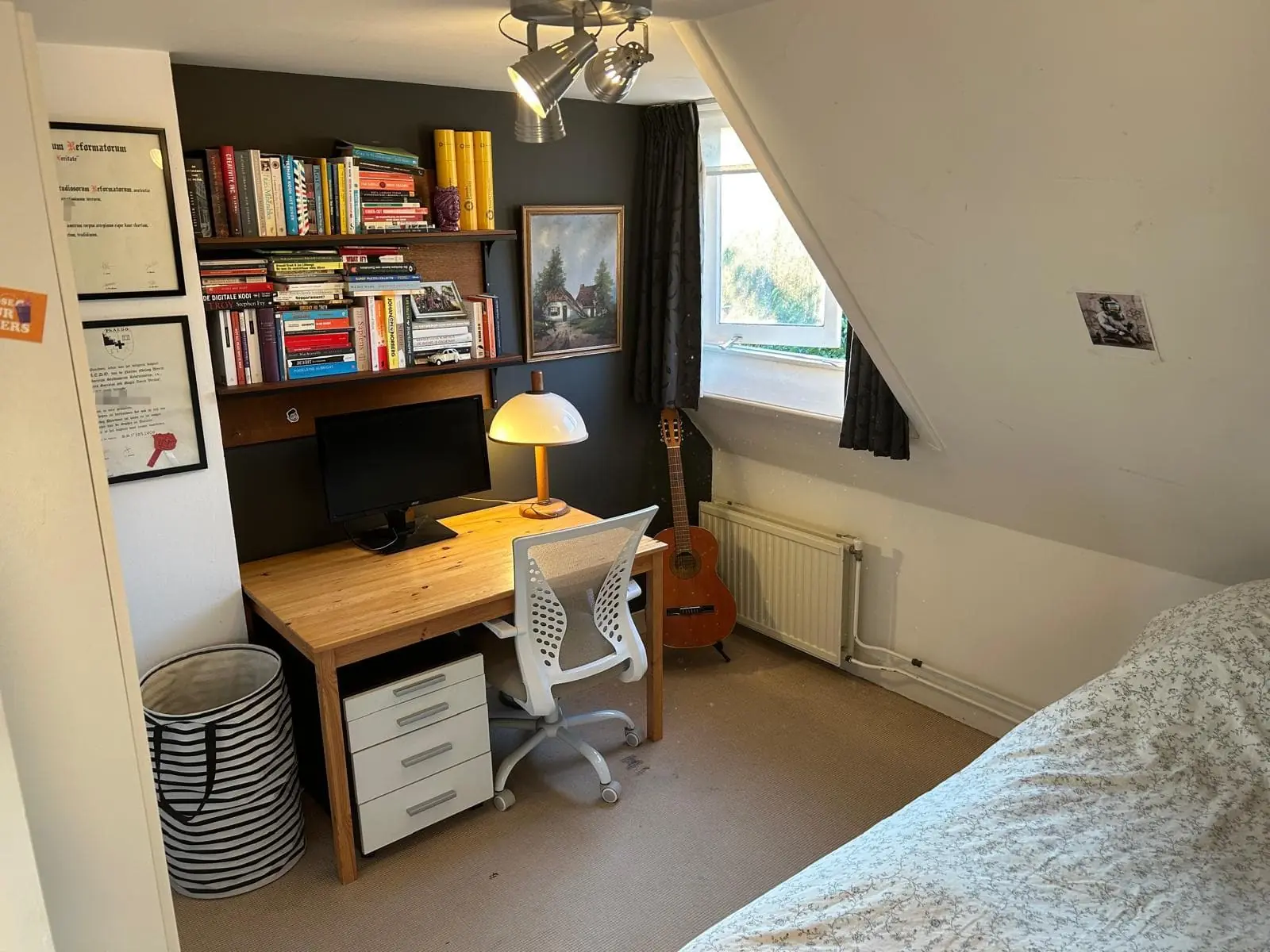
Surging Energy Costs Could Cost Dutch Homes €3,000 Annually
Rising gas prices and new green regulations threaten to increase annual household energy bills by up to €3,000 for non-sustainable homes in the Netherlands.
Guide last updated on: September 10, 20264 min read
Table of Contents
Table of Contents
Further Reading on Renting in the Netherlands
Newest Properties in the Netherlands
Explore the latest properties added to Luntero. Find new apartments, houses, and studios across the Netherlands — updated daily to help you discover your next home faster.
Why Luntero
One Workspace for Your Dutch Rental Search
Luntero combines apartments, rooms, studios and houses from rental websites with homes published directly on Luntero. Filter by your needs, compare your options and confirm availability, price and conditions with the advertiser.
Listings From Many Dutch Sources
Browse listings from Funda, Pararius, Kamernet and other supported websites alongside rentals published directly on Luntero. Coverage is broad, but does not include every home on the market.
Intuitive User-Friendly Interface
Navigate our clean and straightforward design effortlessly on both desktop and mobile devices for a seamless apartment, house, or room hunting experience in the Netherlands.
Multilingual Support for Expats & Locals
Browse rental listings in English, Dutch, Spanish, French, German, and more. Luntero ensures you can find your next home in the Netherlands in the language you're most comfortable with.
Regular Listing Refreshes
Luntero refreshes collected listings regularly and search alerts email new matches after a successful check. A source can change between refreshes, so verify decisive details there.
Understand Dutch rental terms before you sign the lease.
Renting in the Netherlands comes with unique rules, legal phrases, and housing abbreviations that can be tricky. The Luntero Rental Glossary is your guide to every rental term — from tenancy agreements, deposits, and agency fees to utility charges, rent control, and tenant rights. Whether you’re new to renting, moving as an expat, or just want to avoid hidden costs, our glossary helps you rent smarter, negotiate better, and protect yourself from mistakes.
Surging Energy Costs Could Cost Dutch Homes €3,000 Annually
Households across the Netherlands are bracing for a sharp increase in energy bills as global gas prices remain elevated and a series of Dutch and European environmental policies come into force. Recent data from the Central Bureau for Statistics (CBS) show inflation in August reached 3.3% year-on-year, driven in large part by rising domestic gas costs. Experts warn that without a transition to more sustainable energy solutions, some homes could end up paying as much as €3,000 extra per year.
Why Gas Prices Are Still on the Rise
Several factors continue to drive wholesale gas prices in Europe upward:
Geopolitical tensions in key supply regions have disrupted flows and kept markets on edge.
Maintenance work at major Norwegian facilities reduced output during peak summer months.
Seasonal demand spikes when temperatures fluctuate have tightened storage levels.
According to market analysts, the Title Transfer Facility (TTF) benchmark briefly exceeded €75 per megawatt-hour this year. Those wholesale costs filter directly into household energy contracts, contributing to higher monthly bills for both renters and homeowners.
Upcoming Policies Punish Non-Green Homes
The Dutch government and the European Union are rolling out a package of environmental measures aimed at incentivising the transition away from fossil fuels. A landmark study by CE Delft for the Dutch Association for Sustainable Energy (NVDE) quantifies the impact:
EU Emissions Trading for Buildings (ETS2) – Effective 2028
Residential buildings will join the EU carbon market, adding a price per tonne of CO₂ emitted by natural gas boilers.
Green Gas Blending Mandate – Effective 2027
Energy suppliers must inject a minimum share of renewable gas into the national grid, potentially adding up to €150 per household annually.
Higher Natural Gas Taxes
Increased excise duties on gas consumption will raise the cost of gas-fired heating for every cubic metre consumed.
Rising Grid Fees
Network operators are boosting connection and distribution tariffs to fund infrastructure upgrades, particularly for electricity.
Together, these measures are projected to increase costs for a medium-sized, gas-heated home by nearly €3,000 each year if no energy-saving upgrades are made.
Financial Benefits of Going Green
While the upfront investment to make a home fully sustainable can be substantial, the long-term savings are significant:
Heat Pump Installation: Replacing a gas boiler with an electric heat pump can save up to €900 annually in heating costs. Heat pumps run more efficiently and can be combined with green electricity tariffs.
Solar Panels and Batteries: Installing photovoltaic panels and a small home battery system allows you to store excess power. Charging during low-cost hours further reduces expenses and provides hedge against peak rates.
Electric Vehicle Charging: If you drive an electric car and charge during off-peak hours (often between 11 pm and 7 am), you can save around €1,300 per year compared to petrol or diesel fuel costs.
The combined annual savings from those upgrades can exceed €2,200, making it financially attractive—especially when set against the €3,000 penalty for non-green homes.
Support Schemes and Financing Options
To lower the barrier to entry, the Dutch government and regional bodies offer various incentives:
ISDE Subsidies (Investment Subsidy for Sustainable Energy): Available for heat pumps, solar boilers and other renewable installations.
Energy Loan (Energiebespaarlening): An interest-free loan for households with a taxable income below €60,000 per year, covering up to €31,000 of green investments.
Local Municipality Grants: Many gemeenten (municipalities) provide additional co-funding for insulation, window replacement or solar panels.
VAT Reduction on Insulation: A temporary cut in value-added tax for insulating materials and labour reduces the cost of cavity wall, floor and roof insulation.
NVDE is urging policymakers to extend these programmes beyond 2030 to ensure households remain supported through the full duration of the energy transition.
What Renters Should Know
Even if you rent your home, you can influence energy efficiency:
Ask your landlord about planned sustainability upgrades—insulation, solar panels, and heat pumps.
Check if your lease allows you to install smart thermostats or low-flow fixtures.
Consider a green energy contract. Many utility providers offer tariffs that guarantee 100% renewable electricity and biogas.
Landlords can benefit too: properties with higher energy labels (A or B) often command better rents and experience lower vacancy rates.
Preparing for the Future
With energy prices unlikely to fall significantly and new policies on the horizon, it’s time for Dutch households to act:
Assess Your Home’s Energy Label: An energy audit identifies where you lose heat and where improvements offer the best return.
Plan Investments Strategically: Target quick-win measures (LED lighting, smart thermostats) while budgeting for larger projects (heat pumps, solar panels).
Stay Informed on Incentives: Government support evolves—subscribe to your gemeente newsletter or check the RVO website for updates.
By greening your home now, you shield your budget from imminent price hikes and play an active role in the Netherlands’ transition to a low-carbon future.
Ready to find a rental home that’s already energy efficient? Discover how easy it is to secure a sustainable rental property on Luntero.
Understand Dutch rental terms before you sign the lease.
Renting in the Netherlands comes with unique rules, legal phrases, and housing abbreviations that can be tricky. The Luntero Rental Glossary is your guide to every rental term — from tenancy agreements, deposits, and agency fees to utility charges, rent control, and tenant rights. Whether you’re new to renting, moving as an expat, or just want to avoid hidden costs, our glossary helps you rent smarter, negotiate better, and protect yourself from mistakes.