Social Housing in the Netherlands Faces Higher Climate Risks Than Private Homes
A new analysis reveals that social rental homes in the Netherlands endure more severe climate impacts—heat, flooding, and groundwater issues—than privately owned properties, underscoring rising social inequality and regulatory barriers to adaptation.
Guide last updated on: November 7, 20254 min read
Table of Contents
Table of Contents
Further Reading on Renting in the Netherlands
Newest Properties in the Netherlands
Explore the latest properties added to Luntero. Find new apartments, houses, and studios across the Netherlands — updated daily to help you discover your next home faster.
Why Luntero
One Workspace for Your Dutch Rental Search
Luntero brings represented apartments, rooms, studios and houses from Dutch rental sources into one searchable place. Use the available filters to narrow your options, then check the original listing for current availability, price, conditions and application steps.
Listings From Many Dutch Sources
Browse rental listings collected from Funda, Pararius, Kamernet and other supported sources in one place. Coverage is broad but not exhaustive, and the original listing remains authoritative.
Intuitive User-Friendly Interface
Navigate our clean and straightforward design effortlessly on both desktop and mobile devices for a seamless apartment, house, or room hunting experience in the Netherlands.
Multilingual Support for Expats & Locals
Browse rental listings in English, Dutch, Spanish, French, German, and more. Luntero ensures you can find your next home in the Netherlands in the language you're most comfortable with.
Regular Listing Refreshes
Luntero refreshes collected listings regularly and search alerts email new matches after a successful check. A source can change between refreshes, so verify decisive details there.
Understand Dutch rental terms before you sign the lease.
Renting in the Netherlands comes with unique rules, legal phrases, and housing abbreviations that can be tricky. The Luntero Rental Glossary is your guide to every rental term — from tenancy agreements, deposits, and agency fees to utility charges, rent control, and tenant rights. Whether you’re new to renting, moving as an expat, or just want to avoid hidden costs, our glossary helps you rent smarter, negotiate better, and protect yourself from mistakes.
Social Housing in the Netherlands Faces Higher Climate Risks Than Private Homes
Climate change is not just an environmental challenge—it’s a social one. A recent large-scale study by the Dutch Green Building Council has exposed that social housing in the Netherlands is under greater threat from heat waves, flooding and groundwater issues than privately owned homes. This disparity highlights how vulnerable tenants often lack the financial means and regulatory freedom to adapt, deepening social inequality.
Key Findings of the Climate Risk Analysis
The report assessed 830,000 units managed by 53 housing corporations—roughly one-third of all social rental homes in the country and about 10% of the total housing stock. Its most striking takeaways include:
Increased exposure to heat stress: Social rental buildings typically have older insulation and fewer green spaces, making tenants more susceptible to heat waves.
Higher flood and groundwater threats: Many social housing complexes are located in low-lying areas or on reclaimed land, where rising groundwater levels and intense rainfall events pose serious risks.
Adaptation barriers: Unlike homeowners, social tenants face strict rental regulations that prohibit structural changes such as window upgrades or external shading installations. Meanwhile, housing corporations struggle with funding sustainability upgrades at scale.
Why Social Tenants Are More Vulnerable
1. Building Age and Insulation Standards
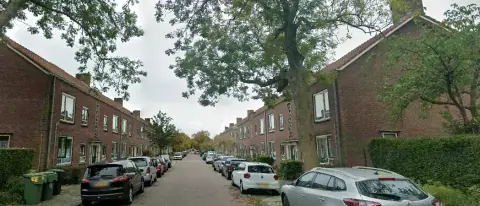
A significant share of social housing was built before modern energy regulations were introduced. While newer private developments often meet higher insulation and energy-efficiency standards, older rental blocks have single-glazed windows and minimal roof or wall insulation. This leads to higher indoor temperatures during heat waves and greater energy costs.
2. Location and Land Use
Many social housing estates are situated on land reclaimed from former wetlands or floodplains. Increased frequency of heavy rainfall and rising groundwater tables mean tenants face more frequent basement flooding and moisture-related issues such as mould.
3. Financial and Regulatory Constraints
Tenants in social housing typically have lower incomes and cannot afford expensive cooling systems or retrofits. At the same time, housing corporations operate under tight budgets and regulatory oversight:
Rental regulations: Tenants cannot make permanent modifications to their units without approval, and corporations must adhere to strict cost-recovery rules.
Funding gaps: Government subsidies for sustainability are limited, and housing corporations must balance climate adaptation with other urgent maintenance backlogs.
The Social Inequality of Climate Change
The report warns that climate change doesn’t just impose physical risks—it exacerbates existing social inequalities. Lower-income households spend a higher share of their income on energy bills. When heat waves or floods strike, they lack both the financial cushioning and the regulatory freedom to insulate or elevate their homes, creating a cycle of vulnerability.
Liesbeth Spies, chair of the Dutch housing association Aedes, emphasises that “climate change not only increases physical risks but also social inequality.” With finite resources, housing corporations must prioritise—but every postponement deepens tenants’ exposure.
Collaboration and a National Framework
Aedes is calling for a cohesive approach to climate adaptation in social housing:
National guidelines with local adaptation: A framework should set baseline standards for climate resilience while allowing municipalities to tailor solutions based on local risks.
Cross-sector partnerships: Collaboration among housing corporations, water boards (waterschappen), municipalities (gemeenten) and the financial sector can unlock innovative financing models.
Tenant engagement: Residents should be involved in planning so that retrofits meet real needs and foster community support.
“By investing now in climate adaptation, we prevent higher costs and damage in the future,” Spies told NOS.
Practical Strategies for Climate-Resilient Social Housing
Housing corporations and municipalities can explore several cost-effective measures:
Green roofs and façade shading: These reduce indoor temperatures and absorb stormwater.
Rain gardens and permeable pavements: To manage surface runoff and lower flood risk.
Groundwater pumping systems: In high water-table zones, movable pumps can protect basements.
Energy-efficient window replacements: Prioritise the most vulnerable buildings first, using scalable procurement to lower unit costs.
Funding can come from a mix of government grants (e.g., regional climate funds), low-interest loans from development banks and targeted private-public partnerships.
Implications for Tenants and Municipalities
Tenants should be informed about their rights to a safe and healthy living environment. Municipalities can:
Conduct risk mapping to identify the most vulnerable estates.
Liaise with housing corporations to ensure retrofit projects align with broader urban resilience plans.
In turn, housing corporations must maintain transparent communication about planned upgrades, timelines and expected benefits.
Looking Ahead
As the Netherlands grapples with severe housing shortages, adding climate resilience to the agenda is crucial. Social housing tenants cannot be left behind in the race to adapt. A coordinated effort—backed by clear national guidelines, collaborative funding models and active tenant participation—can protect low-income households from the growing threats of heat, floods and groundwater issues.
By acknowledging the unequal burden of climate change and acting now, the social housing sector can turn vulnerability into resilience.
Looking for your next rental home in the Netherlands? Discover thousands of listings on Luntero—the easiest way to find your perfect rental.
Understand Dutch rental terms before you sign the lease.
Renting in the Netherlands comes with unique rules, legal phrases, and housing abbreviations that can be tricky. The Luntero Rental Glossary is your guide to every rental term — from tenancy agreements, deposits, and agency fees to utility charges, rent control, and tenant rights. Whether you’re new to renting, moving as an expat, or just want to avoid hidden costs, our glossary helps you rent smarter, negotiate better, and protect yourself from mistakes.