Home Conversions in the Netherlands Dip by 10%: What’s Driving the Decline in 2024?
In 2024, the Netherlands saw a 10% drop in homes created by converting vacant offices and shops, marking the third consecutive year of decline. Discover the regional trends, underlying challenges, and future outlook for these adaptive reuse projects.
Guide last updated on: November 4, 20254 min read
Table of Contents
Table of Contents
Further Reading on Renting in the Netherlands
Newest Properties in the Netherlands
Explore the latest properties added to Luntero. Find new apartments, houses, and studios across the Netherlands — updated daily to help you discover your next home faster.
Why Luntero
One Workspace for Your Dutch Rental Search
Luntero brings represented apartments, rooms, studios and houses from Dutch rental sources into one searchable place. Use the available filters to narrow your options, then check the original listing for current availability, price, conditions and application steps.
Listings From Many Dutch Sources
Browse rental listings collected from Funda, Pararius, Kamernet and other supported sources in one place. Coverage is broad but not exhaustive, and the original listing remains authoritative.
Intuitive User-Friendly Interface
Navigate our clean and straightforward design effortlessly on both desktop and mobile devices for a seamless apartment, house, or room hunting experience in the Netherlands.
Multilingual Support for Expats & Locals
Browse rental listings in English, Dutch, Spanish, French, German, and more. Luntero ensures you can find your next home in the Netherlands in the language you're most comfortable with.
Regular Listing Refreshes
Luntero refreshes collected listings regularly and search alerts email new matches after a successful check. A source can change between refreshes, so verify decisive details there.
Understand Dutch rental terms before you sign the lease.
Renting in the Netherlands comes with unique rules, legal phrases, and housing abbreviations that can be tricky. The Luntero Rental Glossary is your guide to every rental term — from tenancy agreements, deposits, and agency fees to utility charges, rent control, and tenant rights. Whether you’re new to renting, moving as an expat, or just want to avoid hidden costs, our glossary helps you rent smarter, negotiate better, and protect yourself from mistakes.
Home Conversions in the Netherlands Dip by 10%: What’s Driving the Decline in 2024?
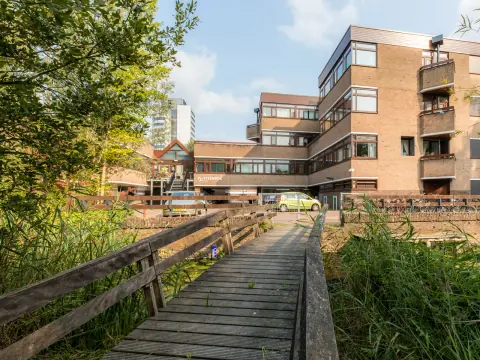
Converting vacant offices, shops, and other non-residential buildings into homes has been a key strategy to address the Dutch housing shortage. In 2024, however, the Netherlands saw only 7,900 new homes created through adaptive reuse—a 10% decrease compared to the previous year, according to Statistics Netherlands (CBS). This marks the third straight year of decline, raising questions about the future of conversion projects and their role in bolstering the country’s housing stock.
National Overview: From Rapid Growth to Gradual Slowdown
Adaptive reuse accounted for roughly 9% of all housing additions in 2024, with new build projects remaining the dominant force (69,000 new homes). After peaking in recent years, conversion numbers have tapered off due to a combination of market dynamics and regulatory constraints. Early estimates suggest the downward trend may continue, with only 2,900 conversion-based homes added in the first half of 2025.
Regional Breakdown: Winners and Laggards
Across the provinces, the impact of the slowdown varies significantly:
Noord-Holland: The sharpest fall occurred here, with converted homes plunging 51% from 2023. In particular, Amsterdam’s share of national conversions shrank from 13% to 3%.
Zuid-Holland: Led the country with 1,970 new conversions, buoyed by strong performance in Rotterdam, which alone contributed 925 homes (almost 12% of the national total).
Noord-Brabant: Ranked third with 1,320 conversions, benefiting from flexible municipal policies and a burgeoning interest in urban living.
Smaller provinces saw more modest shifts but generally mirrored the national downturn.
Types of Buildings: Offices Remain Popular, Shops Lose Ground
Not all building types are experiencing the same momentum:
Office Conversions: Up 11% to around 2,800 units. Many underused office blocks in city outskirts and business parks are still prime targets for conversion.
Shop-to-Home Projects: Nearly halved to 1,200 units. High street shop vacancies can pose structural challenges and are often located in heritage areas where stricter preservation rules apply.
Other structures—such as schools, warehouses, and light industrial sites—account for the remaining conversions, though these projects tend to be more complex and time-consuming.
Challenges Behind the Decline
Experts point to several factors driving the slowdown:
Exhaustion of „Low-Hanging Fruit“ Many of the easiest, most cost-effective buildings were already transformed in earlier years. Remaining vacant properties often require expensive upgrades, extensive fire-safety work, or significant layout changes.
Regulatory Hurdles Developers must navigate environmental standards, zoning plans, and building codes that may not easily accommodate residential use. Municipalities also face pressure from neighborhood associations and local businesses, which can delay or block projects.
Suitability and Location Of the 40,000+ vacant buildings nationwide, only a fraction meet the criteria for conversion—proximity to transport, adequate sunlight, and structural integrity. Industrial estates, for instance, rarely offer the residential appeal or amenities tenants seek.
Rising Costs and Financing The construction sector is grappling with inflation, labor shortages, and higher interest rates, pushing up the price tag on retrofit projects.
Dr. Peter Boelhouwer, professor of housing market development at Delft University of Technology, warns that “you don’t build homes on an industrial estate,” highlighting how environmental restrictions and local objections often stall conversions.
Policy and Market Responses
To counteract the slowdown, policymakers and industry stakeholders are exploring new solutions:
Incentives and Grants Some municipalities have introduced subsidies for brownfield redevelopment and tax breaks for adaptive reuse projects.
Streamlined Permitting Pilot programs in select cities aim to fast-track approval processes for proven conversion plans.
Public–Private Partnerships Cooperation between housing corporations (woningcorporaties), local governments (gemeente), and private developers is being encouraged to pool resources and share risk.
While these measures show promise, experts say it will take time for policy changes to yield noticeable results in conversion statistics.
Outlook: Can Conversions Regain Momentum?
Despite the current slowdown, conversions are likely to remain a key component of the Dutch housing strategy. Cities facing rigid development constraints—such as Amsterdam and Utrecht—still view adaptive reuse as one of the few viable ways to increase supply without encroaching on greenfield land.
Looking ahead, emerging technologies like modular retrofit systems and digital planning tools could lower costs and simplify the design process. At the same time, evolving housing preferences—such as the demand for smaller, energy-efficient units—may open new avenues for creative reuse of non-residential spaces.
However, revitalizing the sector will require continued collaboration between developers, planners, and communities to balance economic viability with social acceptance.
Conclusion
The 10% fall in home conversions last year signals a maturing market where simple projects have been completed and the remaining opportunities demand more innovation. For landlords, tenants, and policymakers alike, understanding these dynamics is crucial to shaping the next phase of Dutch housing growth.
Ready to explore available rental options across the Netherlands? Discover thousands of listings and simplify your search with Luntero—the easiest way to find your next home.
Understand Dutch rental terms before you sign the lease.
Renting in the Netherlands comes with unique rules, legal phrases, and housing abbreviations that can be tricky. The Luntero Rental Glossary is your guide to every rental term — from tenancy agreements, deposits, and agency fees to utility charges, rent control, and tenant rights. Whether you’re new to renting, moving as an expat, or just want to avoid hidden costs, our glossary helps you rent smarter, negotiate better, and protect yourself from mistakes.