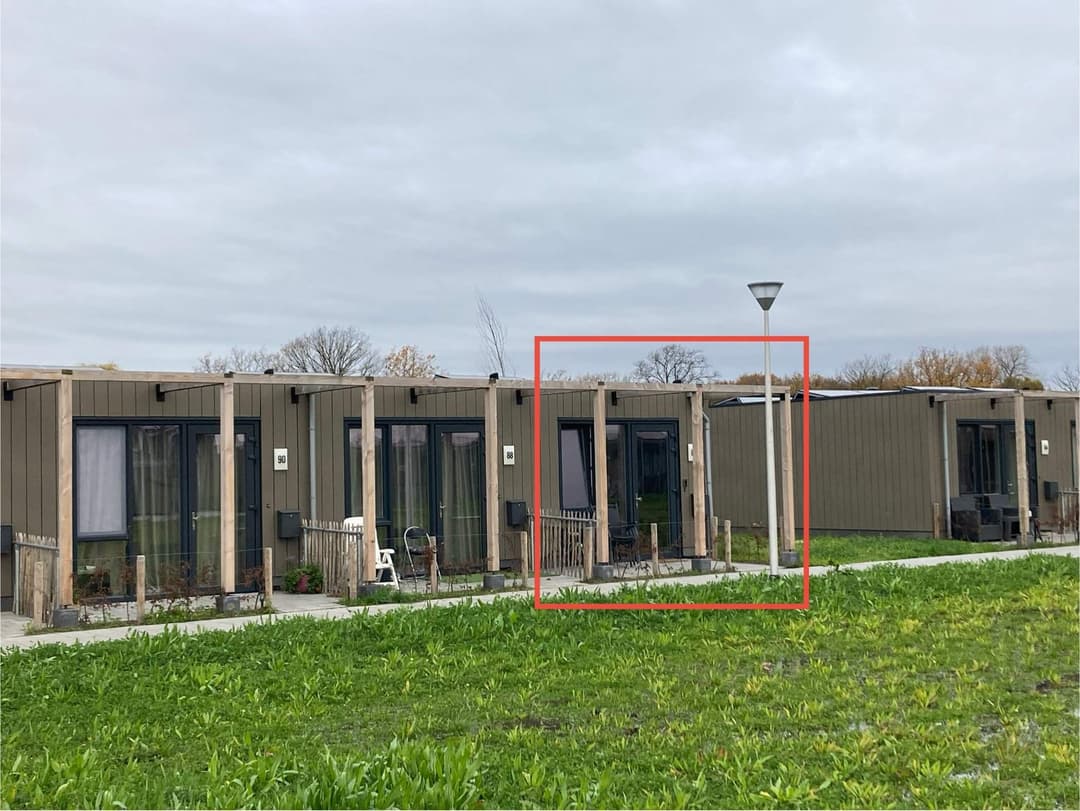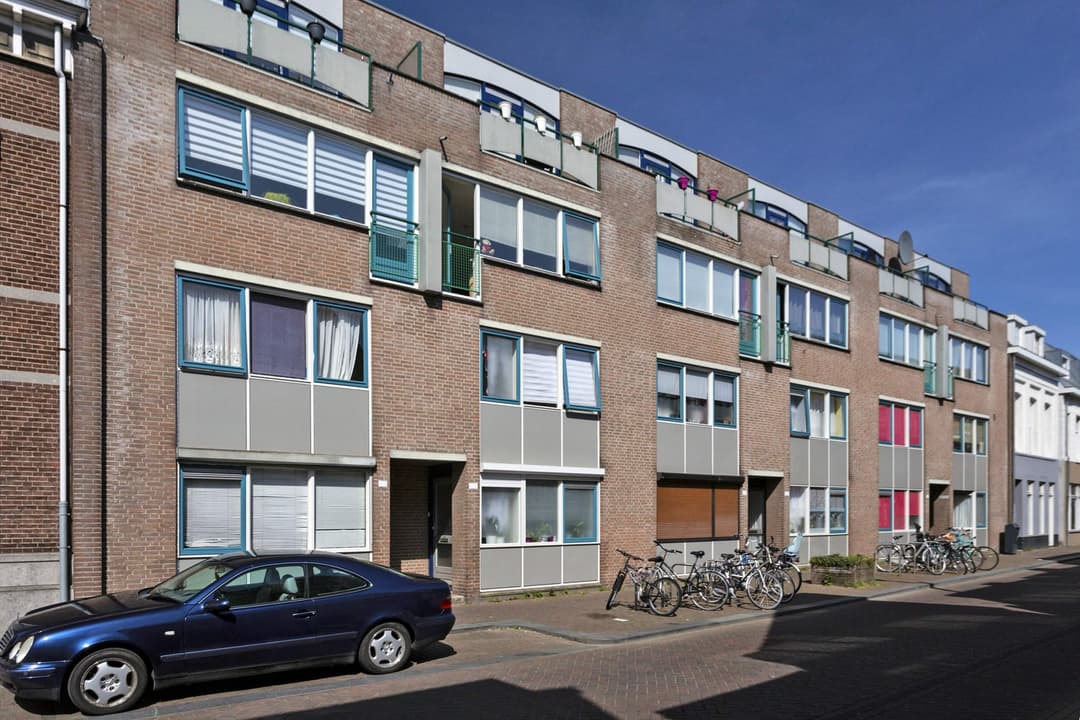
Alvast vs Luntero : plateformes de location néerlandaises comparées
Découvrez une analyse complète de Alvast, Luntero et voyez les performances de chaque plateforme de location selon les fonctionnalités clés, la tarification et l’ergonomie. Notre comparaison met en lumière les atouts et compromis pour identifier ce qui compte vraiment pour votre recherche. Transparence, praticité ou meilleures offres : cette vue côte à côte vous aide à choisir la plateforme la plus adaptée.
Comparaison relue le : 19 août 2025
Introduction : comparaison entre Alvast et Luntero
Chercher un logement à louer aux Pays-Bas — qu’il s’agisse d’appartements à Amsterdam, de locations à Rotterdam ou de logements étudiants à Utrecht — revient à choisir entre différents types de plateformes : fournisseurs directs (première main) et agrégateurs couvrant tout le marché. Ce guide compare Alvast (un prestataire certifié KLB spécialisé en antikraak/anti-squat et locations temporaires) avec Luntero (un agrégateur national avec filtres avancés, cartes et interface multilingue). Lisez la suite pour savoir où chaque plateforme excelle, quels types d’annonces elles couvrent, la tarification et les paywalls, les outils pour les trajets et l’exploration de quartiers, ainsi que des recommandations pratiques pour expatriés, étudiants et familles.
Couverture et annonces : Alvast vs Luntero
Couverture et inventaire d’Alvast
- Focus : anti-squat (antikraak) et locations temporaires sous la Leegstandwet.
- Villes : offres actives à Amsterdam, Rotterdam, La Haye, Utrecht, Eindhoven et d’autres communes dans les provinces listées.
- Types de biens : chambres, studios, appartements, maisons et unités de courte durée.
- Échelle : gestion en première main avec un inventaire qui tourne rapidement en raison de la réhabilitation et de l’usage temporaire.
- Durée typique : flexibilité à court terme (occupation immédiate en anti-squat avec préavis de 28 jours ; location temporaire avec au moins 6 mois de protection locataire selon le cas).
Pourquoi c’est important : l’inventaire d’Alvast est distinctif — options temporaires et à faible coût rarement listées sur les portails grand public. Cela peut être une bonne façon de trouver rapidement un logement économique si vous acceptez les compromis.
Couverture et inventaire de Luntero
- Focus : flux agrégé à l’échelle nationale provenant des principaux portails néerlandais et sites d’agences.
- Villes : forte couverture pour Amsterdam, Rotterdam, La Haye, Utrecht et Eindhoven.
- Types de biens : chambres, studios, appartements, maisons, annonces de courte et longue durée.
- Échelle : environ 20 000 annonces collectées depuis diverses sources (agrégation en temps réel selon les rapports).
- Durée typique : gamme complète — des locations courtes aux contrats longue durée selon la source originale.
Pourquoi c’est important : Luntero offre une visibilité large du marché en un seul endroit — idéal pour les locataires souhaitant comparer les annonces entre portails et gagner du temps.
Tarification et paywalls : ce que vous paierez (ou pas)
Alvast
- Consultation : navigation gratuite des annonces.
- Candidature : verrouillée — inscription requise pour postuler.
- Frais : frais administratifs et frais optionnels de kit de sécurité ; plafonds indiqués incluant un frais d’enregistrement facturé sur le contrat, ainsi que des montants administratifs et pour le kit de sécurité spécifiés (les indications publiques montrent des frais uniques modestes).
- Coût mensuel : frais anti-squat (bruikleenvergoeding) généralement jusqu’à 250 € ; la location temporaire s’applique sous les règles de la Leegstandwet et peut exclure les charges.
- Dépôts : souvent l’équivalent de 2× le montant mensuel.
Luntero
- Consultation : totalement gratuite, sans paywall.
- Candidature : Luntero redirige les utilisateurs vers la source originale pour postuler — pas de frais de locataire de la part de Luntero lui-même.
- Valeur : alertes gratuites, outils de comparaison et filtres avancés sans coût.
Conclusion pratique : choisissez Alvast pour des coûts mensuels extrêmement bas quand un logement temporaire est acceptable ; optez pour Luntero si vous voulez une recherche gratuite à l’échelle du marché et des outils sans barrières d’abonnement.
Fonctionnalités et outils : filtres, cartes, IA et données de quartier
Fonctionnalités d’Alvast
- Portail résident en première main pour les réparations et la gestion de compte.
- Gestion des vacants certifiée KLB et conditions contractuelles claires pour les offres anti-squat et location temporaire.
- Détails d’annonces simples axés sur les règles spécifiques des offres antikraak et Leegstandwet.
Forces et limites : Alvast met l’accent sur la clarté juridique/réglementaire et la gestion directe, mais manque d’exploration avancée basée sur la carte et de filtres comparatifs larges présents chez les agrégateurs.
Fonctionnalités de Luntero
- Agrégation des sources du marché (y compris annonces provenant des principaux portails et agences).
- Filtres d’exploration avancés (quartiers, type de bien, animaux, dépôt et durée du contrat).
- Intégration des points d’intérêt (POI) — écoles, transports, commodités affichés près des annonces.
- Isochrones sur carte et visualisation de la distance/temps de trajet — voir les temps de déplacement vers le travail ou le campus.
- Résumés générés par IA pour filtrer rapidement les annonces.
- Vue de comparaison côte à côte pour présélectionner et évaluer plusieurs logements.
- Interface multilingue (anglais, néerlandais, espagnol, français, allemand) et alertes intégrées.
Pourquoi c’est important : les outils de Luntero accélèrent la recherche, diminuent le va-et-vient entre plateformes, et aident les expatriés et étudiants à comparer les emplacements selon le temps de trajet et les commodités à proximité.
Qualité des données et vérification
Alvast
- Les annonces sont en première main (gérées directement), ce qui réduit les risques d’annonces récupérées (scrapées) ou en double et offre une responsabilité plus claire.
- La certification KLB impose des pratiques standardisées pour la gestion des vacants.
- Profil de risque : le prix bas est souvent corrélé à des bâtiments plus anciens ou réaffectés temporairement ; inspectez les biens et confirmez les arrangements pour les charges.
Luntero
- Modèle agrégateur : couverture large mais la plateforme ne vérifie pas individuellement chaque annonce.
- Approche : renvoi à la source originale et encouragement à vérifier sur la page de l’agence ou du propriétaire.
- Profil de risque : disponibilité changeante et liens parfois périmés sont des limites courantes des agrégateurs — confirmez les annonces en contactant rapidement la source.
Conseil pratique : quel que soit la plateforme, vérifiez l’identité du propriétaire, les conditions du contrat, les règles de dépôt et si les charges sont incluses avant de signer.
Qui doit utiliser Alvast vs Luntero ? (expatriés, étudiants, familles)
Cas d’usage recommandés pour Alvast
- Étudiants et jeunes professionnels avec un budget serré qui peuvent tolérer des préavis courts.
- Locataires cherchant des coûts mensuels bas en centres urbains et ouverts à une occupation flexible.
- Personnes privilégiant une relation contractuelle en première main avec un gestionnaire de vacance et une clarté réglementaire (certification KLB).
Peu idéal pour : familles ayant besoin de stabilité, locataires avec animaux (souvent restreints), toute personne nécessitant une prévisibilité à long terme.
Cas d’usage recommandés pour Luntero
- Expatriés souhaitant une expérience axée sur l’anglais et une large couverture du marché.
- Étudiants comparant chambres et studios à travers les portails et les universités.
- Familles et professionnels évaluant les quartiers selon le trajet et les commodités locales.
- Locataires souhaitant des alertes gratuites, des résumés IA et une comparaison côte à côte sans payer pour des outils pro.
Astuce : Luntero est particulièrement utile lorsque vous voulez trouver un logement à Amsterdam ou comparer rapidement des locations à Rotterdam entre plusieurs sources.
Focus Luntero : éléments différenciateurs et importance
Lorsque vous comparez Luntero à des fournisseurs de niche ou à des recherches sur un seul portail, plusieurs éléments différenciateurs ressortent :
- Filtres d’exploration avancés : affinez les recherches par quartier, conditions contractuelles, dépôts, politiques pour animaux et plus — utile pour des recherches précises comme « locations étudiantes à Utrecht » ou « appartements à La Haye acceptant les animaux ».
- Points d’intérêt (POI) : visualisez les écoles, universités et transports à proximité, ce qui aide rapidement les familles et les étudiants à évaluer la convenance d’un quartier.
- Isochrones et distances de trajet sur la carte : visualisez les temps de déplacement vers le travail ou le campus ; cela réduit les approximations lors du choix entre banlieues et centre-ville.
- Interface multilingue : prend en charge l’anglais, le néerlandais, l’espagnol, le français et l’allemand, réduisant les frictions pour expatriés et étudiants internationaux.
- Résumés générés par IA et vue de comparaison : accélèrent la prise de décision en mettant en avant les faits clés des annonces et en permettant une évaluation côte à côte.
Pourquoi c’est important : les outils de Luntero sont conçus pour l’aide à la décision — si vous devez comparer temps de trajet, commodités et clauses contractuelles sur de nombreuses annonces, ces fonctionnalités vous font gagner des heures de recherche manuelle et réduisent les risques de passer à côté d’options intéressantes.
Avantages et inconvénients : résumé comparatif rapide
Alvast
- Avantages : coûts mensuels très bas ; certifié KLB ; annonces en première main réduisant certains risques de fraude ; règles claires à court terme.
- Inconvénients : conditions temporaires/anti-squat ; candidatures verrouillées ; outils d’exploration de quartier limités ; dépôts et frais administratifs toujours applicables ; avis publics mitigés.
Luntero
- Avantages : agrégateur national gratuit ; filtres et cartographie avancés (isochrones) ; couches POI ; résumés IA ; interface multilingue ; alertes et outils de comparaison.
- Inconvénients : ne vérifie pas individuellement chaque annonce ; la disponibilité peut changer rapidement ; vous devez postuler via la source.
Guide de décision : choisissez selon vos priorités
-
Choisissez Alvast si :
- Votre objectif principal est un coût mensuel bas et vous pouvez accepter une durée de séjour courte ou flexible.
- Vous êtes étudiant ou jeune professionnel à l’aise avec des arrangements anti-squat ou temporaires.
- Vous préférez une relation en première main et une gestion de vacance certifiée KLB.
-
Choisissez Luntero si :
- Vous voulez une couverture du marché avec des outils de découverte puissants et une interface multilingue.
- Vous devez comparer rapidement les temps de trajet, les écoles et les commodités entre plusieurs annonces.
- Vous êtes expatrié ou une famille cherchant une location à plus long terme et souhaitez des comparaisons côte à côte et des alertes.
Étapes pratiques pour les locataires utilisant l’une ou l’autre plateforme
- Utilisez Luntero pour scanner le marché et définir des alertes pour votre quartier cible et votre fourchette de prix.
- Lorsque vous trouvez des options temporaires via Alvast, vérifiez les conditions spécifiques anti-squat vs location temporaire et inspectez le logement.
- Confirmez les règles de dépôt et de charges — Alvast indique souvent un dépôt équivalent à 2× et des charges potentiellement exclues.
- Priorisez la visite et les vérifications d’identité pour tout accord — rencontrez toujours le propriétaire/gestionnaire ou utilisez un agent de confiance.
- Si vous êtes expatrié, exploitez l’interface multilingue et les isochrones de Luntero pour présélectionner des zones où les transports en commun conviennent à votre trajet quotidien.
Réflexions finales
Alvast et Luntero occupent des positions différentes mais complémentaires dans l’écosystème de la location aux Pays-Bas. Alvast est une solution pragmatique pour les locataires soucieux de leur budget qui acceptent des règles d’occupation temporaires ; Luntero est un agrégateur moderne qui accélère la découverte et la comparaison grâce à des filtres puissants, des cartes et une expérience multilingue. Pour de nombreux locataires — en particulier expatriés et étudiants — le flux de travail le plus rapide consiste à utiliser Luntero pour identifier des quartiers viables et des annonces comparables, puis à considérer Alvast ou d’autres prestataires directs si des options temporaires et peu coûteuses sont acceptables. Quelle que soit votre décision, vérifiez toujours l’annonce source et les conditions contractuelles avant de vous engager.
Parcourir et comparer les plateformes de location néerlandaises
Découvrez les meilleurs sites de location aux Pays-Bas. Comparez fonctionnalités, prix et disponibilité sur les principales plateformes pour trouver votre prochain appartement plus vite et plus sereinement. Nos comparaisons détaillées facilitent le choix de la plateforme qui vous convient.
Tableau de comparaison des plateformes
Un tableau de comparaison détaillé montrant comment Alvast, Luntero se comparent selon les fonctionnalités clés, les modèles tarifaires et l’ergonomie, pour vous aider à choisir la meilleure plateforme de location aux Pays-Bas.
Nouvelles propriétés aux Pays-Bas
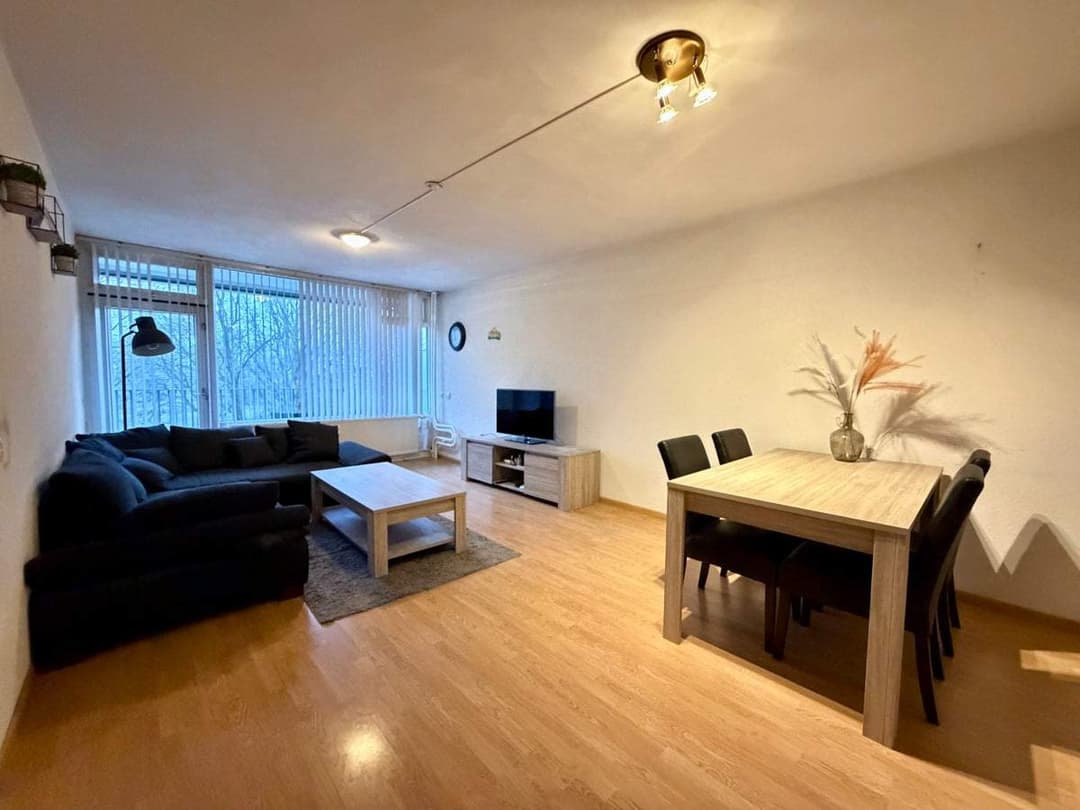
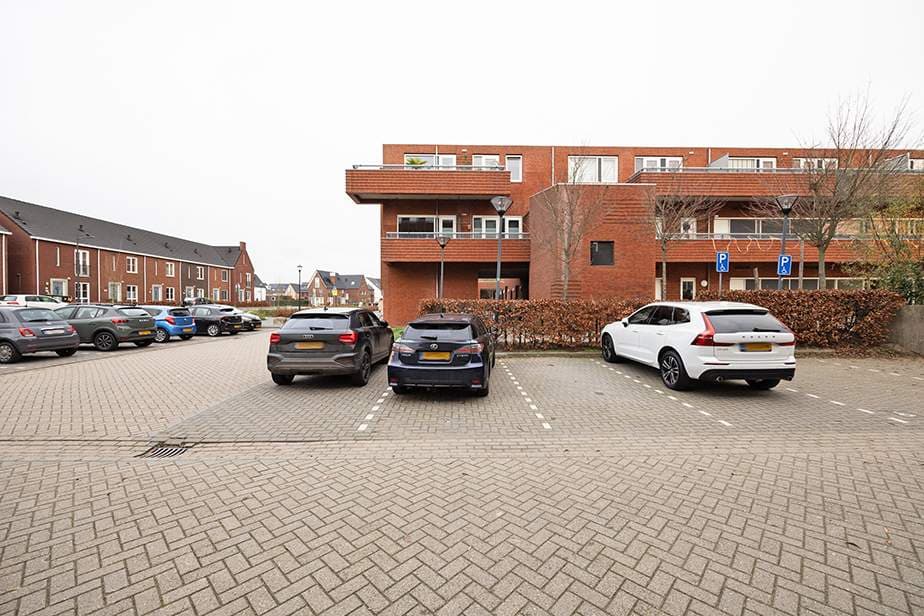
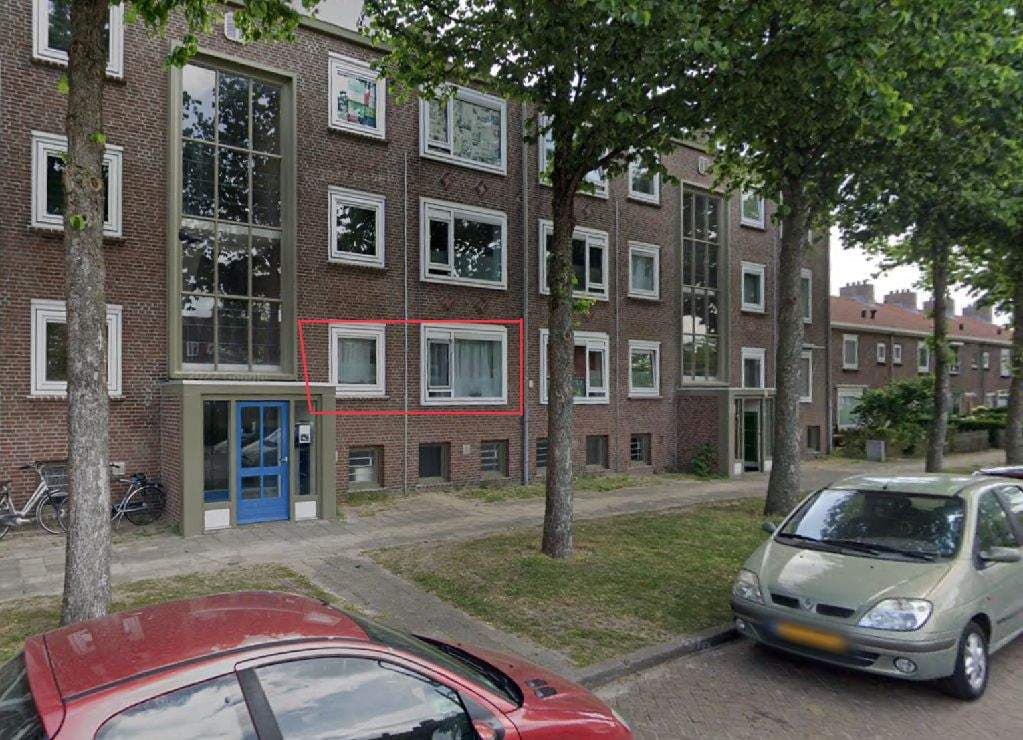
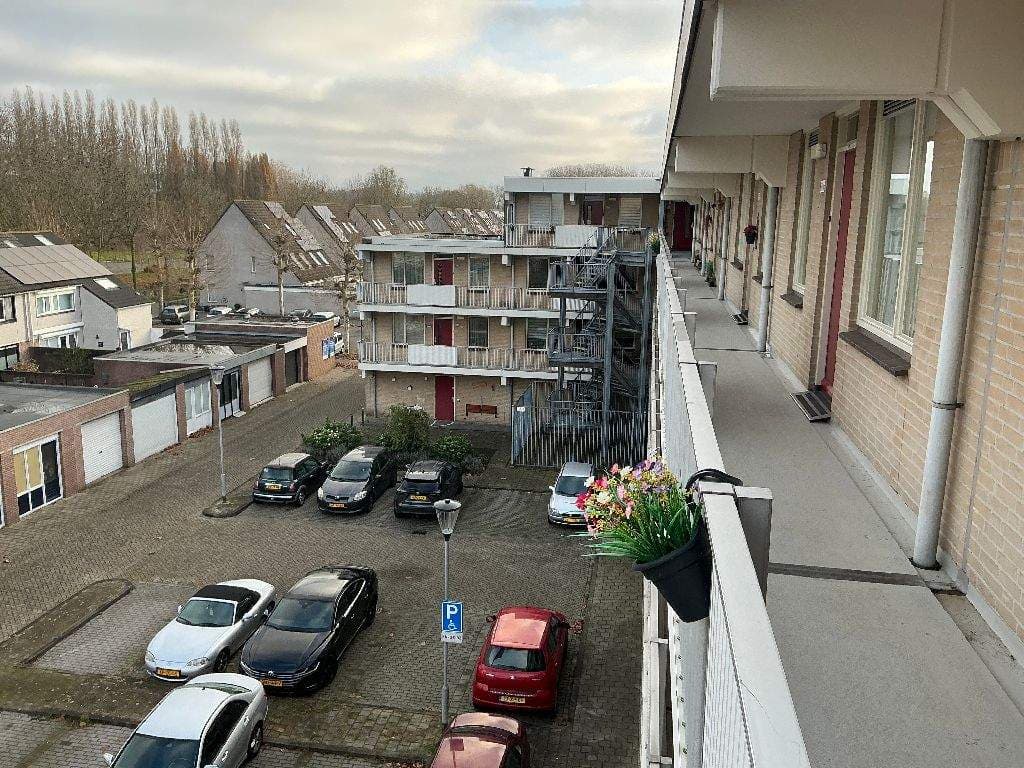
Découvrez les dernières propriétés ajoutées sur Luntero. Trouvez de nouveaux appartements, maisons et studios à travers les Pays-Bas — mis à jour chaque jour pour vous aider à trouver plus rapidement votre nouveau logement.
Liens rapides

LUNTERO
Trouvez votre chemin vers la maison avec plus de 20 000 annonces à portée de main !
Découvrez nos autres applications :




Plateforme de location aux Pays-Bas
Guides de location aux Pays-Bas
Manuels et checklists de location aux Pays-Bas
Données du marché locatif aux Pays-Bas
Ressources logement aux Pays-Bas
Recherches populaires de location aux Pays-Bas


© 2025 Luntero. Tous droits réservés.