
30% Ruling
A significant tax advantage for eligible international employees, making them highly attractive tenants to landlords.

Welkomstgids
A welcome guide is a document provided by a landlord or relocation agency with practical information about the rental property and local neighborhood.
A welcome guide, sometimes called a tenant handbook or welcome pack, is a curated document provided to a new tenant at the start of their lease. Unlike the legally binding rental contract, the welcome guide is a practical, user-friendly manual for the property and the surrounding area. A thoughtful landlord or property manager will compile this guide to ensure a smooth handover and to preemptively answer the most common questions a new resident might have. This simple act of hospitality can significantly improve the tenant's initial experience and reduce the number of follow-up queries the landlord has to field.
The contents of a good welcome guide are focused on practicality. For the property itself, it should include information on how to operate the heating system (CV-ketel), the location of the utility meters and the main water shut-off valve, and the specific model numbers of appliances for troubleshooting. It should also clearly state the procedures for reporting maintenance issues. For the building and neighborhood, it can include crucial details like the schedule for trash and recycling collection (afvalkalender), rules for common areas, contact information for the building manager (huismeester), and recommendations for local supermarkets, pharmacies, and public transport links.
The provision of a welcome guide is not a legal requirement; it is entirely at the discretion of the landlord. As such, the quality, accuracy, and usefulness of these guides can vary dramatically. A top-tier relocation agency might provide a glossy, professionally printed binder filled with comprehensive, up-to-date information. On the other hand, an individual private landlord might provide a single-page, hastily typed document with outdated information. The existence of a guide is often a good indicator of a professional and organized landlord, but its absence is not necessarily a red flag.
It is important for a tenant to treat the welcome guide as a helpful starting point, not as an infallible source of truth. Information can become outdated. The recommended local bakery might have closed, or the trash collection schedule might have changed. Always verify critical information, like emergency contact numbers, from official sources. While the welcome guide is a practical tool, it is also a gesture. It signals a landlord's willingness to be helpful and can set a positive tone for the landlord-tenant relationship from the outset. However, it does not replace the need for the tenant to be proactive in familiarizing themselves with their new home and neighborhood.
Table of Contents
Terms from the same part of the rental process, so you can read them together instead of looking each one up separately.
A significant tax advantage for eligible international employees, making them highly attractive tenants to landlords.
An internationally recognized form of certification that validates the authenticity of a public document for use in another country.
A car lease for expats is a long-term rental agreement for a vehicle, often with all-inclusive pricing that covers insurance, maintenance, and taxes, tailored to foreign nationals.
A unique personal identification number required for virtually all administrative tasks in the Netherlands, including renting a property.
Commute time in the Netherlands is a critical calculation, often measured in cycling minutes or public transport zones rather than just distance.
A corporate lease is a rental agreement where a company, rather than an individual, is the official tenant and bears the legal and financial responsibility.
Move from the literal wording of Welcome Guide to exceptions, eligibility, and Dutch context for practical meaning.
Every glossary entry that belongs to Expat Considerations, collected on one page.
See TermsLook up a term, abbreviation or contract phrase and get a plain-language explanation with Dutch and English wording.
Search termsLonger guides that walk through applications, contracts, costs and moving, with the terminology used in context.
Read the guidesExplore the latest properties added to Luntero. Find new apartments, houses, and studios across the Netherlands — updated daily to help you discover your next home faster.
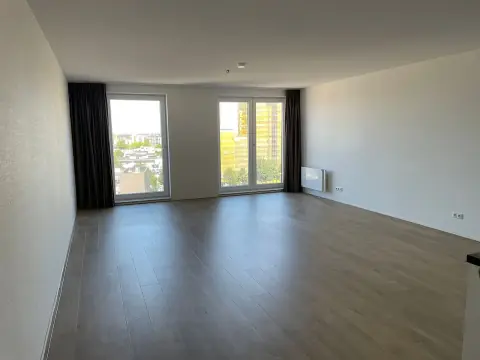
€1,159.00 / month

€600.00 / month
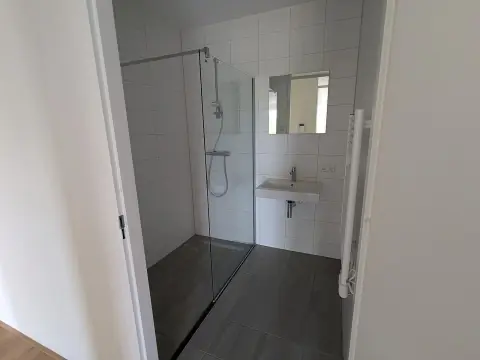
€932.00 / month
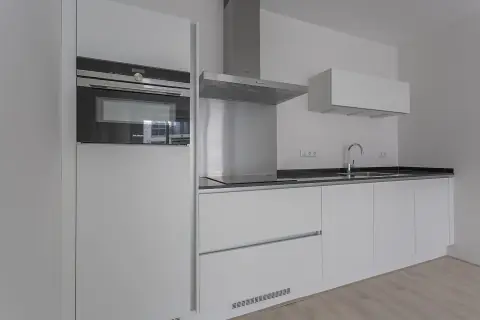
€1,187.00 / month
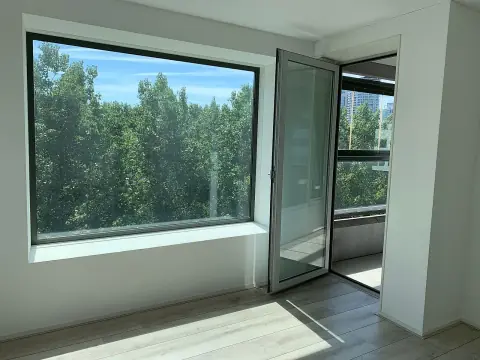
€1,845.00 / month
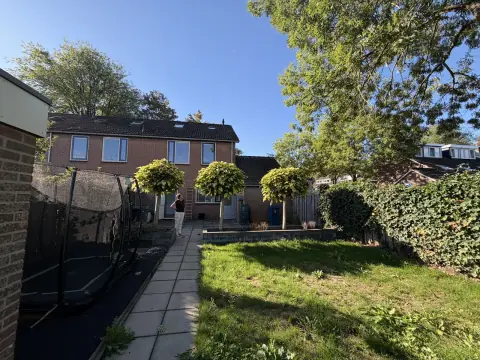
€933.00 / month

€1,899.00 / month
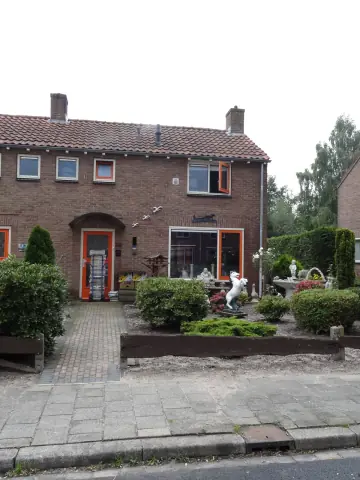
€765.00 / month
€714.00 / month

€1,596.00 / month

€714.00 / month

€1,210.00 / month
Luntero brings represented apartments, rooms, studios and houses from Dutch rental sources into one searchable place. Use the available filters to narrow your options, then check the original listing for current availability, price, conditions and application steps.
Browse rental listings collected from Funda, Pararius, Kamernet and other supported sources in one place. Coverage is broad but not exhaustive, and the original listing remains authoritative.
Navigate our clean and straightforward design effortlessly on both desktop and mobile devices for a seamless apartment, house, or room hunting experience in the Netherlands.
Browse rental listings in English, Dutch, Spanish, French, German, and more. Luntero ensures you can find your next home in the Netherlands in the language you're most comfortable with.
Luntero refreshes collected listings regularly and search alerts email new matches after a successful check. A source can change between refreshes, so verify decisive details there.