
Account Registration
The necessary first step to use a rental platform, creating a personal profile to save searches, manage applications, and gain a strategic edge.

Bezoekersparkeertarief
Charges or administrative systems for guest parking in private residential areas, a complex issue often managed through apps or permits.
While a tenant may have their own parking situation sorted out, the question of where their guests can park is a separate and often frustrating issue in Dutch urban life. Visitor parking (parkeren voor bezoekers) is rarely a simple matter of finding an empty spot on the street. It's a patchwork of municipal regulations, digital permit systems, and private building rules that can make having friends or family visit by car a surprisingly complex and potentially expensive affair. Tenants in cities should never assume their guests can park easily or for free; they need to proactively investigate the specific system that applies to their address, as it varies significantly from one neighborhood to the next.
In most city areas where paid parking is the norm, the local municipality (gemeente) typically offers a visitor parking scheme (bezoekersregeling) for its residents. This is not an automatic right; the tenant must actively apply for it. Once registered, the tenant is usually given an annual quota of parking hours at a heavily discounted rate. The system is almost always digital. The tenant uses a mobile app or website to register their visitor's vehicle license plate for the duration of their stay. The hours are then deducted from their annual quota. This system is a lifeline for urban residents, turning a prohibitively expensive parking fee (e.g., €5-€7 per hour) into a manageable one (e.g., €0.50 per hour). However, there are catches: the registration process can be bureaucratic, the annual hour limit may not be sufficient for those who host frequently, and the scheme may have time restrictions (e.g., not valid after midnight).
For tenants living in large, modern apartment complexes, there may be a private solution for visitor parking, but these are often limited. Some buildings have a small number of designated visitor spots (bezoekersplaatsen) within their private garage or on their grounds. Access to these spots is a frequent source of conflict and confusion. The rules, set by the Owner's Association (VvE), can be byzantine:
In reality, these private visitor spots are often too few to meet the demand, and tenants cannot rely on them being available. The most common scenario is a combination of a (hopefully available) municipal bezoekersregeling for on-street parking and, as a last resort, directing guests to the nearest commercial parking garage, where they will pay the full market rate.
Table of Contents
Terms from the same part of the rental process, so you can read them together instead of looking each one up separately.
The necessary first step to use a rental platform, creating a personal profile to save searches, manage applications, and gain a strategic edge.
A security measure to distinguish human users from automated bots, protecting the integrity of listings and application systems on rental platforms.
A building's caretaker or janitor, who serves as the first point of contact for minor repairs and general issues in large apartment complexes.
A personal insurance policy that covers a tenant's movable belongings against theft, fire, and damage.
A crucial personal insurance that covers you for accidental damage you cause to other people or their property.
A professional company that assists with the logistical challenge of moving belongings from one property to another.
A complete reading of Visitor Parking Fee connects exceptions, eligibility, and authority. Use Visitor Parking Fee as the starting term, then browse its other subject or search the exact related phrase before relying on it in a housing, rental, financial, contractual, or legal decision.
Every glossary entry that belongs to Other, collected on one page.
See TermsLook up a term, abbreviation or contract phrase and get a plain-language explanation with Dutch and English wording.
Search termsLonger guides that walk through applications, contracts, costs and moving, with the terminology used in context.
Read the guidesExplore the latest properties added to Luntero. Find new apartments, houses, and studios across the Netherlands — updated daily to help you discover your next home faster.
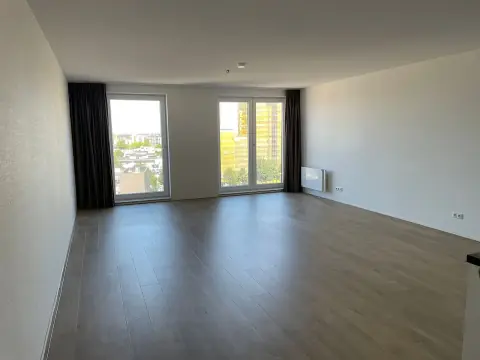
€1,159.00 / month
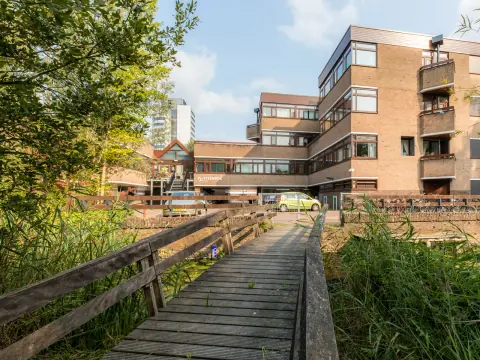
€600.00 / month
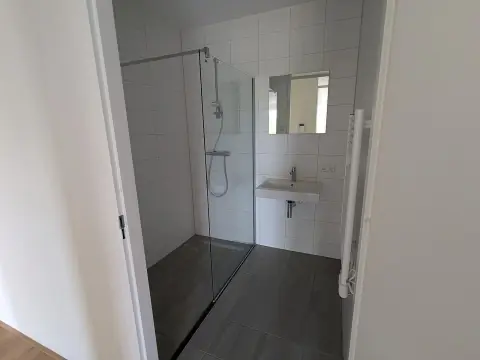
€932.00 / month
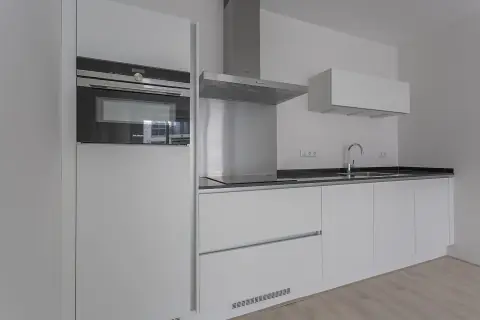
€1,187.00 / month
€1,845.00 / month
€933.00 / month
€1,899.00 / month
€765.00 / month
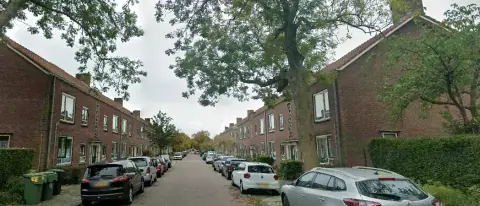
€714.00 / month

€1,596.00 / month
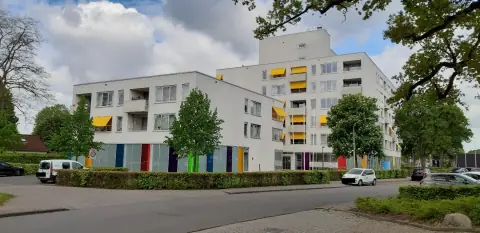
€714.00 / month
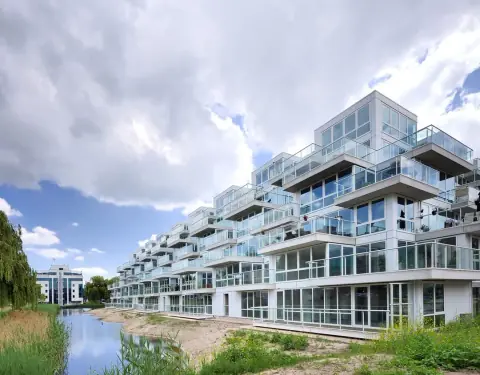
€1,210.00 / month
Luntero brings represented apartments, rooms, studios and houses from Dutch rental sources into one searchable place. Use the available filters to narrow your options, then check the original listing for current availability, price, conditions and application steps.
Browse rental listings collected from Funda, Pararius, Kamernet and other supported sources in one place. Coverage is broad but not exhaustive, and the original listing remains authoritative.
Navigate our clean and straightforward design effortlessly on both desktop and mobile devices for a seamless apartment, house, or room hunting experience in the Netherlands.
Browse rental listings in English, Dutch, Spanish, French, German, and more. Luntero ensures you can find your next home in the Netherlands in the language you're most comfortable with.
Luntero refreshes collected listings regularly and search alerts email new matches after a successful check. A source can change between refreshes, so verify decisive details there.