
advertisement
A rental advertisement in the Netherlands is the first point of contact with a property, requiring a cautious approach to avoid scams and misleading information.

Verhuurdersverklaring
A statement from a previous landlord about a tenant's behavior, a commonly requested but highly subjective and potentially biased part of an application.
A tenant reference letter, known in the Netherlands as a verhuurdersverklaring, is a document completed by a prospective tenant's current or most recent landlord. It serves as a testimonial to their conduct as a renter. In theory, it provides the new landlord with valuable insights from a third party who has direct experience with the applicant. The letter is a standard part of the documentation checklist for most real estate agencies and housing corporations. However, while it is presented as an objective reference, its actual value is highly debatable, as it is an entirely unregulated, subjective statement that can be easily influenced by the personal relationship between the tenant and their previous landlord.
Most agencies provide a standardized form for the previous landlord to fill out. The key information requested typically includes:
goedgedrag wat betreft huurbetaling).geen overlast veroorzaakt).This document must be signed and sometimes stamped by the previous landlord or property management company. A clean verhuurdersverklaring can significantly strengthen an application, while a negative one can be an immediate deal-breaker.
The fundamental weakness of the tenant reference letter is its complete lack of impartiality. The content of the letter can be easily weaponized. A disgruntled landlord, perhaps unhappy about a tenant who rightfully requested frequent maintenance or initiated a Huurcommissie procedure, could provide an unfairly negative reference as a form of retaliation. The new landlord has no way of knowing the context behind a statement that the tenant was 'difficult'. Conversely, and perhaps more commonly, a landlord desperate to get rid of a problematic tenant might provide a glowing, untruthful reference simply to facilitate their departure. Because the statements are not verifiable by any independent body, the verhuurdersverklaring is often a work of fiction, written to serve the interests of the landlord providing it, not the one receiving it.
The requirement of a verhuurdersverklaring creates a classic chicken-and-egg problem for many qualified applicants. Individuals who cannot provide one are immediately at a disadvantage. This includes:
While some landlords may accept alternatives—such as a reference from a mortgage lender or a financial guarantor (borgsteller)—others may simply move on to the next applicant who can provide the standard paperwork. This turns a simple administrative requirement into a significant barrier to entry for a large group of people.
Table of Contents
Terms from the same part of the rental process, so you can read them together instead of looking each one up separately.
A rental advertisement in the Netherlands is the first point of contact with a property, requiring a cautious approach to avoid scams and misleading information.
A fee charged by a real estate agent for their services, which a landlord is often illegally passing on to the tenant.
An AML check is a procedure to prevent illicit funds in real estate, a process that is sometimes improperly applied to tenants, creating an unnecessary burden.
Dutch real estate agents are legally required to perform due diligence on tenants to prevent money laundering, which may include verifying your identity and source of funds.
An application confirmation is a meaningless automated receipt for your submission, offering a false sense of progress before the usual silence.
The application deadline is an often extremely short timeframe designed to create artificial urgency and pressure on prospective tenants.
The Tenant Reference Letter entry explains general usage; exceptions, costs, and related terms determine how far that explanation applies.
Every glossary entry that belongs to Application Process, collected on one page.
See TermsLook up a term, abbreviation or contract phrase and get a plain-language explanation with Dutch and English wording.
Search termsLonger guides that walk through applications, contracts, costs and moving, with the terminology used in context.
Read the guidesExplore the latest properties added to Luntero. Find new apartments, houses, and studios across the Netherlands — updated daily to help you discover your next home faster.
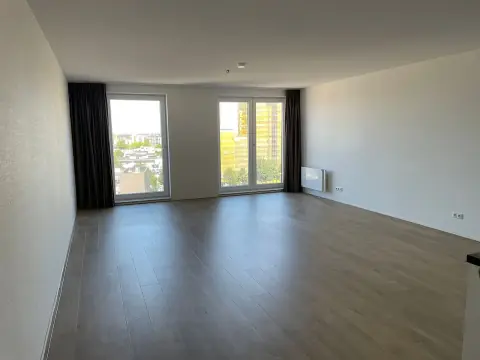
€1,159.00 / month

€600.00 / month
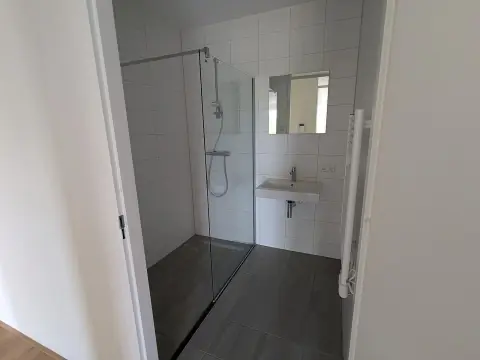
€932.00 / month
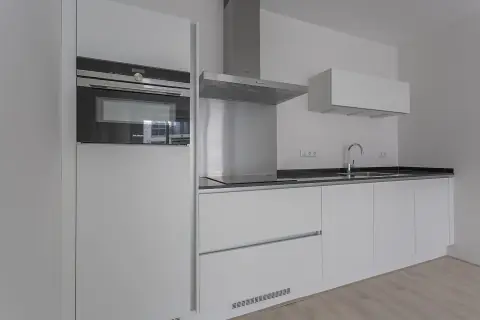
€1,187.00 / month
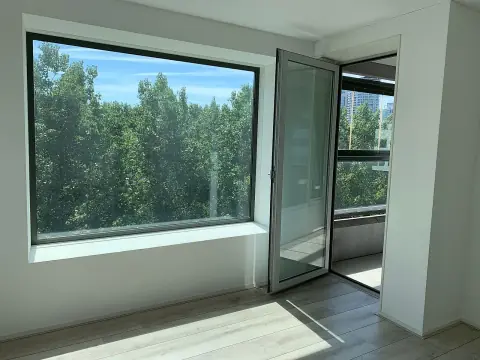
€1,845.00 / month
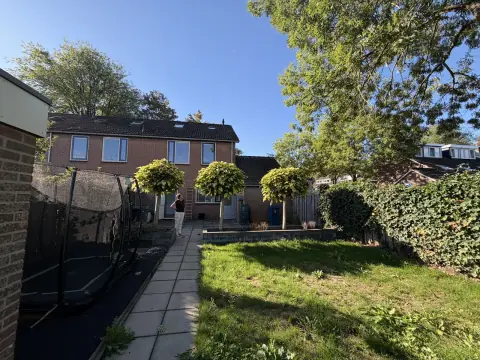
€933.00 / month

€1,899.00 / month
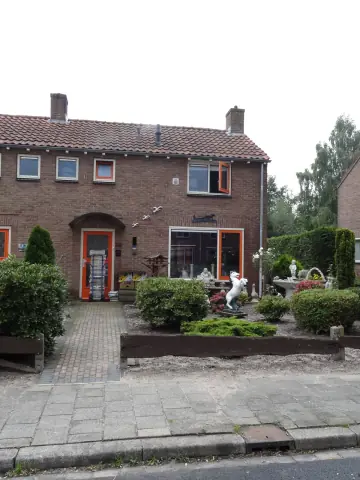
€765.00 / month
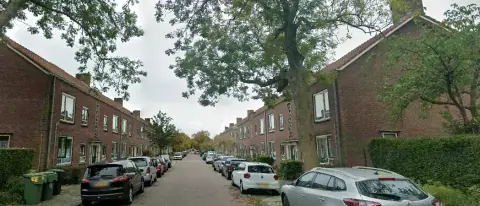
€714.00 / month

€1,596.00 / month
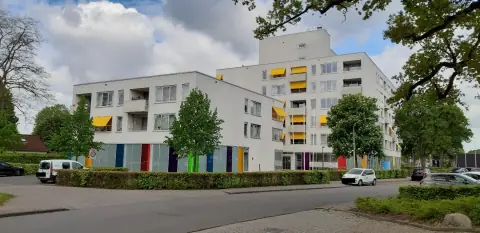
€714.00 / month

€1,210.00 / month
Luntero brings represented apartments, rooms, studios and houses from Dutch rental sources into one searchable place. Use the available filters to narrow your options, then check the original listing for current availability, price, conditions and application steps.
Browse rental listings collected from Funda, Pararius, Kamernet and other supported sources in one place. Coverage is broad but not exhaustive, and the original listing remains authoritative.
Navigate our clean and straightforward design effortlessly on both desktop and mobile devices for a seamless apartment, house, or room hunting experience in the Netherlands.
Browse rental listings in English, Dutch, Spanish, French, German, and more. Luntero ensures you can find your next home in the Netherlands in the language you're most comfortable with.
Luntero refreshes collected listings regularly and search alerts email new matches after a successful check. A source can change between refreshes, so verify decisive details there.