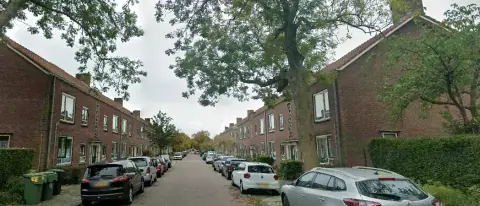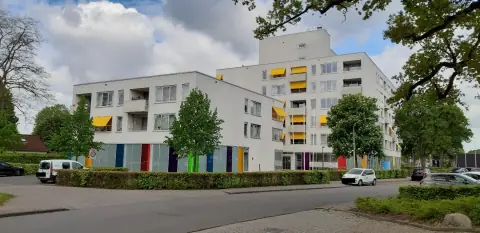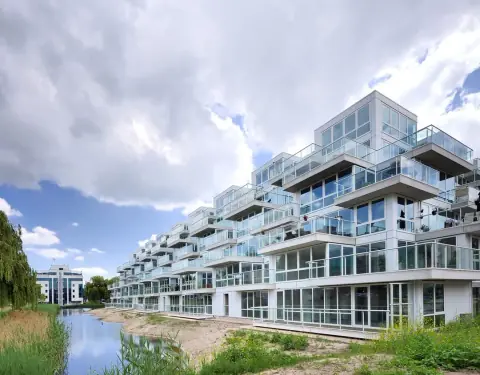
Financial support, primarily from the local municipality via the Wmo Act, to help residents with disabilities or age-related issues adapt their homes for safe and independent living.
Subsidies and Allowances
Priority Status

Prioriteitsstatus
A special status known as 'urgency' granted to certain individuals in the social housing system, allowing them to bypass the long waiting lists due to severe, acute personal circumstances.
Table of Contents
Table of Contents
Related terms
More terms from Subsidies and Allowances
Terms from the same part of the rental process, so you can read them together instead of looking each one up separately.
Grants for attic insulation are available to property owners (landlords, VvEs) through the ISDE scheme, but not directly to tenants.
A specific, often temporary and localized, subsidy that may be offered to property owners to help with the high costs of repairing or reinforcing aging balconies.
A bicycle storage subsidy is financial aid for creating secure bike parking, typically aimed at property owners' associations or developers, not individual tenants.
Broadband rollout grants are government funds for network operators to connect underserved rural areas, not for individual tenants.
The capping limit, or 'aftoppingsgrens', is a specific rent threshold within the Dutch housing allowance system that reduces the subsidy for households with lower incomes in relatively expensive homes.
Check Official Guidance, Eligibility Rules, and Application Use for Priority Status (Social)
Use Priority Status (Social) to clarify exceptions, then check costs and contracts wherever the term affects a real decision.
More about Subsidies and Allowances
Every glossary entry that belongs to Subsidies and Allowances, collected on one page.
See TermsSearch the glossary
Look up a term, abbreviation or contract phrase and get a plain-language explanation with Dutch and English wording.
Search termsRenting guides
Longer guides that walk through applications, contracts, costs and moving, with the terminology used in context.
Read the guidesNewest Properties in the Netherlands
Explore the latest properties added to Luntero. Find new apartments, houses, and studios across the Netherlands — updated daily to help you discover your next home faster.
Why Luntero
One Workspace for Your Dutch Rental Search
Luntero brings represented apartments, rooms, studios and houses from Dutch rental sources into one searchable place. Use the available filters to narrow your options, then check the original listing for current availability, price, conditions and application steps.
Listings From Many Dutch Sources
Browse rental listings collected from Funda, Pararius, Kamernet and other supported sources in one place. Coverage is broad but not exhaustive, and the original listing remains authoritative.
Intuitive User-Friendly Interface
Navigate our clean and straightforward design effortlessly on both desktop and mobile devices for a seamless apartment, house, or room hunting experience in the Netherlands.
Multilingual Support for Expats & Locals
Browse rental listings in English, Dutch, Spanish, French, German, and more. Luntero ensures you can find your next home in the Netherlands in the language you're most comfortable with.
Regular Listing Refreshes
Luntero refreshes collected listings regularly and search alerts email new matches after a successful check. A source can change between refreshes, so verify decisive details there.