
Account Registration
The necessary first step to use a rental platform, creating a personal profile to save searches, manage applications, and gain a strategic edge.

Subsidie voor radonbestrijding
A radon mitigation subsidy does not exist in the Netherlands as radon gas is not considered a significant public health risk in the country.
To be clear and direct, there are no government subsidies or grants available in the Netherlands for radon mitigation in homes. The simple reason for this is that radon gas (radongas) is not considered a significant public health issue or a widespread problem in the Dutch housing stock. While radon is a serious concern in other parts of the world with different geological conditions, the soil composition and building practices in the Netherlands mean that indoor radon concentrations are naturally very low and rarely approach levels that would require intervention. Therefore, the government has no policies, programs, or financial incentives related to radon testing or mitigation. For a tenant, this is one environmental concern they can safely cross off their list.
The low risk of radon in the Netherlands is due to a combination of factors. Geology: Radon is a radioactive gas that is naturally released from the decay of uranium in rocks and soils. The soils in the Netherlands, being predominantly clay, peat, and sand from river deltas, have a very low concentration of uranium-bearing minerals compared to regions with granite or shale bedrock. Building Standards: The Dutch Bouwbesluit (Building Decree) has, for decades, mandated specific ventilation requirements for all new homes. Modern Dutch homes are built to be airtight for energy efficiency, but this is always coupled with mechanical ventilation systems that ensure a constant exchange of fresh air, preventing the buildup of any indoor air pollutants, including the minimal amounts of radon that might be present. This combination of favorable geology and strict building codes means that specific radon mitigation systems, common in other countries, are entirely unnecessary here.
For a tenant, especially one arriving from a country where radon is a known issue, this is good news. You do not need to worry about testing your rental apartment for radon or asking your landlord about mitigation systems. Landlords have no obligations regarding radon because it is not recognized as a risk. The focus on indoor air quality in the Netherlands is overwhelmingly directed towards ensuring proper ventilation to prevent issues that are far more common and immediate, such as mold (schimmel) caused by condensation and humidity. Ensuring your apartment's ventilation system is clean and functioning correctly is a far more relevant and important health and safety concern for a Dutch renter than the theoretical risk of radon.
Table of Contents
Terms from the same part of the rental process, so you can read them together instead of looking each one up separately.
The necessary first step to use a rental platform, creating a personal profile to save searches, manage applications, and gain a strategic edge.
A security measure to distinguish human users from automated bots, protecting the integrity of listings and application systems on rental platforms.
A building's caretaker or janitor, who serves as the first point of contact for minor repairs and general issues in large apartment complexes.
A personal insurance policy that covers a tenant's movable belongings against theft, fire, and damage.
A crucial personal insurance that covers you for accidental damage you cause to other people or their property.
A professional company that assists with the logistical challenge of moving belongings from one property to another.
Move from the literal wording of Radon Mitigation Subsidy to exceptions, contracts, and Dutch context for practical meaning.
Every glossary entry that belongs to Other, collected on one page.
See TermsLook up a term, abbreviation or contract phrase and get a plain-language explanation with Dutch and English wording.
Search termsLonger guides that walk through applications, contracts, costs and moving, with the terminology used in context.
Read the guidesExplore the latest properties added to Luntero. Find new apartments, houses, and studios across the Netherlands — updated daily to help you discover your next home faster.
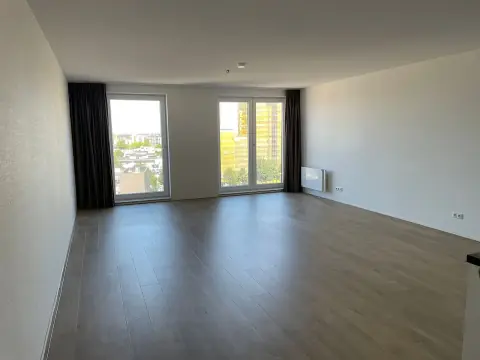
€1,159.00 / month
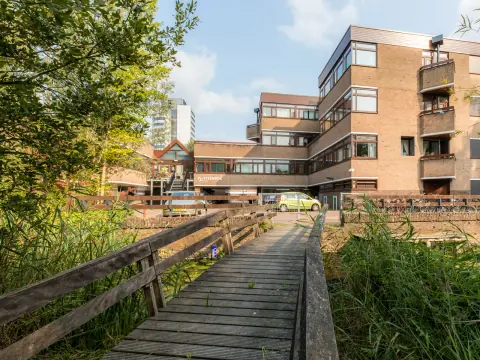
€600.00 / month
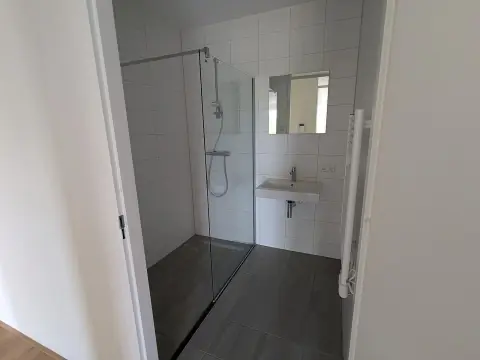
€932.00 / month
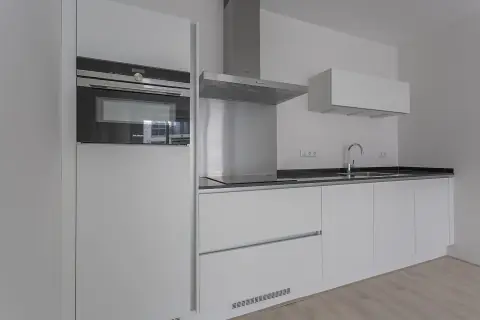
€1,187.00 / month
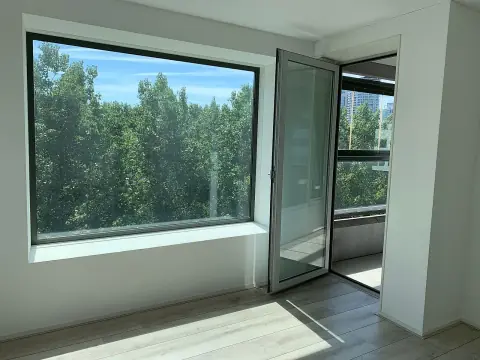
€1,845.00 / month
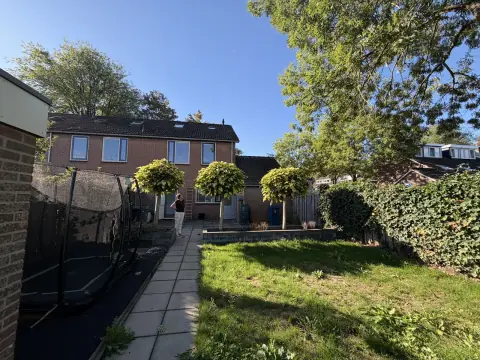
€933.00 / month
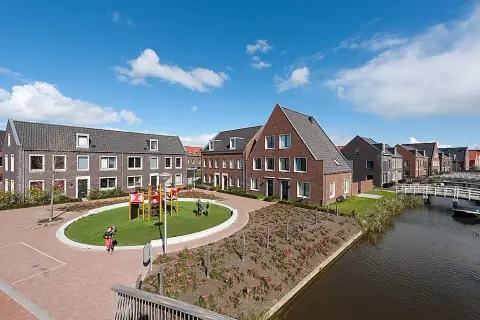
€1,899.00 / month
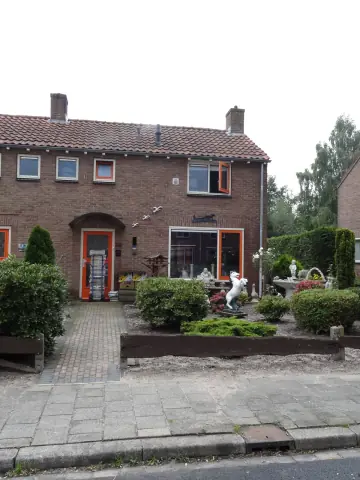
€765.00 / month
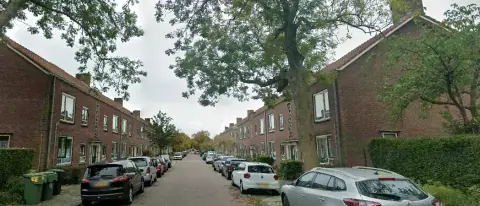
€714.00 / month
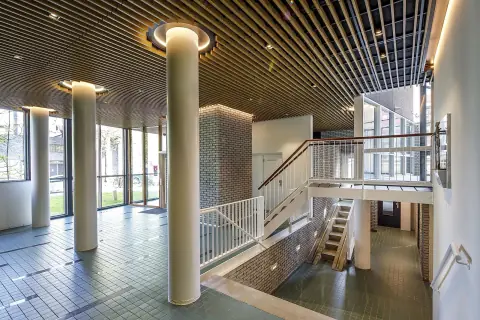
€1,596.00 / month
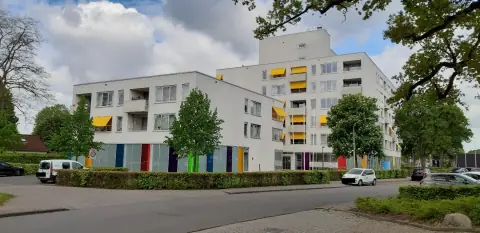
€714.00 / month
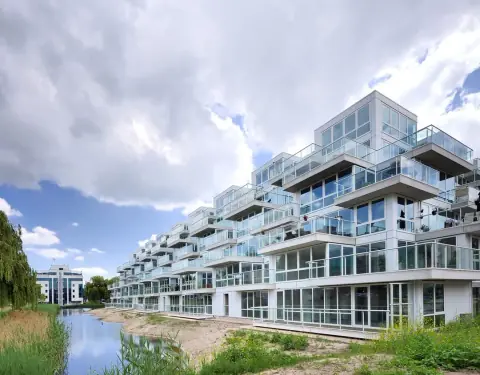
€1,210.00 / month
Luntero brings represented apartments, rooms, studios and houses from Dutch rental sources into one searchable place. Use the available filters to narrow your options, then check the original listing for current availability, price, conditions and application steps.
Browse rental listings collected from Funda, Pararius, Kamernet and other supported sources in one place. Coverage is broad but not exhaustive, and the original listing remains authoritative.
Navigate our clean and straightforward design effortlessly on both desktop and mobile devices for a seamless apartment, house, or room hunting experience in the Netherlands.
Browse rental listings in English, Dutch, Spanish, French, German, and more. Luntero ensures you can find your next home in the Netherlands in the language you're most comfortable with.
Luntero refreshes collected listings regularly and search alerts email new matches after a successful check. A source can change between refreshes, so verify decisive details there.