
30% Ruling
A significant tax advantage for eligible international employees, making them highly attractive tenants to landlords.

Openbaar vervoer pas
A public transport pass in the Netherlands is primarily a personal 'OV-chipkaart' which can be loaded with travel products or used for pay-as-you-go travel.
The Netherlands boasts a highly integrated, efficient, and extensive public transport network of trains, trams, metros, and buses. The key to accessing this entire system is the OV-chipkaart (Public Transport Chip Card). This is a single, nationwide smart card that is used for travel on virtually all forms of public transport, regardless of the operating company. There are two main types of cards: an anonymous OV-chipkaart, which can be purchased at stations and topped up with credit for pay-as-you-go travel, and a personal OV-chipkaart, which includes your photo and name and is linked to a Dutch bank account.
The personal card is the true 'public transport pass.' It allows you to not only use the pay-as-you-go system but also to load various travel products or 'subscriptions' (abonnementen). These subscriptions are offered by the various transport companies (like NS for trains, or GVB for Amsterdam) and provide discounts for specific routes, times of day, or unlimited travel within a certain period. For example, a commuter might buy a monthly subscription for their train route, while a frequent city traveler might buy an annual tram and bus pass. The personal card also allows for automatic top-up from a bank account, ensuring you never run out of credit.
While the OV-chipkaart system is highly efficient, it has quirks that can trip up newcomers. The most important rule is the requirement to check in (inchecken) at the start of your journey and check out (uitchecken) at the end. You do this by holding your card against a card reader at the station or on board the vehicle. Forgetting to check out is a common and costly mistake. If you don't check out, the system will deduct a fixed, high 'boarding deposit' (e.g., €20 for trains) from your card instead of the actual fare for your journey. Reclaiming this money is possible but involves a cumbersome online process.
Choosing the right subscription can also be a bewildering task. The sheer number of options available from different providers can be overwhelming. The best choice depends entirely on your personal travel patterns. A tourist or infrequent traveler is best served by an anonymous card or contactless payment (where available). A daily commuter needs to carefully analyze the costs and benefits of the various monthly and annual subscriptions. Websites like the official 9292 journey planner can help calculate costs, but a degree of research is required to ensure you are not overpaying. The system is a model of integration, but it demands a certain level of user diligence to be used cost-effectively.
Table of Contents
Terms from the same part of the rental process, so you can read them together instead of looking each one up separately.
A significant tax advantage for eligible international employees, making them highly attractive tenants to landlords.
An internationally recognized form of certification that validates the authenticity of a public document for use in another country.
A car lease for expats is a long-term rental agreement for a vehicle, often with all-inclusive pricing that covers insurance, maintenance, and taxes, tailored to foreign nationals.
A unique personal identification number required for virtually all administrative tasks in the Netherlands, including renting a property.
Commute time in the Netherlands is a critical calculation, often measured in cycling minutes or public transport zones rather than just distance.
A corporate lease is a rental agreement where a company, rather than an individual, is the official tenant and bears the legal and financial responsibility.
Use Public Transport Pass to clarify exceptions, then check contracts and meaning wherever the term affects a real decision.
Every glossary entry that belongs to Expat Considerations, collected on one page.
See TermsLook up a term, abbreviation or contract phrase and get a plain-language explanation with Dutch and English wording.
Search termsLonger guides that walk through applications, contracts, costs and moving, with the terminology used in context.
Read the guidesExplore the latest properties added to Luntero. Find new apartments, houses, and studios across the Netherlands — updated daily to help you discover your next home faster.
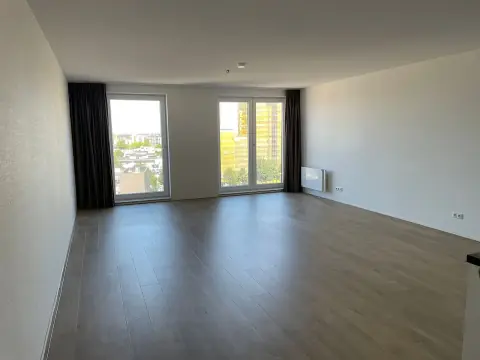
€1,159.00 / month

€600.00 / month
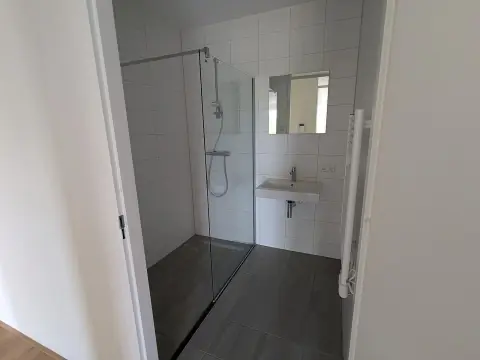
€932.00 / month

€1,187.00 / month
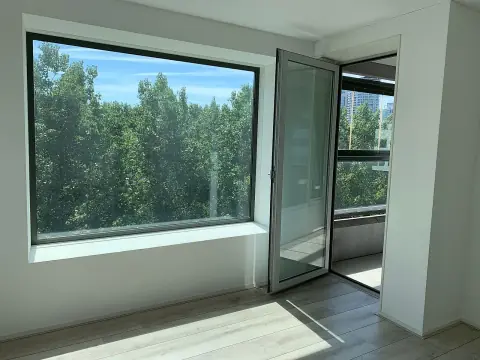
€1,845.00 / month

€933.00 / month

€1,899.00 / month

€765.00 / month
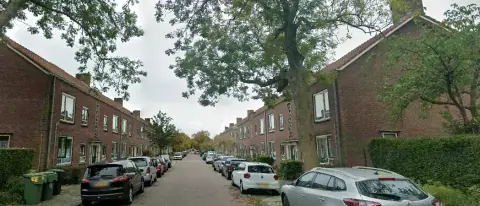
€714.00 / month

€1,596.00 / month

€714.00 / month

€1,210.00 / month
Luntero brings represented apartments, rooms, studios and houses from Dutch rental sources into one searchable place. Use the available filters to narrow your options, then check the original listing for current availability, price, conditions and application steps.
Browse rental listings collected from Funda, Pararius, Kamernet and other supported sources in one place. Coverage is broad but not exhaustive, and the original listing remains authoritative.
Navigate our clean and straightforward design effortlessly on both desktop and mobile devices for a seamless apartment, house, or room hunting experience in the Netherlands.
Browse rental listings in English, Dutch, Spanish, French, German, and more. Luntero ensures you can find your next home in the Netherlands in the language you're most comfortable with.
Luntero refreshes collected listings regularly and search alerts email new matches after a successful check. A source can change between refreshes, so verify decisive details there.