
Administrative Fine
An administrative fine is a significant penalty imposed directly by a government body, bypassing the courts to enforce housing regulations.

Vastgoed- en verblijfsregistratie
The crucial distinction between the official ownership registry (Kadaster) and the municipal residency registry (BRP), the latter being essential for every tenant.
In the Netherlands, 'property registration' involves two completely separate and distinct official systems. Understanding the difference between them is critical for a tenant. One registry deals with the physical property and its ownership, which is the landlord's domain. The other deals with who lives at the property, which is a legal obligation for every tenant. Conflating the two, or neglecting the latter, can lead to significant problems.
Het Kadaster): The Registry of OwnershipHet Kadaster is the national Dutch Land Registry. It is the official, public register of real estate. It documents who legally owns a property, the official boundaries of the land, and whether there are any legal encumbrances on it, such as a mortgage (hypotheek). For a tenant, the Kadaster is of minimal direct importance. Its primary function is to provide legal certainty about property ownership. A very cautious tenant could, for a small fee, pull the public record for a property to verify that the person claiming to be the landlord is, in fact, the legal owner, but in practice this is rarely done.
Basisregistratie Personen): The Registry of ResidencyThis is the single most important registration for any tenant. The Basisregistratie Personen (BRP) is the Personal Records Database, which is managed by the local municipality (gemeente). It is a register of all residents. Every person living in the Netherlands is legally obligated to register in the BRP at the address where they actually live. This is not optional. Upon moving into a new rental property, a tenant must make an appointment with the municipality to complete their registration (inschrijving).
Registration in the BRP is the gateway to civic life. Without it, you cannot:
Burgerservenummer - BSN), which is essential for all official matters.huurtoeslag (rent allowance).A landlord who tells a prospective tenant that they cannot register at the address is signaling, with 100% certainty, that the rental is illegal. This could be because it's an illegal sublet, the landlord is evading taxes, or they lack the necessary permits. A tenant should never, under any circumstances, agree to a rental where official registration is not possible. It will leave them in a legally invisible and highly vulnerable position.
Table of Contents
Terms from the same part of the rental process, so you can read them together instead of looking each one up separately.
An administrative fine is a significant penalty imposed directly by a government body, bypassing the courts to enforce housing regulations.
A single, legally problematic rental price where the basic rent and service costs are not separated.
Amortization, or aflossing, is the process of repaying the principal of a loan over time, a key component of the landlord's mortgage costs.
Landlords have a strict legal duty to comply with anti-discrimination laws, reinforced by new legislation that mandates fair and transparent tenant selection procedures.
Arbitration is a formal, private method of dispute resolution where a neutral arbitrator makes a binding decision, serving as an alternative to a public court.
Clauses in rental agreements that force a tenant into binding arbitration are heavily restricted in the Netherlands and are often legally unenforceable.
Before relying on Property and Residency Registration, distinguish exceptions from contracts and case context.
Every glossary entry that belongs to Legal Terms, collected on one page.
See TermsLook up a term, abbreviation or contract phrase and get a plain-language explanation with Dutch and English wording.
Search termsLonger guides that walk through applications, contracts, costs and moving, with the terminology used in context.
Read the guidesExplore the latest properties added to Luntero. Find new apartments, houses, and studios across the Netherlands — updated daily to help you discover your next home faster.
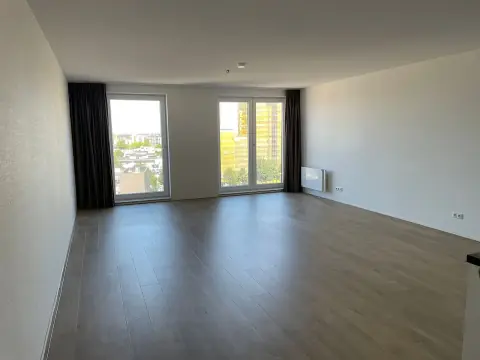
€1,159.00 / month
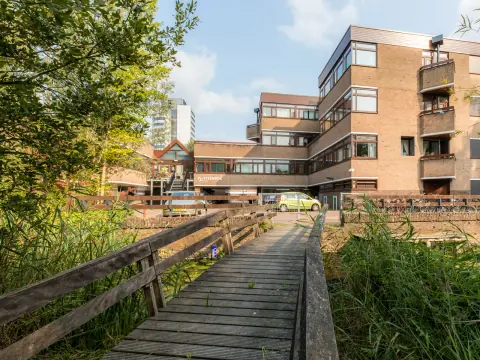
€600.00 / month
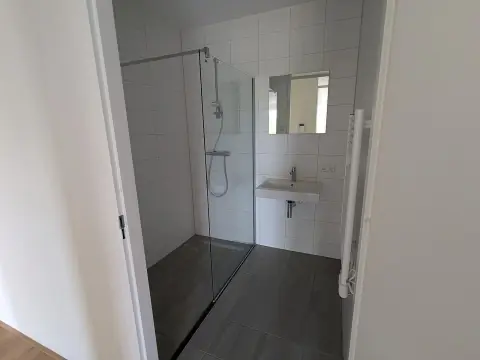
€932.00 / month
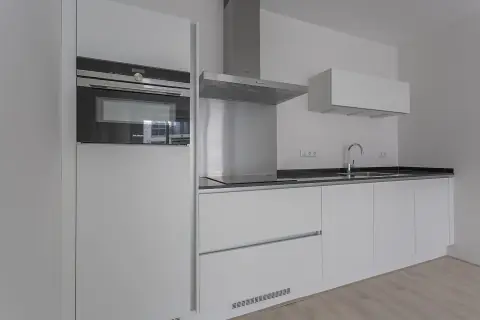
€1,187.00 / month
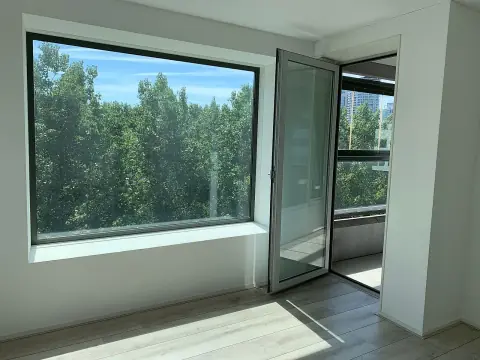
€1,845.00 / month
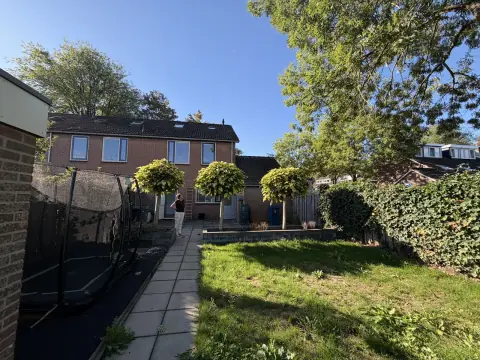
€933.00 / month
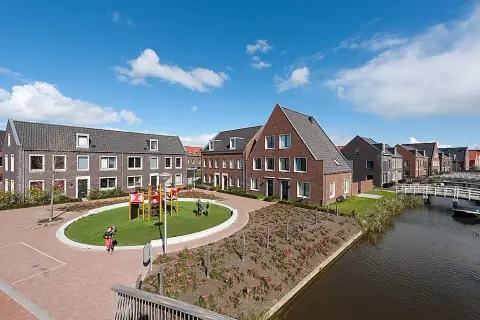
€1,899.00 / month
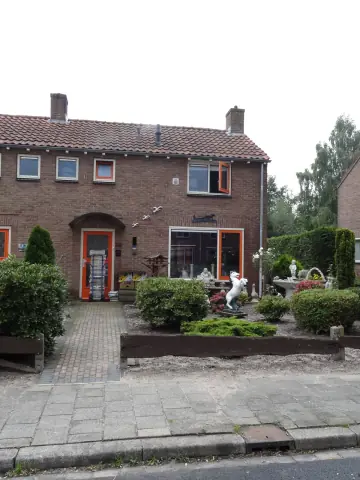
€765.00 / month
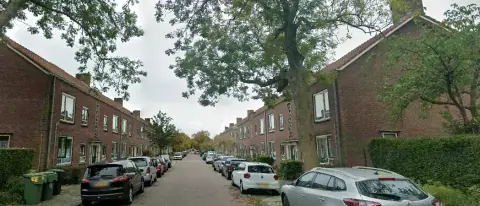
€714.00 / month
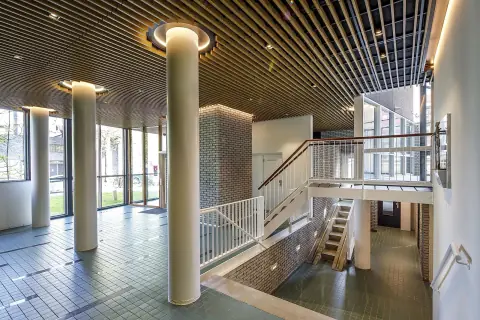
€1,596.00 / month
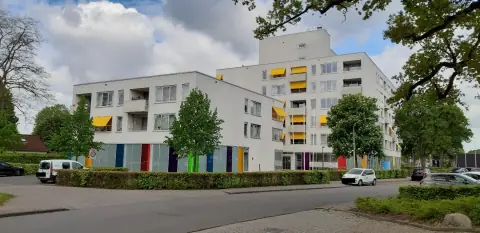
€714.00 / month
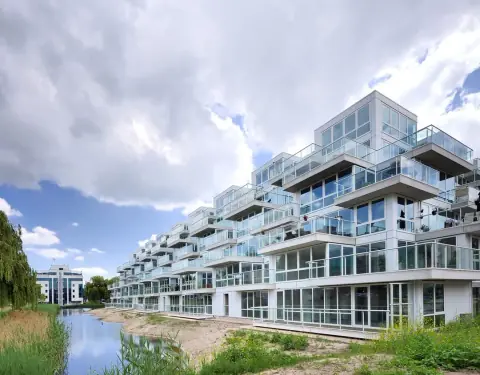
€1,210.00 / month
Luntero brings represented apartments, rooms, studios and houses from Dutch rental sources into one searchable place. Use the available filters to narrow your options, then check the original listing for current availability, price, conditions and application steps.
Browse rental listings collected from Funda, Pararius, Kamernet and other supported sources in one place. Coverage is broad but not exhaustive, and the original listing remains authoritative.
Navigate our clean and straightforward design effortlessly on both desktop and mobile devices for a seamless apartment, house, or room hunting experience in the Netherlands.
Browse rental listings in English, Dutch, Spanish, French, German, and more. Luntero ensures you can find your next home in the Netherlands in the language you're most comfortable with.
Luntero refreshes collected listings regularly and search alerts email new matches after a successful check. A source can change between refreshes, so verify decisive details there.