
Account Registration
The necessary first step to use a rental platform, creating a personal profile to save searches, manage applications, and gain a strategic edge.

Buurtpreventie Subsidie
Municipalities in the Netherlands often provide small subsidies to support the operational costs of official neighborhood watch groups.
Unlike many other terms on this list, a 'neighborhood watch subsidy' is a real concept in the Netherlands, although the funding is for the collective group, not for individual members. A neighborhood watch, or buurtpreventie team, is a group of residents who volunteer to work together to improve the safety and quality of life (leefbaarheid) in their area. They do this by being visible, watchful, and reporting suspicious activity to the police. Recognizing the value of these citizen initiatives, many municipalities (gemeenten) offer support in the form of small financial grants (subsidies) or material assistance.
This subsidy is not a salary for the volunteers. It is intended to cover the small operational costs associated with running a buurtpreventie group. The funds can typically be used for practical items such as: Visibility: Purchasing high-visibility vests or jackets with the group's logo on them. Communication: Printing flyers to inform neighbors about safety tips or to recruit new members. It might also cover the costs of a professional version of a messaging app for coordinating patrols. Materials: Buying torches, notebooks, or other minor equipment for volunteers on patrol. Administration: Covering minor administrative costs like setting up a website or paying for a post office box. The goal of the subsidy is to remove small financial barriers and enable the volunteers to do their work effectively.
A buurtpreventie team is an excellent way for tenants to get involved in their local community and have a positive impact on their living environment. To find out if a group already exists in your neighborhood, you can check your municipality's website or look for local social media groups. If a group exists, you can simply volunteer to join. If there is no group, the municipality's public safety department (afdeling veiligheid) can often provide guidance and a starter kit on how to form one. By organizing as a formal group, you become eligible to apply for the available municipal subsidies to support your activities. It is a tangible way for renters, who may not have long-term roots in an area, to contribute to the well-being of the community.
Table of Contents
Terms from the same part of the rental process, so you can read them together instead of looking each one up separately.
The necessary first step to use a rental platform, creating a personal profile to save searches, manage applications, and gain a strategic edge.
A security measure to distinguish human users from automated bots, protecting the integrity of listings and application systems on rental platforms.
A building's caretaker or janitor, who serves as the first point of contact for minor repairs and general issues in large apartment complexes.
A personal insurance policy that covers a tenant's movable belongings against theft, fire, and damage.
A crucial personal insurance that covers you for accidental damage you cause to other people or their property.
A professional company that assists with the logistical challenge of moving belongings from one property to another.
Use exceptions, Dutch context, and legal limits to place Neighborhood Watch Subsidy within the Dutch housing system.
Every glossary entry that belongs to Other, collected on one page.
See TermsLook up a term, abbreviation or contract phrase and get a plain-language explanation with Dutch and English wording.
Search termsLonger guides that walk through applications, contracts, costs and moving, with the terminology used in context.
Read the guidesExplore the latest properties added to Luntero. Find new apartments, houses, and studios across the Netherlands — updated daily to help you discover your next home faster.
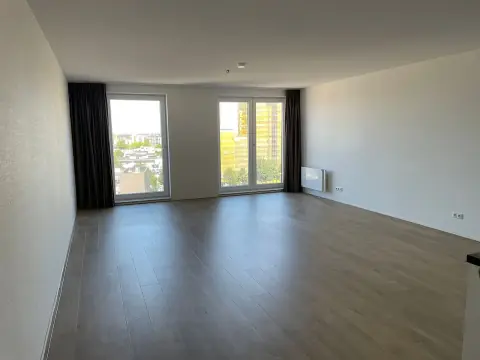
€1,159.00 / month
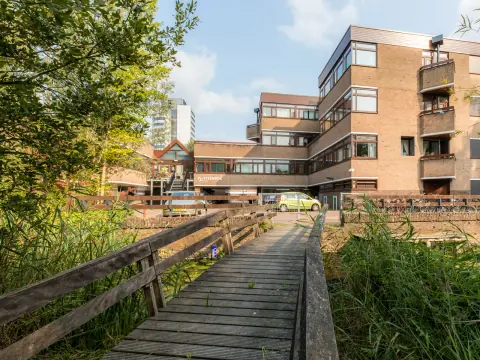
€600.00 / month
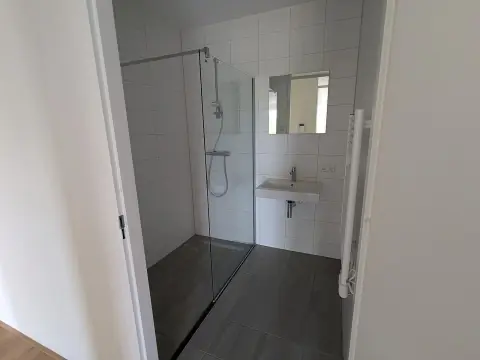
€932.00 / month
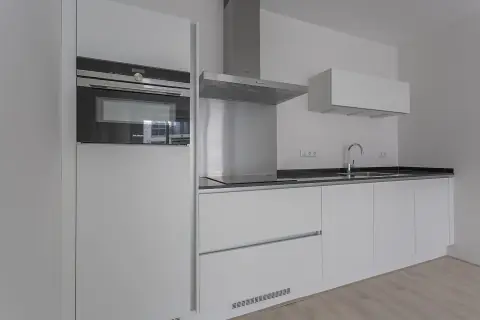
€1,187.00 / month
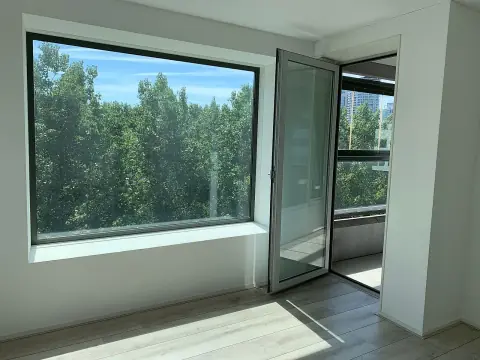
€1,845.00 / month
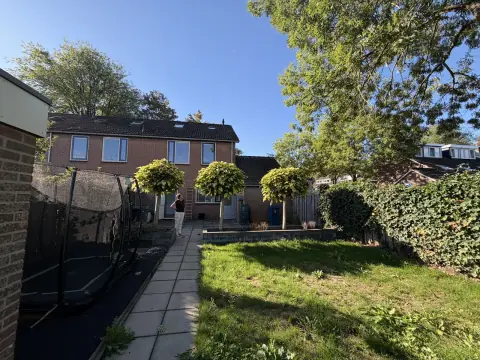
€933.00 / month
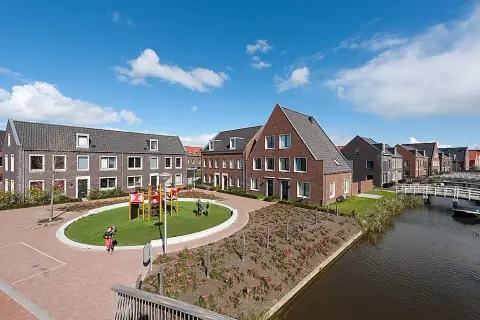
€1,899.00 / month
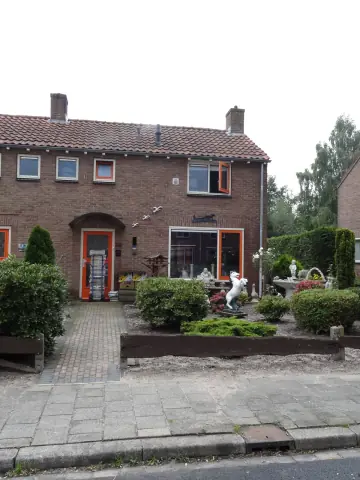
€765.00 / month
€714.00 / month

€1,596.00 / month
€714.00 / month
€1,210.00 / month
Luntero brings represented apartments, rooms, studios and houses from Dutch rental sources into one searchable place. Use the available filters to narrow your options, then check the original listing for current availability, price, conditions and application steps.
Browse rental listings collected from Funda, Pararius, Kamernet and other supported sources in one place. Coverage is broad but not exhaustive, and the original listing remains authoritative.
Navigate our clean and straightforward design effortlessly on both desktop and mobile devices for a seamless apartment, house, or room hunting experience in the Netherlands.
Browse rental listings in English, Dutch, Spanish, French, German, and more. Luntero ensures you can find your next home in the Netherlands in the language you're most comfortable with.
Luntero refreshes collected listings regularly and search alerts email new matches after a successful check. A source can change between refreshes, so verify decisive details there.