
Application Expiry
The timeframe after which a rental application or a position on a waiting list is no longer considered valid, a key concept in the social housing system.

Marktwerking in huurprijzen
Market forces refer to the principle of supply and demand setting rent prices, a concept that critics argue fails in a dysfunctional housing market.
Marktwerking huurprijzen translates to the 'market operation of rent prices,' which is the economic principle that prices should be determined by the free interplay of supply and demand. In the context of the Dutch rental market, this principle is the ideological foundation of the 'free sector' (vrije sector). For any property with a calculated point value above the regulated threshold (liberalisatiegrens) at the start of a tenancy, the landlord is theoretically free to charge whatever price the market will bear. The concept suggests that if a landlord asks too much, the property will remain empty, forcing them to lower the price to a reasonable 'market rate'. Conversely, high demand for a limited supply will naturally drive prices up. Proponents of marktwerking argue that it encourages investment in new housing construction, as developers are attracted by the potential for high returns, which should eventually increase supply and stabilize prices. In this view, government regulation like rent control is an artificial distortion that discourages investment and ultimately worsens the housing shortage.
The glaring problem, as any tenant in the Netherlands can attest, is that the Dutch housing market is not a healthy, functioning market. The supply of housing is critically and chronically low, and it is highly inelastic—it is impossible to build new housing quickly enough to respond to surges in demand. This severe and persistent shortage completely dismantles the theoretical balance of supply and demand. What emerges is not a fair market price, but a 'desperation price'. Landlords are not pricing their properties based on quality, size, or amenities, but on the maximum amount they can extract from a desperate pool of applicants, many of whom are competing with dozens or even hundreds of others for the same property. In this environment, marktwerking is not a mechanism for finding a fair price; it is a justification for unchecked price gouging. The term itself is often used as a political euphemism to defend a system that generates enormous profits for property owners at the expense of tenants, who are left with no bargaining power and are forced to accept exorbitant rents for often mediocre housing. Critics argue that relying on 'market forces' in a basic human need like housing is a fundamental policy failure that leads to social inequality and economic instability for a large segment of the population.
Table of Contents
Terms from the same part of the rental process, so you can read them together instead of looking each one up separately.
The timeframe after which a rental application or a position on a waiting list is no longer considered valid, a key concept in the social housing system.
There is no direct 'BENG subsidy'; BENG is a mandatory energy performance standard for all new buildings, not a subsidized option.
The 'Bouwbesluit 2012' is the national building code of the Netherlands, setting the minimum legal standards for safety, health, and usability that all rental properties must meet.
Capital gains relief on housing means that any profit made from selling your primary residence in the Netherlands is completely tax-free.
There is no single 'Community Housing Fund' in the Netherlands; the concept is fulfilled by the social investment activities of housing corporations and municipalities.
A housing model where residents collectively own and manage their own properties, a niche sector in the Netherlands that receives some government support for its creation.
Use exceptions, Dutch context, and costs to place Market Forces in Rent Pricing within the Dutch housing system.
Every glossary entry that belongs to Dutch Housing System, collected on one page.
See TermsLook up a term, abbreviation or contract phrase and get a plain-language explanation with Dutch and English wording.
Search termsLonger guides that walk through applications, contracts, costs and moving, with the terminology used in context.
Read the guidesExplore the latest properties added to Luntero. Find new apartments, houses, and studios across the Netherlands — updated daily to help you discover your next home faster.
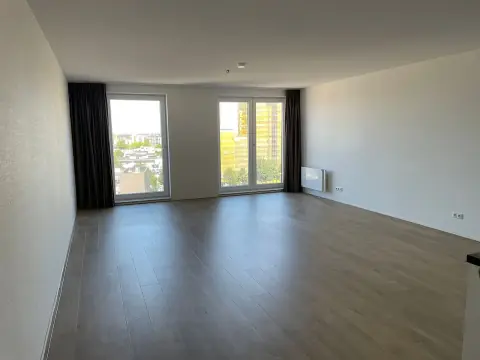
€1,159.00 / month

€600.00 / month
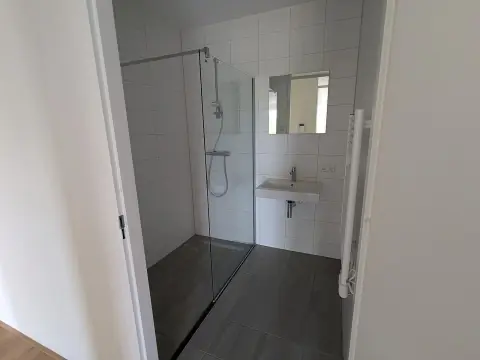
€932.00 / month
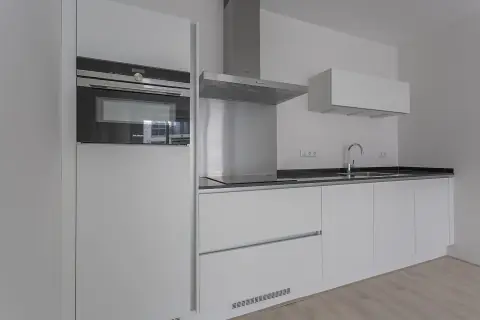
€1,187.00 / month
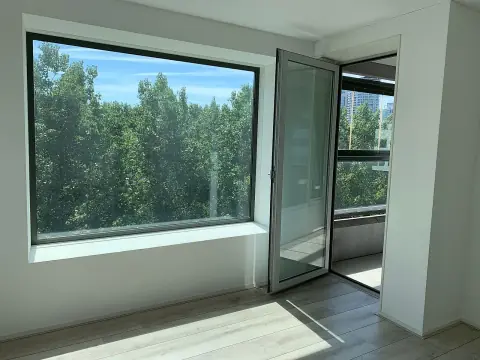
€1,845.00 / month
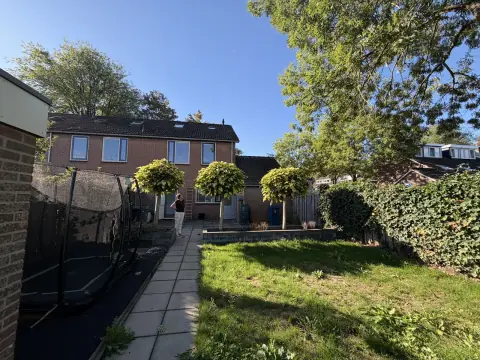
€933.00 / month
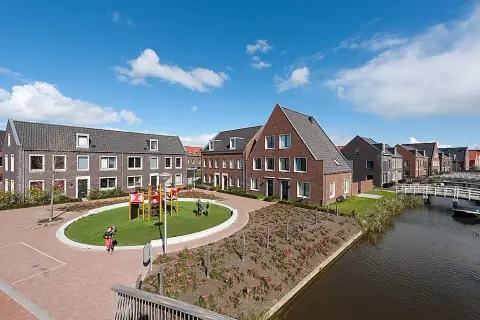
€1,899.00 / month
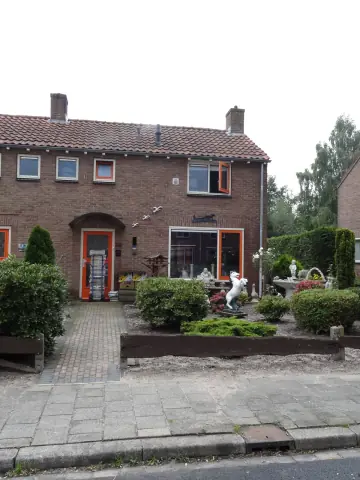
€765.00 / month
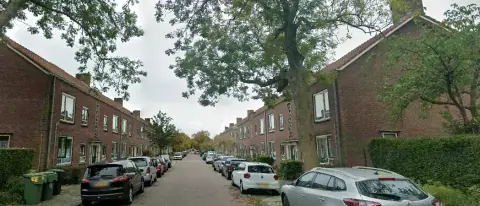
€714.00 / month

€1,596.00 / month
€714.00 / month
€1,210.00 / month
Luntero brings represented apartments, rooms, studios and houses from Dutch rental sources into one searchable place. Use the available filters to narrow your options, then check the original listing for current availability, price, conditions and application steps.
Browse rental listings collected from Funda, Pararius, Kamernet and other supported sources in one place. Coverage is broad but not exhaustive, and the original listing remains authoritative.
Navigate our clean and straightforward design effortlessly on both desktop and mobile devices for a seamless apartment, house, or room hunting experience in the Netherlands.
Browse rental listings in English, Dutch, Spanish, French, German, and more. Luntero ensures you can find your next home in the Netherlands in the language you're most comfortable with.
Luntero refreshes collected listings regularly and search alerts email new matches after a successful check. A source can change between refreshes, so verify decisive details there.