
Accessibility Compliance
The legal standards for accessibility in residential buildings, which are primarily enforced for new constructions and major renovations.

Reactie op onderhoudsverzoek
Landlords have a legal duty to respond to maintenance requests within a 'reasonable time', which varies from immediate for emergencies to several weeks for non-urgent issues.
When a tenant reports a maintenance issue or defect (gebrek) that is not their own responsibility to fix, the landlord has a legal duty to respond and take action. This is a core part of the landlord's obligation to maintain the property and ensure the tenant's woongenot (quiet enjoyment of the home). This duty is not optional. However, the law does not specify a precise number of days or hours for the response; instead, it uses the flexible standard of a 'reasonable time' (redelijke termijn).
The definition of 'reasonable' is highly dependent on the severity and urgency of the problem. A tenant should not expect a broken kitchen cabinet handle to be fixed with the same urgency as a complete heating failure. Here's a general guide: Emergencies (Spoedgevallen): For critical issues like a major gas leak, a burst pipe, or a total loss of heating in winter, a reasonable response time is immediate (within a few hours). The landlord must have a 24/7 emergency contact for such events. Urgent Defects: For serious problems that affect the essential use of the home, such as a broken toilet, a non-functioning shower, or a serious roof leak, a response is expected within 1-2 business days, with a repair scheduled shortly thereafter. Non-Urgent Defects: For less critical issues like a dripping tap, a cracked window (that is not a security risk), or a malfunctioning appliance, a response within a few days and a repair within a few weeks can be considered reasonable. The skeptical reality is that many landlords will stretch the definition of 'reasonable' to its absolute limit, especially for non-urgent but annoying defects.
If your landlord is unresponsive, you have a clear escalation path. 1. Always report defects in writing (email) to create a dated record. 2. If there's no response, send a formal notice (ingebrekestelling) by registered mail, stating the problem and setting a final, reasonable deadline for the repair. 3. If the landlord still fails to act, you have powerful options: You can start a procedure at the Huurcommissie (Rent Tribunal), which can order the landlord to make the repair and can grant you a temporary rent reduction until it's done. In some cases, you may be able to have the repair done yourself and deduct the reasonable costs from the rent, but this is a risky step that should only be taken after seeking legal advice.
Table of Contents
Terms from the same part of the rental process, so you can read them together instead of looking each one up separately.
The legal standards for accessibility in residential buildings, which are primarily enforced for new constructions and major renovations.
Balcony safety compliance refers to the legal requirement for balconies and railings to meet specific structural and safety standards.
No subsidy exists for basement waterproofing; a damp or leaking basement is a maintenance defect that the landlord is legally required to fix at their own cost.
The essential regular servicing of the central heating boiler, a legal responsibility of the landlord to ensure safety and efficiency.
Building code compliance is the landlord's duty to provide a property that meets the national technical standards for safety, health, and usability set out in the 'Bouwbesluit'.
An insurance policy that covers the physical structure of the property, which is the landlord's responsibility.
Approach Maintenance Request Response through exceptions, with Dutch context and contracts marking what still needs verification.
Every glossary entry that belongs to Landlord Obligations, collected on one page.
See TermsLook up a term, abbreviation or contract phrase and get a plain-language explanation with Dutch and English wording.
Search termsLonger guides that walk through applications, contracts, costs and moving, with the terminology used in context.
Read the guidesExplore the latest properties added to Luntero. Find new apartments, houses, and studios across the Netherlands — updated daily to help you discover your next home faster.
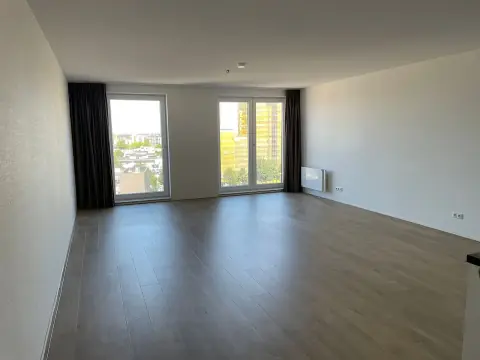
€1,159.00 / month
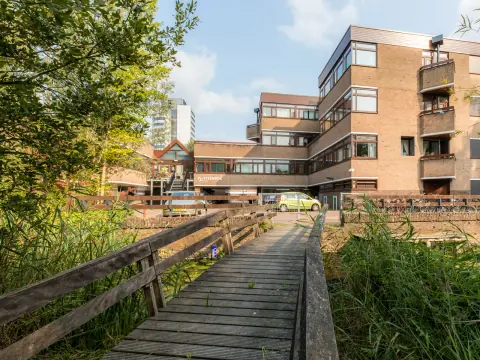
€600.00 / month
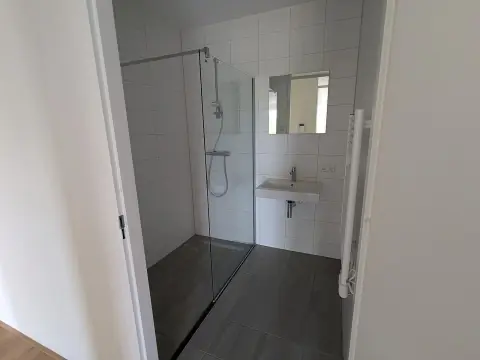
€932.00 / month
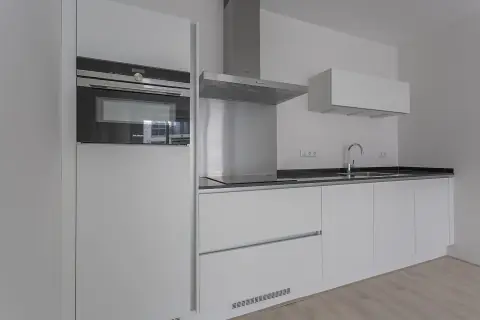
€1,187.00 / month
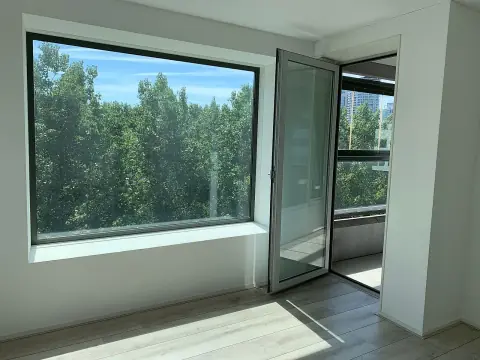
€1,845.00 / month
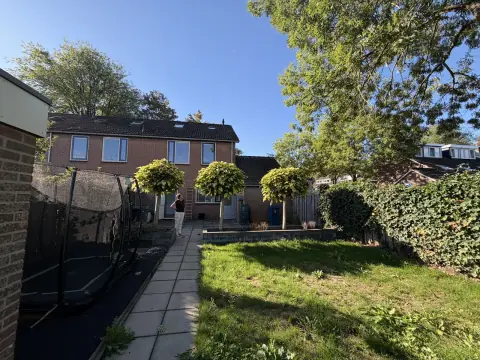
€933.00 / month
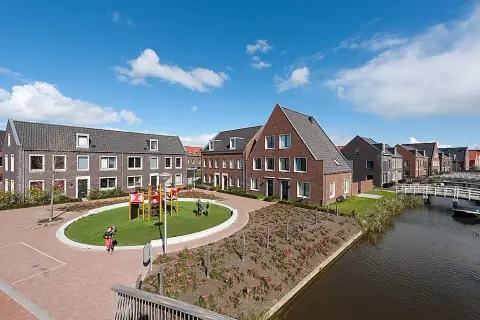
€1,899.00 / month
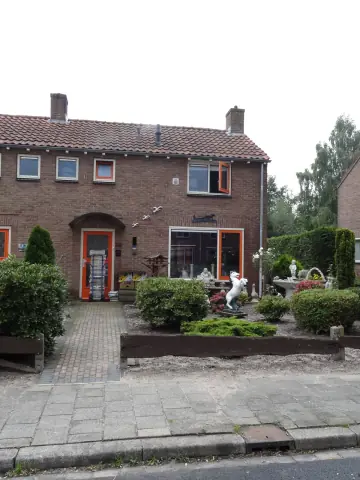
€765.00 / month
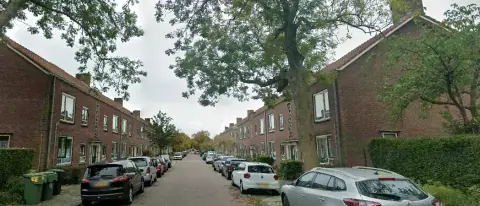
€714.00 / month
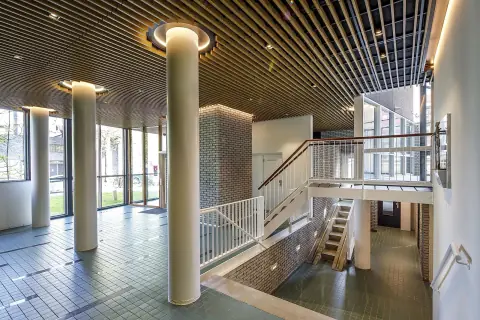
€1,596.00 / month
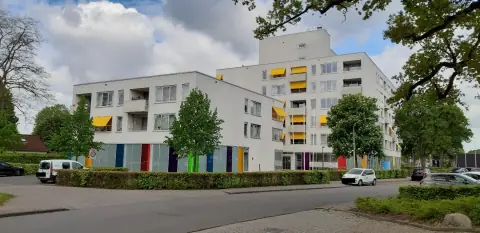
€714.00 / month
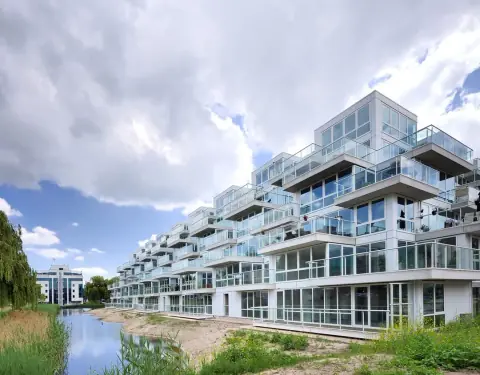
€1,210.00 / month
Luntero brings represented apartments, rooms, studios and houses from Dutch rental sources into one searchable place. Use the available filters to narrow your options, then check the original listing for current availability, price, conditions and application steps.
Browse rental listings collected from Funda, Pararius, Kamernet and other supported sources in one place. Coverage is broad but not exhaustive, and the original listing remains authoritative.
Navigate our clean and straightforward design effortlessly on both desktop and mobile devices for a seamless apartment, house, or room hunting experience in the Netherlands.
Browse rental listings in English, Dutch, Spanish, French, German, and more. Luntero ensures you can find your next home in the Netherlands in the language you're most comfortable with.
Luntero refreshes collected listings regularly and search alerts email new matches after a successful check. A source can change between refreshes, so verify decisive details there.