
Administration Costs
A fee charged for administrative actions, which is almost always illegal when levied on a tenant by a landlord's agent.

elektriciteit
Electricity is the power supply that runs appliances, lighting, and heating in rental properties.
Electricity refers to the flow of electrical power delivered to residential and commercial properties to enable lighting, heating, cooling, and operation of appliances and electronics. In a rental context, tenants typically contract with licensed electricity providers, selecting tariffs based on usage patterns and green energy preferences. Lease agreements should clarify billing responsibilities: whether tenants pay providers directly or reimburse landlords for usage included in service charges. Electricity supply involves metering infrastructure, safety inspections, and compliance with local grid regulations. Disputes may arise over meter readings, billing errors, or responsibility for infrastructure upgrades. Understanding the electricity landscape is crucial for both landlords—who must ensure safe, reliable supply—and tenants—who need to budget energy costs and maintain consumption records.
In the Netherlands, the electricity market is liberalized, allowing tenants to choose from a range of licensed energy suppliers. Contracts can vary between fixed-rate and variable-rate tariffs, with options for renewable energy certifications (Groene Stroom). Electricity meters are typically digital, enabling accurate monthly or quarterly readings that tenants report to providers or through automated systems. Tariff structures often include a fixed network charge (netbeheerkost) and a variable usage charge (verbruikstarief), reflecting the cost of infrastructure maintenance and actual consumption, respectively. Landlords of multiple-unit buildings may hold collective contracts and sub-metering arrangements, requiring clear apportionment methods for each unit's usage. Dutch energy regulations mandate landlords to ensure electrical installations meet safety standards under the Bouwbesluit and NEN 1010 norms. Failure to comply can result in regulatory fines and tenants’ rights to withhold rent until hazards are rectified. The emphasis on renewable energy integration has led to incentives for landlords and tenants to invest in solar panels and energy-efficient appliances, further shaping electricity usage patterns in Dutch rental properties.
Table of Contents
Terms from the same part of the rental process, so you can read them together instead of looking each one up separately.
A fee charged for administrative actions, which is almost always illegal when levied on a tenant by a landlord's agent.
An administrative fee, often called 'contractkosten' or a lease initiation fee, is a charge for drawing up the rental agreement, the legality of which is highly questionable.
'Leges' are administrative fees charged by government bodies for providing a specific service or processing an application.
An agency fee, also known as a broker fee or 'courtage', is a charge for real estate brokerage services which, by law, cannot be charged to a tenant if the agent is working for the landlord.
An alarm system fee is a recurring cost for professional monitoring, and responsibility for payment depends on what is agreed in the rental contract.
Paying residential rent annually is not a standard practice in the Netherlands; the law and market are based on monthly payments.
Connect Electricity with exceptions and case context, then use costs to identify the appropriate follow-up source.
Every glossary entry that belongs to Rental Costs, collected on one page.
See TermsLook up a term, abbreviation or contract phrase and get a plain-language explanation with Dutch and English wording.
Search termsLonger guides that walk through applications, contracts, costs and moving, with the terminology used in context.
Read the guidesExplore the latest properties added to Luntero. Find new apartments, houses, and studios across the Netherlands — updated daily to help you discover your next home faster.
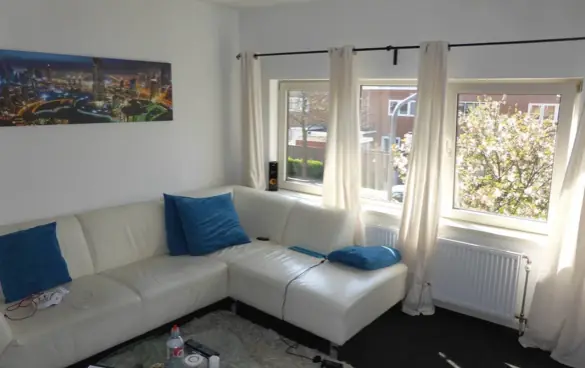
€1,025.00 / month
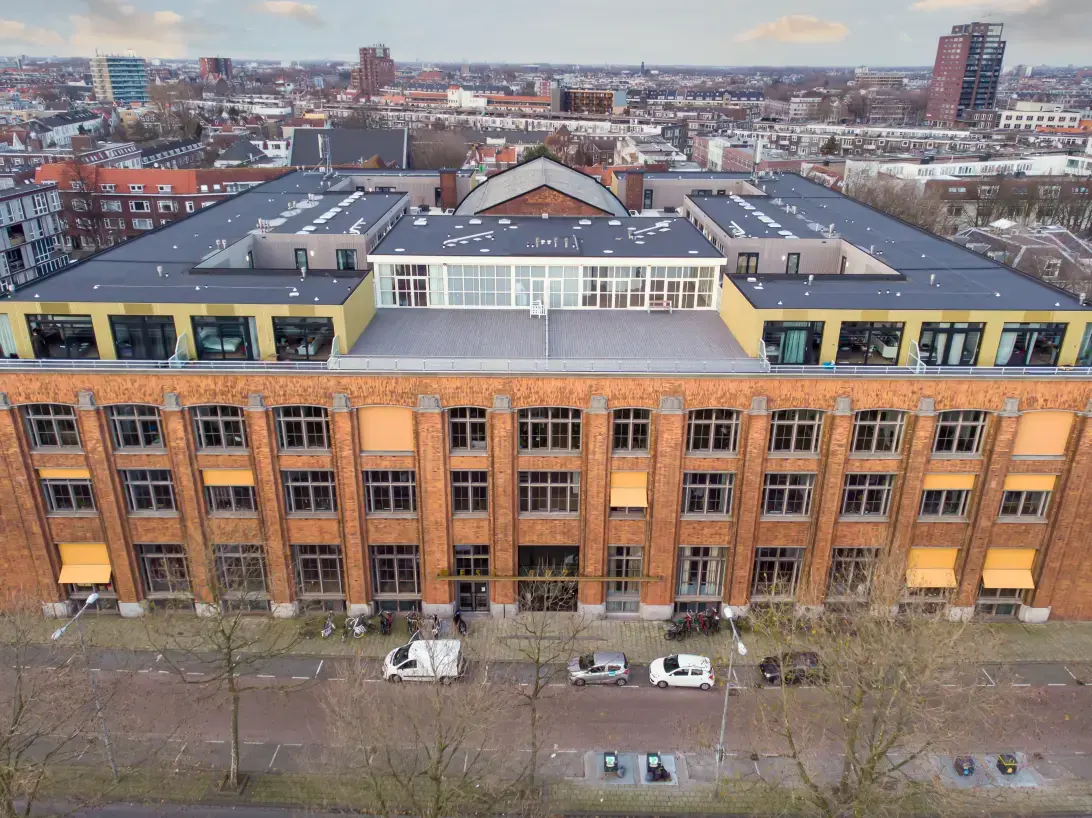
€1,480.00 / month
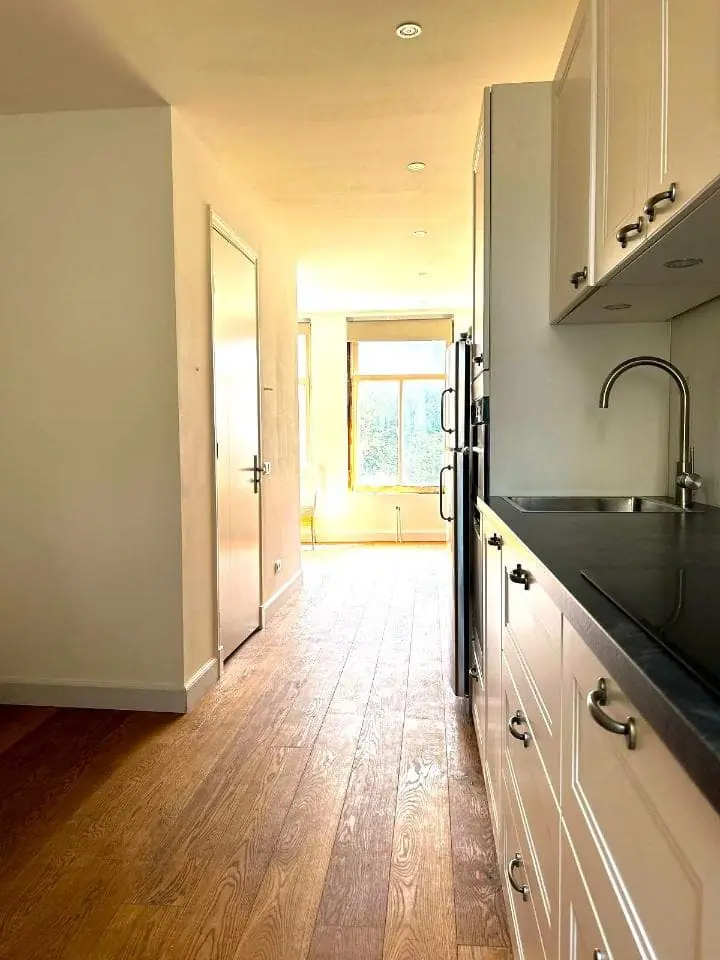
€2,270.00 / month
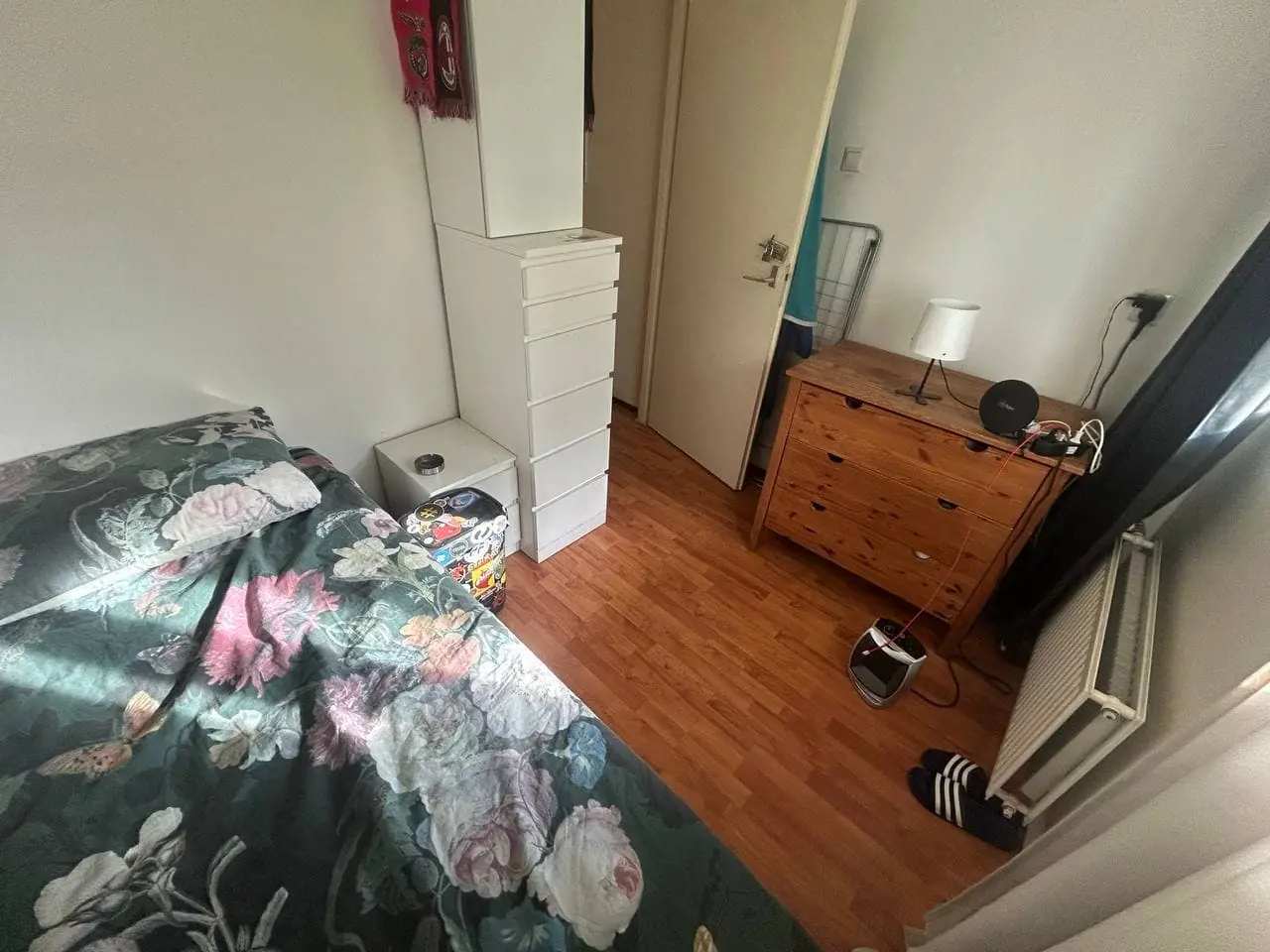
€1,000.00 / month
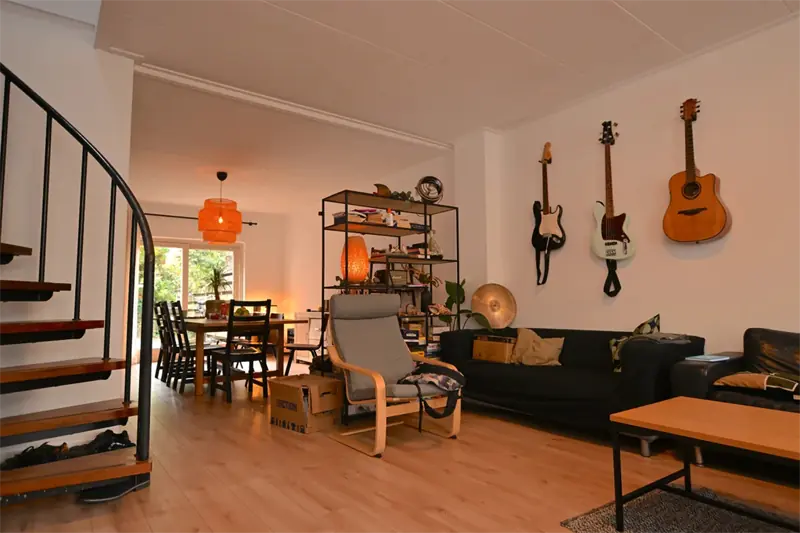
€2,295.00 / month
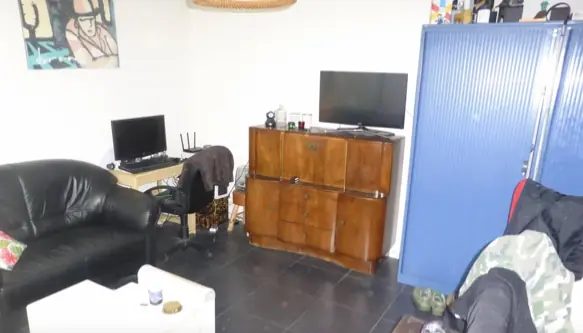
€979.00 / month
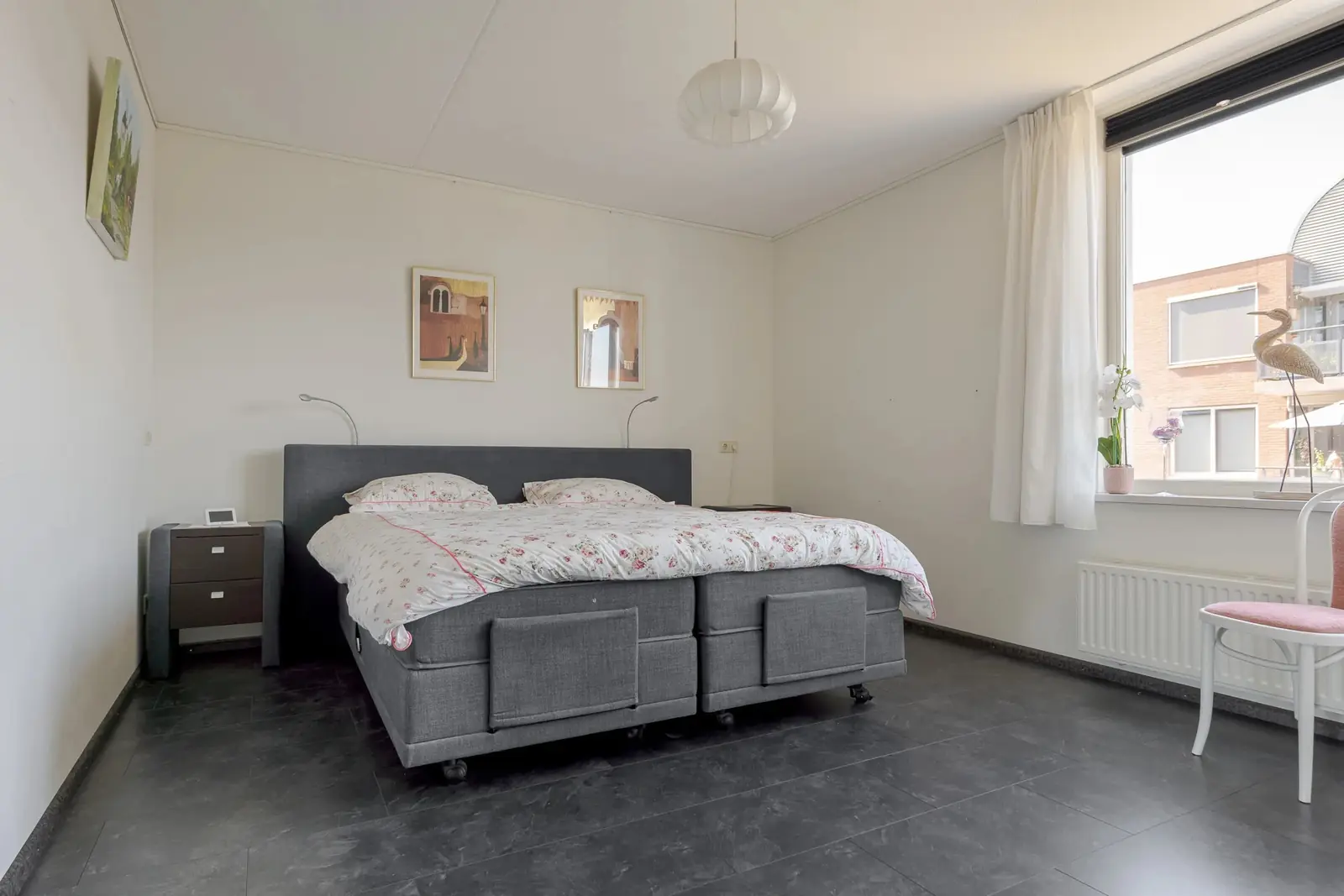
€1,170.00 / month
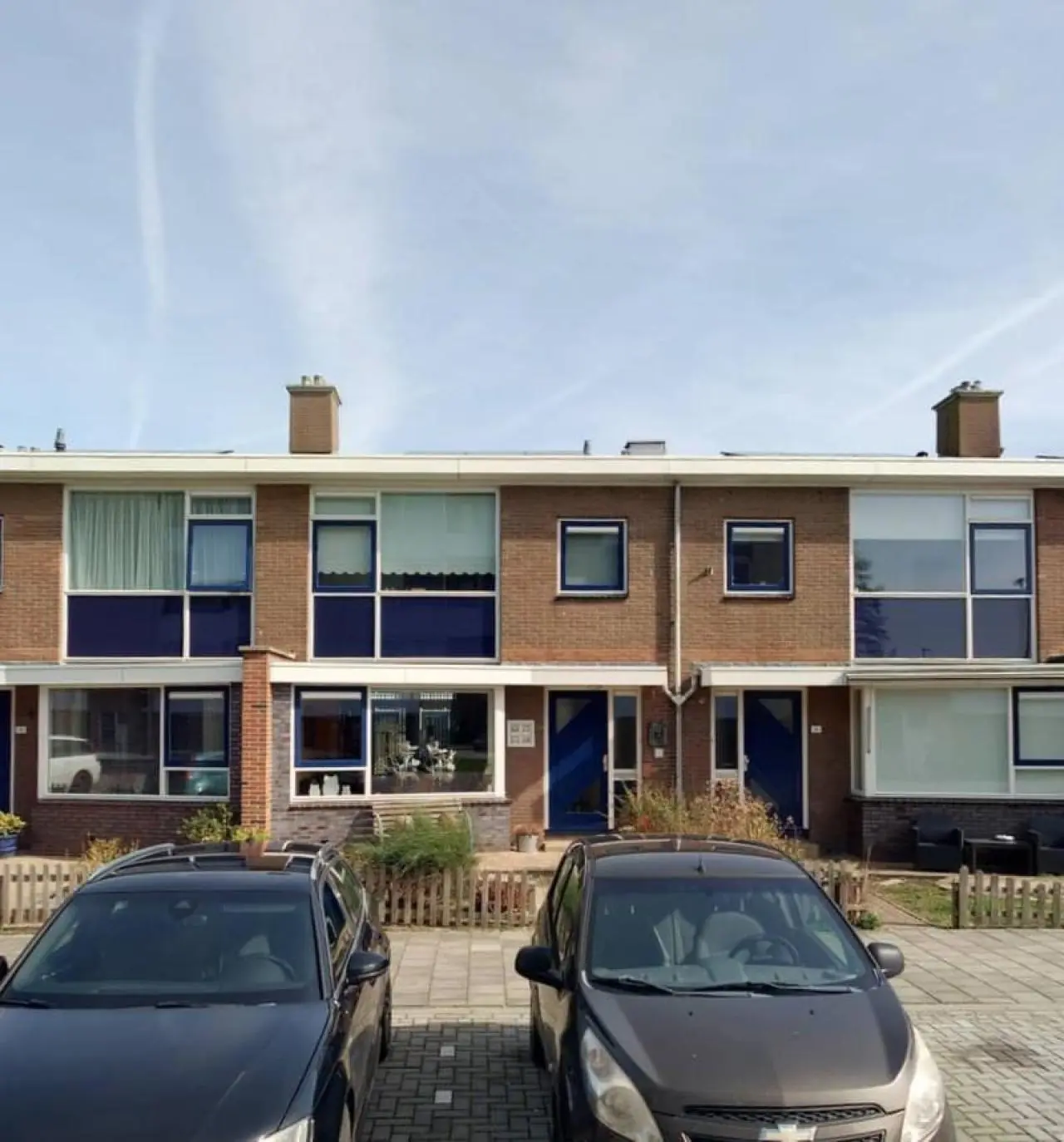
€765.00 / month
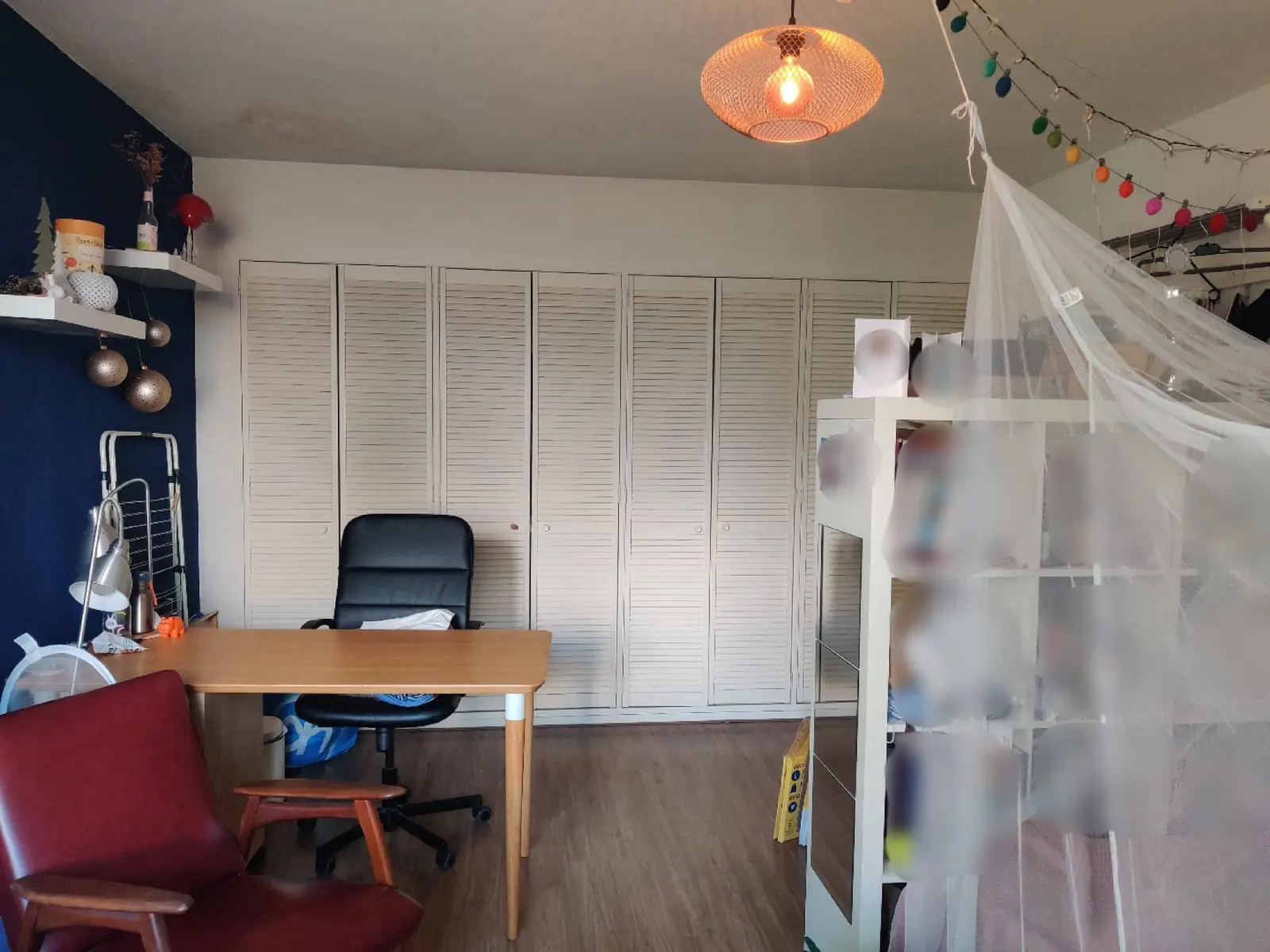
€610.00 / month
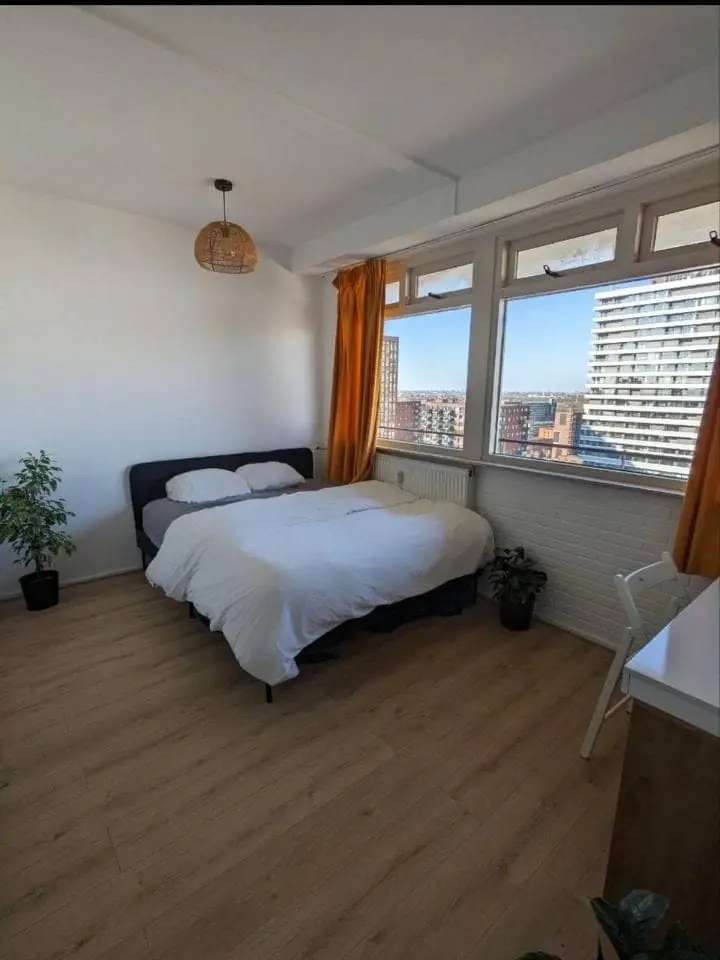
€900.00 / month
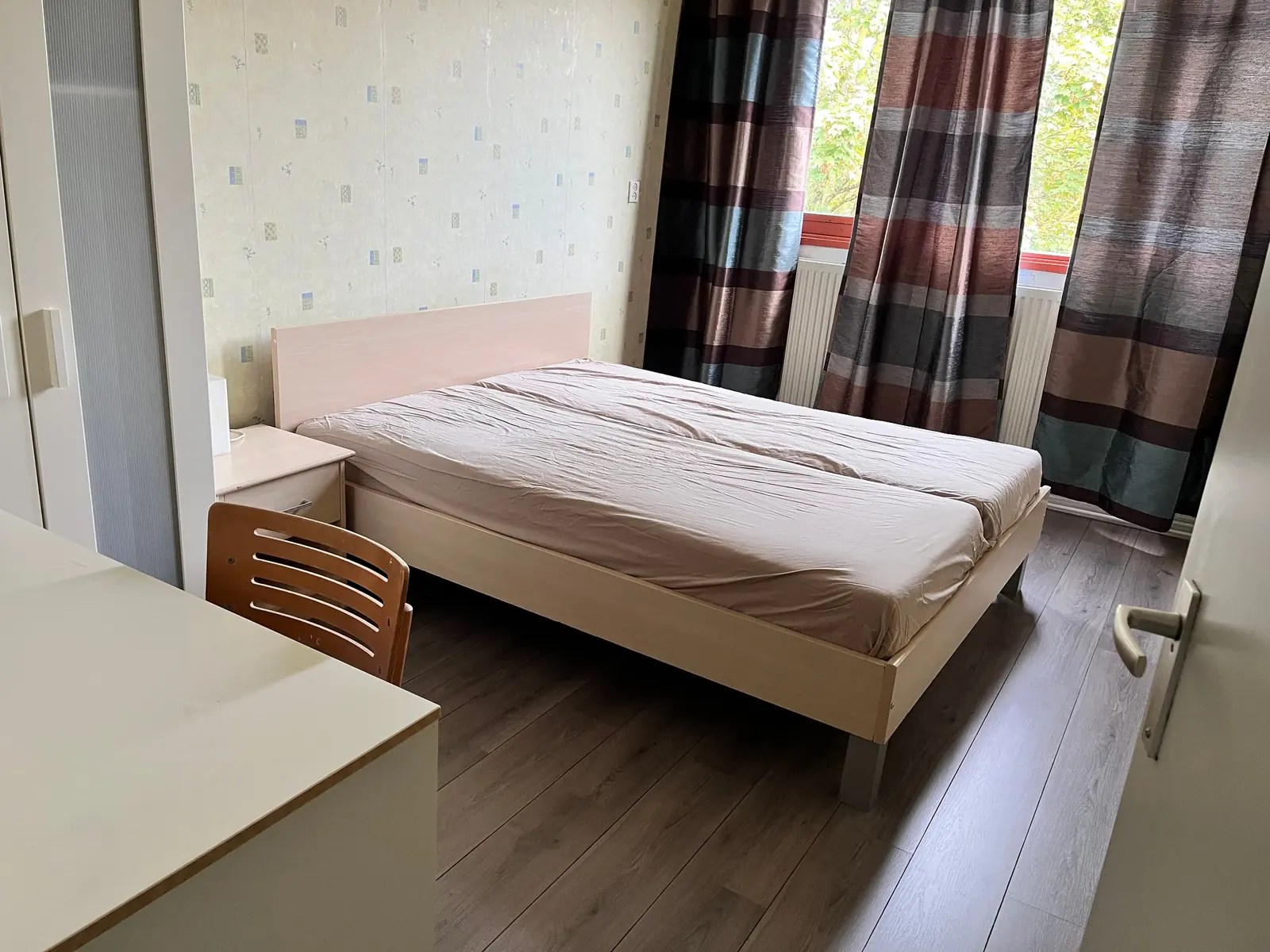
€1,500.00 / month
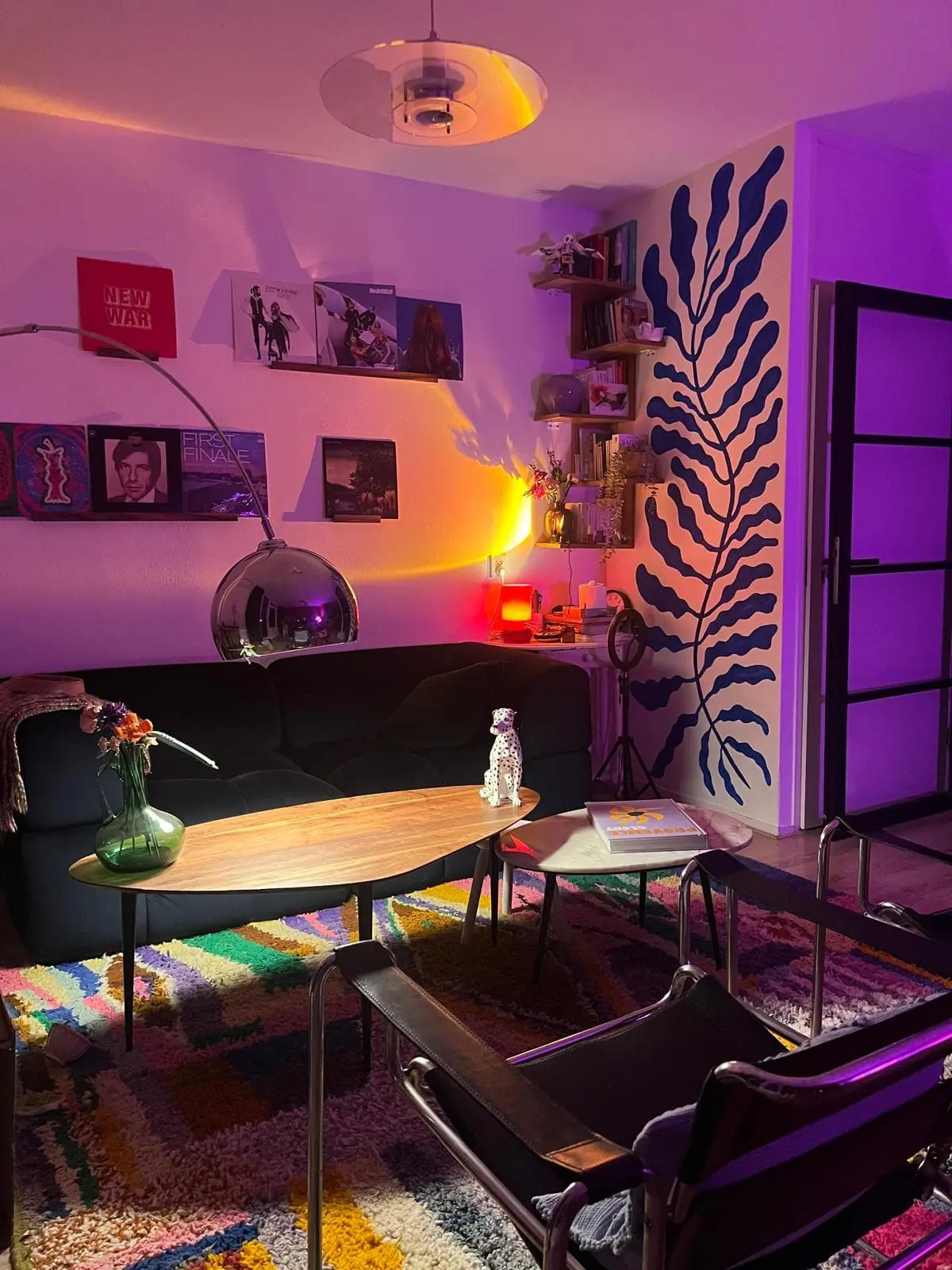
€750.00 / month
Luntero combines apartments, rooms, studios and houses from rental websites with homes published directly on Luntero. Filter by your needs, compare your options and confirm availability, price and conditions with the advertiser.
Browse listings from Funda, Pararius, Kamernet and other supported websites alongside rentals published directly on Luntero. Coverage is broad, but does not include every home on the market.
Navigate our clean and straightforward design effortlessly on both desktop and mobile devices for a seamless apartment, house, or room hunting experience in the Netherlands.
Browse rental listings in English, Dutch, Spanish, French, German, and more. Luntero ensures you can find your next home in the Netherlands in the language you're most comfortable with.
Luntero refreshes collected listings regularly and search alerts email new matches after a successful check. A source can change between refreshes, so verify decisive details there.