
30% Ruling
A significant tax advantage for eligible international employees, making them highly attractive tenants to landlords.

Nederlandse taalcursusvereiste
A Dutch language course requirement is a mandatory component of the civic integration exam ('inburgering') for many non-EU nationals, but is not a general prerequisite for renting or working.
It is a common misconception among expats that there is a general requirement to learn Dutch to live and work in the Netherlands. For most temporary residents, particularly highly skilled migrants and EU citizens, there is no legal obligation to take a language course. However, the 'Dutch language course requirement' is a very real and mandatory obligation for a specific group of people: those who are subject to the Civic Integration Act (Wet inburgering). This law applies to most non-EU/EEA nationals who are moving to the Netherlands for long-term stay, for example to join a partner or family member. These individuals have a legal duty to 'inburgeren'—to integrate into Dutch society. A core component of this process is passing the civic integration exam, which includes a significant language proficiency element (at the A2 or, under newer laws, B1 level of the CEFR).
For this group, the language course is not optional; it is a necessary step to prepare for a mandatory exam. The government agency DUO manages this process, and individuals may be eligible for a government loan to cover the costs of the required courses. Failing to meet the integration requirement within the specified timeframe (typically three years) can have serious consequences, including fines and potential revocation of a residence permit.
Highly skilled migrants (kennismigranten), who make up a large portion of the expat community, are explicitly exempt from the mandatory civic integration requirement. The Dutch government created this exemption to attract international talent, removing the bureaucratic hurdle of mandatory integration for this economically valuable group. Therefore, for most corporate expats, there is no legal requirement to learn Dutch. However, this is not the full story. While the law may not require it, life in the Netherlands creates a powerful 'soft' requirement. Relying solely on English is possible, but it significantly limits one's ability to truly integrate, form meaningful relationships with Dutch people, understand local culture, and navigate many aspects of daily life, from dealing with a non-English speaking tradesperson to understanding official letters from the tax office.
Some employers, recognizing that integration is key to employee retention and well-being, may include a language course clause in their relocation packages. While this is a benefit rather than a requirement, it underscores the practical importance of learning the language. The debate is not whether you can survive without Dutch—you can—but whether you can build a truly fulfilling and self-sufficient life without it. The lack of a legal requirement should not be mistaken for a lack of practical necessity.
Table of Contents
Terms from the same part of the rental process, so you can read them together instead of looking each one up separately.
A significant tax advantage for eligible international employees, making them highly attractive tenants to landlords.
An internationally recognized form of certification that validates the authenticity of a public document for use in another country.
A car lease for expats is a long-term rental agreement for a vehicle, often with all-inclusive pricing that covers insurance, maintenance, and taxes, tailored to foreign nationals.
A unique personal identification number required for virtually all administrative tasks in the Netherlands, including renting a property.
Commute time in the Netherlands is a critical calculation, often measured in cycling minutes or public transport zones rather than just distance.
A corporate lease is a rental agreement where a company, rather than an individual, is the official tenant and bears the legal and financial responsibility.
Move from the literal wording of Dutch Language Course Requirement to exceptions, case context, and contracts for practical meaning.
Every glossary entry that belongs to Expat Considerations, collected on one page.
See TermsLook up a term, abbreviation or contract phrase and get a plain-language explanation with Dutch and English wording.
Search termsLonger guides that walk through applications, contracts, costs and moving, with the terminology used in context.
Read the guidesExplore the latest properties added to Luntero. Find new apartments, houses, and studios across the Netherlands — updated daily to help you discover your next home faster.
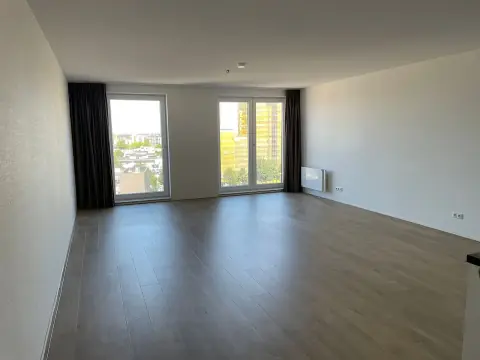
€1,159.00 / month

€600.00 / month
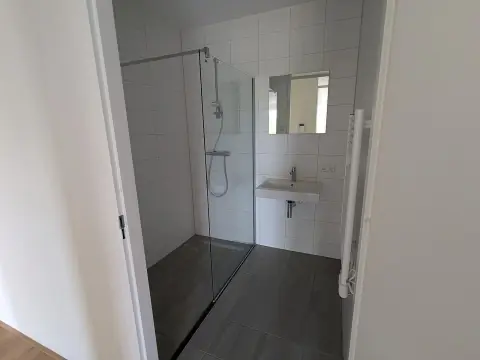
€932.00 / month
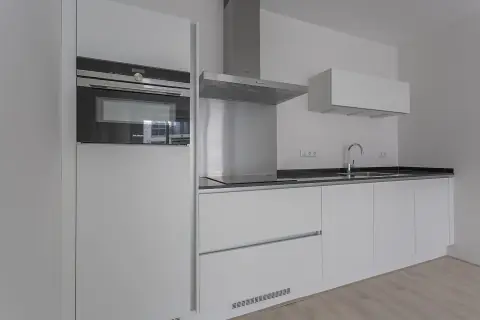
€1,187.00 / month
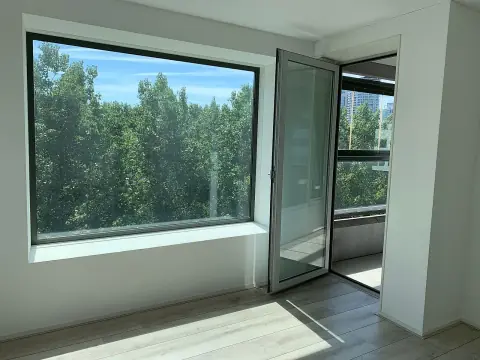
€1,845.00 / month
€933.00 / month
€1,899.00 / month
€765.00 / month
€714.00 / month

€1,596.00 / month
€714.00 / month

€1,210.00 / month
Luntero brings represented apartments, rooms, studios and houses from Dutch rental sources into one searchable place. Use the available filters to narrow your options, then check the original listing for current availability, price, conditions and application steps.
Browse rental listings collected from Funda, Pararius, Kamernet and other supported sources in one place. Coverage is broad but not exhaustive, and the original listing remains authoritative.
Navigate our clean and straightforward design effortlessly on both desktop and mobile devices for a seamless apartment, house, or room hunting experience in the Netherlands.
Browse rental listings in English, Dutch, Spanish, French, German, and more. Luntero ensures you can find your next home in the Netherlands in the language you're most comfortable with.
Luntero refreshes collected listings regularly and search alerts email new matches after a successful check. A source can change between refreshes, so verify decisive details there.