An 'all-inclusive' lease ('all-in huur') is a rental contract with a single price for rent and all other costs, a structure that is legally problematic and disadvantageous for tenants.
Contract Types
Condominium Lease

appartementsrecht huur
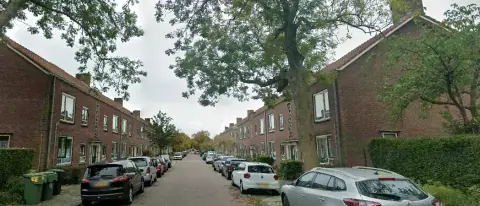
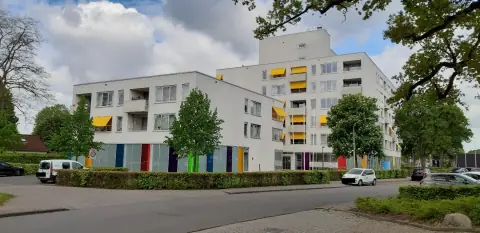
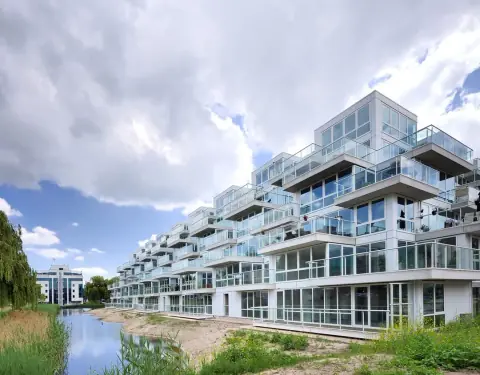
Leasing a condominium means renting a privately owned apartment where the tenant must also abide by the rules of the building's Owners' Association (VvE).
Table of Contents
Table of Contents
Related terms
More terms from Contract Types
Terms from the same part of the rental process, so you can read them together instead of looking each one up separately.
An annual lease is a fixed-term rental contract for a duration of exactly one year, a common but often inflexible arrangement for tenants in the Dutch market.
An apartment lease is the most common type of residential rental agreement in the Netherlands, providing strong tenant protection under the law.
'Automatic renewal' does not lead to another fixed term in the Netherlands; it legally converts a temporary lease into a secure, indefinite one.
A break clause, often a 'diplomat's clause', is a contractual term that allows a landlord or tenant to terminate a fixed-term lease prematurely under specific circumstances.
A lease for a static caravan ('stacaravan') intended for permanent residence offers a degree of tenant protection, which is not the case for recreational use.
Review Condominium Lease Through Eligibility Rules, Document Wording, and Dutch Housing Context
Read Condominium Lease through exceptions, authority, and current rules, not as advice for an individual housing case.
More about Contract Types
Every glossary entry that belongs to Contract Types, collected on one page.
See TermsSearch the glossary
Look up a term, abbreviation or contract phrase and get a plain-language explanation with Dutch and English wording.
Search termsRenting guides
Longer guides that walk through applications, contracts, costs and moving, with the terminology used in context.
Read the guidesNewest Properties in the Netherlands
Explore the latest properties added to Luntero. Find new apartments, houses, and studios across the Netherlands — updated daily to help you discover your next home faster.
Why Luntero
One Workspace for Your Dutch Rental Search
Luntero brings represented apartments, rooms, studios and houses from Dutch rental sources into one searchable place. Use the available filters to narrow your options, then check the original listing for current availability, price, conditions and application steps.
Listings From Many Dutch Sources
Browse rental listings collected from Funda, Pararius, Kamernet and other supported sources in one place. Coverage is broad but not exhaustive, and the original listing remains authoritative.
Intuitive User-Friendly Interface
Navigate our clean and straightforward design effortlessly on both desktop and mobile devices for a seamless apartment, house, or room hunting experience in the Netherlands.
Multilingual Support for Expats & Locals
Browse rental listings in English, Dutch, Spanish, French, German, and more. Luntero ensures you can find your next home in the Netherlands in the language you're most comfortable with.
Regular Listing Refreshes
Luntero refreshes collected listings regularly and search alerts email new matches after a successful check. A source can change between refreshes, so verify decisive details there.