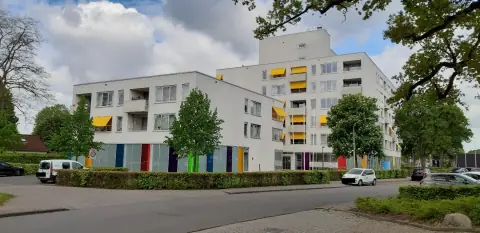
Rental Sell-Off in Netherlands: Boost for First-Time Buyers, Trouble for Tenants
Investors continue divesting rental properties in the Netherlands, lowering purchase prices for first-time buyers but shrinking the rental stock and squeezing tenants.
Guide last updated on: November 28, 20254 min read
Table of Contents
Table of Contents
Further Reading on Renting in the Netherlands
Newest Properties in the Netherlands
Explore the latest properties added to Luntero. Find new apartments, houses, and studios across the Netherlands — updated daily to help you discover your next home faster.
Why Luntero
One Workspace for Your Dutch Rental Search
Luntero brings represented apartments, rooms, studios and houses from Dutch rental sources into one searchable place. Use the available filters to narrow your options, then check the original listing for current availability, price, conditions and application steps.
Listings From Many Dutch Sources
Browse rental listings collected from Funda, Pararius, Kamernet and other supported sources in one place. Coverage is broad but not exhaustive, and the original listing remains authoritative.
Intuitive User-Friendly Interface
Navigate our clean and straightforward design effortlessly on both desktop and mobile devices for a seamless apartment, house, or room hunting experience in the Netherlands.
Multilingual Support for Expats & Locals
Browse rental listings in English, Dutch, Spanish, French, German, and more. Luntero ensures you can find your next home in the Netherlands in the language you're most comfortable with.
Regular Listing Refreshes
Luntero refreshes collected listings regularly and search alerts email new matches after a successful check. A source can change between refreshes, so verify decisive details there.
Understand Dutch rental terms before you sign the lease.
Renting in the Netherlands comes with unique rules, legal phrases, and housing abbreviations that can be tricky. The Luntero Rental Glossary is your guide to every rental term — from tenancy agreements, deposits, and agency fees to utility charges, rent control, and tenant rights. Whether you’re new to renting, moving as an expat, or just want to avoid hidden costs, our glossary helps you rent smarter, negotiate better, and protect yourself from mistakes.
Rental Sell-Off in Netherlands: Boost for First-Time Buyers, Trouble for Tenants
The Dutch rental market is witnessing a significant shift as investors continue to sell off residential properties at an accelerating pace. In the third quarter of 2025 alone, investors offloaded 15,800 rental homes—an increase of more than 37% compared to the same period a year earlier—while only acquiring 6,000 units in return. This trend, revealed by the Kadaster (the Dutch Land Registry), presents a mixed picture: it opens doors for first-time home buyers but simultaneously tightens the squeeze on tenants relying on mid-market rentals.
The Growing Trend of Rental Sell-Offs
Since early 2023, property owners have been increasingly divesting mid-market rental units. This surge coincided with the government’s push for tighter rent regulations under the Affordable Rent Act, which aims to cap rents on certain private-sector houses and apartments. As a result, investors are offloading cheaper, regulated rentals before new rules take full effect.
Matthieu Zuidema, a housing market expert at the Kadaster, notes that “every quarter, more homes are sold than a year earlier.” While the sell-off initially targeted large cities with high-priced housing, it has now spread to suburban and rural areas, signaling a nationwide shift.
Benefits for First-Time Buyers
For prospective homeowners, this sell-off is welcome news. Former rental homes are typically listed at lower prices than comparable owner-occupied properties. In Q3 2025, buyers paid an average of €384,000 for residences acquired from investors, compared to €511,000 for purchases from individual homeowners—a gap of nearly €130,000.
These price advantages allow first-time buyers, including younger professionals and families, to enter the housing market sooner. Smaller flats and apartments, often requiring minor renovations, become attainable stepping stones toward property ownership. In cities like Amsterdam and Utrecht, where house prices have soared, such bargains represent rare opportunities for those locked out by strict mortgage lending criteria and ballooning interest rates.
Challenges for Renters and Tenant Rights
On the flip side, the dwindling supply of mid-market rentals places significant strain on tenants. The Netherlands already faces low vacancy rates in major urban centers, and the sale of regulated units only exacerbates competition. Renters who rely on huurtoeslag (housing benefits) or seek affordable options through a woningcorporatie (housing association) find fewer alternatives in the private sector.
Key concerns include:
Rising market rents as unregulated properties replace former mid-market rentals.
Increased waiting lists for social housing managed by housing associations.
Greater risk of displacement for lower-income households.
Tenants are urged to know their rights under Dutch rental law, including the procedures for challenging rent hikes and requesting maintenance under the Dutch Civil Code (Burgerlijk Wetboek).
Drivers Behind the Sell-Off
Two main factors fuel the current sell-off:
Affordable Rent Act Regulations: This legislation targets mid-market rentals by setting maximum rent levels and stricter licensing requirements. Investors facing reduced profit margins are opting to sell before the rules tighten further.
Upcoming Tax Reforms: Under the 2026 Tax Plan, private owners of second homes will face higher wealth taxes. Anticipating this change, many are offloading properties to avoid increased liabilities.
While investors did purchase nearly 6,000 homes in Q3 2025—a 40% year-on-year rise—59% of those acquisitions came from other investors, doing little to replenish the rental inventory. The overall stock of investor-owned rentals, estimated at around 300,000 units, is shrinking by roughly 7–8% annually.
Regional Spread and Market Impact
Initially concentrated in the Randstad’s major cities, the sell-off now reaches smaller towns and provinces. In areas where rental prices historically remained affordable, landlords have found fresh markets as profit margins in regulated segments narrow. This broader geographic sweep intensifies the competitive landscape for tenants nationwide.
Local municipalities (gemeenten) are under pressure to bolster social housing quotas and explore creative solutions—such as temporary shelters and co-living developments—to address the shortfall.
What Lies Ahead for the Dutch Housing Market
The sustained sell-off of rental properties raises critical questions about the balance between homeownership opportunities and rental affordability. If the trend continues, the Netherlands could face:
A permanent reduction in mid-market rental stock, driving more households toward social housing or informal market arrangements.
Further escalation of house prices due to persistent demand from first-time buyers.
Policy interventions, including subsidies for new rental construction or amendments to tax incentives for landlords.
Stakeholders from government bodies to housing associations will need to monitor these dynamics closely to ensure the market remains inclusive and resilient.
Strategies for Tenants and Landlords
Tenants should:
Stay informed about their rental rights and any local initiatives to expand affordable housing.
Act promptly during a lease renewal to negotiate terms or seek mediation if faced with significant rent increases.
Landlords and investors might consider:
Diversifying their portfolios with mixed-use developments or longer-term leases to stabilize income.
Engaging in public–private partnerships to build new regulated rentals that balance profitability with social responsibility.
Maintaining open dialogue among tenants, landlords, and policymakers will be key to forging sustainable solutions in the evolving Dutch rental landscape.
Ready to find your next rental home without the hassle? Visit Luntero to explore a wide range of listings and simplify your search.
Understand Dutch rental terms before you sign the lease.
Renting in the Netherlands comes with unique rules, legal phrases, and housing abbreviations that can be tricky. The Luntero Rental Glossary is your guide to every rental term — from tenancy agreements, deposits, and agency fees to utility charges, rent control, and tenant rights. Whether you’re new to renting, moving as an expat, or just want to avoid hidden costs, our glossary helps you rent smarter, negotiate better, and protect yourself from mistakes.