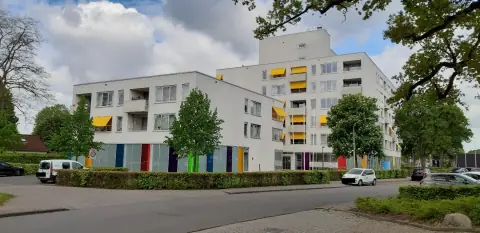
Housing Shortage Widens Generational Gap: Gen Z Loses Confidence
Gen Z in the Netherlands is the first generation since the 1950s to lose confidence in buying a home amid a deepening housing shortage. This article explores the generational divide and the key factors shaping today’s housing market.
Guide last updated on: December 18, 20254 min read
Table of Contents
Table of Contents
Further Reading on Renting in the Netherlands
Newest Properties in the Netherlands
Explore the latest properties added to Luntero. Find new apartments, houses, and studios across the Netherlands — updated daily to help you discover your next home faster.
Why Luntero
One Workspace for Your Dutch Rental Search
Luntero brings represented apartments, rooms, studios and houses from Dutch rental sources into one searchable place. Use the available filters to narrow your options, then check the original listing for current availability, price, conditions and application steps.
Listings From Many Dutch Sources
Browse rental listings collected from Funda, Pararius, Kamernet and other supported sources in one place. Coverage is broad but not exhaustive, and the original listing remains authoritative.
Intuitive User-Friendly Interface
Navigate our clean and straightforward design effortlessly on both desktop and mobile devices for a seamless apartment, house, or room hunting experience in the Netherlands.
Multilingual Support for Expats & Locals
Browse rental listings in English, Dutch, Spanish, French, German, and more. Luntero ensures you can find your next home in the Netherlands in the language you're most comfortable with.
Regular Listing Refreshes
Luntero refreshes collected listings regularly and search alerts email new matches after a successful check. A source can change between refreshes, so verify decisive details there.
Understand Dutch rental terms before you sign the lease.
Renting in the Netherlands comes with unique rules, legal phrases, and housing abbreviations that can be tricky. The Luntero Rental Glossary is your guide to every rental term — from tenancy agreements, deposits, and agency fees to utility charges, rent control, and tenant rights. Whether you’re new to renting, moving as an expat, or just want to avoid hidden costs, our glossary helps you rent smarter, negotiate better, and protect yourself from mistakes.
Housing Shortage Widens Generational Gap: Gen Z Loses Confidence
The Netherlands has long prized homeownership as a cornerstone of financial stability and family life. Yet today’s housing shortage is reshaping that narrative—especially for Generation Z. According to research by ING, Gen Z is the first cohort since the 1950s to lose confidence in entering the housing market. In this article, we’ll explore why younger Dutch renters and buyers are feeling squeezed, how they compare to older generations, and what might be needed to restore faith in homeownership.
The Post-War Homeownership Boom
Homeownership became increasingly common in the Netherlands during the post-World War II reconstruction era. With rapid housing construction and rising incomes, many baby boomers and Generation X could afford their first homes on a single salary. These properties often served as “forever homes” where families married, raised children, and built equity over decades.
Wim Flikweert, researcher at ING, explains: “Previously, you could buy a home with one income. Now you see that two incomes are needed. Moreover, a large proportion of the post-war generation still lives in the house they bought back then.”
Generation Z’s Growing Anxiety
Today’s first-time buyers face a starkly different market. ING’s study reveals that 55 percent of Gen Z worry they may never afford a home, and 58 percent expect ongoing compromises on size and location. Even millennials report similar concerns: 55 percent fear unaffordability and 53 percent foresee concessions.
Key highlights for Gen Z:
55 percent doubt their future home-buying ability.
58 percent expect to settle for smaller or less ideal properties.
Nearly one in three first-time buyers relied on parental or family support.
By contrast, only 6 percent of baby boomers and 7 percent of Gen X needed third-party help to step onto the property ladder.
Why Are Conditions So Different?
Several factors are at play:
Supply Constraints: Municipalities (gemeenten) and housing associations (woningcorporaties) struggle to keep pace with demand. Red tape and limited available land slow new construction.
Rising Prices: House prices in many Dutch cities have increased faster than wages. That gap pushes required down payments and mortgage debts higher.
Two-Income Requirement: Unlike earlier generations, most banks now require two steady incomes to approve a mortgage. This raises the entry bar for single or part-time earners.
Shrinking Starter Homes: When boomers bought, entry-level homes often exceeded 80 m². First-time buyers today may only afford 40 m² apartments—spaces they will likely outgrow.
The Role of Financial Support
Family assistance has become a common lifeline. ING data shows:
32 percent of Gen Z buyers received help from parents or relatives.
20 percent of millennials relied on similar support.
This “bank of Mom and Dad” is informal yet crucial—especially for meeting down payment requirements.
Comparing Generations Side by Side
Generation
Worried About Affordability
Expect to Compromise
Received Family Help
Baby Boomers
25 percent
20 percent
6 percent
Generation X
30 percent
25 percent
7 percent
Millennials
55 percent
53 percent
20 percent
Generation Z
55 percent
58 percent
32 percent
(Source: ING study)
Is There a Silver Lining?
Some parallels exist between today’s market and the 1950s shortage: both generations saw construction lag behind demand. But the post-war era carried optimism—knowing that large-scale building was imminent. Today’s stalemate feels permanent, leaving many young people disillusioned.
Still, potential remedies could ease the pressure:
Accelerating Construction: Streamline permitting at the gemeentelijk level and incentivize woningcorporaties to build more affordable units.
Flexible Financing: Explore mortgage models that adjust to income fluctuations or offer first-time buyer benefits.
Stimulating Rental to Buy: Encourage programmes that allow long-term tenants to convert rental agreements into purchase options, leveraging existing huurtoeslag (housing benefit) records.
Looking Ahead
Restoring confidence will require coordinated efforts from government, financial institutions, and developers. Young Dutch adults need clear pathways to homeownership without overextending their budgets or relying solely on family wealth.
In the meantime, many Gen Z and millennial renters may continue to accept compromises—smaller spaces, longer commutes, or shared living arrangements—to stay in major cities like Amsterdam, Rotterdam, and Utrecht.
Conclusion
For the first time since the 1950s, a generation doubts its ability to own property in the Netherlands. While baby boomers and Gen X enjoyed a relatively straightforward route to homeownership, Gen Z faces soaring prices, a deepening housing shortage, and a two-income mortgage reality. Addressing these challenges will be critical to bridging the generational gap and ensuring the Dutch housing market remains accessible and sustainable.
Looking for your next rental or starter home? Discover hundreds of listings and expert guidance at Luntero, your easiest way to navigate the Dutch rental market and find the perfect home.
Understand Dutch rental terms before you sign the lease.
Renting in the Netherlands comes with unique rules, legal phrases, and housing abbreviations that can be tricky. The Luntero Rental Glossary is your guide to every rental term — from tenancy agreements, deposits, and agency fees to utility charges, rent control, and tenant rights. Whether you’re new to renting, moving as an expat, or just want to avoid hidden costs, our glossary helps you rent smarter, negotiate better, and protect yourself from mistakes.