
Explore NO₂ Air Quality Through Reported Unit, Observation Time, and Station Setting
Use NO₂ Air Quality only after checking calibration, sensor type, and weather context.
NO₂ represents nitrogen dioxide in the supported air-quality data and is reported using micrograms per cubic metre. A careful interpretation of NO₂ air quality keeps recency connected to source and local context. Read every value together with its station, timestamp, source, unit, and status; concentrations and composite indices answer different questions and should not be treated as interchangeable.
The Official NO2 Thresholds
Every reading on these pages is placed on the official five-band Dutch scale. The thresholds differ per pollutant; these are the NO₂ boundaries in µg/m³.
Where does NO2 come from?
Nitrogen dioxide primarily originates from combustion processes, especially in vehicle engines, ships, and heating systems. Power plants and industrial sites also contribute to local and regional NO₂ concentrations. Because traffic is the main source in most urban areas, monitoring NO₂ offers valuable insight into the effectiveness of emission-control measures and sustainable transport policies.
- Airway irritation
- Asthma exacerbation
- Coughing and wheezing
- Reduced lung function
- Increased susceptibility to respiratory infections
- Ozone (O₃) formation
- Secondary PM formation
- Smog episodes
- Nitrogen deposition to soils and waters
- Vegetation stress
Where NO2 Is Measured
Every Dutch city with stations tracking NO2, ranked by coverage. Open a city for its live readings and history.
Other Pollutants
What NO₂, ozone and fine dust actually are, where they come from, and at what concentration each one moves from good to bad on the official Dutch scale.
LKI
The Dutch Air Quality Index (LKI) gives a simple snapshot of overall air pollution levels. It combines key pollutants into one score to help you quickly understand today’s air quality.
Particulate matter
PM10 particles are coarse dust and soot small enough to be inhaled into the upper airways. They often come from traffic, construction, and natural sources like dust storms.
Fine particles
PM2.5 particles are fine pollutants that penetrate deep into the lungs and bloodstream. They are among the most harmful pollutants, mainly from combustion and chemical reactions in the air.
Ozone
Ground-level ozone (O₃) is a secondary pollutant formed on sunny days from traffic and industrial gases. It irritates the lungs and damages plants, making it a key driver of summer smog.
Dutch and EU Air Quality Context
All air quality information on Luntero comes from Luchtmeetnet, the official Dutch air monitoring network operated under national and EU standards. This ensures that every measurement—whether for NO₂, PM, O₃, or the LKI index—is consistent, transparent, and comparable across the Netherlands and other European countries.
Newest Properties in the Netherlands
Explore the latest properties added to Luntero. Find new apartments, houses, and studios across the Netherlands — updated daily to help you discover your next home faster.
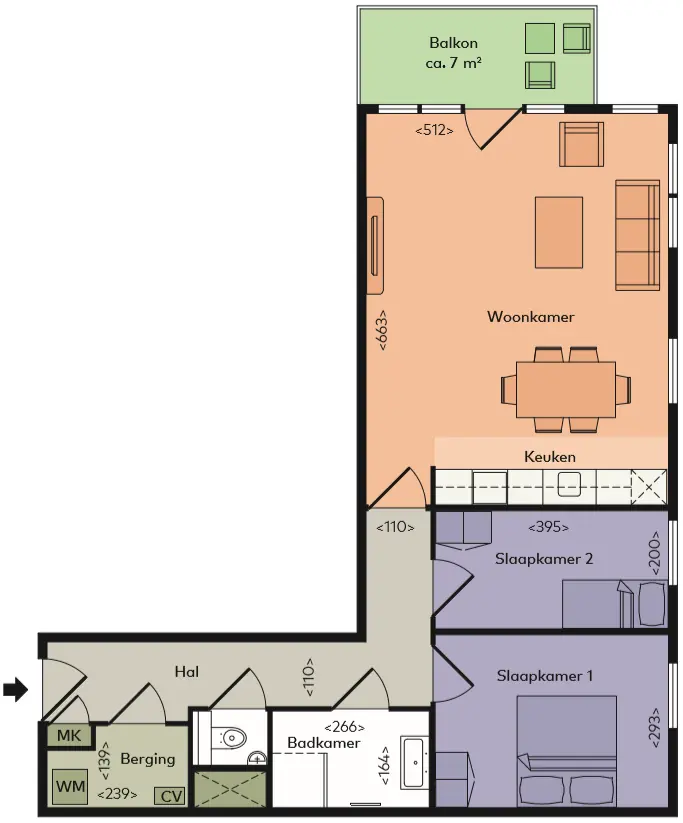
€1,730.00 / month
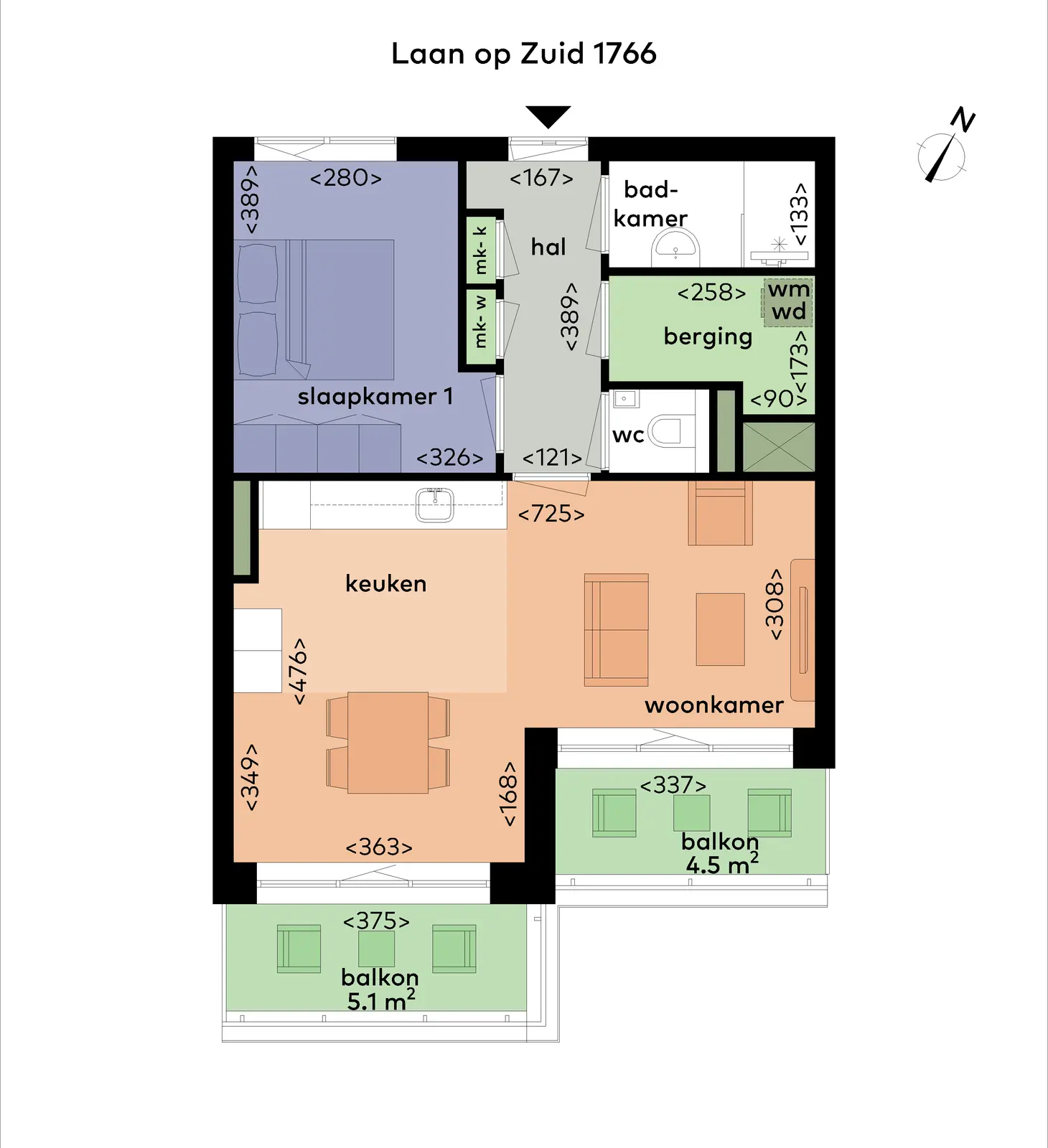
€1,248.00 / month
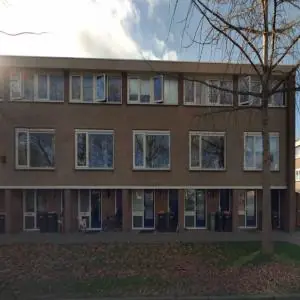
€935.00 / month
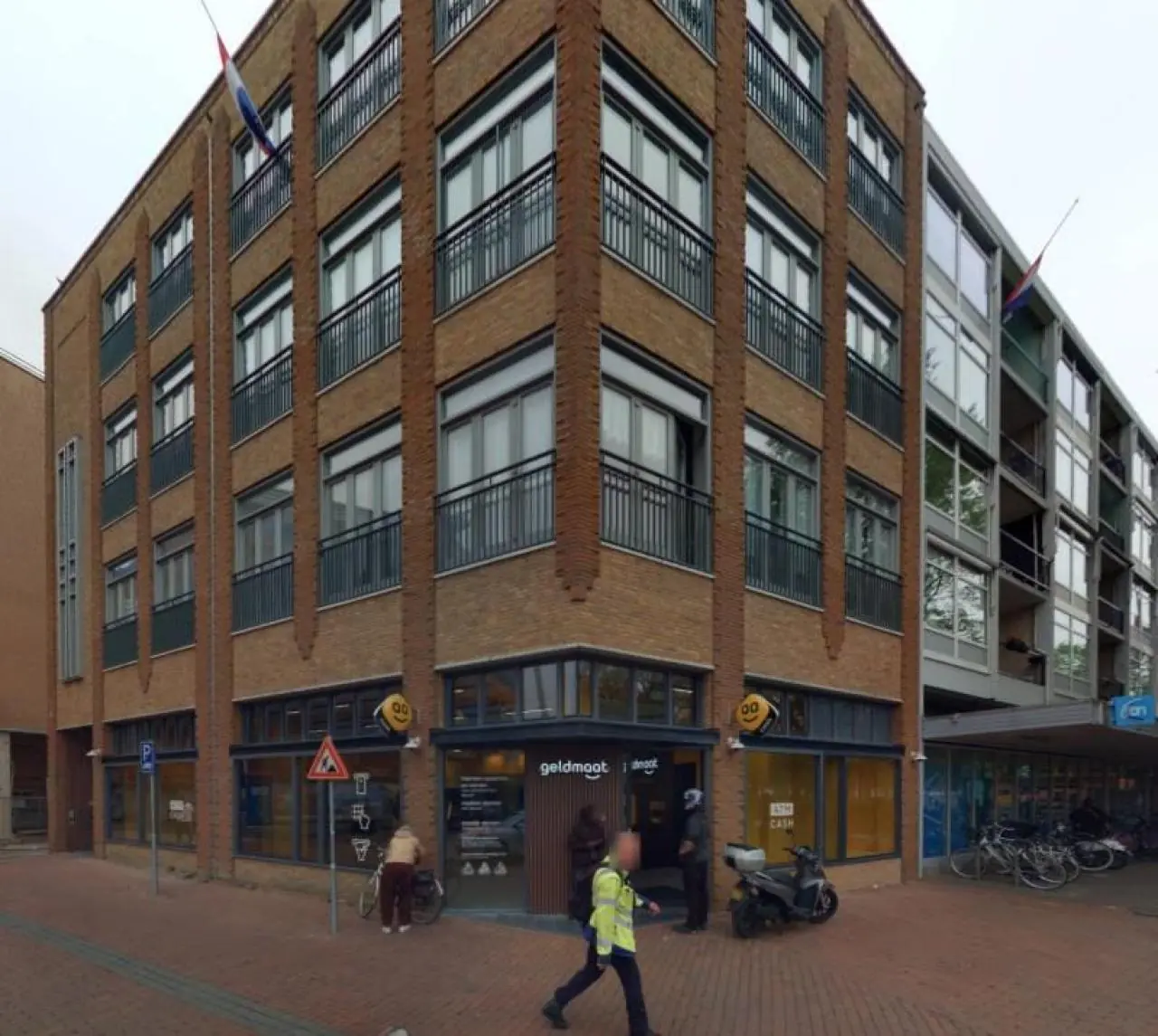
€966.00 / month

€1,250.00 / month

€1,620.00 / month
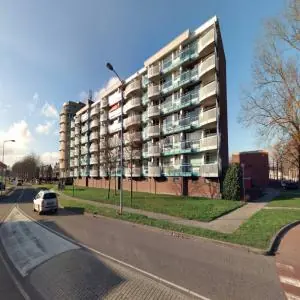
€997.00 / month
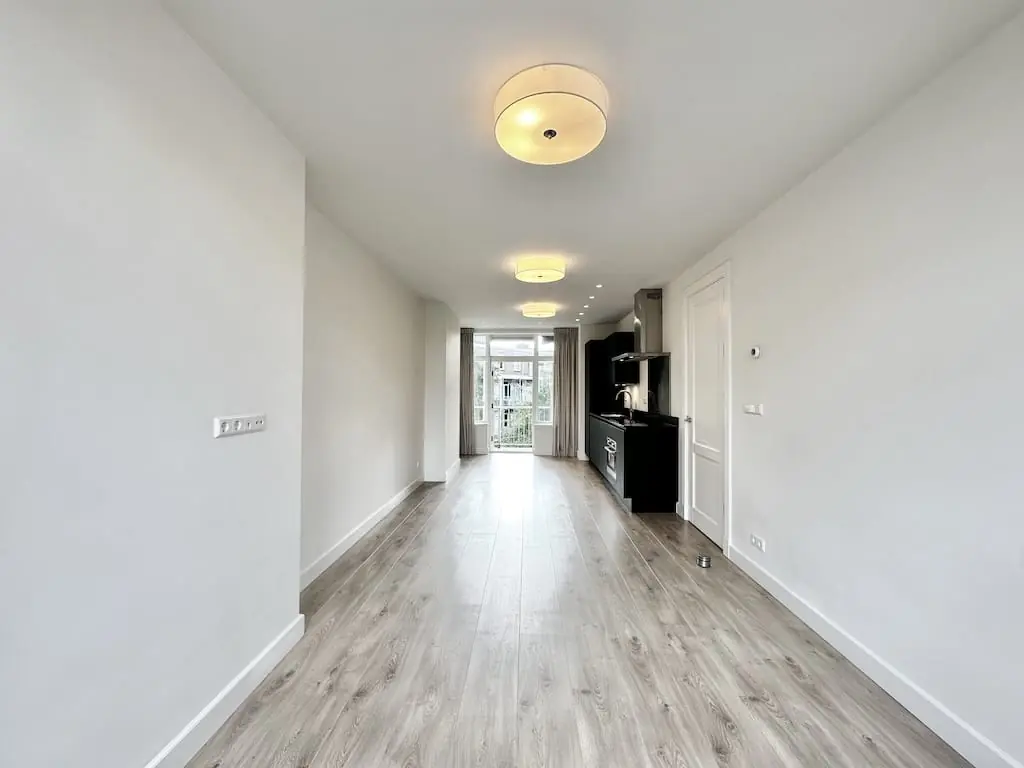
€2,675.00 / month
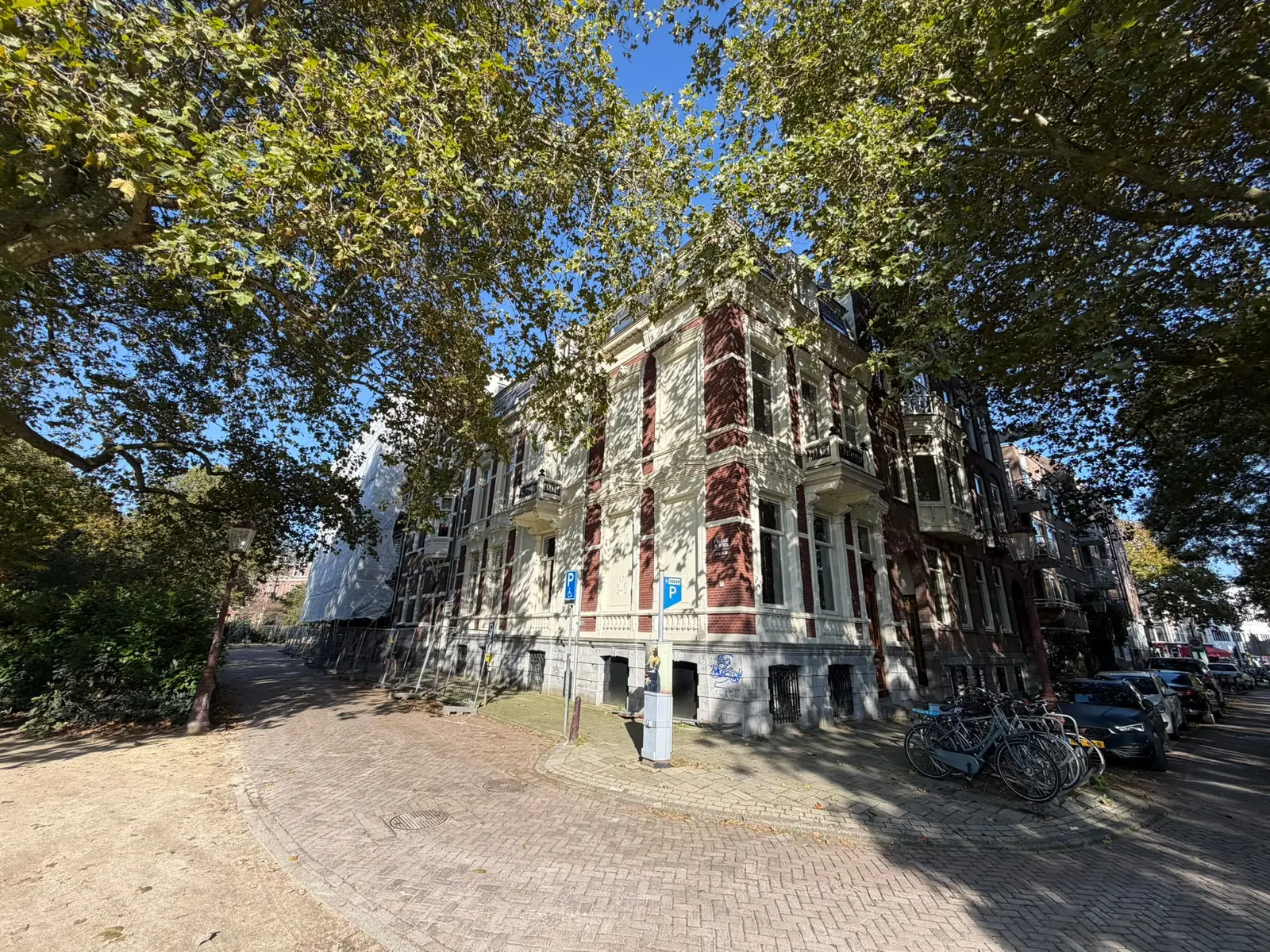
€1,228.00 / month
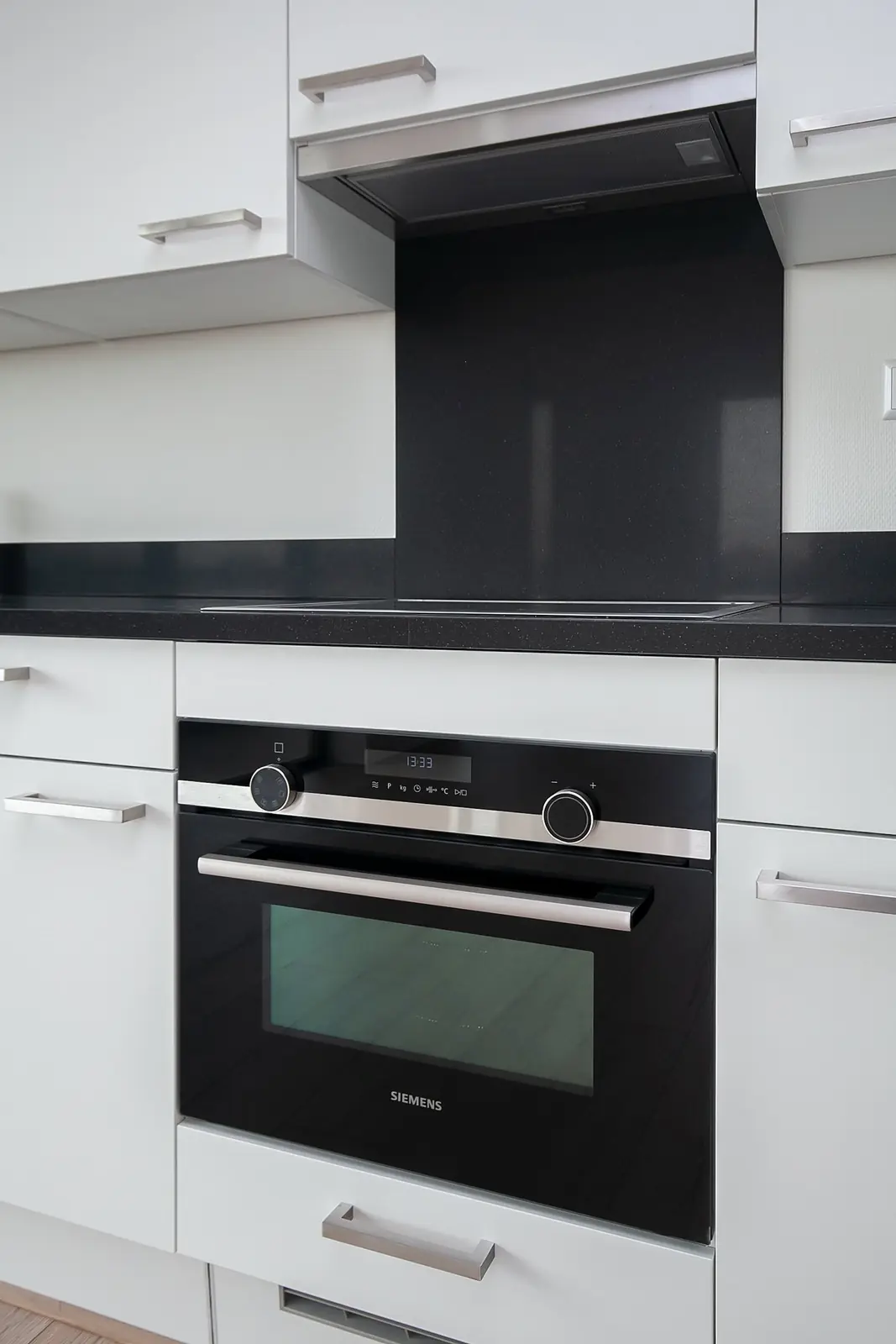
€1,785.00 / month
€1,579.00 / month

€895.00 / month