
Why Buying a House in the Netherlands May Not Be the Best Choice for Expats
Moving to the Netherlands often comes with a dream of owning a charming canal-side apartment or a modern townhouse in a vibrant Dutch city. But despite the appeal—and cute Stroopwafels—buying property here in 2025 can carry hidden risks, especially for expats. From soaring mortgage rates to hefty transaction costs, uncertain visa prospects, and an aging housing stock, many would-be homeowners may find that renting is the safer, more flexible option.
1. Mortgage Rates Are Still High
Between 2021 and 2024, average mortgage interest rates in the Netherlands jumped from around 1.5% to between 3.5% and 4.5%, depending on the fixed-term period. According to De Nederlandsche Bank (DNB), rates more than doubled over that period 1. On a €400,000 mortgage, that increase translates to hundreds of extra euros per month even before accounting for homeowners’ association (VvE) fees or service costs.
Higher rates reduce your borrowing power and make monthly budgets tighter. If the European Central Bank (ECB) holds rates steady, mortgage costs are unlikely to dip significantly in the next 6–12 months.
2. Home Prices May Still Be Correcting
In 2022, Dutch property prices reached all-time highs. More recently, the market has cooled in major regions. Statistics Netherlands (CBS) reports a 3.7% drop in home prices from early 2023 through late 2024 2. While broader economic factors play a role—like wage growth and ECB policy—buying now could mean purchasing at or near a short-term peak, only to see your investment lose value in the near term.
3. Visa Uncertainty vs. Long-Term Debt
Many expats hold temporary residence permits tied to their employment. If your contract isn’t renewed—or your company transfers you—being saddled with a 30-year mortgage can become a serious burden. Unlike rent, which you can generally exit at the end of the term (subject to notice periods), selling your home and repatriating in a hurry is often complicated and costly.
4. High Upfront Costs: A Wallet Punch
Buying a home in the Netherlands involves significant closing costs, typically around 5%–6% of the purchase price:
- Transfer tax (2%) – a mandatory tax on property purchases.
- Notary and valuation fees (€2,000–€3,000) – essential legal and appraisal services.
- NHG premium – optional but recommended mortgage guarantee insurance, putting you in the safe haven of the Nationale Hypotheek Garantie scheme.
On a €450,000 home, you could easily spend €20,000–€25,000 upfront, funds you can’t recover unless you stay and sell at a profit.
5. Liquidity and Flexibility Matter
Renting offers the freedom to move—whether for career opportunities, family reasons, or a spontaneous return to your home country. Owning property ties up capital in down payments, closing fees, and renovations. If you suddenly need to relocate, selling a house in a market downturn can take months, and you may have to accept a loss.
6. Reduced Tax Benefits
For years, the mortgage interest tax deduction (hypotheekrenteaftrek) was a cornerstone benefit of Dutch homeownership. However, as of 2025, the maximum deductible rate is capped at 36.97%, down from nearly 49% a few years ago. Expats benefiting from the 30% ruling may see minimal additional advantage. Always consult a tax advisor for personalized guidance.
7. Fierce Competition Persists
Despite a slight market cooldown, Funda listings in cities like Amsterdam, Utrecht, and Leiden still attract dozens of viewings and frequent overbids. The housing market remains tight, and buyers often face bidding wars. If you value a less stressful search process, renting in a mid-term or long-term lease may be preferable.
8. Aging Housing Stock Comes With Surprises
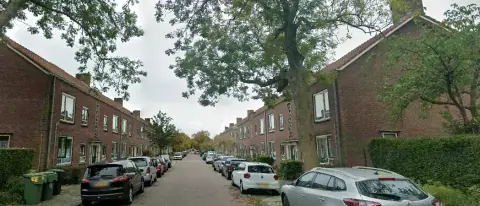
A large portion of Dutch urban housing dates from 1900–1975. That classic charm can hide structural quirks:
- Sagging wooden floors
- Single-pane windows with poor insulation
- Damp canal-level basements
Renovations and energy upgrades can quickly add tens of thousands of euros to your initial costs.
9. Timing Is Everything
Real estate markets are cyclical. Both Rabobank and ING economists forecast modest price declines or stagnation through late 2025 as wages catch up and ECB rates remain unchanged 3. Waiting 6–12 months could yield better purchase opportunities, improved negotiating power, and more time to secure a stable permit or permanent residency.
Making the Right Move: Renting vs. Buying
If you’re in the Netherlands on a short-to-medium-term work assignment, or if your future here isn’t set in stone, renting offers unparalleled flexibility, lower immediate costs, and freedom from maintenance headaches. Building your savings while monitoring market developments may position you to buy under more favorable conditions down the road.
Ultimately, homeownership is a deeply personal decision. Weigh your long-term career plans, financial cushion, visa status, and tolerance for property maintenance. And remember: timing, location, and personal circumstances all play a vital role.
Ready to explore the best rental listings and find a flexible home solution in the Netherlands? Visit Luntero for an easy, intuitive way to browse available properties across Dutch cities and regions.
Footnotes
-
De Nederlandsche Bank (DNB). Official site: https://www.dnb.nl ↩
-
Statistics Netherlands (CBS). Official site: https://www.cbs.nl ↩
-
Rabobank and ING market forecasts (2025). ↩