Chapter 5 of 12Types of Rental Contracts and Tenant Rights
- 1Introduction to Renting in Amsterdam
- 2Understanding the Dutch Rental Market
- 3Boroughs and Neighborhoods of Amsterdam
- 4Finding Rental Listings and Avoiding Scams
- 5Types of Rental Contracts and Tenant Rights
- 6Budgeting and Cost of Living in Amsterdam
- 7Viewing Apartments and Negotiating Terms
- 8Navigating Registration (BRP) and Legal Requirements
- 9Understanding Utilities, Internet, and Service Costs
- 10Moving In: Checklists and Practical Tips
- 11Living Comfortably and Handling Common Issues
- 12Ending a Tenancy and Moving Out
Table of Contents
Introduction
Before you pick up the keys to your new Amsterdam home, you’ll be asked to sign a rental contract (“huurovereenkomst”). The type of contract you sign will shape everything from how long you can stay to how and when your rent can increase — and even how easy it is to challenge your rent at the Huurcommissie.
This chapter breaks down:
- The main types of rental contracts in the Netherlands (and recent law changes in 2024–2025 that affect them).
- The difference between furnished, semi-furnished, and unfurnished clauses.
- Your rights and obligations as a tenant — including notice rules, deposit limits, and landlord duties.
- What to do if the landlord doesn’t meet their obligations.
- How to spot unfair clauses and challenge them.
By the end, you’ll be able to read your rental contract like a pro, understand the fine print, and avoid the most common pitfalls in the Amsterdam rental market.
Legal Tip: Dutch tenancy law is largely mandatory (“dwingend recht”), meaning landlords cannot contract out of core tenant protections — even if you sign something that says otherwise.
1. Rental Contract Categories in the Netherlands
Dutch rental law recognises several legal forms of tenancy agreements. In practice, you will encounter these most often in Amsterdam:
1.1 Indefinite-Term Contract (Onbepaalde tijd)
- No fixed end date — continues until one party terminates with the correct notice.
- Strongest tenant protection: Landlord can only end the tenancy for legally valid reasons (Civil Code Book 7, Art. 7:274 BW).
- Tenant may terminate with 1 calendar month’s notice.
- Rent increases allowed only within legal limits.
Example:
You rent an apartment in De Pijp for €1,050/month. After 2 years, the landlord decides to sell. They cannot evict you unless the buyer takes it over as a rental or you voluntarily leave — unless a legal termination ground applies.
1.2 Fixed-Term Contract (Bepaalde tijd)
Important 2024 Change: Since 1 July 2024, most fixed-term contracts for independent housing automatically convert to indefinite contracts at the end date, unless the landlord sends a proper termination notice in advance.
- Start and end date are clearly stated.
- If the landlord does not give proper notice, the tenancy continues indefinitely.
- Tenant can still leave early with 1 month’s notice, unless agreed otherwise.
- Common in expat rentals or corporate housing.
1.3 Temporary Contract with Specific Grounds
Certain temporary contracts are still legal:
- Campus contracts for students.
- Youth contracts (usually 18–27 years old).
- Leegstandswet contracts (renting out a home for sale or renovation).
- Tied accommodation (job-related housing, e.g., caretaker).
These contracts end when the specific condition is no longer met.
1.4 Room Rental / Shared Housing
- Renting a room with shared facilities falls under dependant housing rules.
- Notice periods can differ.
- Landlord’s access rights to shared areas are broader, but private room is protected.
1.5 Short-Stay Contracts
- Often aimed at expats/tourists; sometimes illegal if circumventing housing rules.
- Amsterdam enforces strict rules to prevent misuse — short-stay for residential addresses typically requires a permit.
- Contracts under 6 months require careful review to ensure legality.
2. Furnishing Clauses
Rental contracts often specify:
| Type | What’s Included | Notes |
|---|---|---|
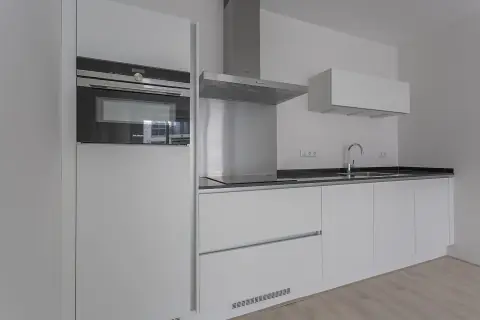
| Unfurnished (kaal) | No flooring, curtains, light fixtures. Sometimes no kitchen appliances. | Common in Amsterdam; budget for setup. |
| Semi-furnished (gestoffeerd) | Flooring, curtains, lighting. Basic appliances usually included. | Most common for long-term rentals. |
| Furnished (gemeubileerd) | Fully equipped — furniture, kitchenware, linens. | Higher rent; check for fair “furniture depreciation” costs in service charges. |
Pro Tip: For furnished rentals, ask for an inventory list signed by both parties at move-in.
3. Key Clauses to Watch in Any Contract
3.1 Rent Amount and Indexation
- Regulated rentals (social & mid-rent) follow WWS points and max annual increases set by law.
- Free sector rents can increase yearly but within caps for private housing.
3.2 Deposit
- Since 1 July 2023, deposit is max 2 months’ basic rent for new contracts.
- Return within 14 days after tenancy ends (30 days if deductions).
3.3 Service Costs
- Must be itemised and settled annually by 30 June.
- Cannot include landlord’s mortgage, property tax, or major repairs.
3.4 Termination Clause
- Must comply with legal notice periods and valid grounds for landlords.
- Tenants always have at least 1 calendar month notice.
3.5 Access Rights
- Landlord must give reasonable notice before entering (except in emergencies).
4. Tenant Rights in the Netherlands
4.1 Core Legal Protections
- Security of tenure: Landlords cannot evict without court approval unless you leave voluntarily.
- Rent review rights: In regulated housing, you can challenge rent with the Huurcommissie.
- Maintenance rights: Landlord must keep the property in good condition (major repairs are their responsibility).
- Privacy: Landlord cannot enter without notice except in emergencies.
4.2 Deposits and Deductions
- Only unpaid rent, unpaid service costs, and damage beyond normal wear can be deducted.
- Landlord must provide an itemised list for deductions.
4.3 Discrimination
- Landlords may not discriminate based on race, gender, religion, sexual orientation, etc.
- Reports can be made to the Dutch Institute for Human Rights.
5. What If the Landlord Doesn’t Meet Obligations?
Step 1: Notify in writing, describing the issue and giving a reasonable deadline.
Step 2: If no action, escalate to the Huurcommissie (regulated rentals) or court.
Step 3: In severe cases (e.g., heating not working in winter), you can request a temporary rent reduction.
6. Illegal Clauses to Reject
The following clauses are unenforceable under Dutch law:
- “Tenant waives right to challenge rent.”
- “Tenant responsible for all repairs” (major repairs cannot be shifted to tenant).
- “Deposit non-refundable regardless of condition.”
- “Tenant cannot register at the address.”
If you see these, challenge them before signing.
7. Common Mistakes Tenants Make
- Signing without checking WWS points and rent ceiling.
- Not reading the notice clause carefully.
- Paying cash for deposit without a receipt.
- Accepting a verbal agreement without a written contract.
8. Amsterdam-Specific Considerations
- Housing Permit: From 1 July 2025, mid-rent tenants (144–186 WWS points) must apply for a housing permit.
- Steep staircases: Access and safety should be checked before signing — especially for moving large furniture.
- Short-stay scams: Beware of landlords offering “temporary” contracts without proper permits.
9. Quick Comparison Table
| Feature | Indefinite Term | Fixed Term | Temporary (special) |
|---|---|---|---|
| End date | No | Yes | Conditional |
| Tenant notice | 1 month | 1 month | Varies |
| Landlord termination | Legal reason only | End date (if notified) | End of condition |
| Rent challenge possible | Yes (if regulated) | Yes | Yes |
10. Key Takeaways
- Know which contract type you’re signing — it defines your protections.
- Deposits are capped at 2 months for new contracts and must be returned quickly.
- Illegal clauses are unenforceable even if you sign.
- Amsterdam-specific rules, like the mid-rent housing permit from July 2025, can affect your tenancy.
Sample Pre-Signing Checklist
- Request draft contract in advance.
- Verify WWS points and rent limits.
- Check for illegal clauses.
- Confirm deposit amount and return terms.
- Ask for an inventory list (if furnished).
- Ensure landlord contact details are in writing.
- Clarify notice periods.