
Administration Costs
A fee charged for administrative actions, which is almost always illegal when levied on a tenant by a landlord's agent.

Bergingkosten
A cost for a private storage space, which may be included with an apartment rental or offered as a separate, optional expense.
Given the typically compact size of Dutch apartments, a private storage unit, known as a berging, is an essential part of a rental property. This is the space where tenants store items not needed for daily life: suitcases, winter clothes, tools, or archives. The status of this berging—whether it is an integral part of the apartment rental or a separate, optional extra—determines whether a tenant should be paying a specific fee for it. In the vast majority of cases, the storage unit is considered part of the primary rented property (het gehuurde), and its cost is incorporated into the basic rent, not itemized as a separate fee.
This is the standard and most common arrangement. An apartment is rented along with a specific, designated storage unit, which is typically located in the building's basement, attic, or sometimes as a separate shed in a communal garden. Its legal status is that of an 'immovable appurtenance' to the dwelling. This means it is legally tied to the apartment, and its use is included in the kale huur (basic rent). In fact, for apartments in the regulated social housing sector, the square meters of the storage unit contribute points to the property's total value under the woningwaarderingsstelsel (WWS), influencing the maximum legal rent. In this scenario, a landlord cannot charge a separate 'storage unit fee'. It is part of the package. The specific unit number should be clearly identified in the rental agreement to avoid any disputes with neighbours.
While less common, it is possible for storage units to be rented out under separate contracts, especially in newer or repurposed buildings. In this case, a tenant might rent an apartment and then have the option to rent a storage unit in the same building if they need one. This would involve a separate rental agreement that is not governed by the protective laws for residential living space. Much like a separate contract for a parking space, this gives the landlord more flexibility to set and increase the rent for the storage unit. This scenario is more akin to renting a unit from a commercial self-storage company, but with the convenience of it being on-site. A tenant should be clear on which model applies to them. If the storage is optional and rented separately, there will be a clear, distinct monthly fee for it.
Regardless of the cost structure, tenants should thoroughly inspect the berging during the initial check-in. These spaces are often an afterthought in terms of maintenance and can suffer from problems like dampness, poor lighting, or inadequate security. A damp basement storage unit can quickly ruin stored belongings with mold and mildew. The quality of the lock on the door is also critical. Tenants should document the state of the storage unit in the check-in report (opleveringsrapport) just as they would with any room inside the apartment. If a specific, private berging is part of the deal, ensure it is for exclusive use and not a vaguely defined shared space (gemeenschappelijke berging), which offers far less security and utility.
Table of Contents
Terms from the same part of the rental process, so you can read them together instead of looking each one up separately.
A fee charged for administrative actions, which is almost always illegal when levied on a tenant by a landlord's agent.
An administrative fee, often called 'contractkosten' or a lease initiation fee, is a charge for drawing up the rental agreement, the legality of which is highly questionable.
'Leges' are administrative fees charged by government bodies for providing a specific service or processing an application.
An agency fee, also known as a broker fee or 'courtage', is a charge for real estate brokerage services which, by law, cannot be charged to a tenant if the agent is working for the landlord.
An alarm system fee is a recurring cost for professional monitoring, and responsibility for payment depends on what is agreed in the rental contract.
Paying residential rent annually is not a standard practice in the Netherlands; the law and market are based on monthly payments.
The practical relevance of Storage Unit Fee becomes clearer when exceptions, costs, and official guidance are separated.
Every glossary entry that belongs to Rental Costs, collected on one page.
See TermsLook up a term, abbreviation or contract phrase and get a plain-language explanation with Dutch and English wording.
Search termsLonger guides that walk through applications, contracts, costs and moving, with the terminology used in context.
Read the guidesExplore the latest properties added to Luntero. Find new apartments, houses, and studios across the Netherlands — updated daily to help you discover your next home faster.
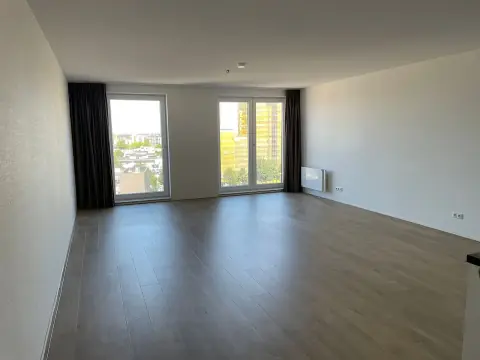
€1,159.00 / month

€600.00 / month
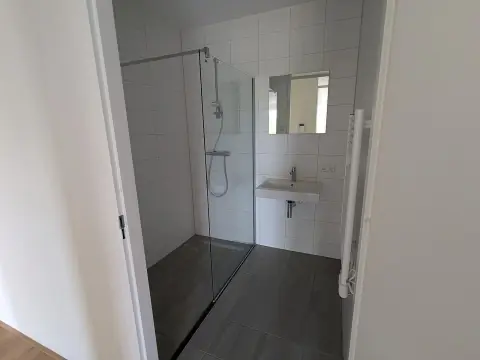
€932.00 / month

€1,187.00 / month
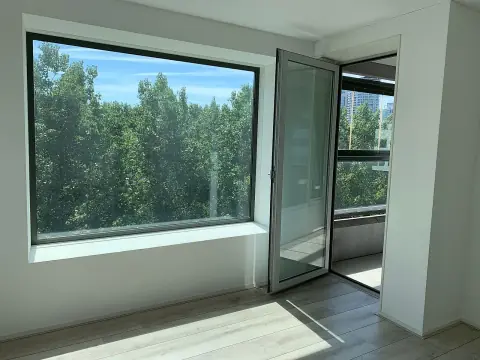
€1,845.00 / month
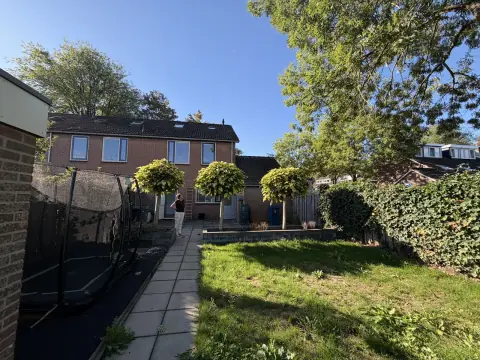
€933.00 / month

€1,899.00 / month

€765.00 / month
€714.00 / month

€1,596.00 / month

€714.00 / month

€1,210.00 / month
Luntero brings represented apartments, rooms, studios and houses from Dutch rental sources into one searchable place. Use the available filters to narrow your options, then check the original listing for current availability, price, conditions and application steps.
Browse rental listings collected from Funda, Pararius, Kamernet and other supported sources in one place. Coverage is broad but not exhaustive, and the original listing remains authoritative.
Navigate our clean and straightforward design effortlessly on both desktop and mobile devices for a seamless apartment, house, or room hunting experience in the Netherlands.
Browse rental listings in English, Dutch, Spanish, French, German, and more. Luntero ensures you can find your next home in the Netherlands in the language you're most comfortable with.
Luntero refreshes collected listings regularly and search alerts email new matches after a successful check. A source can change between refreshes, so verify decisive details there.