Huurda vs Woontij: Plataformas de alquiler neerlandesas comparadas
Explora un desglose completo de Huurda, Woontij y observa cómo rinde cada plataforma de alquiler en funciones clave, precios y usabilidad. Nuestra comparativa detallada destaca fortalezas y concesiones para que identifiques lo que realmente importa en tu búsqueda. Si buscas transparencia, comodidad u ofertas mejores, esta vista lado a lado te ayuda a elegir la plataforma que mejor se ajusta a tus necesidades de alquiler.
Comparativa revisada por última vez el: 31 de agosto de 2025
Introducción: Huurda, Woontij Comparados
Este artículo compara Huurda y Woontij para ayudar a los inquilinos—expatriados, estudiantes, jóvenes profesionales y familias—a decidir qué plataformas de alquiler neerlandesas incluir en su conjunto de búsqueda. Examinamos posicionamiento, cobertura en ciudades como Ámsterdam, Róterdam, Utrecht, La Haya y Eindhoven, precios y barreras de pago, conjuntos de funciones, calidad de datos y casos de uso reales. Si necesitas encontrar vivienda en Ámsterdam o quieres comparar opciones regionales de vivienda social en Texel, esta comparación mostrará dónde cada sitio aporta valor y dónde ser cauteloso.
Cobertura y anuncios: Agregación nacional frente a vivienda social regional
Huurda
- Posicionamiento e inventario: Huurda es un sitio de estilo agregador que lista habitaciones, estudios, apartamentos y casas con una cobertura declarada a nivel nacional. Su inventario es modesto en comparación con los portales más grandes, pero cubre explícitamente las ciudades principales—Ámsterdam, Róterdam, La Haya, Utrecht y Eindhoven—lo que lo hace útil para inquilinos que buscan en mercados urbanos.
- Tipos de propiedades: Habitaciones, estudios, apartamentos y casas para alquileres a largo plazo. Huurda está diseñado para alquileres de larga duración y se dirige a estudiantes, jóvenes profesionales, familias y expatriados.
Woontij
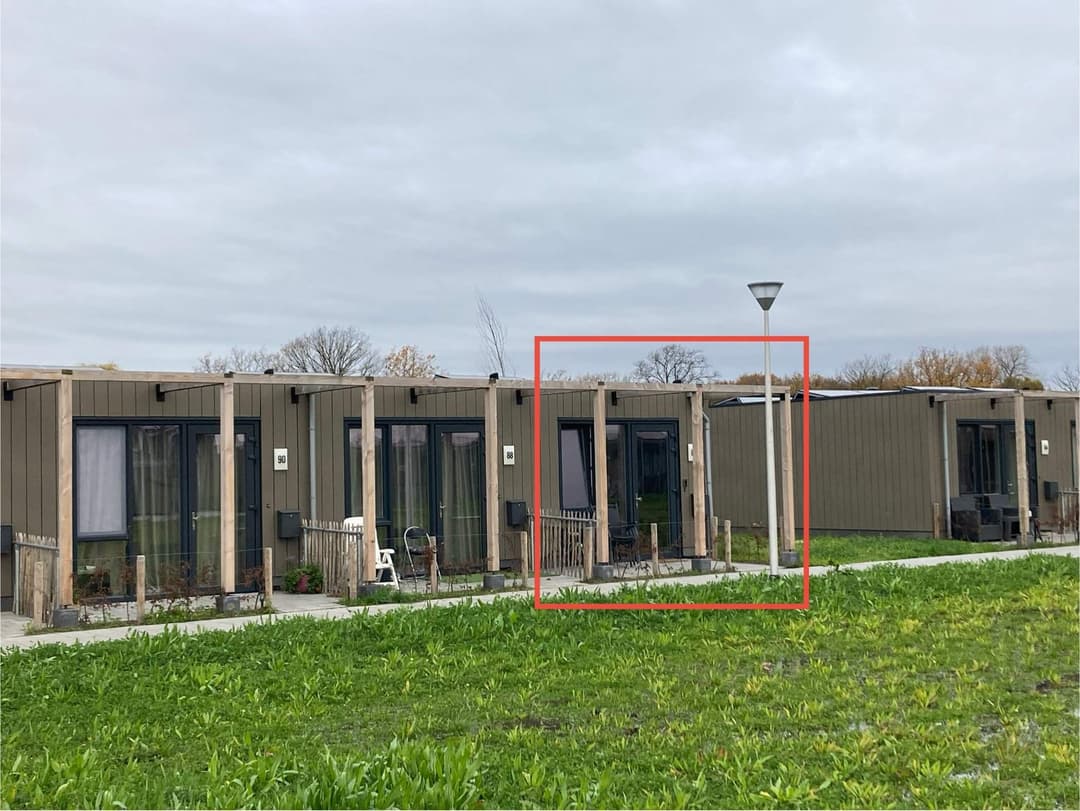
- Posicionamiento e inventario: Woontij es una corporación de vivienda de primera mano centrada regionalmente en Den Helder y Texel. Publica el parque de viviendas sociales y reguladas (aproximadamente 2.300 viviendas) a través del portal WonenInDeKop, incluyendo apartamentos, casas familiares y unidades de campus dedicadas para estudiantes/visitantes en Texel (Campus De Potvis).
- Tipos de propiedades: Apartamentos regulados, casas familiares y viviendas para estudiantes. Woontij no lista unidades del mercado libre.
Por qué importa la cobertura
Si buscas apartamentos en Ámsterdam o alquileres en Róterdam, el enfoque agregador de Huurda puede mostrar anuncios privados y de agencias útiles tanto para búsquedas cortas como largas. Si tu mudanza es a Den Helder o Texel, Woontij es la fuente autorizada para viviendas sociales—estos anuncios normalmente no aparecerán en otros sitios. En resumen: usa Huurda para búsquedas urbanas más amplias y Woontij cuando te enfoques en vivienda social regional.
Precios y barreras de pago: Búsqueda gratuita frente a asignación social con solicitud
Huurda
- Modelo de precios: Gratis para los inquilinos. Huurda anuncia navegación gratuita y respuestas gratuitas a los anuncios—no hay un muro de pago para el inquilino. La plataforma muestra un recuento total de anuncios modesto en el conjunto de datos y se financia mediante tarifas del lado del propietario.
- Alertas: Las alertas por correo electrónico están disponibles y son gratuitas, lo que es útil al monitorear anuncios en Ámsterdam y alquileres estudiantiles en Utrecht.
Woontij
- Modelo de precios: La navegación es gratuita. Para responder o solicitar una vivienda debes registrarte en el portal WonenInDeKop; los registros son gratuitos pero los flujos de solicitud están restringidos y regidos por las normas de la corporación de vivienda. Los registros deben renovarse anualmente.
- No es un muro de pago per se: esto es un control de solicitudes y elegibilidad en lugar de una suscripción pagada para inquilinos.
Por qué esto importa
Para expatriados y estudiantes que quieren herramientas de contacto sin fricciones, el modelo de respuesta gratuita de Huurda resulta atractivo. Para quienes buscan vivienda social, el registro en Woontij es necesario y esperado—estar registrado forma parte del proceso de asignación más que ser un coste adicional. Elige el que se ajuste a tu elegibilidad y disposición a participar en procedimientos formales de solicitud.
Funciones y herramientas: Alertas, búsqueda y orientación de políticas
Huurda
- Herramientas principales: Búsqueda simple, alertas por correo electrónico, soporte bilingüe (neerlandés e inglés). El sitio se centra en facilitar la navegación y respuesta a los anuncios sin barreras de suscripción.
- Fortalezas: Contacto gratuito, alertas sencillas y una interfaz ligera adecuada para búsquedas rápidas en varias ciudades.
Woontij
- Herramientas principales: Portal de solicitantes (Mijn Woontij) con preferencias guardadas, alertas tipbericht para viviendas que coincidan, páginas de políticas de asignación y seguimiento de solicitudes. Los anuncios de Campus De Potvis para estudiantes del NIOZ son una característica especializada.
- Fortalezas: Orientación clara sobre políticas, seguimiento de solicitantes y unidades tipo campus amuebladas para investigadores y estudiantes visitantes.
Perspectivas comparativas de funciones
- Filtros y granularidad: Huurda ofrece filtros básicos adecuados para búsquedas de apartamentos pero no se presenta como un producto de búsqueda de alta gama. Las herramientas de Woontij están orientadas a la elegibilidad y el estado de la solicitud en lugar de filtros avanzados por vecindario.
- Alertas: Ambas plataformas ofrecen alertas, pero su intención difiere: las alertas de Huurda te ayudan a adelantarte en el mercado en anuncios de mercado libre; las alertas de Woontij notifican a los solicitantes elegibles sobre oportunidades de asignación.
- Interfaz multilingüe: Ambas plataformas admiten inglés y neerlandés, lo que las hace accesibles para internacionales que buscan alquileres en los Países Bajos.
Calidad de datos y verificación: Variabilidad del agregador frente a precisión de primera mano
Huurda
- Procedencia de los datos: Como agregador que mezcla publicaciones de agencias y propietarios privados, la calidad de datos de Huurda varía. Se han reportado publicaciones duplicadas y anuncios de calidad ocasionalmente baja en reseñas, por lo que es recomendable verificar direcciones y sitios de agentes.
- Enfoque de verificación: Verificación central limitada—la diligencia debida por parte del inquilino suele ser necesaria antes de visitar o firmar.
Woontij
- Procedencia de los datos: Anuncios de primera mano publicados por la corporación de vivienda. Este modelo produce señales de autenticidad fuertes—direcciones oficiales, reglas de asignación y criterios de elegibilidad transparentes.
- Enfoque de verificación: Alto—ya que Woontij posee o gestiona el parque, los anuncios están inherentemente verificados y regidos por políticas públicas de asignación.
Por qué importa para los inquilinos
- Si valoras el suministro verificado y procesos predecibles (por ejemplo, la asignación de vivienda social), el enfoque de primera mano de Woontij reduce el riesgo de estafas y mala representación.
- Si quieres la mayor amplitud de apartamentos en Ámsterdam o alquileres en Róterdam y te sientes cómodo validando anuncios, el modelo agregador de Huurda puede mostrar opciones adicionales rápidamente.
Quién debería usar Huurda vs Woontij (Expatriados, estudiantes, familias)
Elige Huurda si:
- Estás buscando de forma amplia por los Países Bajos apartamentos, habitaciones o estudios, especialmente en ciudades como Ámsterdam, Róterdam, Utrecht y Eindhoven.
- Prefieres contacto gratuito con propietarios/agentes y quieres alertas rápidas por correo electrónico para nuevos anuncios.
- Eres un expatriado o estudiante dispuesto a verificar anuncios y responder independientemente a propietarios privados o agencias.
Elige Woontij si:
- Te estás enfocando en vivienda social o regulada en Den Helder o Texel, o eres estudiante/investigador que busca unidades de campus en Texel (Campus De Potvis).
- Necesitas asignación oficial, reglas de elegibilidad transparentes y un portal de primera mano para solicitudes y seguimiento.
- Aceptas registrarte y renovar para fines de solicitud y valoras el suministro verificado por encima del volumen.
Usa ambos si:
- Tu búsqueda abarca necesidades distintas: usa Huurda para sondear los mercados urbanos (encontrar vivienda en Ámsterdam, comparar opciones en Róterdam o Utrecht) y Woontij cuando quieras solicitar específicamente el parque social local en la zona Den Helder/Texel.
Pros y contras — Comparación rápida
Huurda
Pros:
- Gratis para navegar y responder; sin muro de pago para inquilinos.
- Alertas por correo electrónico sencillas e interfaz bilingüe.
- Cubre las principales ciudades neerlandesas y una mezcla de tipos de propiedad.
Contras:
- Inventario total más pequeño que los portales nacionales; pueden aparecer anuncios duplicados o de calidad variable.
- Filtros avanzados y herramientas de verificación limitados.
Woontij
Pros:
- Suministro de vivienda social verificado de primera mano para Den Helder/Texel.
- Reglas de asignación claras, seguimiento de solicitantes y opciones de vivienda tipo campus.
- No hay suscripciones pagadas para inquilinos—el registro es gratuito.
Contras:
- El alcance regional limita su utilidad si buscas apartamentos en Ámsterdam o inventario nacional de alquileres.
- El control por solicitudes añade pasos y tiempos de espera en comparación con búsquedas en el mercado libre.
Guía de decisión: Cómo elegir entre Huurda y Woontij
- Define tu geografía objetivo: Si necesitas alquileres en Ámsterdam o cobertura nacional más amplia, comienza con Huurda (y otros portales nacionales junto a él). Si tu mudanza es a Den Helder o Texel, prioriza Woontij.
- Determina el tipo de mercado: ¿Buscas apartamentos del mercado libre y alquileres privados, o vivienda social/regulada? Las búsquedas de mercado libre corresponden a Huurda; la vivienda social corresponde a Woontij.
- Considera velocidad frente a certeza: Huurda puede mostrar opciones rápidamente pero requiere más verificación. Woontij ofrece certeza y anuncios verificados pero exige registro y potencialmente esperar a las asignaciones.
- Usa las alertas estratégicamente: Activa las alertas por correo de Huurda para búsquedas en ciudades (Ámsterdam, Róterdam) y configura las alertas tipbericht de Woontij si eres elegible para vivienda local—esto cubre tanto pistas inmediatas como oportunidades formales.
Consejos prácticos para aprovechar cada plataforma
- Huurda: Verifica siempre las direcciones de los anuncios y los datos de contacto del agente en el sitio de la agencia de origen. Usa respuestas rápidas y alertas por correo para mantenerte competitivo en los mercados de Ámsterdam. Prioriza anuncios de agencias verificadas sobre anuncios privados anónimos.
- Woontij: Completa y mantiene tu registro en WonenInDeKop, revisa las políticas de asignación y renueva tu registro anualmente. Si eres estudiante o investigador, explora Campus De Potvis para opciones amuebladas a corto plazo.
Reflexiones finales sobre Huurda y Woontij
Huurda y Woontij desempeñan roles distintos pero complementarios en el ecosistema de alquiler neerlandés. Huurda es un agregador ligero y gratuito que ayuda a expatriados, estudiantes y jóvenes profesionales a explorar mercados urbanos como Ámsterdam, Róterdam y Utrecht en busca de apartamentos, estudios y habitaciones sin muros de pago. Woontij es una corporación de vivienda regional y de primera mano que proporciona vivienda social verificada y procesos de solicitud estructurados en Den Helder y Texel.
Para muchos inquilinos, la estrategia correcta no es elegir una sola plataforma de forma exclusiva sino combinarlas según geografía y tipo de vivienda: usa Huurda (y otros portales nacionales) para sondear la oferta de mercado abierto, y confía en Woontij para solicitudes formales de vivienda social cuando tu dirección objetivo esté dentro de su área de cobertura. Ambas plataformas son gratuitas para los inquilinos de maneras diferentes—Huurda mediante respuestas abiertas y Woontij mediante solicitudes basadas en registro—así que inclúyelas cuando encajen con tus objetivos de búsqueda.
Compara Huurda vs Woontij para clarificar tus prioridades: velocidad y amplitud frente a suministro social verificado y asignación formal. Esa decisión moldeará cómo abordas la búsqueda de alquiler en los Países Bajos y cómo equilibras pistas rápidas con seguridad de vivienda a largo plazo.
Explora y compara plataformas de alquiler neerlandesas
Descubre los mejores portales de alquiler en los Países Bajos. Compara funciones, precios y disponibilidad entre las principales plataformas para encontrar tu próximo piso de forma más rápida e inteligente. Nuestras comparativas detalladas facilitan elegir la plataforma que se ajusta a tus necesidades.
Tabla de comparación de plataformas
Una tabla de comparación detallada que muestra cómo se posicionan Huurda, Woontij en funciones clave, modelos de precios y factores de usabilidad para ayudarte a elegir la mejor plataforma de alquiler en los Países Bajos.
Propiedades más nuevas en los Países Bajos
Explora las propiedades más recientes en Luntero. Encuentra nuevos apartamentos, casas y estudios en todo Países Bajos, actualizados a diario para ayudarte a encontrar tu próximo hogar más rápido.
Enlaces rápidos

LUNTERO
Encuentra tu nuevo hogar: ¡más de 20,000 viviendas en alquiler en Países Bajos a tu alcance!
Descubre también nuestras otras apps:




Plataforma de alquileres en los Países Bajos
Guías de alquiler en los Países Bajos
Manuales y listas sobre alquiler en los Países Bajos
Datos del mercado de alquiler en los Países Bajos
Recursos de vivienda en los Países Bajos
Búsquedas de alquiler populares en los Países Bajos


© 2025 Luntero. Todos los derechos reservados.