HuizenBalie vs Luntero: Plataformas de alquiler de los Países Bajos comparadas
Explora un desglose completo de HuizenBalie, Luntero y observa cómo rinde cada plataforma de alquiler en funciones clave, precios y usabilidad. Nuestra comparativa detallada destaca fortalezas y concesiones para que identifiques lo que realmente importa en tu búsqueda. Si buscas transparencia, comodidad u ofertas mejores, esta vista lado a lado te ayuda a elegir la plataforma que mejor se ajusta a tus necesidades de alquiler.
Comparativa revisada por última vez el: 19 de agosto de 2025
Introducción: HuizenBalie, Luntero comparados
Buscar apartamentos en alquiler, habitaciones o viviendas familiares en los Países Bajos implica elegir entre distintos tipos de plataformas de alquiler neerlandesas. HuizenBalie y Luntero desempeñan roles complementarios: HuizenBalie es un servicio orientado al propietario que ayuda a los arrendadores a publicar anuncios en los principales portales, mientras que Luntero es un agregador y herramienta de exploración pensada para inquilinos—especialmente expatriados y estudiantes—que quieren analizar todo el mercado y comparar opciones. Este artículo compara ambas plataformas en cuanto a cobertura, funcionalidades, precios, calidad de datos y casos de uso para ayudarte a decidir dónde comenzar tu búsqueda de apartamentos en Ámsterdam, alquileres en Róterdam, viviendas para estudiantes en Utrecht, casas en La Haya o anuncios en Eindhoven.
Cobertura y anuncios: HuizenBalie vs Luntero
HuizenBalie
- Posicionamiento: HuizenBalie es un servicio de publicación exclusivo para propietarios. Fundada en 2016, permite a propietarios privados y arrendadores listar alquileres a largo plazo publicando en portales importantes (notablemente Pararius y Funda) mediante un modelo de tarifa fija.
- Inventario: Al ser impulsado por los propietarios, el flujo tiende a contener apartamentos y casas de calidad media a alta que los propietarios eligen comercializar por sí mismos. La cobertura es nacional y llega a centros urbanos—Ámsterdam, Róterdam, La Haya, Utrecht, Eindhoven—y provincias de todo el país.
- Visibilidad: Los anuncios se reflejan en portales más grandes, por lo que los inquilinos pueden ver propiedades de HuizenBalie tanto en HuizenBalie como en otros sitios una vez publicadas.
Luntero
- Posicionamiento: Luntero es un motor de búsqueda agregado que extrae oferta de más de 200 fuentes (incluyendo portales de agencias) y presenta aproximadamente 20.000 anuncios en los Países Bajos. Está dirigido a inquilinos con herramientas para la exploración y comparación, enfatizando una experiencia de usuario amigable para expatriados.
- Inventario: Cobertura amplia que incluye habitaciones, estudios, apartamentos, casas y contratos tanto a corto como a largo plazo. Alta densidad en Ámsterdam, Róterdam, La Haya, Utrecht y Eindhoven, cubriendo también suburbios y ciudades medianas.
Por qué importa
Si quieres acceso temprano a viviendas publicadas por propietarios que quizá no se comercialicen ampliamente por agencias, HuizenBalie puede mostrar oportunidades únicas. Si necesitas visibilidad del mercado completo—muestrear oferta de agencias, propietarios y portales más pequeños—Luntero reduce el saltar entre plataformas y centraliza el descubrimiento. Para quienes quieren comparar Pararius vs Luntero en búsquedas de Ámsterdam o revisar todos los tipos de anuncios en alquileres para estudiantes en Utrecht, Luntero ofrece el punto de partida más amplio.
Precios y muros de pago: Gratis para navegar vs tarifas para propietarios
HuizenBalie
- Muro de pago: Ninguno para inquilinos—los arrendatarios pueden navegar el feed sin iniciar sesión.
- Precios para propietarios: Un modelo de pago único para propietarios. Paquetes típicos (a fecha de 2025-08-18) incluyen colocación solo en Pararius (
€99.95 por 3 meses) y combinado Funda + Pararius (€214.95 por 3 meses). - Implicación: Los inquilinos no pagan por navegar, pero muchos de los anuncios provienen de paquetes pagados por propietarios, lo que puede afectar la composición del inventario.
Luntero
- Muro de pago: Gratis de usar. No se cobran suscripciones ni tarifas para inquilinos por navegar, establecer alertas o usar las herramientas de comparación.
- Monetización: Luntero enlaza de vuelta a los anuncios de origen en lugar de gestionar contratos por sí mismo; las agencias y los propietarios manejan las solicitudes a través del sitio original.
Por qué importa
Ambas plataformas son amigables para los inquilinos en términos de coste directo: ninguna cobra a los inquilinos por navegar. El modelo pagado por propietarios de HuizenBalie está centrado en la distribución por parte del vendedor, lo que puede aumentar la disponibilidad de anuncios exclusivos de propietarios. El modelo agregador y gratuito de Luntero busca maximizar las herramientas de búsqueda sin restringir el acceso a filtros, alertas o mapas.
Funciones y herramientas: Filtros, mapas e IA
HuizenBalie
- Herramientas para inquilinos: Experiencia de navegación relativamente sencilla. La plataforma enfatiza flujos de trabajo y herramientas para propietarios (texto de anuncio asistido por IA, cuestionarios de selección) más que características profundas de exploración para inquilinos.
- Fortalezas: Debido a que está conectado con colocaciones en Funda y Pararius, ayuda a sacar a la luz anuncios de propietarios rápidamente; útil para inquilinos que monitorean stock específico de propietarios.
Luntero
- Exploración: Filtros avanzados por barrios, tipos de propiedad, duración del contrato, mascotas y requisitos de depósito. Los filtros están diseñados para ajustarse a expatriados, estudiantes, familias y profesionales.
- Funciones de mapa y desplazamiento: Los puntos de interés (POI) están integrados para que puedas ver escuelas cercanas, universidades, transporte y tiendas. Las isócronas del mapa y la visualización de tiempos de desplazamiento permiten ver los tiempos de viaje hacia POI elegidos—especialmente valioso para quienes se desplazan a diario y estudiantes.
- Comparación e IA: Herramientas de comparación lado a lado y resúmenes generados por IA aceleran la selección. Las alertas instantáneas te mantienen informado cuando aparecen viviendas coincidentes.
- Interfaz multilingüe: Prioridad en inglés y soporte para múltiples idiomas de la UE (EN, NL, ES, FR, DE), lo que ayuda a quienes no hablan neerlandés a encontrar vivienda en Ámsterdam y más allá.
Por qué importa
Si necesitas decisiones matizadas basadas en mapas—buscar por tiempo de desplazamiento hacia un lugar de trabajo en Ámsterdam o un campus en Utrecht—las isócronas y el mapeo de POI de Luntero ofrecen claras ventajas. HuizenBalie es útil si específicamente apuntas al stock publicado por propietarios, pero carece de filtros avanzados de desplazamiento y del conjunto de herramientas multilingüe de exploración que hace a Luntero especialmente amigable para expatriados.
Calidad de datos y verificación: Transparencia de la fuente vs peros del agregador
HuizenBalie
- Verificación: Los anuncios provienen de propietarios que pagan la colocación y a menudo se reflejan en portales de confianza como Pararius y Funda. Ese flujo de primera mano reduce cierta duplicación y puede disminuir el riesgo de estafas en comparación con agregadores abiertos.
- Fiabilidad: Al enfocarse en flujos de trabajo para propietarios con cuestionarios de selección, el contacto suele ser directo y transparente.
Luntero
- Verificación: Luntero agrega anuncios de muchas fuentes y no verifica individualmente cada anuncio. Su sección de preguntas frecuentes indica claramente que los detalles deben confirmarse en la página de origen.
- Duplicación y frescura: Las ventajas del agregador incluyen un descubrimiento más rápido; los inconvenientes incluyen duplicados ocasionales y disponibilidad que cambia rápidamente. Luntero mitiga esto mediante actualizaciones continuas y enlazando de vuelta a la fuente original.
Por qué importa
Los agregadores como Luntero ofrecen escala pero requieren diligencia por parte del inquilino: siempre verifica el precio del alquiler, el depósito, la duración del contrato y la disponibilidad en el anuncio de origen. El modelo liderado por propietarios de HuizenBalie puede reducir el ruido y a veces ofrece una procedencia más clara, especialmente cuando se refleja en Pararius o Funda.
¿Quién debería usar HuizenBalie o Luntero? (Expatriados, Estudiantes, Familias)
HuizenBalie – Mejor para:
- Propietarios que quieren una vía de baja fricción para la colocación en Pararius/Funda con una tarifa fija.
- Inquilinos que buscan stock exclusivo de propietarios o contacto directo con el arrendador, a menudo para alquileres a largo plazo.
- Familias y profesionales que buscan apartamentos o casas de alta calidad que los propietarios comercializan directamente.
Luntero – Mejor para:
- Expatriados e inquilinos internacionales que necesitan una experiencia con prioridad en inglés y una interfaz multilingüe.
- Estudiantes que buscan habitaciones o estudios cerca de universidades y que desean filtros basados en desplazamiento y alertas.
- Cualquiera que quiera cobertura nacional y filtros potentes para comparar barrios en Ámsterdam, Róterdam, Utrecht, La Haya y Eindhoven.
Pistas para decidir
- Elige HuizenBalie si tu estrategia se centra en anuncios directos de propietarios y estás cómodo moviéndote rápido cuando aparece stock de propietarios.
- Elige Luntero si quieres el punto de partida más completo, herramientas robustas de desplazamiento y POI, y la conveniencia de comparaciones lado a lado sin barreras de idioma.
Destacado de Luntero: Diferenciadores y por qué destaca
Cuando Luntero aparece en una comparación, merece una mirada concentrada debido a funciones que cambian la forma en que los inquilinos buscan en los Países Bajos.
Diferenciadores clave
- Filtros avanzados de exploración: Filtra por micro-ubicaciones de barrio, tipo de contrato, mascotas permitidas, rango de depósito y más—filtros que importan para expatriados y estudiantes.
- Puntos de interés (POI): Inspecciona escuelas, universidades, transporte y servicios directamente desde la vista del anuncio para evaluar la idoneidad del barrio.
- Isócronas del mapa y distancias de desplazamiento: Visualiza el tiempo de viaje al trabajo o al campus; filtra por duración de desplazamiento en lugar de distancia lineal. Esto es especialmente útil para profesionales que viajan a Ámsterdam o estudiantes que se desplazan a Utrecht.
- Resúmenes generados por IA y vista de comparación: Rápidamente destaca los anuncios más relevantes y compáralos lado a lado para acelerar la toma de decisiones.
- Interfaz multilingüe: Prioridad en inglés y disponible en varios idiomas, reduciendo fricciones para quienes no hablan neerlandés al navegar por plataformas de alquiler neerlandesas.
Visión equilibrada
Las fortalezas de Luntero son prácticas: ayuda a los inquilinos a priorizar anuncios por desplazamiento y servicios del barrio, y reduce el tiempo perdido cambiando entre portales. Sin embargo, como agregador no reemplaza la verificación y la negociación de contratos; Luntero te enlaza al anuncio de origen donde se completan las solicitudes y contratos.
Por qué esto importa para expatriados
Para quienes llegan nuevos y necesitan encontrar vivienda en Ámsterdam o Róterdam rápidamente, la combinación de soporte lingüístico, exploración basada en mapas, alertas y comparaciones de Luntero reduce sustancialmente el tiempo de búsqueda. Esto es especialmente cierto al comparar muchas opciones—por ejemplo, para comparar Pararius vs Luntero en búsquedas en Ámsterdam, Luntero reúne múltiples fuentes en una sola vista.
Resumen de pros y contras
HuizenBalie
Pros:
- Anuncios directos de propietarios, a menudo stock único
- Precios amigables para propietarios (pago único)
- Sin muro de pago para inquilinos; navegación sencilla
- Colocación reflejada en Pararius/Funda aumenta la visibilidad
Contras:
- Inventario menor en comparación con agregadores de mercado completo
- Menos herramientas de exploración para inquilinos y experiencia multilingüe limitada
- Enfoque en alquileres a largo plazo; menos opciones de corto plazo
Luntero
Pros:
- Agrega amplia oferta (habitaciones, estudios, apartamentos, casas)
- Filtros potentes, POI, isócronas del mapa y herramientas de desplazamiento
- Resúmenes por IA y herramientas de comparación lado a lado
- Gratis, multilingüe y con alertas; experiencia ideal para expatriados y estudiantes
Contras:
- Peros de los agregadores: no hay verificación individual de cada anuncio
- Posibles duplicados y disponibilidad que cambia rápidamente
- La solicitud final se realiza en los sitios de origen, lo que implica pasos adicionales de navegación
Guía de decisión: Cómo elegir
- Define tu prioridad: stock exclusivo de propietarios frente a cobertura del mercado completo. Si los anuncios exclusivos de propietarios son clave, comienza con HuizenBalie. Si la cobertura completa y la comparación son esenciales, empieza con Luntero.
- El mapa importa: si el tiempo de desplazamiento o las comodidades del barrio son determinantes, usa las isócronas y capas de POI de Luntero.
- Comodidad con el idioma: quienes no hablan neerlandés se benefician de la interfaz multilingüe de Luntero.
- Rapidez y diligencia: combina ambos flujos de trabajo—monitorea HuizenBalie para anuncios de propietarios y usa Luntero para lanzar una red amplia y recibir alertas.
- Para estudiantes: prioriza Luntero para habitaciones y estudios cerca de los campus (alquileres para estudiantes en Utrecht o vivienda estudiantil en Ámsterdam). Para familias: HuizenBalie puede sacar a la luz casas publicadas por propietarios en suburbios que las agencias no impulsan.
Reflexiones finales sobre HuizenBalie y Luntero
Ambas plataformas desempeñan roles valiosos pero diferentes en el ecosistema de alquiler neerlandés. HuizenBalie es un canal ligero orientado al propietario que puede ofrecer oportunidades exclusivas de alquiler a largo plazo y da a los arrendadores una ruta rentable hacia los principales portales. Luntero es un agregador centrado en el inquilino con funciones diseñadas para la toma de decisiones—filtros avanzados, isócronas de desplazamiento, integración de POI, resúmenes por IA e idioma múltiple—lo que lo convierte en una opción principal para expatriados, estudiantes y cualquiera que necesite visibilidad de mercado completa.
Enfoque práctico: usa Luntero como tu centro de búsqueda amplio y basado en mapas para identificar barrios prometedores y seleccionar propiedades; monitorea HuizenBalie en paralelo para anuncios exclusivos de propietarios que puedan moverse más rápido. Siempre confirma los detalles en el anuncio de origen y sé rápido al postular cuando aparezca la vivienda adecuada—los apartamentos en Ámsterdam y los alquileres en Róterdam se mueven rápido.
Esta comparación debería ayudarte a decidir dónde centrar tu búsqueda según priorices suministro directo de propietarios o una experiencia agregadora, rica en funciones y con cobertura completa. Feliz búsqueda de vivienda.
Explora y compara plataformas de alquiler neerlandesas
Descubre los mejores portales de alquiler en los Países Bajos. Compara funciones, precios y disponibilidad entre las principales plataformas para encontrar tu próximo piso de forma más rápida e inteligente. Nuestras comparativas detalladas facilitan elegir la plataforma que se ajusta a tus necesidades.
Tabla de comparación de plataformas
Una tabla de comparación detallada que muestra cómo se posicionan HuizenBalie, Luntero en funciones clave, modelos de precios y factores de usabilidad para ayudarte a elegir la mejor plataforma de alquiler en los Países Bajos.
Propiedades más nuevas en los Países Bajos
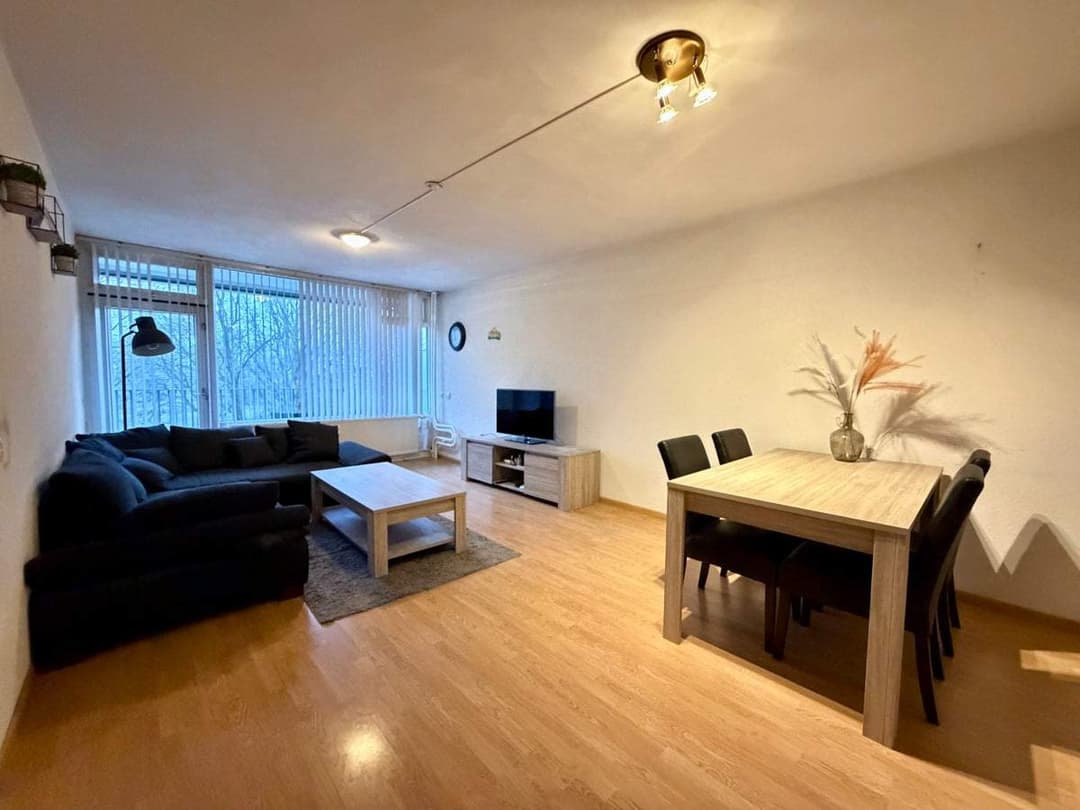
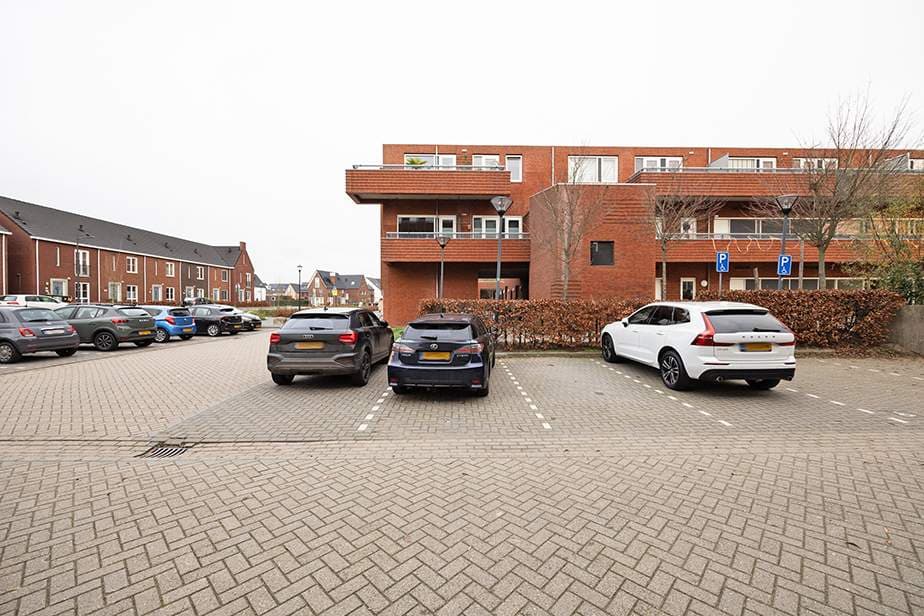
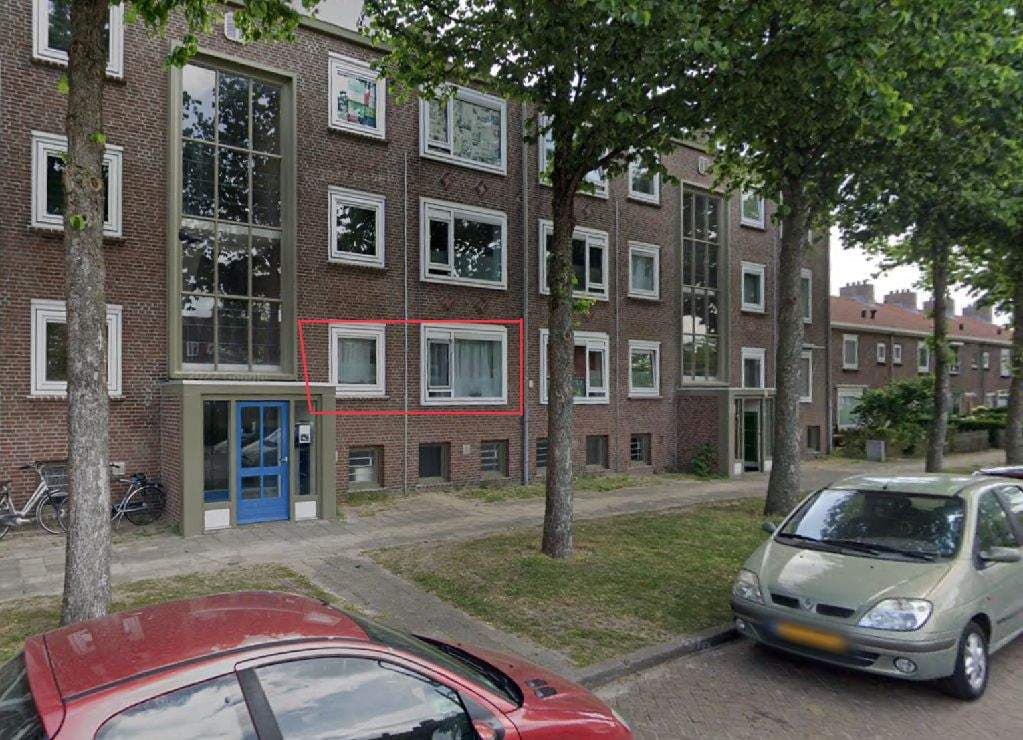
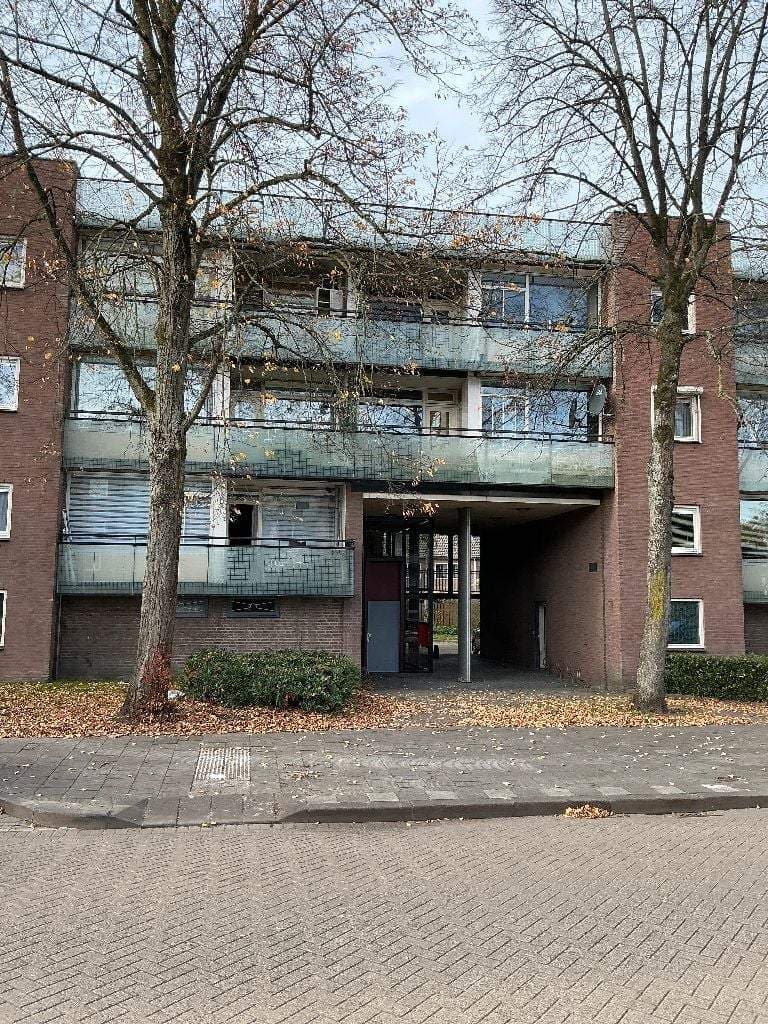
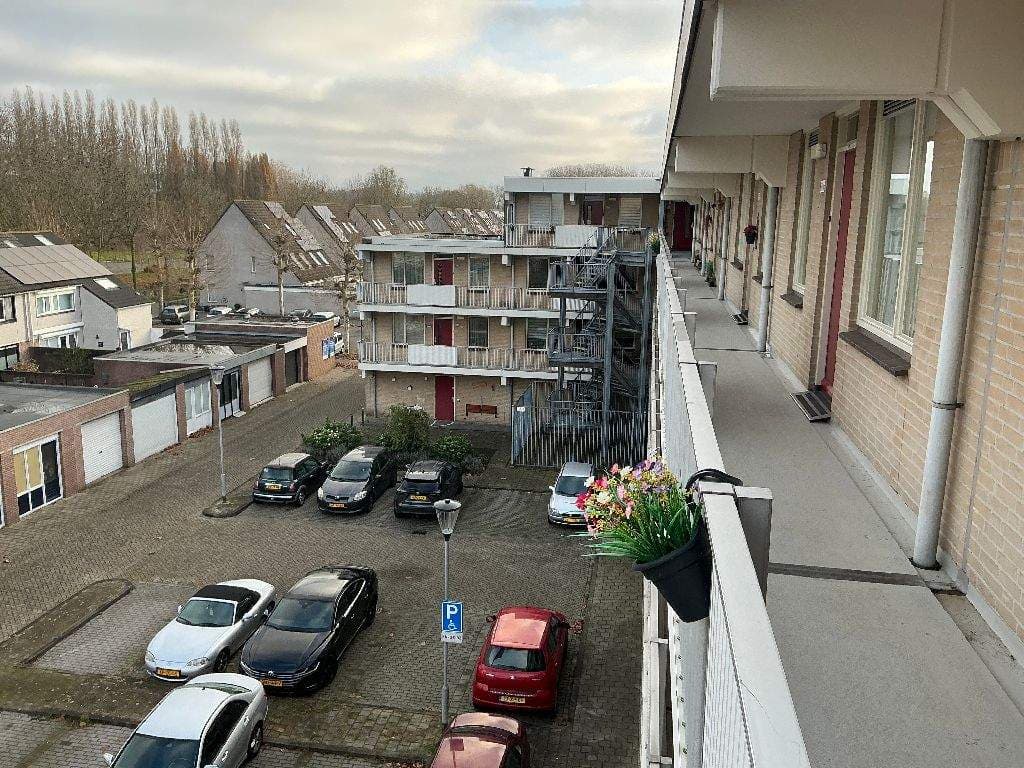
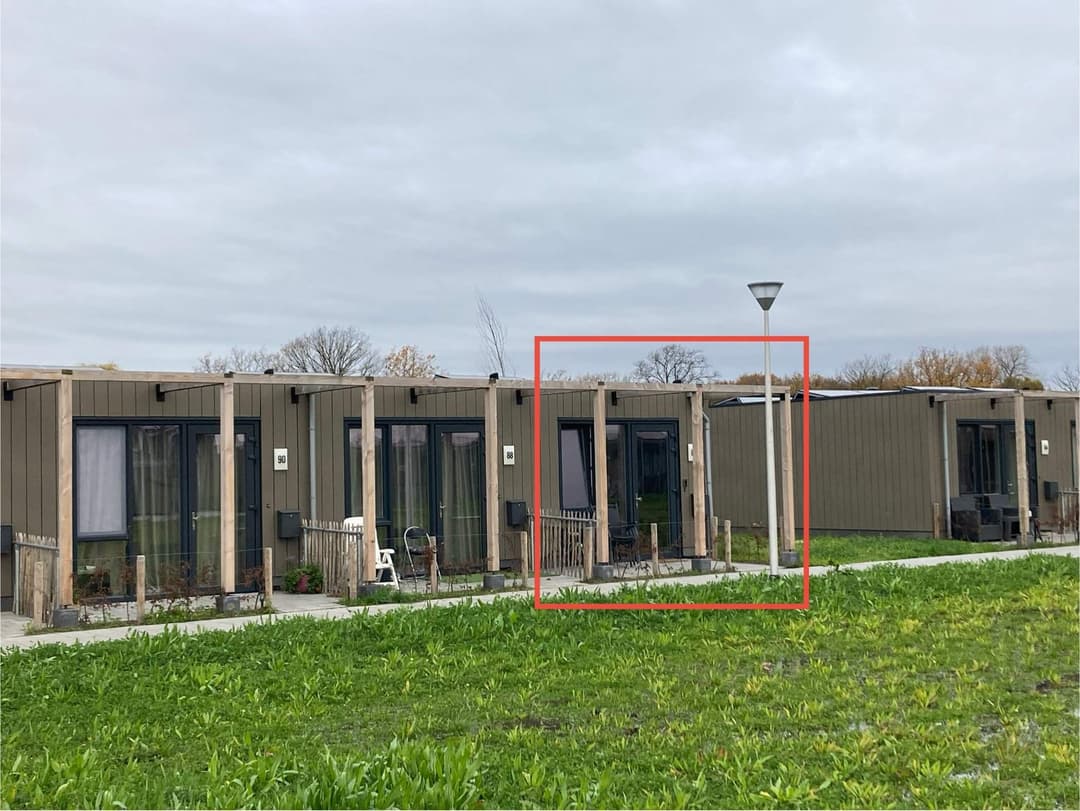
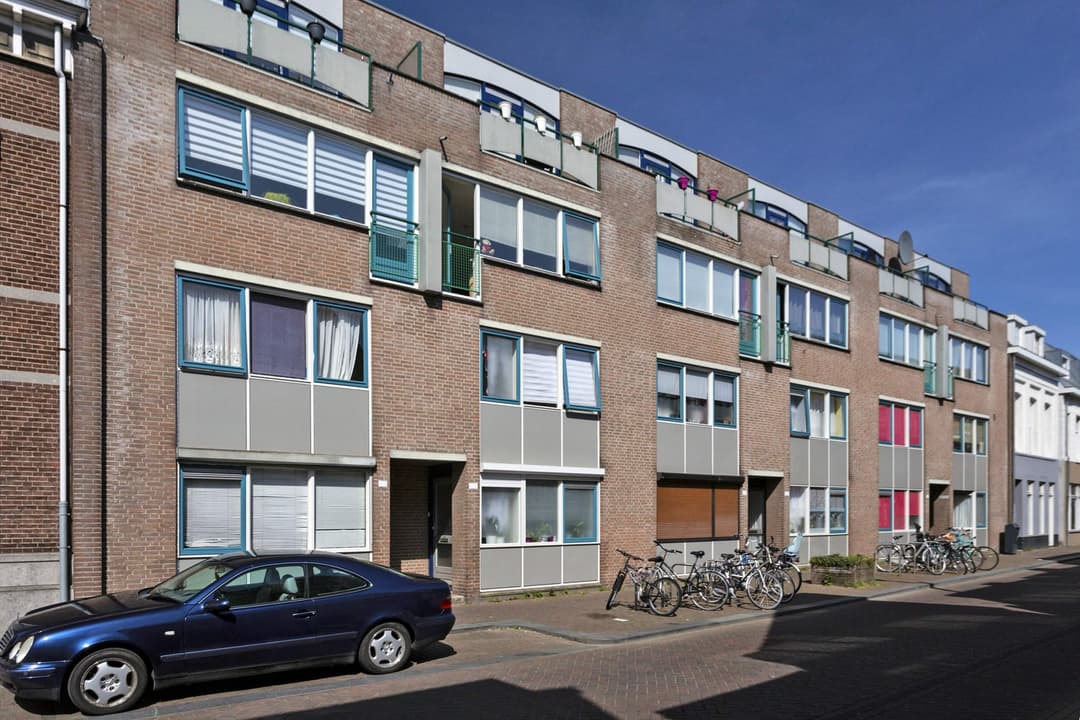
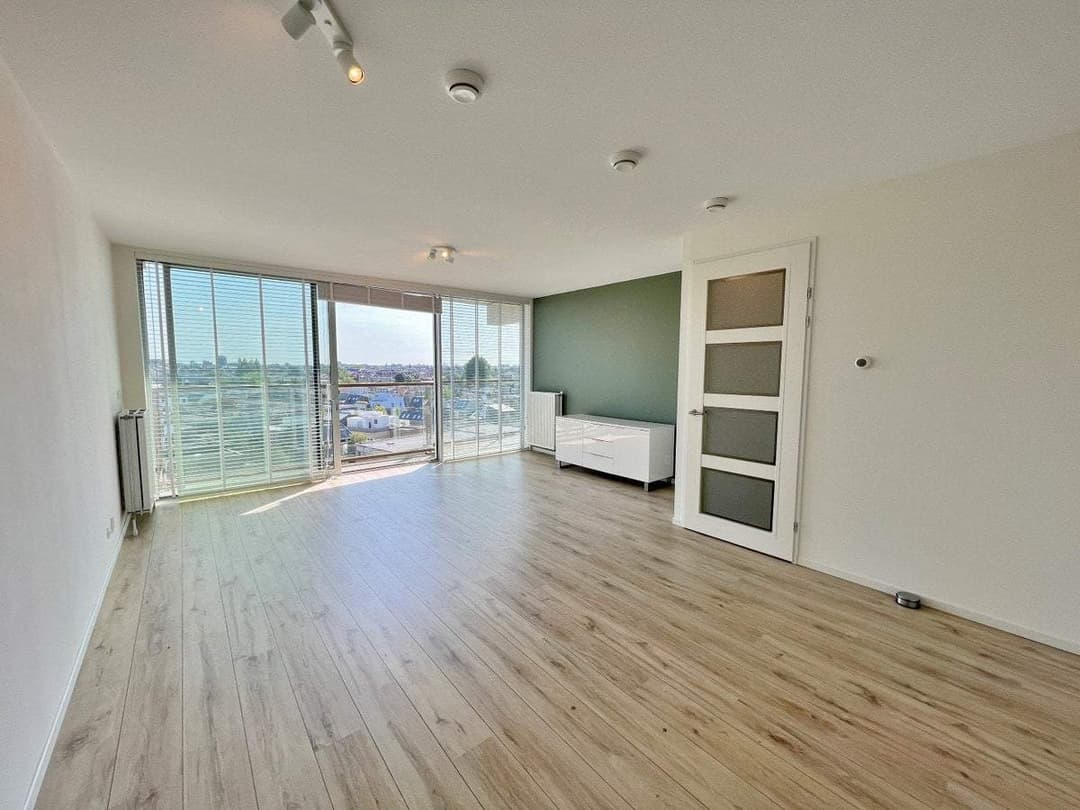
Explora las propiedades más recientes en Luntero. Encuentra nuevos apartamentos, casas y estudios en todo Países Bajos, actualizados a diario para ayudarte a encontrar tu próximo hogar más rápido.
Enlaces rápidos

LUNTERO
Encuentra tu nuevo hogar: ¡más de 20,000 viviendas en alquiler en Países Bajos a tu alcance!
Descubre también nuestras otras apps:




Plataforma de alquileres en los Países Bajos
Guías de alquiler en los Países Bajos
Manuales y listas sobre alquiler en los Países Bajos
Datos del mercado de alquiler en los Países Bajos
Recursos de vivienda en los Países Bajos
Búsquedas de alquiler populares en los Países Bajos


© 2025 Luntero. Todos los derechos reservados.