
advertisement
A rental advertisement in the Netherlands is the first point of contact with a property, requiring a cautious approach to avoid scams and misleading information.

referentie
A reference is a statement from a previous landlord or current employer used to verify a prospective tenant's reliability and financial stability.
When a landlord in the Netherlands assesses your rental application, they are essentially trying to answer two questions: will you pay the rent on time, and will you be a responsible, low-maintenance tenant? To answer these, they rely on two key types of references. The first is the previous landlord reference (verhuurdersverklaring). This is a formal document, or sometimes an informal letter, from your most recent landlord. Its purpose is to confirm that you were a tenant in good standing, that you consistently paid your rent on time, and that you did not cause any significant problems or nuisance (overlast). This reference is meant to provide a track record of your behavior as a tenant. However, its value is often debated. In a market with high demand, these documents can be easily forged, and savvy agents are aware of this. Furthermore, if your relationship with your previous landlord was poor—perhaps justifiably so—obtaining a positive reference can be impossible, putting you at a distinct disadvantage.
The second, and arguably more important, reference is the employer reference (werkgeversverklaring). This is not just a letter; it is a highly standardized and crucial document in Dutch financial life. It's a form, completed and signed by your employer, that provides a detailed snapshot of your employment situation. It confirms your job title, your start date, your gross annual income (including any holiday allowances or bonuses), and, most critically, the nature of your employment contract—whether it is permanent (vast contract) or temporary (tijdelijk contract). This document serves as the primary evidence for the landlord that you meet their strict income requirements. Unlike the landlord reference, the werkgeversverklaring is taken very seriously as it is a formal document from a registered company. For many landlords, a solid employer reference is more valuable than any other part of the application.
For expats, international students, and first-time renters, the demand for these specific Dutch references presents an immediate challenge. If you are new to the country, you will not have a previous Dutch landlord to provide a verhuurdersverklaring. In this situation, you have a few strategic options. You can try to provide a reference from a landlord in your home country, although its impact may be limited due to the agent's inability to easily verify it. A more effective strategy is to proactively address the perceived risk. This can be done by offering to pay a larger security deposit (within the legal limits of two months' basic rent) or, most effectively, by providing a guarantor (borgsteller). These actions demonstrate financial security and can compensate for the lack of a local rental history.
Similarly, if you are just starting a new job, you may not have been at the company long enough for HR to be familiar with the werkgeversverklaring process. In this case, your signed employment contract (arbeidsovereenkomst) becomes the central document. It contains all the essential information a landlord needs: your salary, contract type, and probation period (proeftijd). A signed contract from a reputable company is a powerful tool. You should present this as your primary proof of financial stability. Being prepared with these alternative documents and strategies is key to overcoming the hurdle of not having a standard Dutch reference portfolio.
In 2025, the concept of a 'reference' extends far beyond paper documents. You must assume that any potential landlord or real estate agent will conduct a basic online search for your name. Your digital footprint—your public profiles on LinkedIn, Facebook, Instagram, and other social media—serves as an unspoken character reference. A well-curated LinkedIn profile that matches the details of your employment contract adds a layer of credibility. Conversely, public social media profiles filled with unprofessional content, endless party photos, or aggressive comments can be a silent application killer. A landlord choosing between two financially identical candidates may well be swayed by the one who presents a more mature and stable online persona.
Before you begin your housing search, it is a wise and necessary step to audit your own digital footprint. Google your own name and see what comes up. Review the privacy settings on your social media accounts and consider making them private, or at least curating them to present a responsible image. This is not about being fake; it's about professional presentation. In a fiercely competitive rental market, you cannot afford to be disqualified because of a public post from five years ago. Your online presence is part of your application package, whether you intend it to be or not.
Table of Contents
Terms from the same part of the rental process, so you can read them together instead of looking each one up separately.
A rental advertisement in the Netherlands is the first point of contact with a property, requiring a cautious approach to avoid scams and misleading information.
A fee charged by a real estate agent for their services, which a landlord is often illegally passing on to the tenant.
An AML check is a procedure to prevent illicit funds in real estate, a process that is sometimes improperly applied to tenants, creating an unnecessary burden.
Dutch real estate agents are legally required to perform due diligence on tenants to prevent money laundering, which may include verifying your identity and source of funds.
An application confirmation is a meaningless automated receipt for your submission, offering a false sense of progress before the usual silence.
The application deadline is an often extremely short timeframe designed to create artificial urgency and pressure on prospective tenants.
Before relying on Reference, distinguish exceptions from contracts and current rules. Compare Reference with nearby rental applications concepts to avoid confusing similar terms, then use current official guidance or qualified advice when the distinction affects a real decision.
Every glossary entry that belongs to Application Process, collected on one page.
See TermsLook up a term, abbreviation or contract phrase and get a plain-language explanation with Dutch and English wording.
Search termsLonger guides that walk through applications, contracts, costs and moving, with the terminology used in context.
Read the guidesExplore the latest properties added to Luntero. Find new apartments, houses, and studios across the Netherlands — updated daily to help you discover your next home faster.
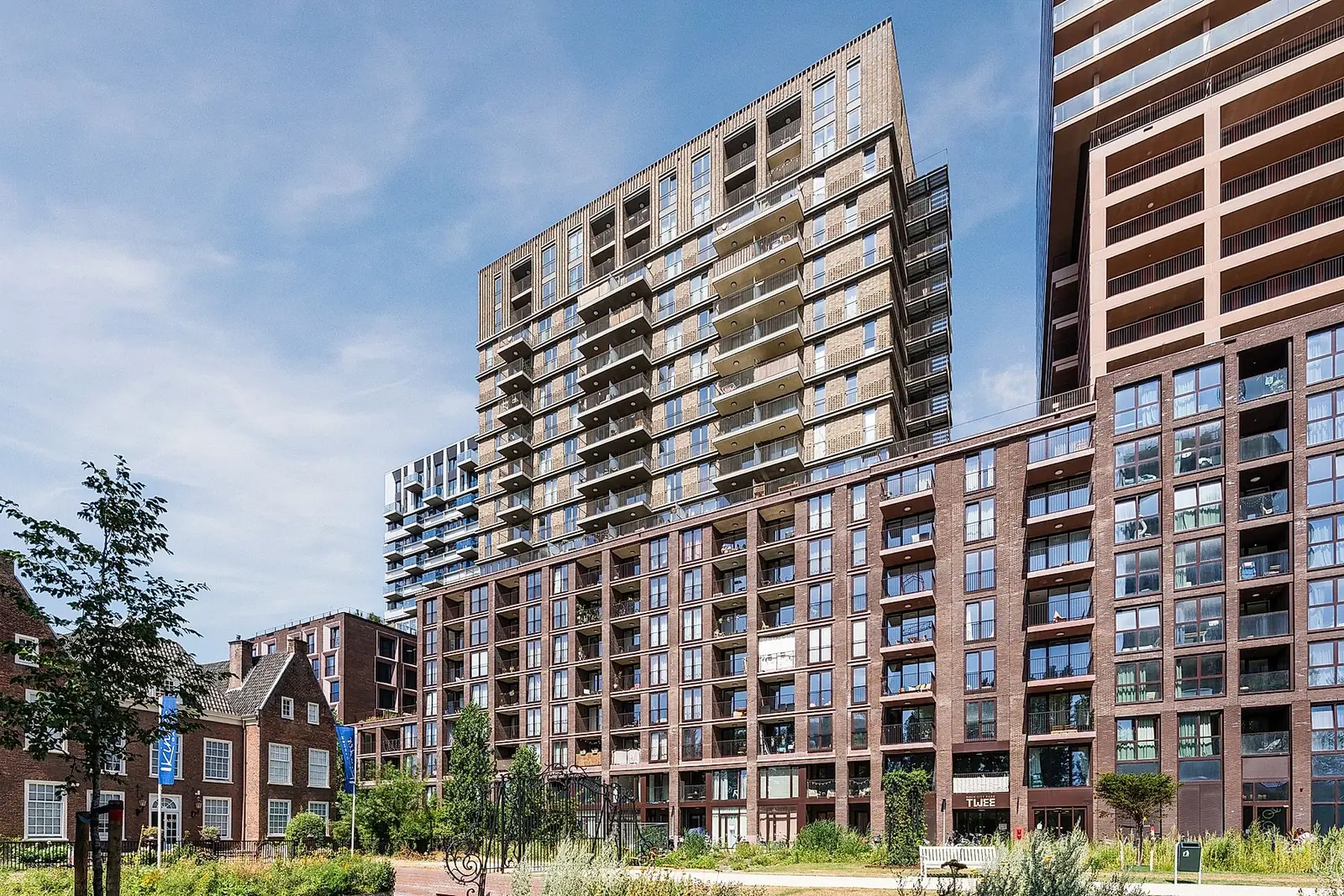
€1,465.00 / month
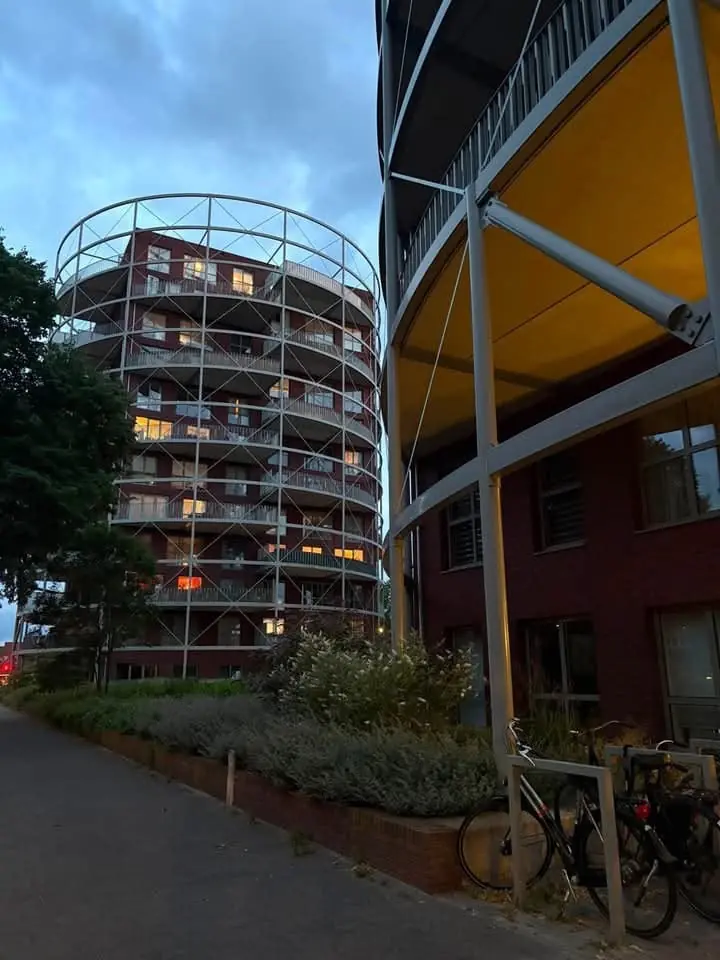
€865.00 / month
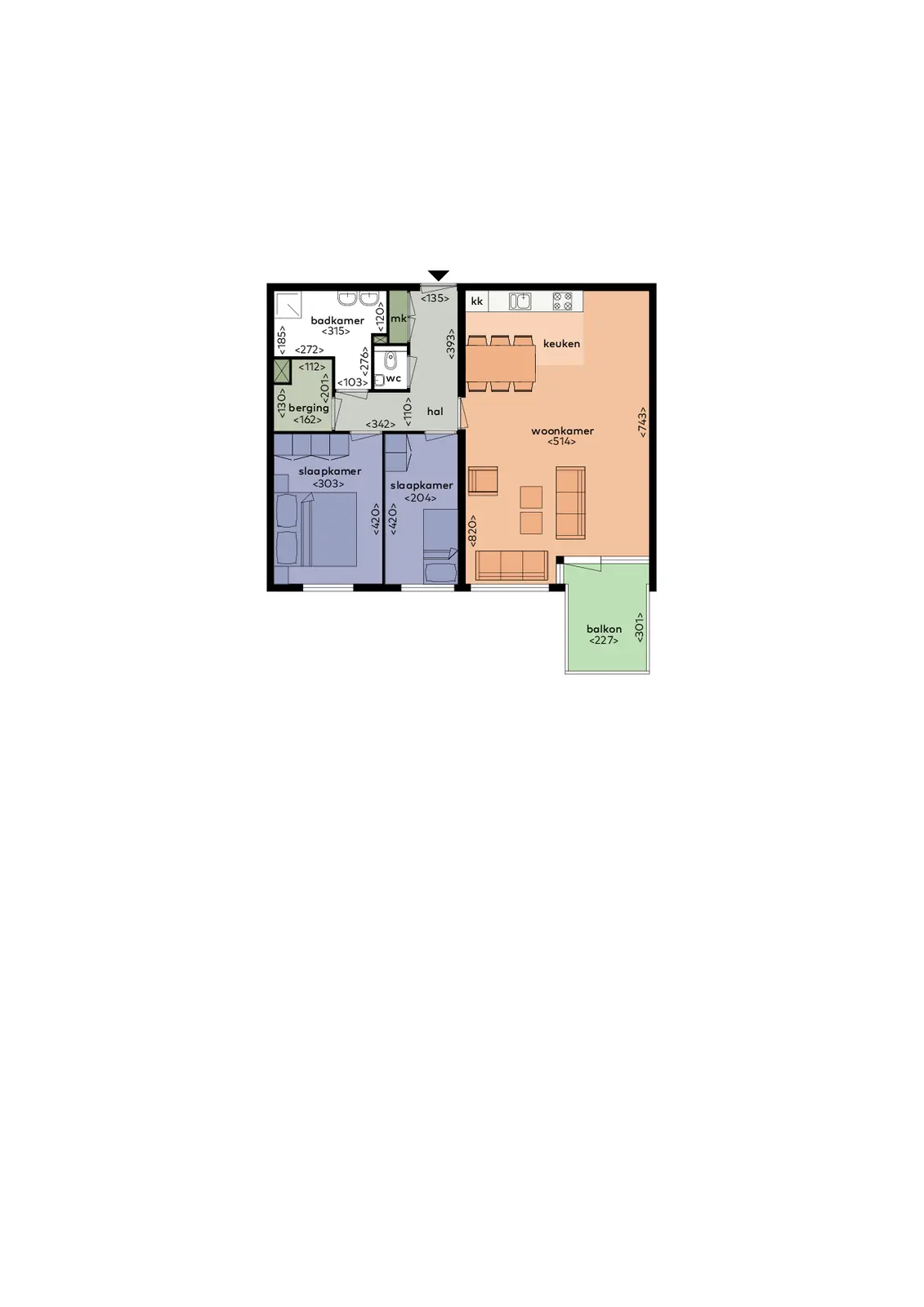
€1,730.00 / month
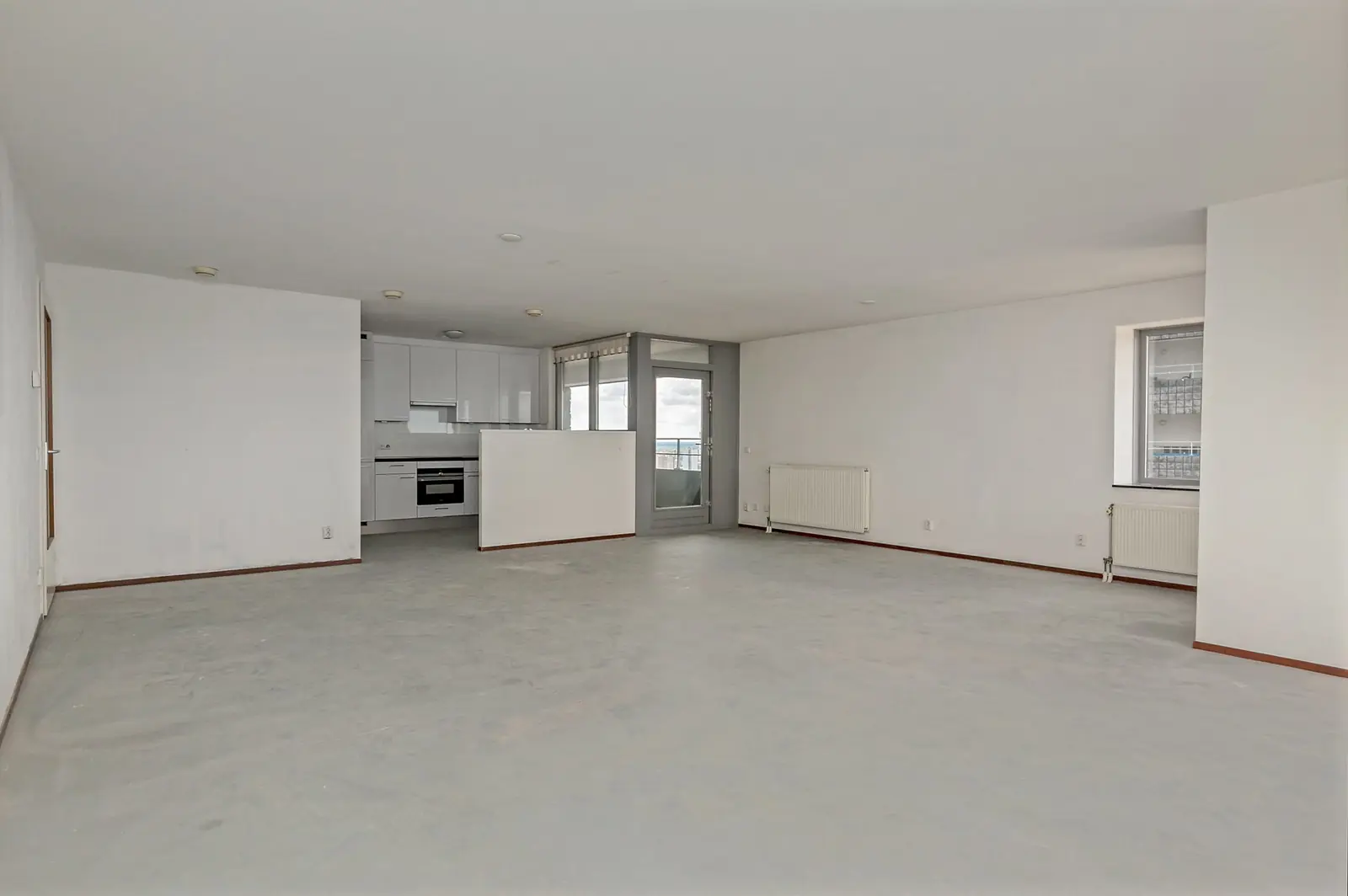
€2,080.00 / month

€950.00 / month
€865.00 / month
€1,433.00 / month
€1,375.00 / month
€2,140.00 / month
€1,465.00 / month
€789.00 / month

€1,535.00 / month
Luntero combines apartments, rooms, studios and houses from rental websites with homes published directly on Luntero. Filter by your needs, compare your options and confirm availability, price and conditions with the advertiser.
Browse listings from Funda, Pararius, Kamernet and other supported websites alongside rentals published directly on Luntero. Coverage is broad, but does not include every home on the market.
Navigate our clean and straightforward design effortlessly on both desktop and mobile devices for a seamless apartment, house, or room hunting experience in the Netherlands.
Browse rental listings in English, Dutch, Spanish, French, German, and more. Luntero ensures you can find your next home in the Netherlands in the language you're most comfortable with.
Luntero refreshes collected listings regularly and search alerts email new matches after a successful check. A source can change between refreshes, so verify decisive details there.