
Accessibility Compliance
The legal standards for accessibility in residential buildings, which are primarily enforced for new constructions and major renovations.

verhuurder
A landlord is an individual or entity that leases property to a tenant under a rental agreement.
A landlord is an individual or corporate entity that owns residential or commercial real estate and grants occupancy rights to a tenant through a lease or rental agreement. The landlord is responsible for providing habitable premises, maintaining structural integrity, and ensuring compliance with local health and safety regulations. Legally, the landlord must honor the agreed-upon lease terms, which typically cover rent amount, payment schedule, lease duration, and property use restrictions. The concept of a landlord has origins in medieval property rights but has transformed into a more regulated profession, with licensing requirements for letting agents and comprehensive landlord-tenant statutes. Landlords have the right to receive rent on time, inspect the property under agreed conditions, and seek legal remedies for lease violations. However, these rights are balanced by obligations to avoid discriminatory practices, maintain essential services, and respect tenants’ privacy. Failure to uphold these duties can result in legal penalties, from administrative fines to civil lawsuits for breach of contract or negligence. The landlord’s role often involves framing lease agreements, coordinating with property managers or real estate agents, and addressing tenant complaints in a timely manner.
In the Netherlands, landlords operate within a highly regulated market designed to protect tenants and maintain housing stock quality. Landlords must register with the municipality and comply with the Wet op de huurtoeslag (Housing Allowance Act) if tenants receive subsidies. They are required to ensure the property meets the Bouwbesluit (Building Decree) standards, covering insulation, fire safety, and energy performance (energielabel). Rent levels for social housing are capped by the woningwaarderingsstelsel (points system), while private-sector rents may increase annually only by statutory limits tied to consumer price indices. Dutch landlords face strict rules on security deposit handling; deposits cannot exceed two months’ rent, must be placed in a separate account, and returned within a legally defined timeframe after tenancy ends. Additional obligations include pre-termination maintenance inspections, formal notice periods, and justifiable eviction grounds, enforced through the courts. The emergence of short-term rental platforms has intensified debates over landlord responsibilities, with municipalities imposing licensing regimes to curb unregulated holiday lettings. These rules underscore the Netherlands’ commitment to balancing landlord investment incentives with tenant protection and housing affordability.
Table of Contents
Terms from the same part of the rental process, so you can read them together instead of looking each one up separately.
The legal standards for accessibility in residential buildings, which are primarily enforced for new constructions and major renovations.
Balcony safety compliance refers to the legal requirement for balconies and railings to meet specific structural and safety standards.
No subsidy exists for basement waterproofing; a damp or leaking basement is a maintenance defect that the landlord is legally required to fix at their own cost.
The essential regular servicing of the central heating boiler, a legal responsibility of the landlord to ensure safety and efficiency.
Building code compliance is the landlord's duty to provide a property that meets the national technical standards for safety, health, and usability set out in the 'Bouwbesluit'.
An insurance policy that covers the physical structure of the property, which is the landlord's responsibility.
Before relying on Landlord, distinguish exceptions from meaning and current rules. Use the Landlord definition as orientation, then open connected landlord obligations terms and confirm any legal, financial, contractual, property, eligibility, or procedural consequence with an authoritative source.
Every glossary entry that belongs to Landlord Obligations, collected on one page.
See TermsLook up a term, abbreviation or contract phrase and get a plain-language explanation with Dutch and English wording.
Search termsLonger guides that walk through applications, contracts, costs and moving, with the terminology used in context.
Read the guidesExplore the latest properties added to Luntero. Find new apartments, houses, and studios across the Netherlands — updated daily to help you discover your next home faster.
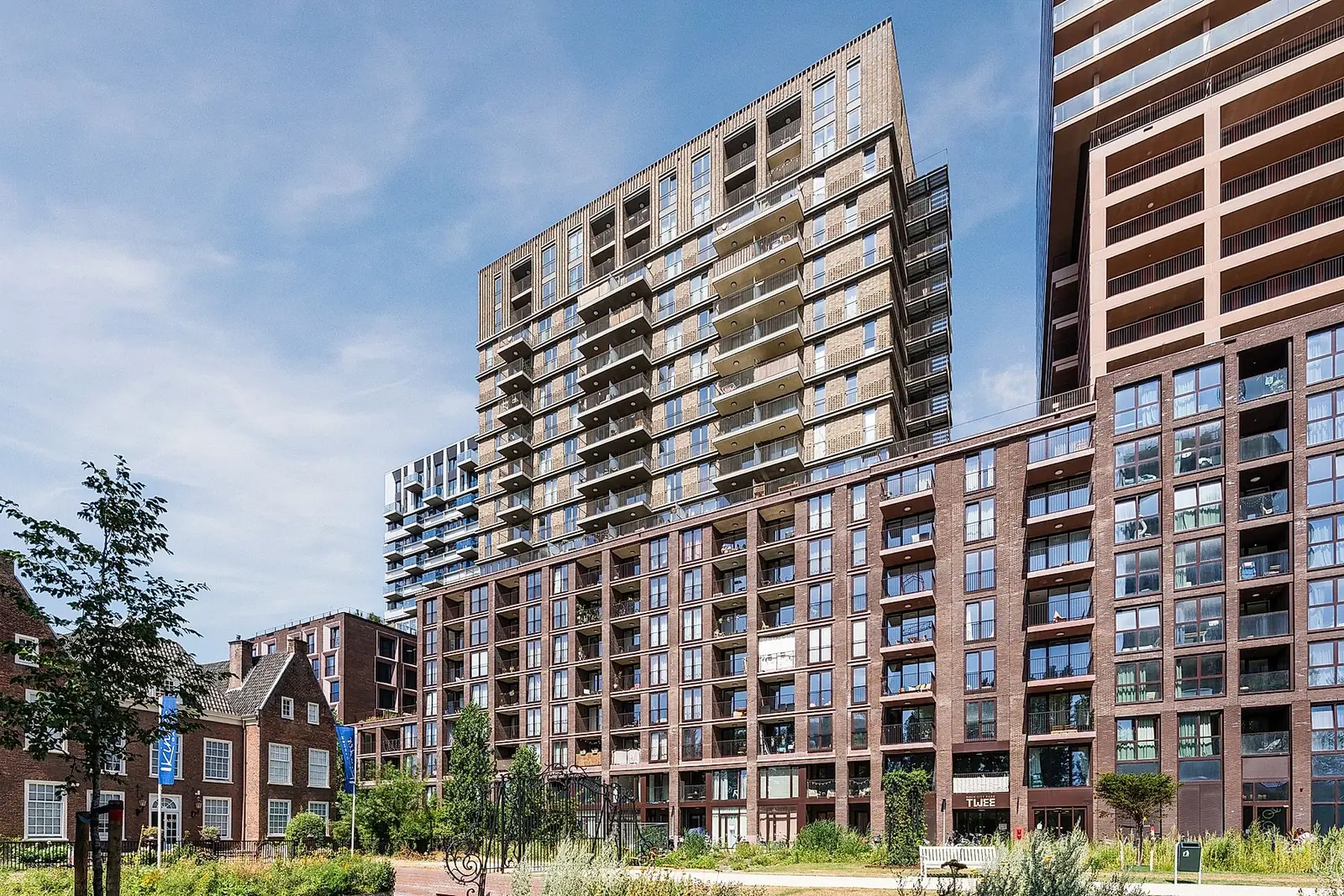
€1,465.00 / month
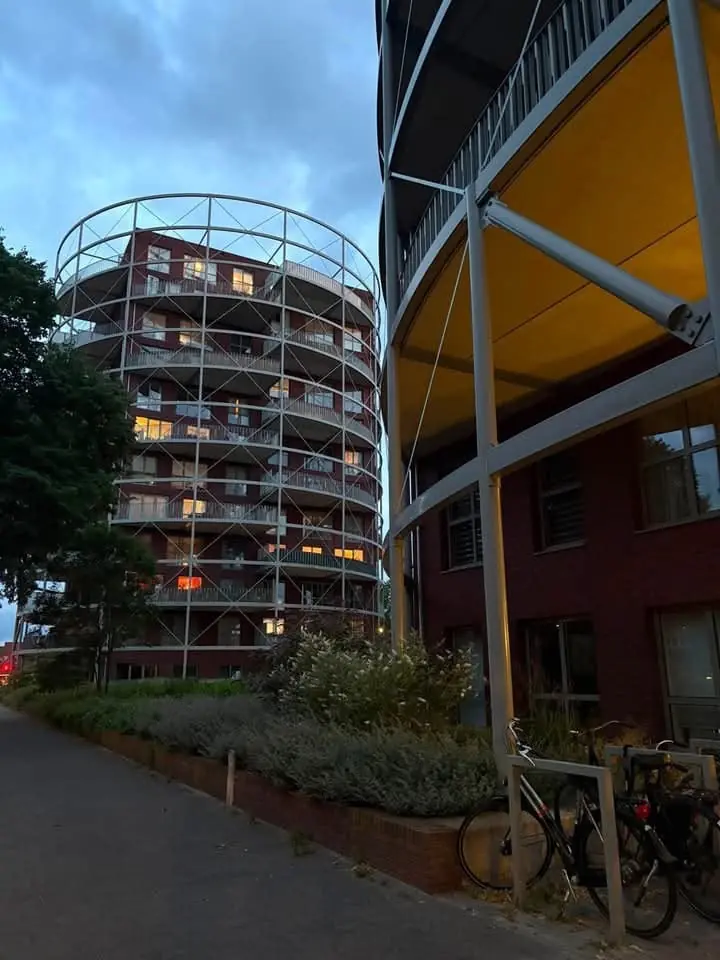
€865.00 / month
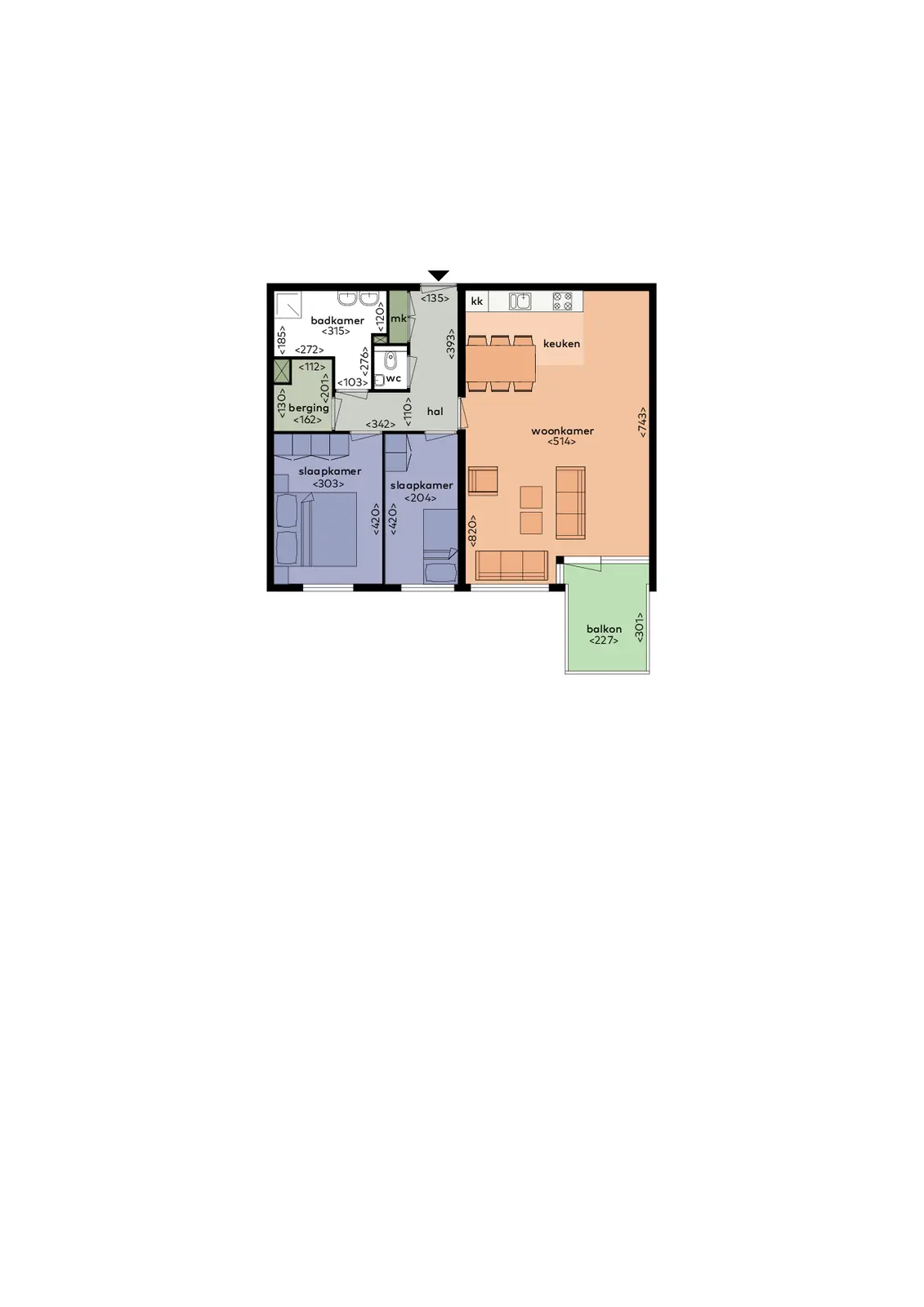
€1,730.00 / month
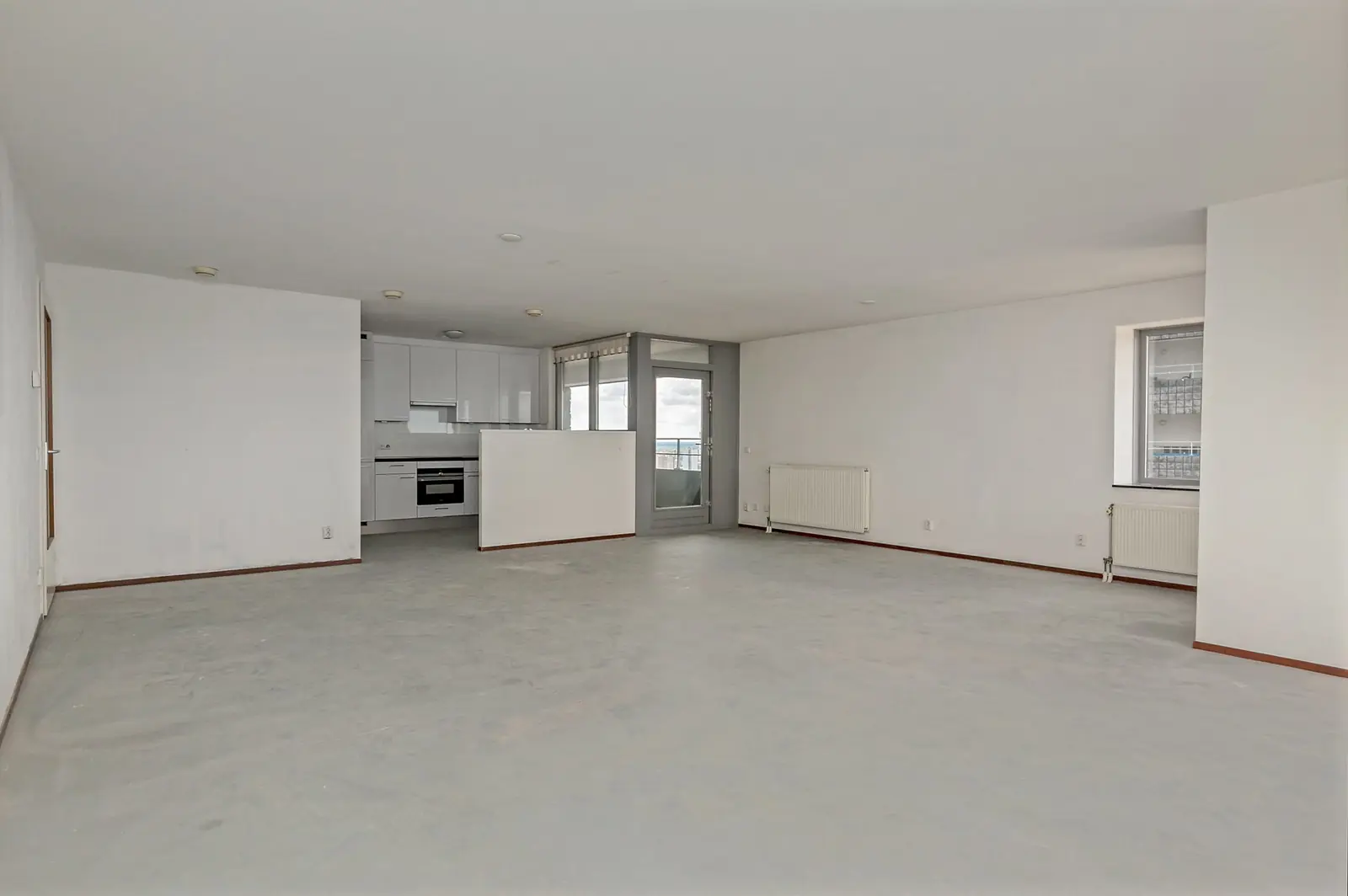
€2,080.00 / month
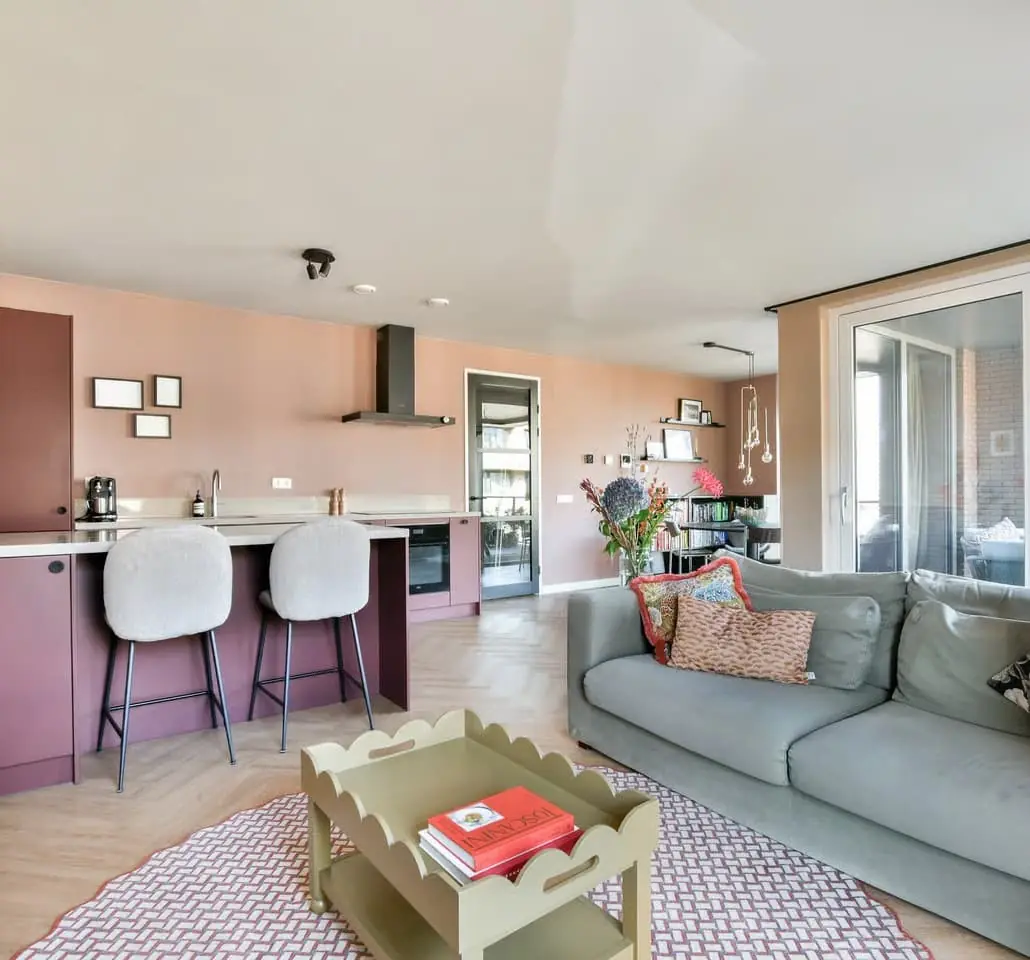
€950.00 / month
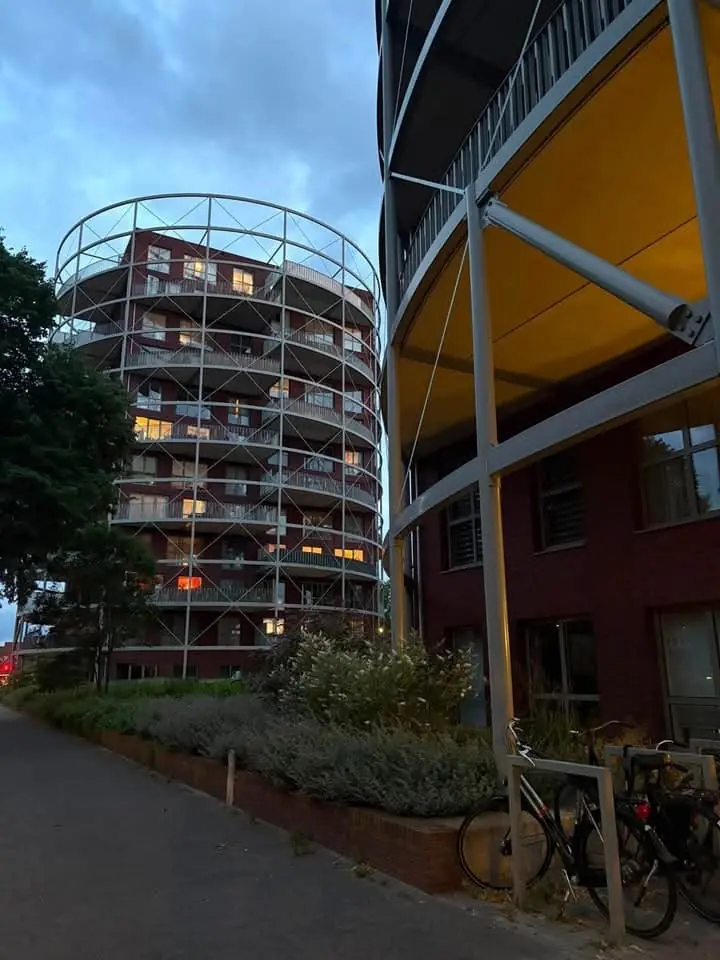
€865.00 / month
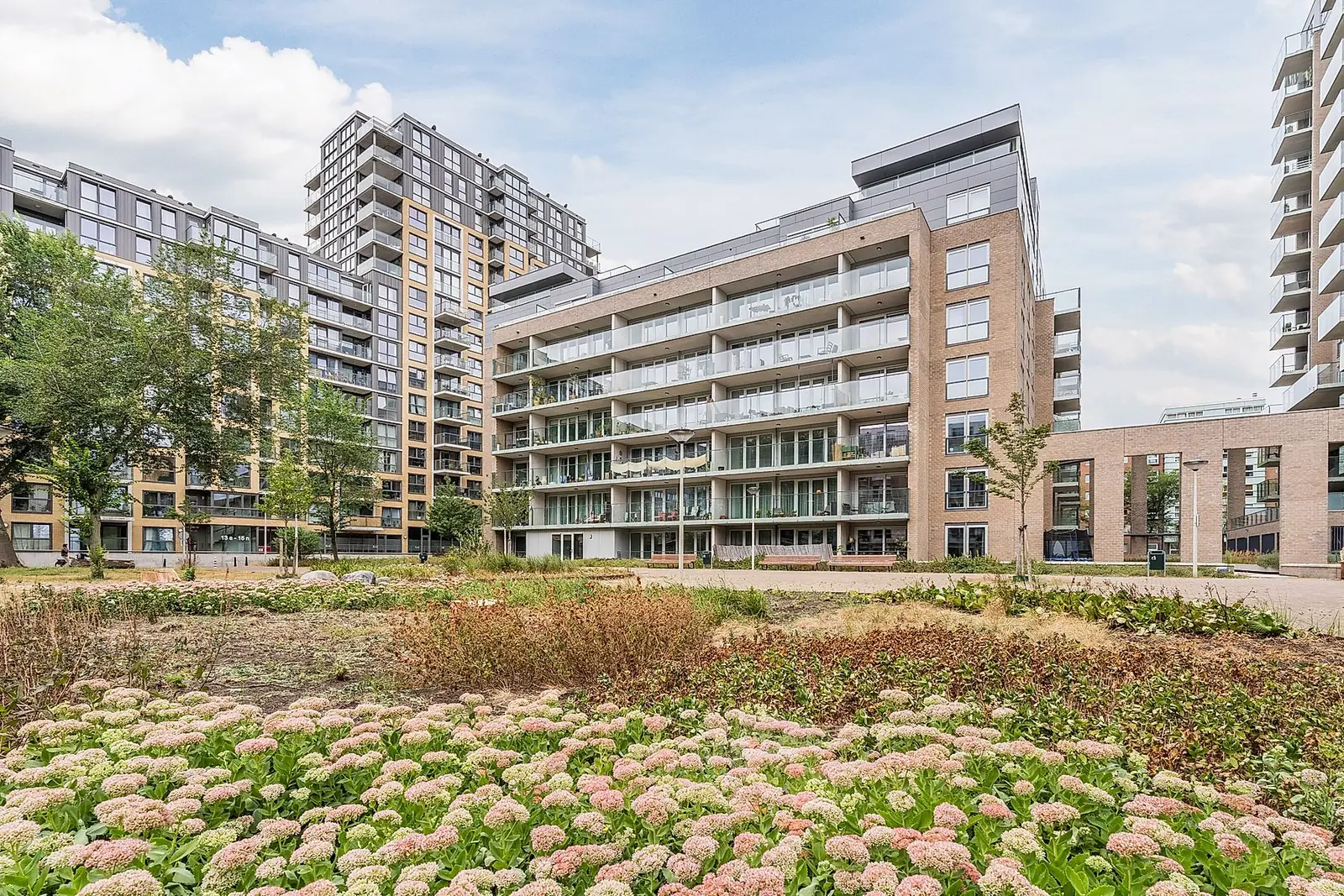
€1,433.00 / month
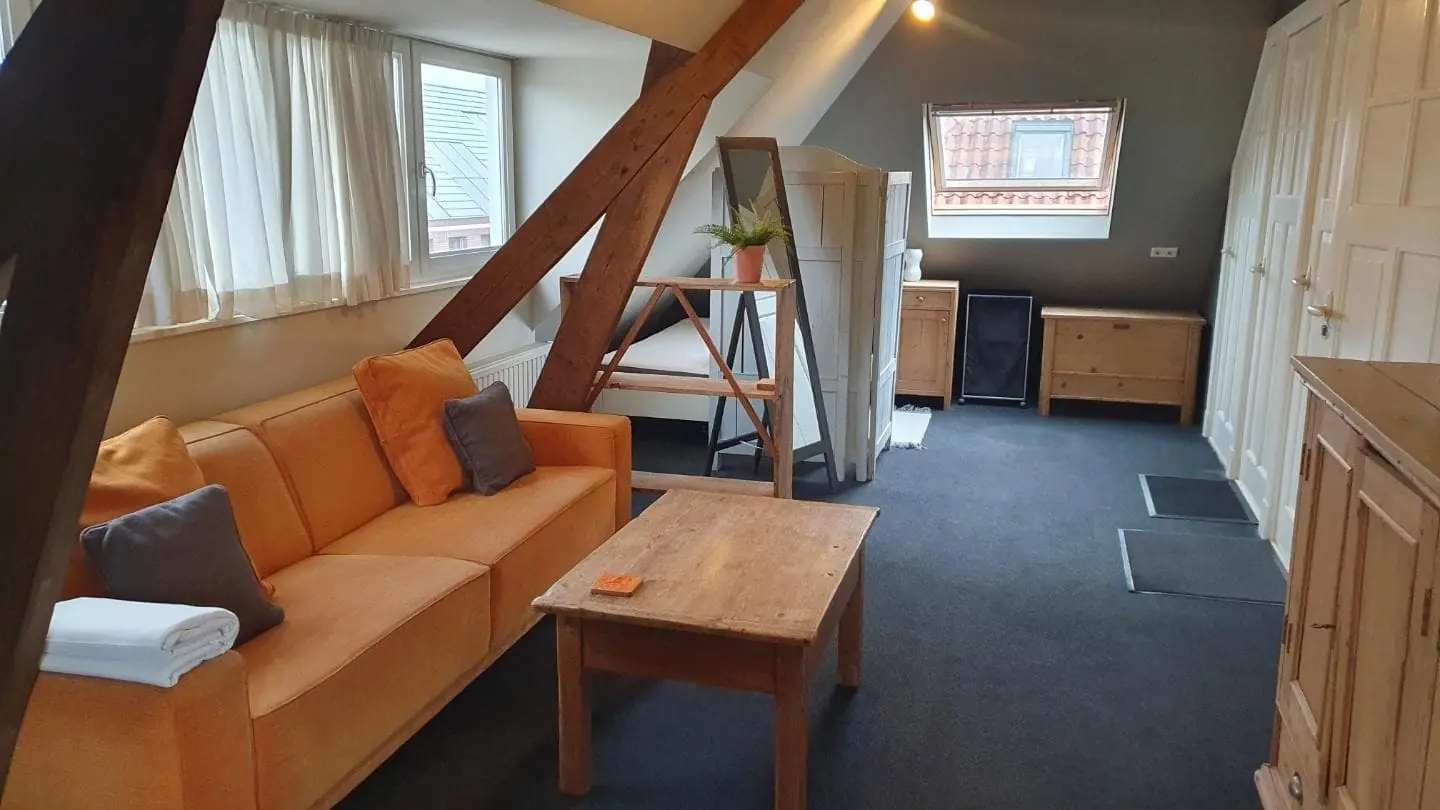
€1,375.00 / month
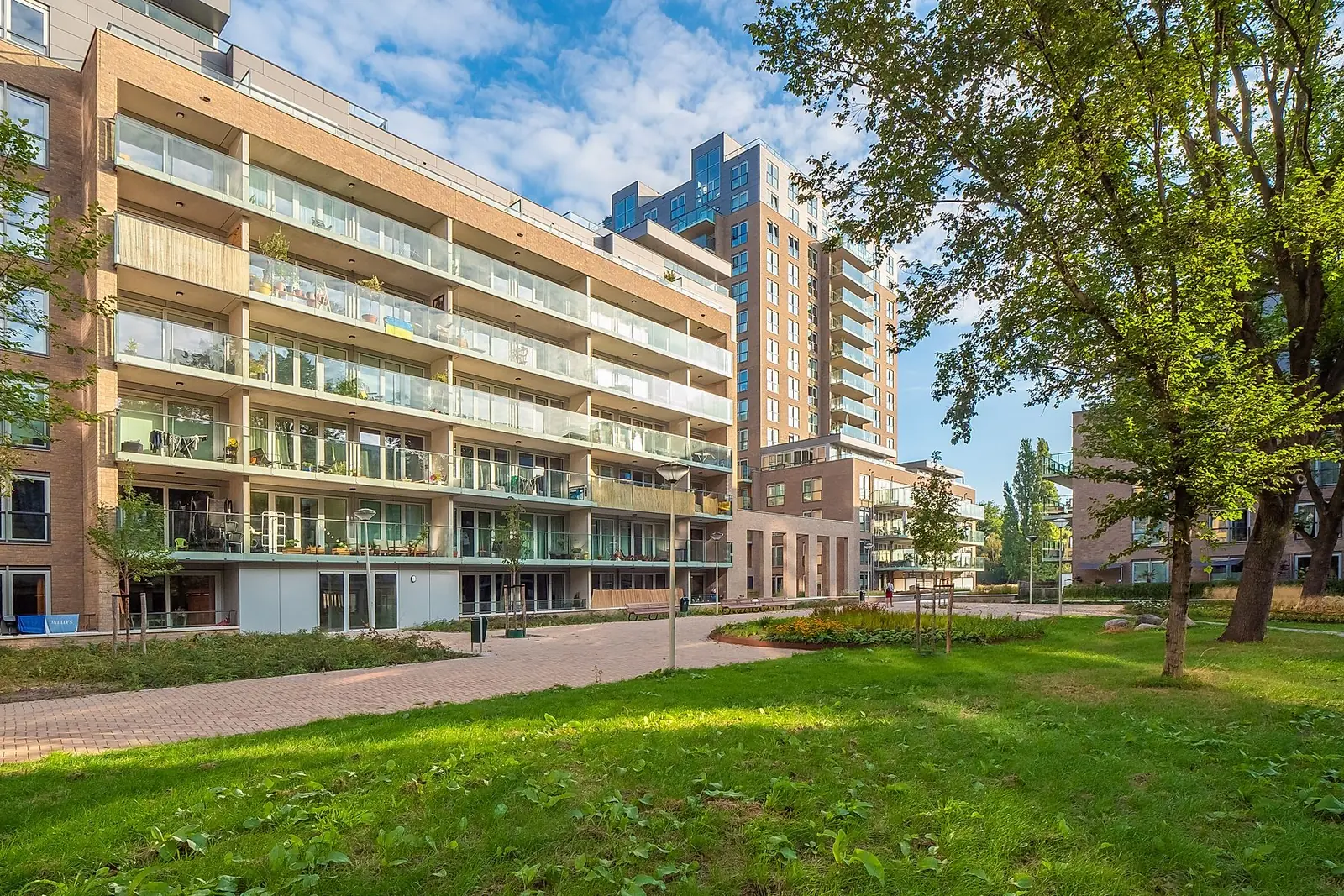
€2,140.00 / month
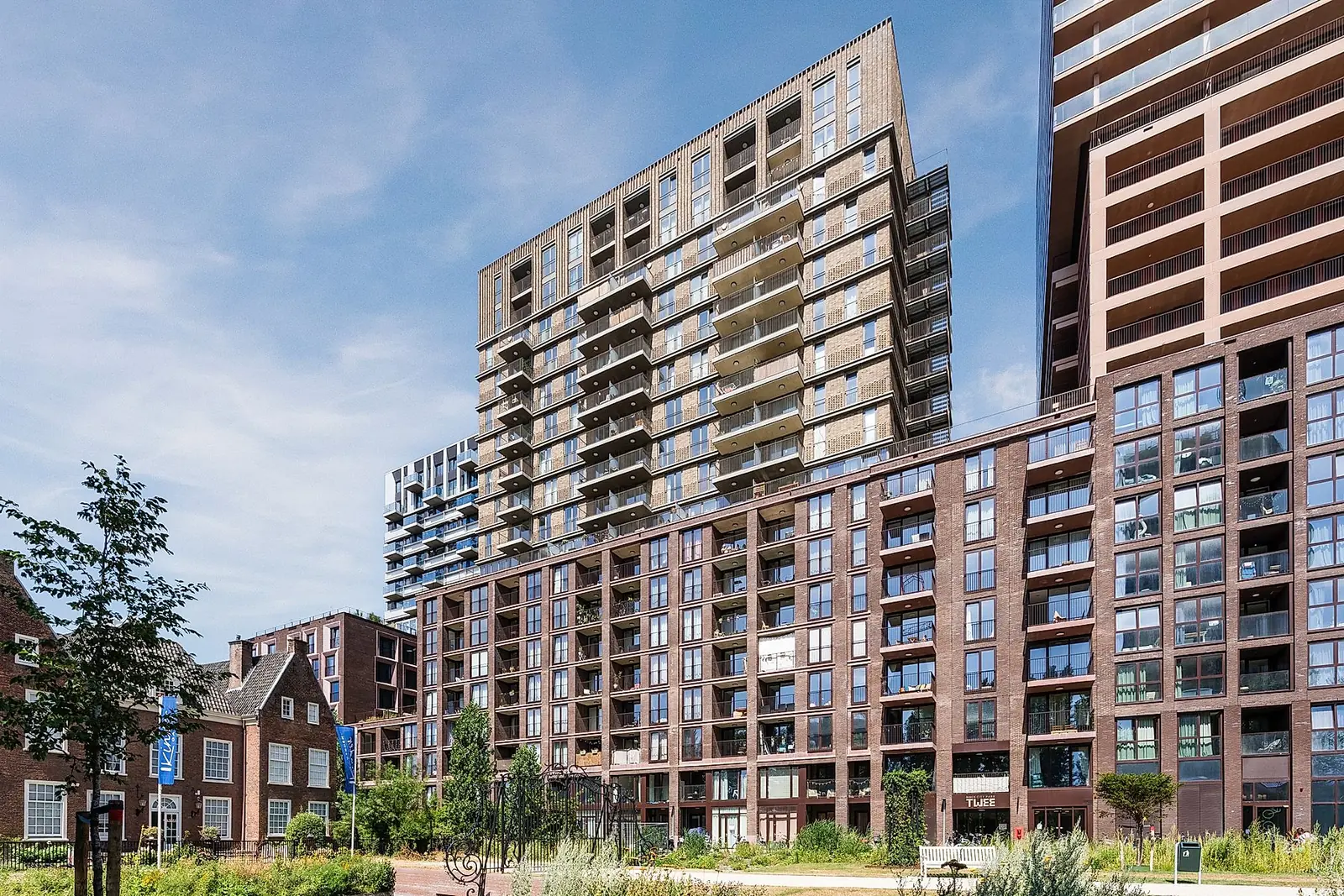
€1,465.00 / month
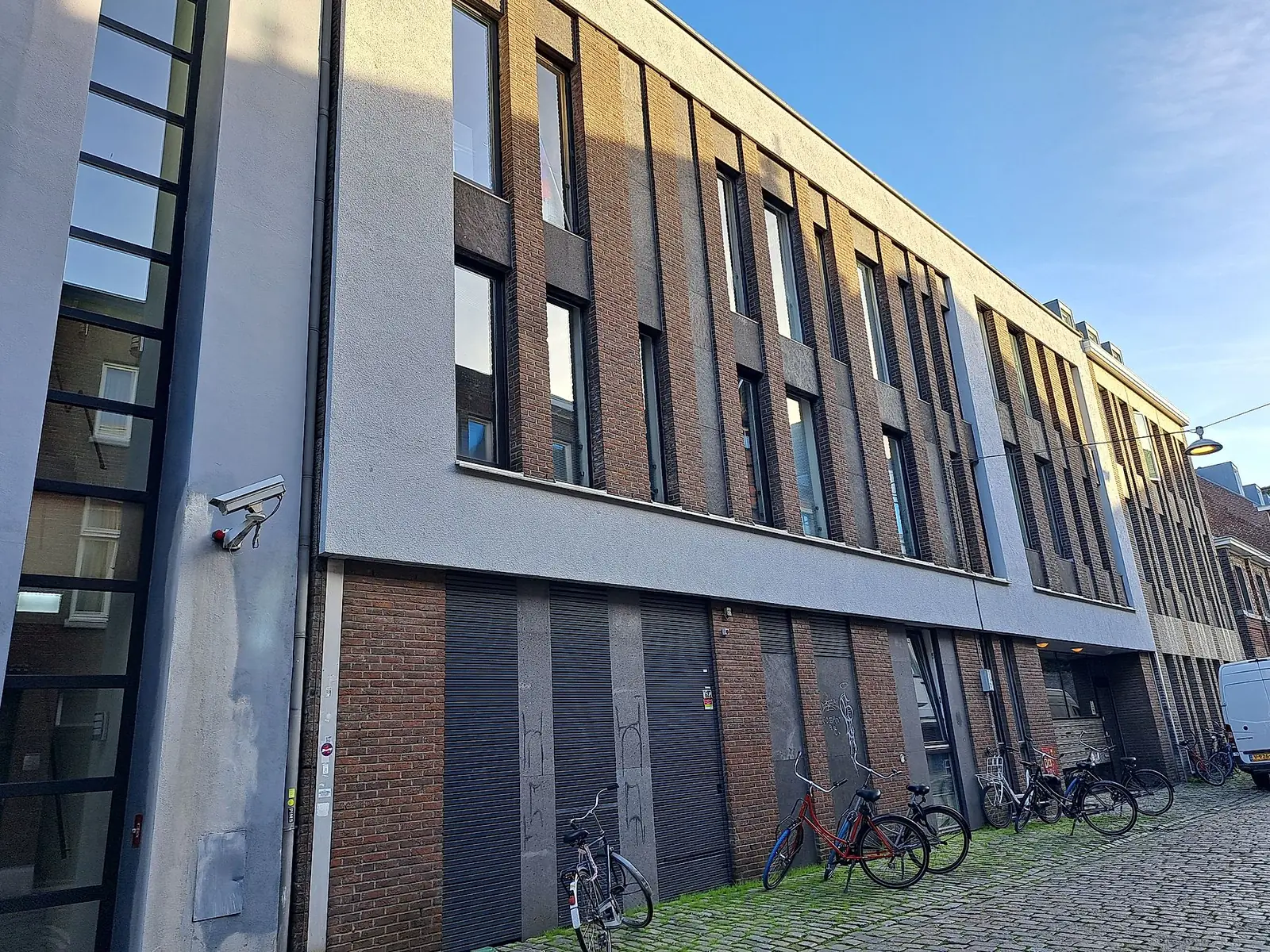
€789.00 / month
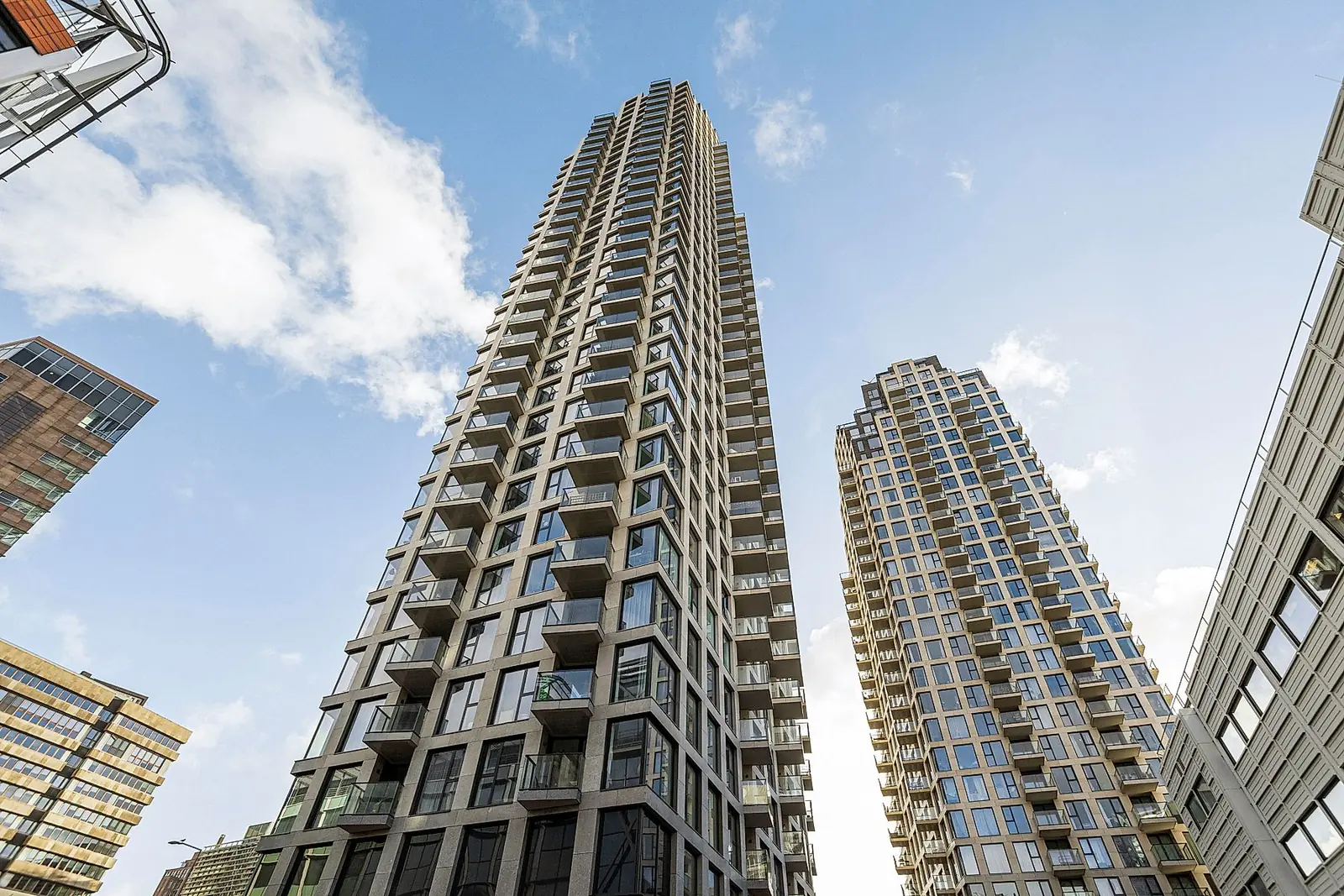
€1,535.00 / month
Luntero combines apartments, rooms, studios and houses from rental websites with homes published directly on Luntero. Filter by your needs, compare your options and confirm availability, price and conditions with the advertiser.
Browse listings from Funda, Pararius, Kamernet and other supported websites alongside rentals published directly on Luntero. Coverage is broad, but does not include every home on the market.
Navigate our clean and straightforward design effortlessly on both desktop and mobile devices for a seamless apartment, house, or room hunting experience in the Netherlands.
Browse rental listings in English, Dutch, Spanish, French, German, and more. Luntero ensures you can find your next home in the Netherlands in the language you're most comfortable with.
Luntero refreshes collected listings regularly and search alerts email new matches after a successful check. A source can change between refreshes, so verify decisive details there.