An administrative fine is a significant penalty imposed directly by a government body, bypassing the courts to enforce housing regulations.
Legal Terms
Lease Assignment

Indeplaatsstelling
Lease assignment, or 'indeplaatsstelling', is a specific legal process for a new tenant to fully take over an existing lease, which is distinct from subletting.
Table of Contents
Table of Contents
Related terms
More terms from Legal Terms
Terms from the same part of the rental process, so you can read them together instead of looking each one up separately.
A single, legally problematic rental price where the basic rent and service costs are not separated.
Amortization, or aflossing, is the process of repaying the principal of a loan over time, a key component of the landlord's mortgage costs.
Landlords have a strict legal duty to comply with anti-discrimination laws, reinforced by new legislation that mandates fair and transparent tenant selection procedures.
Arbitration is a formal, private method of dispute resolution where a neutral arbitrator makes a binding decision, serving as an alternative to a public court.
Clauses in rental agreements that force a tenant into binding arbitration are heavily restricted in the Netherlands and are often legally unenforceable.
Continue from Lease Assignment (Indeplaatsstelling): Eligibility Rules, Current Rules, and Application Use
Use the definition of Lease Assignment (Indeplaatsstelling) to understand exceptions, while confirming meaning and documents independently.
More about Legal Terms
Every glossary entry that belongs to Legal Terms, collected on one page.
See TermsSearch the glossary
Look up a term, abbreviation or contract phrase and get a plain-language explanation with Dutch and English wording.
Search termsRenting guides
Longer guides that walk through applications, contracts, costs and moving, with the terminology used in context.
Read the guidesNewest Properties in the Netherlands
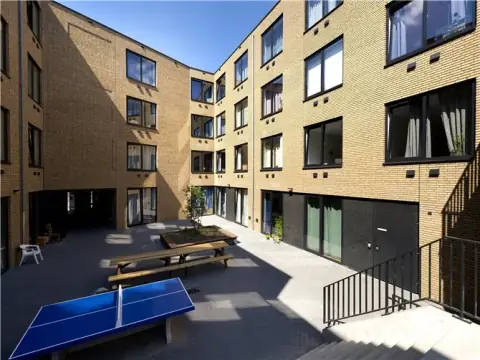
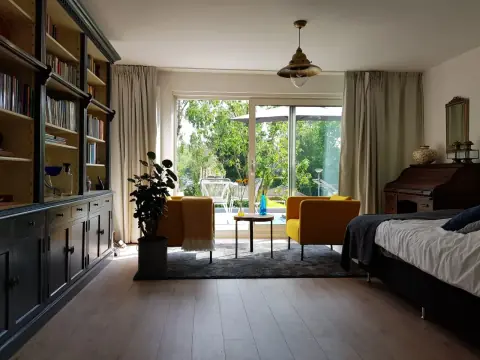
Explore the latest properties added to Luntero. Find new apartments, houses, and studios across the Netherlands — updated daily to help you discover your next home faster.
Why Luntero
One Workspace for Your Dutch Rental Search
Luntero combines apartments, rooms, studios and houses from rental websites with homes published directly on Luntero. Filter by your needs, compare your options and confirm availability, price and conditions with the advertiser.
Listings From Many Dutch Sources
Browse listings from Funda, Pararius, Kamernet and other supported websites alongside rentals published directly on Luntero. Coverage is broad, but does not include every home on the market.
Intuitive User-Friendly Interface
Navigate our clean and straightforward design effortlessly on both desktop and mobile devices for a seamless apartment, house, or room hunting experience in the Netherlands.
Multilingual Support for Expats & Locals
Browse rental listings in English, Dutch, Spanish, French, German, and more. Luntero ensures you can find your next home in the Netherlands in the language you're most comfortable with.
Regular Listing Refreshes
Luntero refreshes collected listings regularly and search alerts email new matches after a successful check. A source can change between refreshes, so verify decisive details there.