
advertisement
A rental advertisement in the Netherlands is the first point of contact with a property, requiring a cautious approach to avoid scams and misleading information.

borgsteller en medetekening
A guarantor or co-signer is a third party who legally agrees to cover the rent payments if the tenant fails to do so.
Borgsteller)In the risk-averse world of Dutch real estate, landlords and agents rely on strict criteria to weed out potentially unreliable tenants. The most common of these is the income requirement (inkomenseis), a rigid rule that typically demands a prospective tenant's gross monthly income be three, four, or even five times the basic monthly rent. This presents an immediate and insurmountable barrier for a huge segment of the population, including students, recent graduates, freelance workers, and those in the early stages of their careers. Without a long history of high, stable income, these applicants are seen as a financial risk.
To mitigate this perceived risk, landlords demand a guarantor (borgsteller). This is their insurance policy. A guarantor is a third party—almost always a parent or close family member—who co-signs the rental agreement and legally pledges to cover the tenant's financial obligations if they default. The requirement for a guarantor has become standard practice, particularly in the competitive housing markets of the Randstad. If you are a young person or an expat without a long-standing Dutch employment record, you should expect to be asked for a guarantor. It is not an unusual request; it is a routine part of the application process for a large portion of renters.
Acting as a guarantor is not a mere formality or a character reference; it is a significant and legally binding financial commitment. By signing the guarantee agreement (borgstellingsovereenkomst), the guarantor becomes legally liable for the tenant's rent arrears. If the tenant misses a payment, the landlord has the full legal right to demand that money directly from the guarantor. This is not a request; it is a legal claim. The liability extends to the full amount of the unpaid rent, plus any administrative or collection fees stipulated in the contract, and any legal costs the landlord incurs while chasing the debt.
Furthermore, landlords impose their own strict requirements on who can even qualify as a guarantor. It's not enough for your parents to simply be willing. The guarantor must typically reside and work within the Netherlands. This is a major stumbling block for many international students and expats whose parents live abroad. Additionally, the guarantor themselves must meet the high income requirements of the property. For example, if the rent is €1,500 and the income requirement is 4x the rent, the guarantor must prove they have a gross monthly income of at least €6,000. This dual set of requirements—Dutch residency and high income—makes finding a suitable guarantor a significant challenge for many.
Before signing a guarantee agreement, the guarantor must read the document with extreme care. The scope of the liability can vary. A standard agreement limits the guarantor's liability to only the rent payments. However, some landlords try to insert clauses that make the guarantor liable for damages to the property as well. This dramatically expands the potential financial risk, making the guarantor responsible for any deductions from the security deposit. The legality of these expanded liability clauses is a grey area and should be viewed with extreme skepticism.
Another critical detail is the duration of the guarantee. Does the guarantee only apply to the initial fixed term of the contract, or does it extend indefinitely if the contract becomes a rolling, indefinite-term lease? The contract should be explicit on this point. For expats working for large international companies, a powerful alternative is a company guarantee. Many corporations, as part of their relocation packages, will formally act as a guarantor for their employee's rental contracts. This is a very strong card to play in the application process, as landlords view a major corporation as the ultimate low-risk guarantor.
Table of Contents
Terms from the same part of the rental process, so you can read them together instead of looking each one up separately.
A rental advertisement in the Netherlands is the first point of contact with a property, requiring a cautious approach to avoid scams and misleading information.
A fee charged by a real estate agent for their services, which a landlord is often illegally passing on to the tenant.
An AML check is a procedure to prevent illicit funds in real estate, a process that is sometimes improperly applied to tenants, creating an unnecessary burden.
Dutch real estate agents are legally required to perform due diligence on tenants to prevent money laundering, which may include verifying your identity and source of funds.
An application confirmation is a meaningless automated receipt for your submission, offering a false sense of progress before the usual silence.
The application deadline is an often extremely short timeframe designed to create artificial urgency and pressure on prospective tenants.
Use Guarantor and Co-Signer to clarify exceptions, then check meaning and authority wherever the term affects a real decision.
Every glossary entry that belongs to Application Process, collected on one page.
See TermsLook up a term, abbreviation or contract phrase and get a plain-language explanation with Dutch and English wording.
Search termsLonger guides that walk through applications, contracts, costs and moving, with the terminology used in context.
Read the guidesExplore the latest properties added to Luntero. Find new apartments, houses, and studios across the Netherlands — updated daily to help you discover your next home faster.
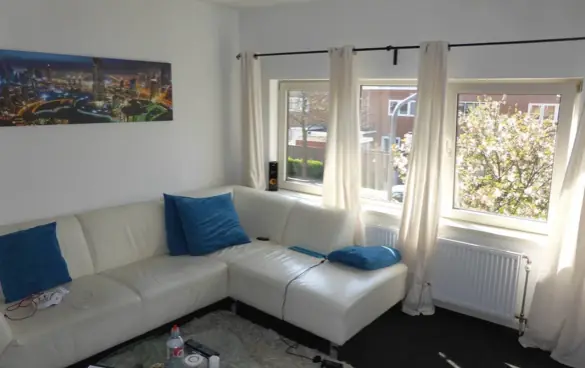
€1,025.00 / month

€1,480.00 / month
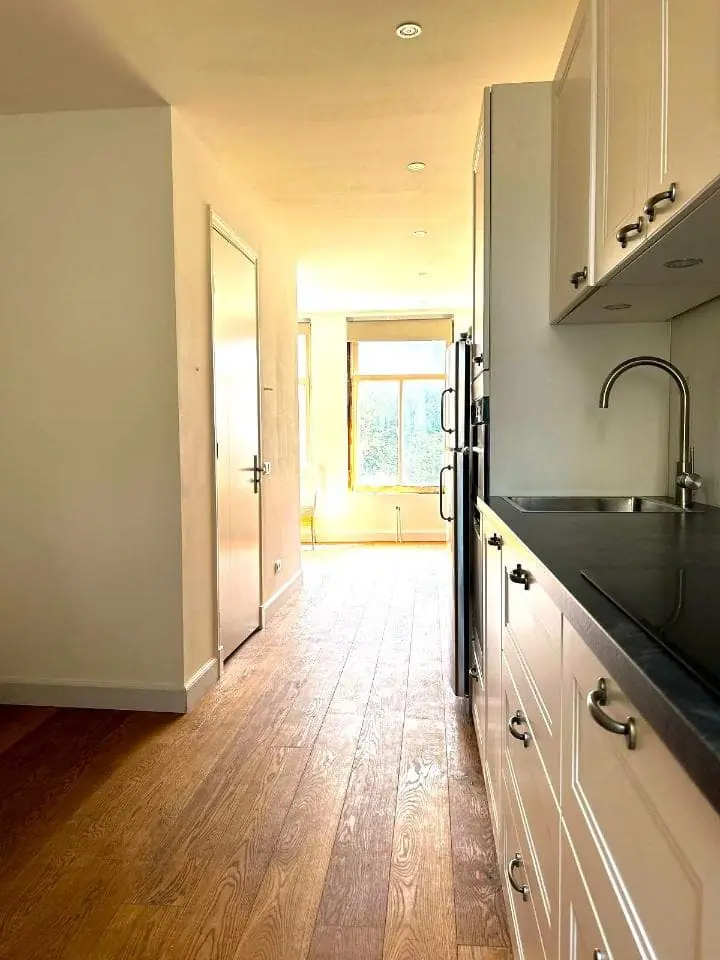
€2,270.00 / month
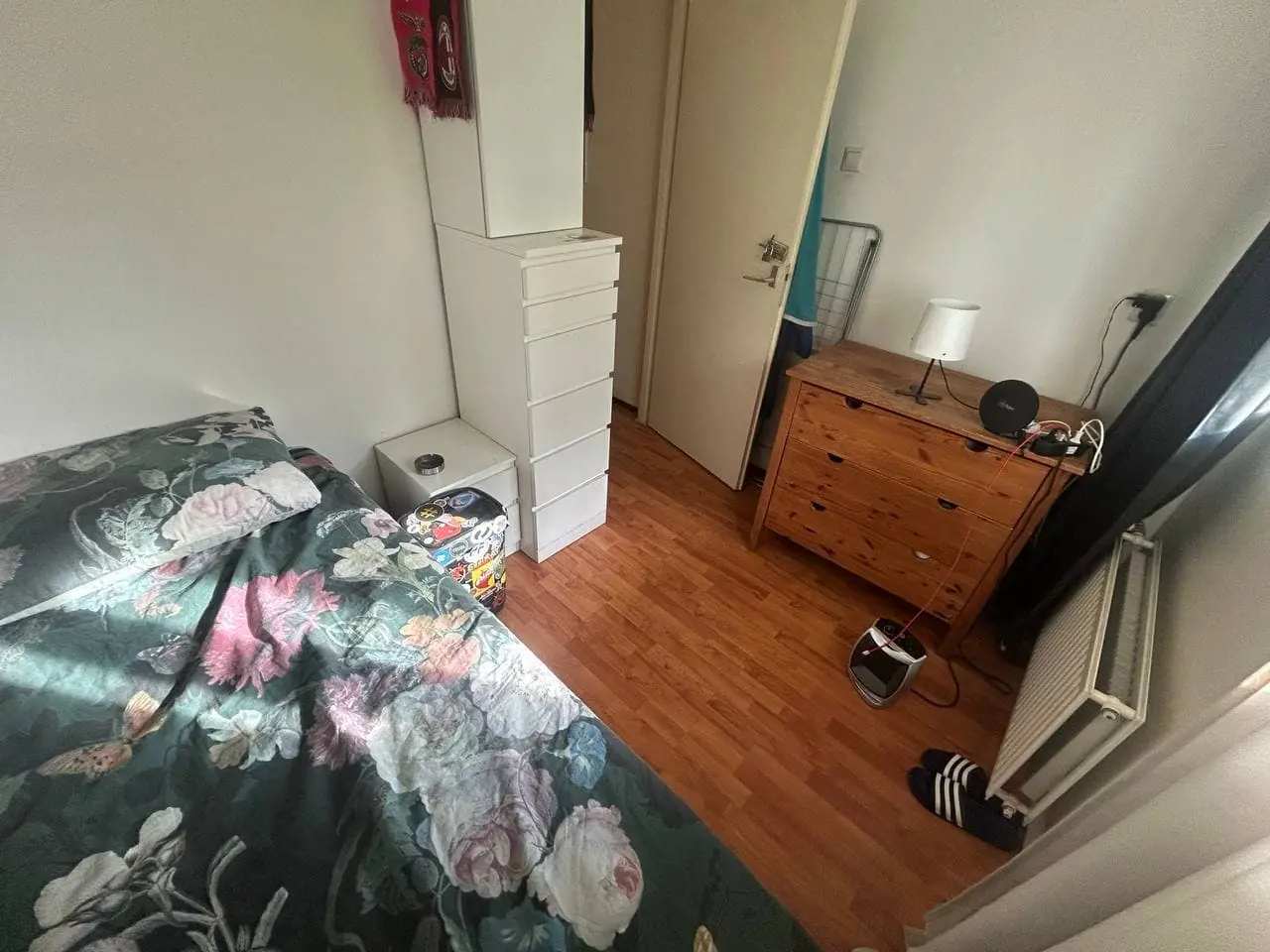
€1,000.00 / month
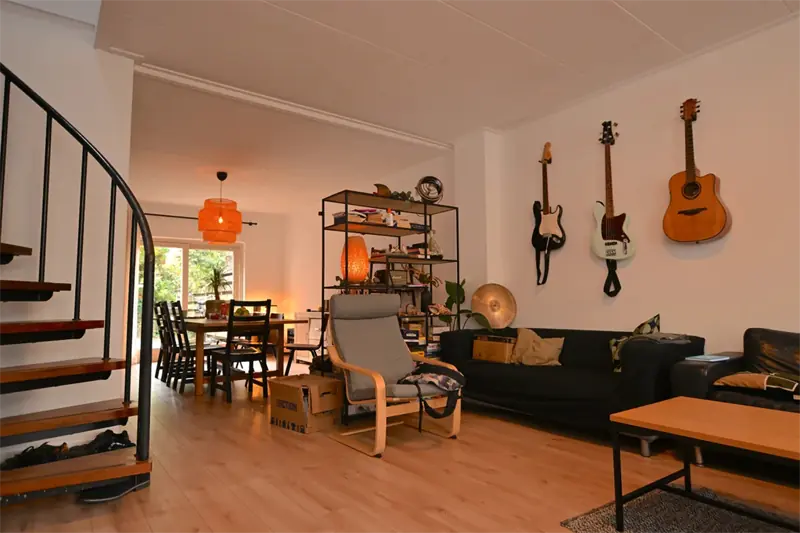
€2,295.00 / month
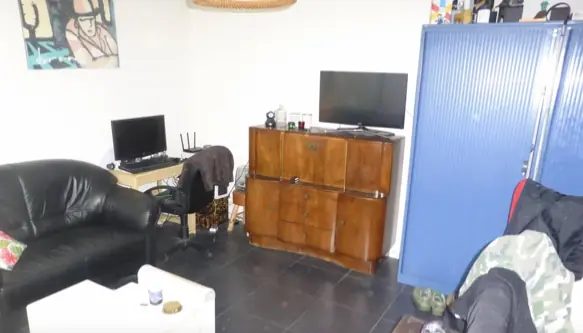
€979.00 / month
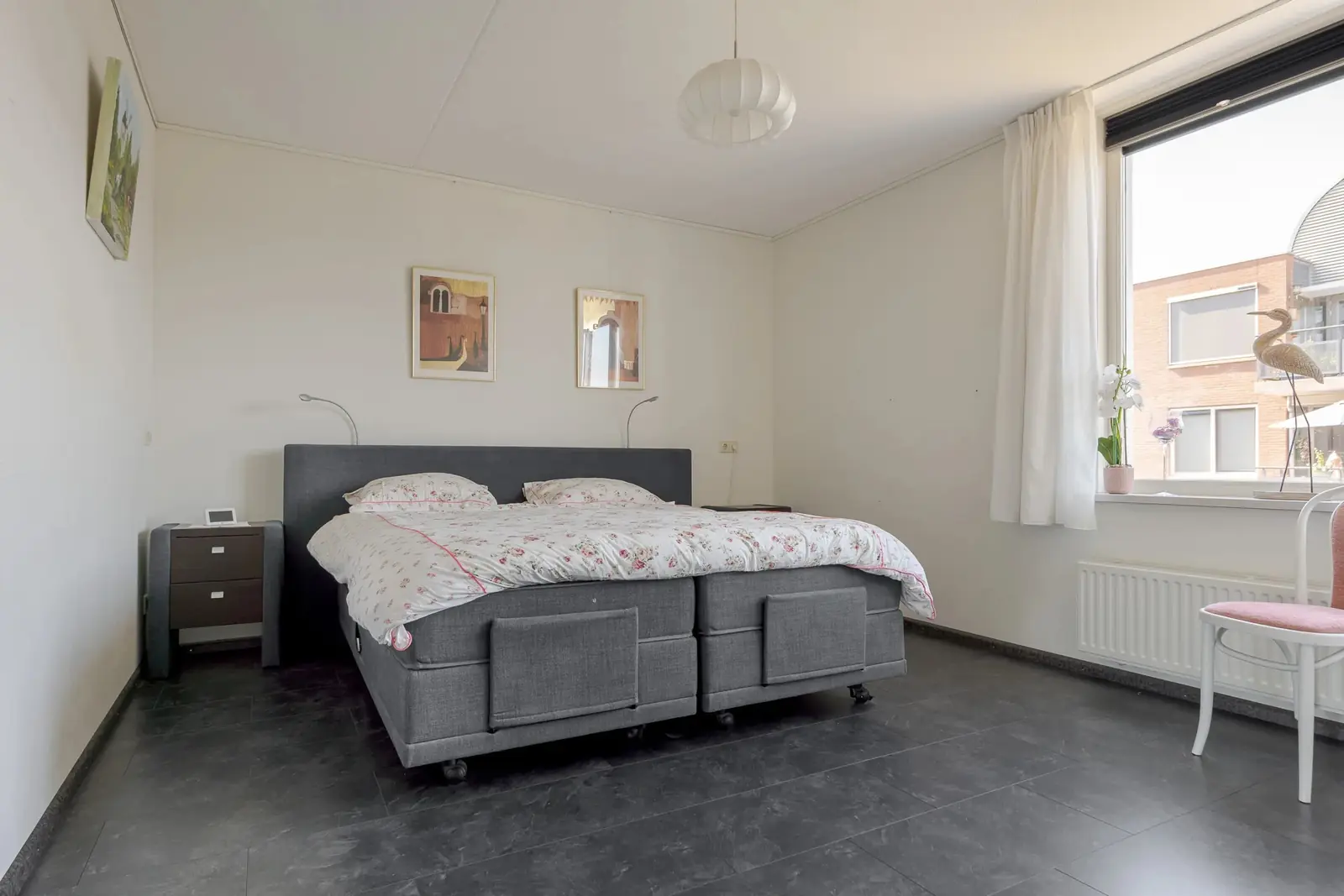
€1,170.00 / month
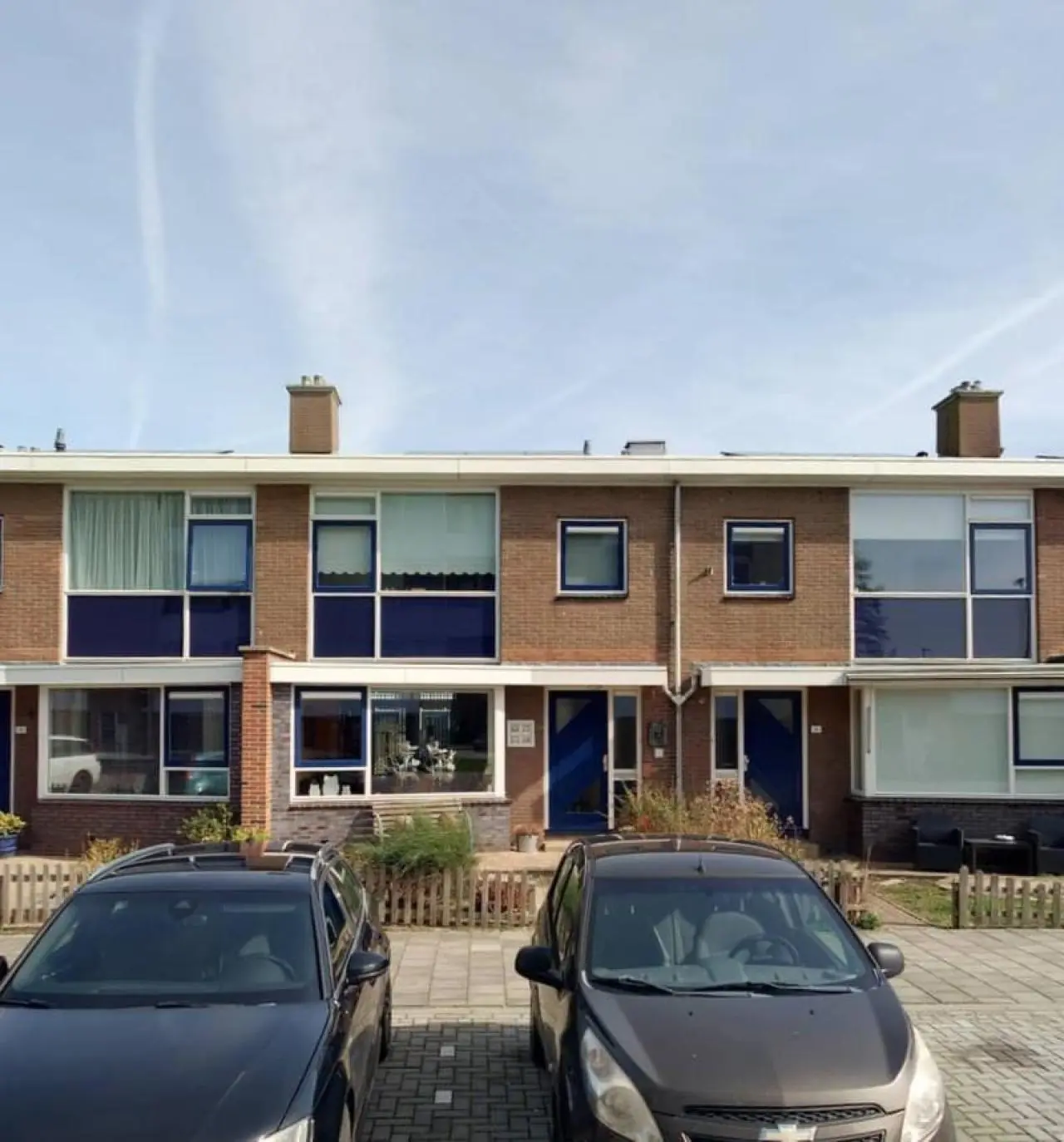
€765.00 / month
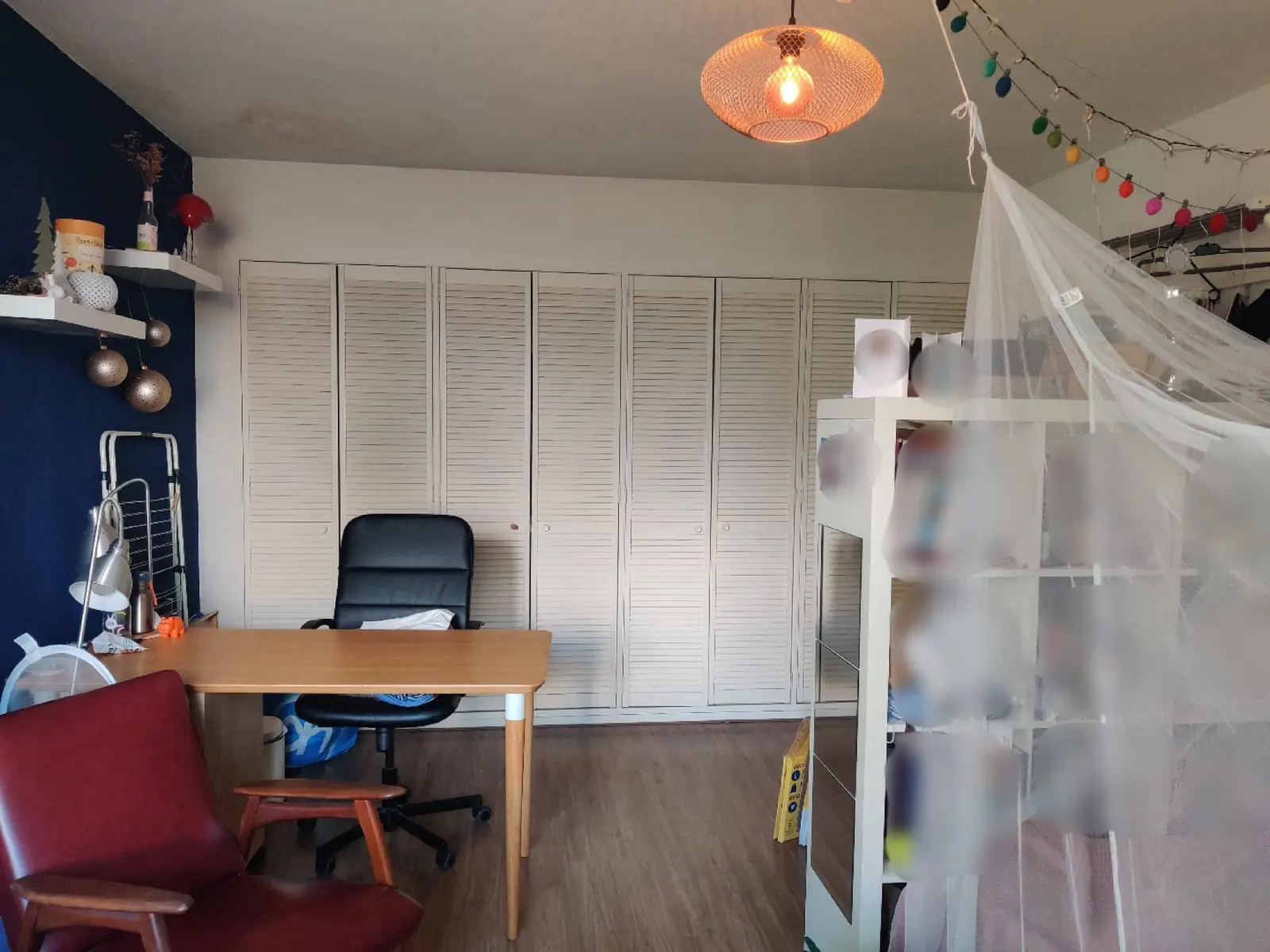
€610.00 / month
€900.00 / month
€1,500.00 / month

€750.00 / month
Luntero combines apartments, rooms, studios and houses from rental websites with homes published directly on Luntero. Filter by your needs, compare your options and confirm availability, price and conditions with the advertiser.
Browse listings from Funda, Pararius, Kamernet and other supported websites alongside rentals published directly on Luntero. Coverage is broad, but does not include every home on the market.
Navigate our clean and straightforward design effortlessly on both desktop and mobile devices for a seamless apartment, house, or room hunting experience in the Netherlands.
Browse rental listings in English, Dutch, Spanish, French, German, and more. Luntero ensures you can find your next home in the Netherlands in the language you're most comfortable with.
Luntero refreshes collected listings regularly and search alerts email new matches after a successful check. A source can change between refreshes, so verify decisive details there.