
air conditioning
Air conditioning is a system for cooling a property's air, a rare and often self-installed luxury in the Netherlands.

tuin
A garden is a private plot of land attached to a property, a rare luxury in the Netherlands that comes with significant responsibilities.
The idea of a private garden (tuin) in the densely built Netherlands is the ultimate housing dream for many. It promises a personal patch of green, a space for children to play, and a venue for summer barbecues. However, the dream often collides with a less idyllic reality. The most critical factor determining a garden's usability is its orientation (ligging). With the sun often being a shy visitor, a south-facing garden (tuin op het zuiden) is the holy grail, receiving sunlight for the majority of the day. A north-facing garden (tuin op het noorden), by contrast, will be in shadow for most of the day, year-round. This results in a space that is often damp, cold, and challenging for growing anything other than moss and ferns. It's less of a sun-drenched oasis and more of a perpetually gloomy yard.
Privacy is another commonly overestimated feature. Most urban gardens, typically found with ground-floor apartments (benedenwoning), are directly overlooked by the numerous windows of the apartment buildings surrounding them. This 'fishbowl' effect means your private retreat is on display for dozens of neighbors. The term roof terrace (dakterras) sounds more exclusive, but it often suffers from the same issues of being overlooked, in addition to being exposed to wind. When viewing a property, don't just look at the garden's size; stand in the middle of it and look up. Assess the light conditions and the number of windows pointed directly at you before falling for the romantic notion of a 'private' garden.
Tuinonderhoud)A garden is not a self-maintaining entity; it is a living thing that demands work. This brings up the most common point of conflict between tenants and landlords: who is responsible for the garden maintenance (tuinonderhoud)? The lease agreement must be crystal clear on this point, but often uses vague language that leads to disputes. As a general rule, the law distinguishes between minor, day-to-day upkeep and major structural work. Minor upkeep is typically the tenant's responsibility. This includes tasks like mowing the lawn, removing weeds, and pruning small shrubs. If you let the garden become an overgrown jungle, the landlord can hold you responsible for the cost of restoring it.
The ambiguity lies in defining what constitutes 'minor' versus 'major' maintenance. For instance, who is responsible for pruning a large tree that is blocking light or threatening to damage property? Who has to replace a broken fence or repair sinking patio tiles? Generally, major structural work and maintenance of large trees falls to the landlord. However, a landlord might 'forget' this responsibility. A tenant who wants a garden must be prepared to either do regular work themselves or pay for a gardener. Failure to clarify these responsibilities in the lease agreement is an invitation for future conflict, likely to surface during the move-out inspection when the landlord presents you with a hefty bill for 'garden neglect'.
Many modern apartment developments in the Netherlands boast a communal garden (gemeenschappelijke tuin) as a key selling point. These are often beautifully designed, landscaped spaces intended to foster a sense of community. The marketing materials will show happy residents mingling on perfectly manicured lawns. The reality can be quite different. These gardens are managed by the Owners' Association (VvE), and their use is governed by a strict set of rules (reglement). These rules often transform the space from a vibrant social hub into a sterile, museum-like area.
Common restrictions include prohibitions on playing ball games, using personal barbecues, hosting parties, or making noise after a certain hour. The garden becomes a space you can look at, but not truly live in. Furthermore, the upkeep of this space is not free; it is paid for by all residents through their monthly service costs (servicekosten). You are, in effect, paying rent for a garden that you may have very limited freedom to use. When considering a property with a communal garden, you must ask for the VvE regulations and decide if the benefits outweigh the costs and the restrictions on your personal freedom.
Table of Contents
Terms from the same part of the rental process, so you can read them together instead of looking each one up separately.
Air conditioning is a system for cooling a property's air, a rare and often self-installed luxury in the Netherlands.
Amenities are the non-essential features and facilities that add to the comfort, convenience, or pleasure of a rental property.
An assigned parking space is a valuable and guaranteed spot, but enforcement against unauthorized use can be a significant practical problem.
A storage space located in the attic, often with limited headroom and accessible by a ladder, commonly used for long-term storage of seldom-used items.
A backyard, or *achtertuin*, is a private outdoor space behind a house, highly valued but with specific maintenance obligations.
A balcony is a private outdoor platform on an upper floor, a highly-prized feature in densely populated Dutch cities.
Read Garden through exceptions, case context, and advice, not as advice for an individual housing case. Continue into the full entry and related definitions before relying on the term in practice.
Every glossary entry that belongs to Property Features, collected on one page.
See TermsLook up a term, abbreviation or contract phrase and get a plain-language explanation with Dutch and English wording.
Search termsLonger guides that walk through applications, contracts, costs and moving, with the terminology used in context.
Read the guidesExplore the latest properties added to Luntero. Find new apartments, houses, and studios across the Netherlands — updated daily to help you discover your next home faster.
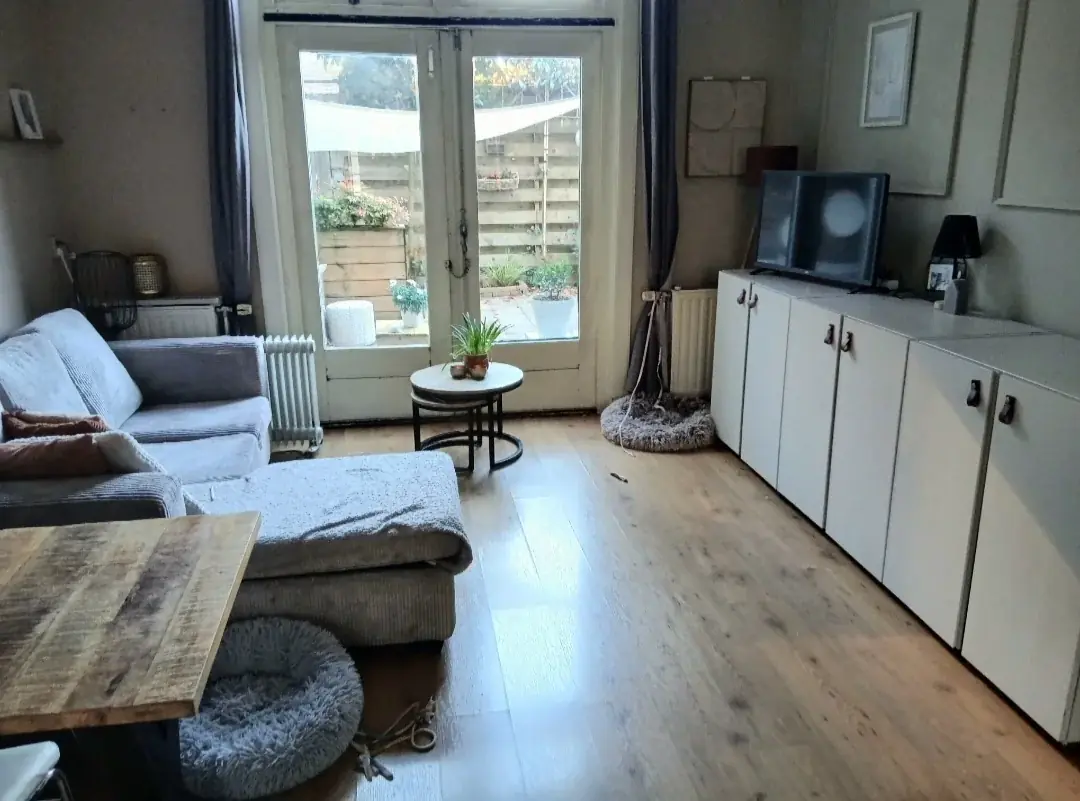
€608.00 / month
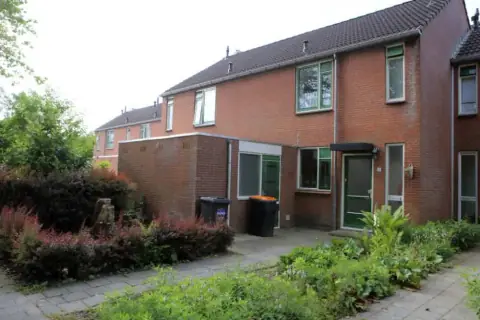
€765.00 / month
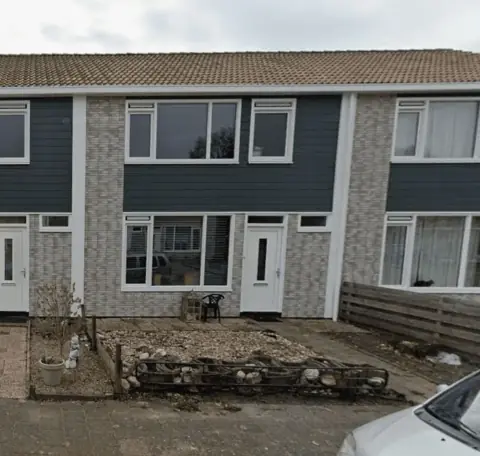
€717.00 / month
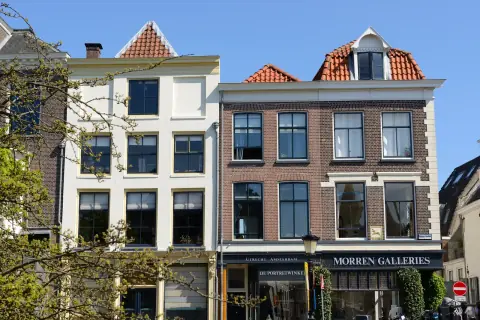
€667.00 / month
€714.00 / month

€714.00 / month
€811.00 / month
€766.00 / month
€719.00 / month
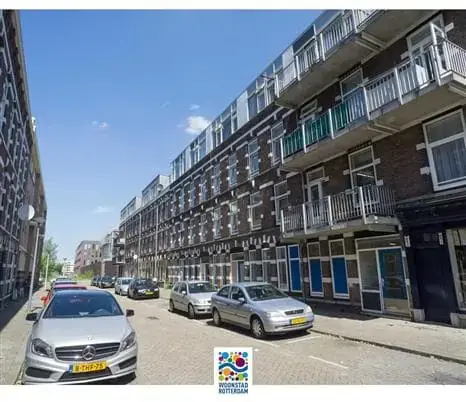
€714.00 / month
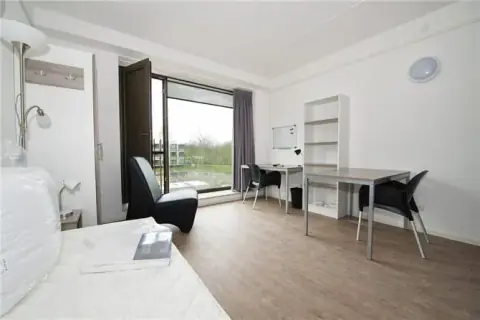
€606.00 / month
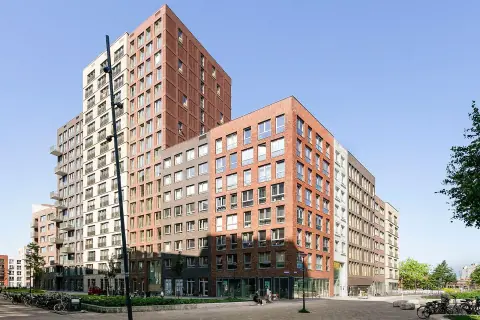
€1,083.00 / month
Luntero combines apartments, rooms, studios and houses from rental websites with homes published directly on Luntero. Filter by your needs, compare your options and confirm availability, price and conditions with the advertiser.
Browse listings from Funda, Pararius, Kamernet and other supported websites alongside rentals published directly on Luntero. Coverage is broad, but does not include every home on the market.
Navigate our clean and straightforward design effortlessly on both desktop and mobile devices for a seamless apartment, house, or room hunting experience in the Netherlands.
Browse rental listings in English, Dutch, Spanish, French, German, and more. Luntero ensures you can find your next home in the Netherlands in the language you're most comfortable with.
Luntero refreshes collected listings regularly and search alerts email new matches after a successful check. A source can change between refreshes, so verify decisive details there.