
air conditioning
Air conditioning is a system for cooling a property's air, a rare and often self-installed luxury in the Netherlands.
A garage is an enclosed, lockable space for a vehicle, offering superior security and storage compared to a simple parking spot.
In the context of Dutch housing, the terms 'garage' and 'parking spot' are not interchangeable. While both provide a place for a vehicle, a garage offers a fundamentally higher level of utility and security. A parking spot (parkeerplaats) is often just a painted rectangle on an open-air lot or in a communal underground facility, exposing the vehicle to other people, weather, and potential damage. A garage, by contrast, is a private, enclosed, and individually lockable space. This distinction is critical. A garage provides robust protection from theft, vandalism, and the elements, making it a far more valuable asset, especially for owners of new or classic cars.
Beyond security for the vehicle, the primary advantage of a garage is its dual function as a significant private storage space (opslagruimte). In homes that may lack a proper attic or basement berging, a garage becomes an essential space for storing bicycles, tools, winter tires, and other household items that have no place in the main living area. This combined functionality makes a private garage one of the most sought-after and expensive features in the Dutch rental market. When a listing mentions a garage, you must confirm that it is a private, lockable unit (garagebox) and not simply a designated spot in a shared, open-plan garage.
The premium nature of a garage is reflected in its price. Renting an apartment with a dedicated garage will be significantly more expensive than one without. In major cities, the monthly rent for the garage alone can be equivalent to that of a student room. It is crucial to understand that the garage is often treated as a separate entity from the apartment, both financially and legally. Very frequently, the garage is rented under a separate legal contract. This is a potential trap for unwary tenants. A separate contract means it can have its own distinct terms, including a different minimum rental period, a different notice period for termination, and separate rules for rent increases.
This can lead to a problematic situation where the lease for your apartment and the lease for your garage are not aligned. For example, you might decide to move out of the apartment and give your one month's notice, only to discover that your garage contract requires three months' notice. This would leave you legally obligated to pay rent on a garage for two months after you have already moved out of the associated apartment. Before signing, you must ask: 'Is the garage included in the main rental agreement for the apartment, or is it a separate contract?' If it is separate, you must read that contract with the same level of scrutiny as the main lease.
While most people rent a garage to store a car, many see its potential as extra space for hobbies or work. However, you cannot assume you have the freedom to use the garage as you see fit. The rental agreement for the garage, as well as the overarching rules of the building's Owners' Association (VvE), will specify its permitted use (bestemming). Typically, a garage is designated strictly for the parking of a vehicle and for the storage of general household goods. Using the space as a professional workshop (werkplaats), running a small business from it, or converting it into a home gym or band practice room is almost certainly prohibited.
These restrictions are in place for reasons of safety, noise, and insurance. A person engaging in welding or carpentry could create a fire hazard. A band practicing in the garage would create a significant noise nuisance (geluidsoverlast) for the entire building. Before you envision a multi-purpose space, you must check the regulations. If your intended use goes beyond simply parking a car and storing some boxes, you need to get explicit, written permission from the landlord. Using the garage for a non-permitted purpose is a breach of contract and can be grounds for eviction from both the garage and potentially the apartment itself.
Table of Contents
Terms from the same part of the rental process, so you can read them together instead of looking each one up separately.
Air conditioning is a system for cooling a property's air, a rare and often self-installed luxury in the Netherlands.
Amenities are the non-essential features and facilities that add to the comfort, convenience, or pleasure of a rental property.
An assigned parking space is a valuable and guaranteed spot, but enforcement against unauthorized use can be a significant practical problem.
A storage space located in the attic, often with limited headroom and accessible by a ladder, commonly used for long-term storage of seldom-used items.
A backyard, or *achtertuin*, is a private outdoor space behind a house, highly valued but with specific maintenance obligations.
A balcony is a private outdoor platform on an upper floor, a highly-prized feature in densely populated Dutch cities.
Use the definition of Garage to understand exceptions, while confirming case context and advice independently.
Every glossary entry that belongs to Property Features, collected on one page.
See TermsLook up a term, abbreviation or contract phrase and get a plain-language explanation with Dutch and English wording.
Search termsLonger guides that walk through applications, contracts, costs and moving, with the terminology used in context.
Read the guidesExplore the latest properties added to Luntero. Find new apartments, houses, and studios across the Netherlands — updated daily to help you discover your next home faster.
€765.00 / month
€717.00 / month
€667.00 / month
€714.00 / month

€714.00 / month

€811.00 / month
€766.00 / month
€719.00 / month
€714.00 / month
€606.00 / month
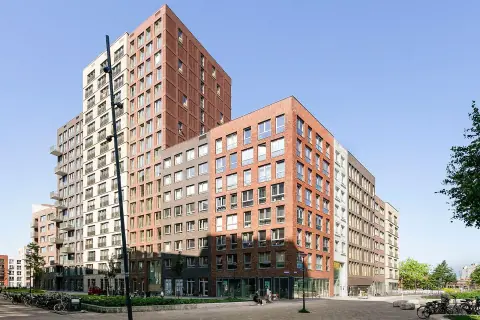
€1,083.00 / month
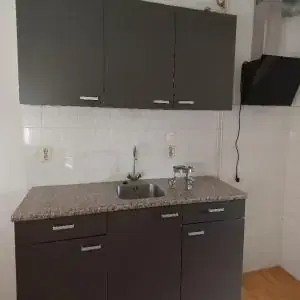
€789.00 / month
Luntero combines apartments, rooms, studios and houses from rental websites with homes published directly on Luntero. Filter by your needs, compare your options and confirm availability, price and conditions with the advertiser.
Browse listings from Funda, Pararius, Kamernet and other supported websites alongside rentals published directly on Luntero. Coverage is broad, but does not include every home on the market.
Navigate our clean and straightforward design effortlessly on both desktop and mobile devices for a seamless apartment, house, or room hunting experience in the Netherlands.
Browse rental listings in English, Dutch, Spanish, French, German, and more. Luntero ensures you can find your next home in the Netherlands in the language you're most comfortable with.
Luntero refreshes collected listings regularly and search alerts email new matches after a successful check. A source can change between refreshes, so verify decisive details there.