
Accessibility and Adaptation Grants
Financial support, primarily from the local municipality via the Wmo Act, to help residents with disabilities or age-related issues adapt their homes for safe and independent living.

Huurtoeslag
The term 'huursubsidie' is the old, now-obsolete name for the Dutch housing allowance; the correct modern term is 'huurtoeslag'.
Huursubsidie is a term that still lingers in colloquial Dutch, but it is officially an archaic name for the government's rental support program. Prior to 2006, the Netherlands operated a system of 'rent subsidy' (huursubsidie), which was an object-based subsidy. This means the subsidy was attached to the property itself; certain houses were designated as subsidized, and the subsidy was paid directly to the landlord to keep the rent low for the tenant. This system was complex and inflexible. In 2006, a major reform was implemented, moving to a system of subject-based subsidies, where the financial support is attached to the person (the 'subject'), not the property (the 'object'). This new system was named huurtoeslag (housing allowance).
Therefore, in any modern context, huursubsidie is the wrong term. While people may occasionally use it out of habit, all official procedures, application forms, and government communications will exclusively use the term huurtoeslag. Using the old term can lead to confusion and demonstrates an outdated understanding of the current system. The shift from huursubsidie to huurtoeslag was a fundamental change in Dutch social policy, moving from subsidizing bricks and mortar to providing direct financial support to individuals based on their income and rent.
The continued informal use of the term huursubsidie highlights how long-standing social programs can embed themselves in a nation's vocabulary. For anyone interacting with the Dutch rental system today, however, it is critical to be precise. The modern huurtoeslag system is a personalized allowance. Its amount is calculated based on an individual's or household's specific income, age, household composition, and rent. You can live in any qualifying rental property (as long as the rent is within the set limits) and receive the allowance. Under the old huursubsidie system, your eligibility was tied to living in a specific, pre-designated subsidized building. The modern system is far more flexible and portable for the tenant. Insisting on the correct terminology is not just pedantic; it is essential for accurately describing and understanding the current housing benefit program in the Netherlands.
Table of Contents
Terms from the same part of the rental process, so you can read them together instead of looking each one up separately.
Financial support, primarily from the local municipality via the Wmo Act, to help residents with disabilities or age-related issues adapt their homes for safe and independent living.
Grants for attic insulation are available to property owners (landlords, VvEs) through the ISDE scheme, but not directly to tenants.
A specific, often temporary and localized, subsidy that may be offered to property owners to help with the high costs of repairing or reinforcing aging balconies.
A bicycle storage subsidy is financial aid for creating secure bike parking, typically aimed at property owners' associations or developers, not individual tenants.
Broadband rollout grants are government funds for network operators to connect underserved rural areas, not for individual tenants.
The capping limit, or 'aftoppingsgrens', is a specific rent threshold within the Dutch housing allowance system that reduces the subsidy for households with lower incomes in relatively expensive homes.
Read Rent Subsidy through exceptions, contracts, and legal limits, not as advice for an individual housing case.
Every glossary entry that belongs to Subsidies and Allowances, collected on one page.
See TermsLook up a term, abbreviation or contract phrase and get a plain-language explanation with Dutch and English wording.
Search termsLonger guides that walk through applications, contracts, costs and moving, with the terminology used in context.
Read the guidesExplore the latest properties added to Luntero. Find new apartments, houses, and studios across the Netherlands — updated daily to help you discover your next home faster.
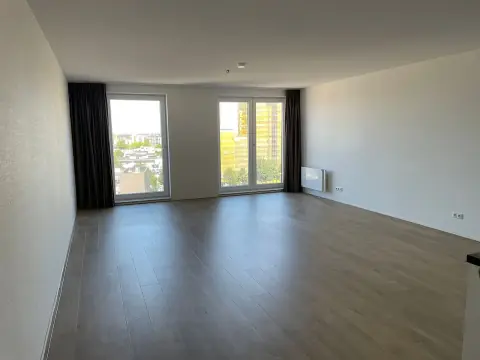
€1,159.00 / month
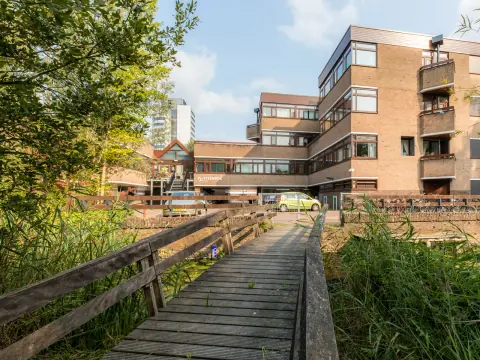
€600.00 / month
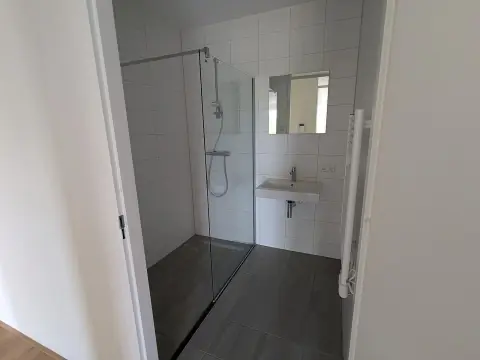
€932.00 / month
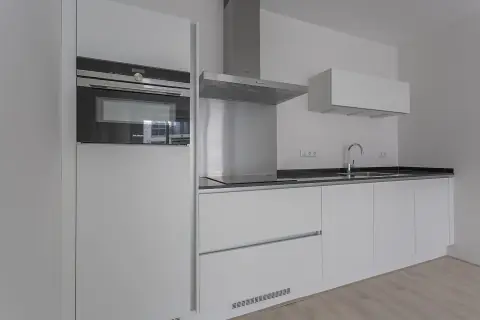
€1,187.00 / month
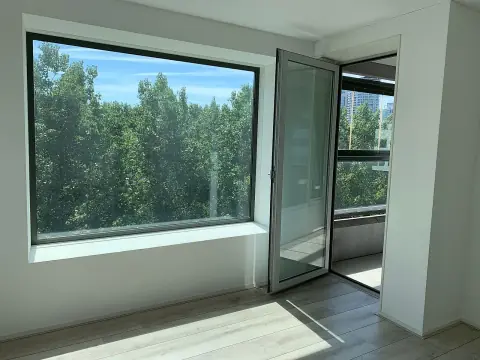
€1,845.00 / month
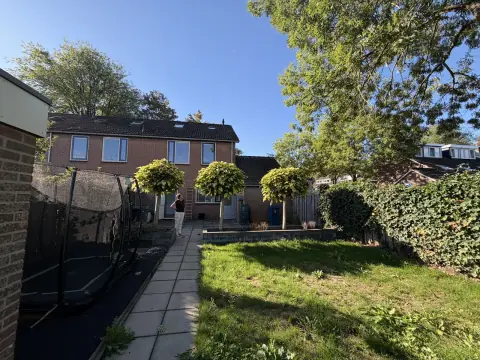
€933.00 / month
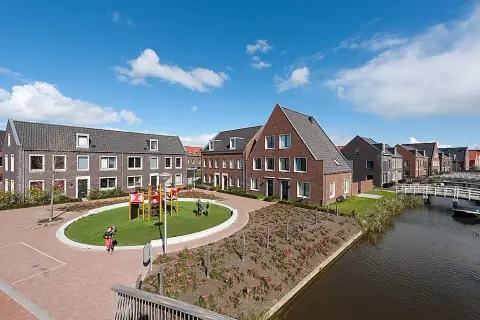
€1,899.00 / month
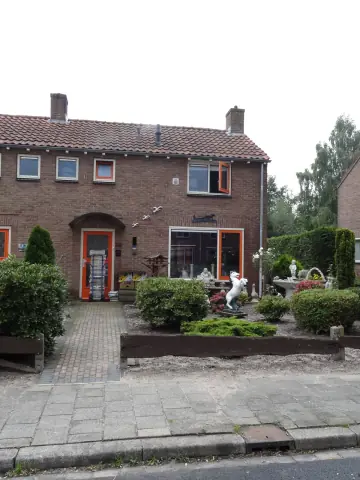
€765.00 / month
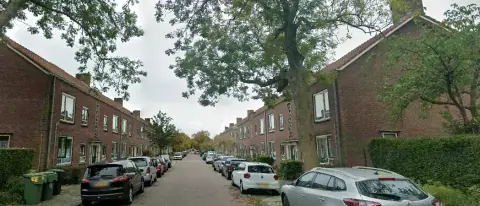
€714.00 / month

€1,596.00 / month
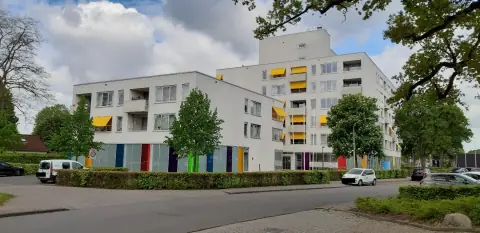
€714.00 / month
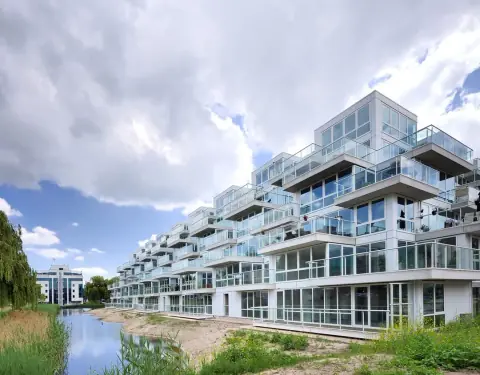
€1,210.00 / month
Luntero brings represented apartments, rooms, studios and houses from Dutch rental sources into one searchable place. Use the available filters to narrow your options, then check the original listing for current availability, price, conditions and application steps.
Browse rental listings collected from Funda, Pararius, Kamernet and other supported sources in one place. Coverage is broad but not exhaustive, and the original listing remains authoritative.
Navigate our clean and straightforward design effortlessly on both desktop and mobile devices for a seamless apartment, house, or room hunting experience in the Netherlands.
Browse rental listings in English, Dutch, Spanish, French, German, and more. Luntero ensures you can find your next home in the Netherlands in the language you're most comfortable with.
Luntero refreshes collected listings regularly and search alerts email new matches after a successful check. A source can change between refreshes, so verify decisive details there.