
Administration Costs
A fee charged for administrative actions, which is almost always illegal when levied on a tenant by a landlord's agent.

Vraagprijs
The initial price advertised by a landlord or seller for a rental property, which often serves as a starting point for negotiations or bidding.
The vraagprijs, or asking price, is the advertised monthly rent for a property. It is the landlord's opening bid in the negotiation that is the rental process. It's crucial for prospective tenants to understand that this price is not necessarily fixed or final. It is an 'invitation to treat', a legal concept meaning it's an invitation for others to make offers. The landlord is not obligated to accept an offer that meets the asking price. In a balanced market, the vraagprijs would be a realistic starting point for a discussion, where a tenant might offer slightly less or ask for certain conditions to be met (like a fresh coat of paint) in return for paying the full price. However, the current Dutch housing market, particularly in major cities, is anything but balanced.
In today's landlord-centric market, the vraagprijs has effectively become the floor price—the minimum you will be expected to pay. In many cases, especially for desirable properties, it serves as the starting point for an informal or formal bidding process where tenants are forced to offer above the asking price to even be considered. This transforms the asking price from a genuine valuation into a strategic tool used by real estate agents to attract a maximum number of viewers and incite a competitive bidding war. They might deliberately list a property with a slightly below-market vraagprijs to generate a frenzy of interest, knowing full well the final agreed-upon rent will be significantly higher.
Prospective tenants should treat the vraagprijs with a healthy dose of skepticism and not take it at face value. Before making an offer, it is essential to do your own research. Is the asking price reasonable for the neighborhood, the size of the apartment, and its condition? Use online rental platforms to check the prices of comparable listings in the same area. For properties that might be in the regulated sector, tenants can use the Huurcommissie's online rent check tool (Huurprijscheck) to get an estimate of the maximum legal rent based on the property's characteristics. If the vraagprijs is significantly higher than the calculated maximum, it could be a sign that the landlord is unlawfully trying to rent out a regulated property in the free sector.
Even in the free sector, where no legal maximum applies, this research is vital. It gives you bargaining power, or at the very least, prevents you from grossly overpaying out of desperation. Be wary of properties that have been on the market for a long time with a high asking price; it's a sign that the landlord's expectations are out of sync with reality. Conversely, be cautious of an asking price that seems too good to be true. This could be a bait-and-switch tactic to lure you into a bidding war, or worse, it could be a sign of a rental scam. The vraagprijs is just one data point in a complex decision, and it should always be investigated, not blindly accepted.
Table of Contents
Terms from the same part of the rental process, so you can read them together instead of looking each one up separately.
A fee charged for administrative actions, which is almost always illegal when levied on a tenant by a landlord's agent.
An administrative fee, often called 'contractkosten' or a lease initiation fee, is a charge for drawing up the rental agreement, the legality of which is highly questionable.
'Leges' are administrative fees charged by government bodies for providing a specific service or processing an application.
An agency fee, also known as a broker fee or 'courtage', is a charge for real estate brokerage services which, by law, cannot be charged to a tenant if the agent is working for the landlord.
An alarm system fee is a recurring cost for professional monitoring, and responsibility for payment depends on what is agreed in the rental contract.
Paying residential rent annually is not a standard practice in the Netherlands; the law and market are based on monthly payments.
Use the definition of Asking Price to understand exceptions, while confirming authority and contracts independently.
Every glossary entry that belongs to Rental Costs, collected on one page.
See TermsLook up a term, abbreviation or contract phrase and get a plain-language explanation with Dutch and English wording.
Search termsLonger guides that walk through applications, contracts, costs and moving, with the terminology used in context.
Read the guidesExplore the latest properties added to Luntero. Find new apartments, houses, and studios across the Netherlands — updated daily to help you discover your next home faster.
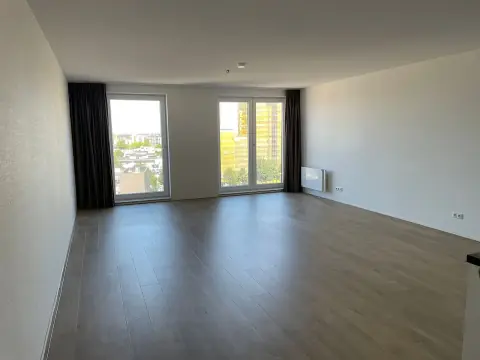
€1,159.00 / month

€600.00 / month
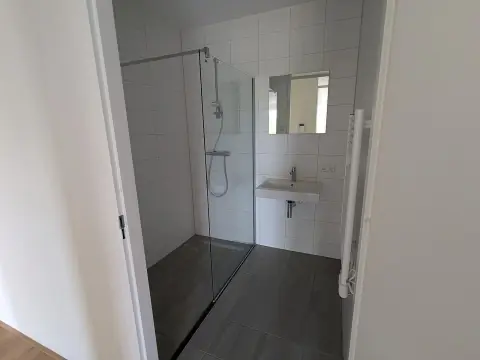
€932.00 / month
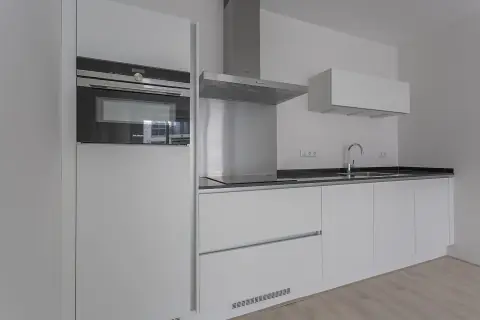
€1,187.00 / month
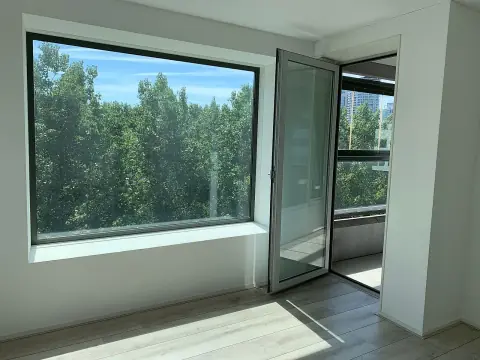
€1,845.00 / month
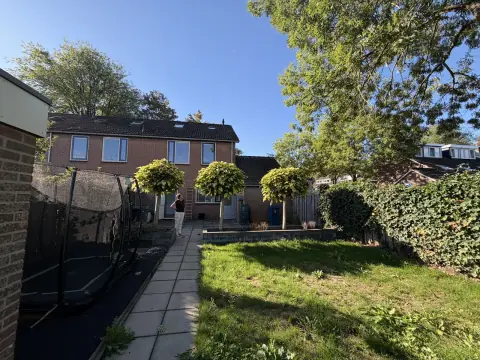
€933.00 / month

€1,899.00 / month
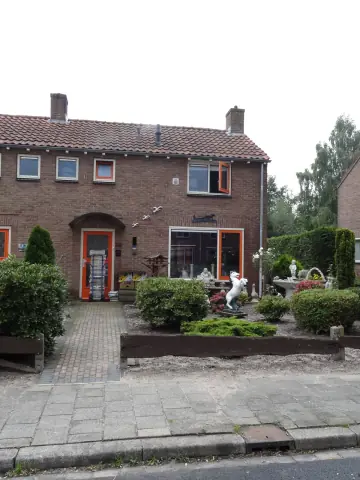
€765.00 / month
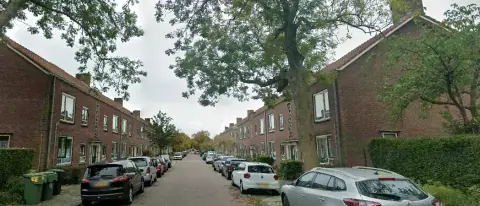
€714.00 / month

€1,596.00 / month
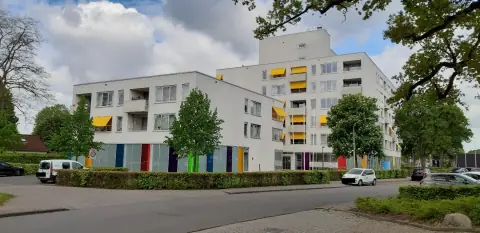
€714.00 / month
€1,210.00 / month
Luntero brings represented apartments, rooms, studios and houses from Dutch rental sources into one searchable place. Use the available filters to narrow your options, then check the original listing for current availability, price, conditions and application steps.
Browse rental listings collected from Funda, Pararius, Kamernet and other supported sources in one place. Coverage is broad but not exhaustive, and the original listing remains authoritative.
Navigate our clean and straightforward design effortlessly on both desktop and mobile devices for a seamless apartment, house, or room hunting experience in the Netherlands.
Browse rental listings in English, Dutch, Spanish, French, German, and more. Luntero ensures you can find your next home in the Netherlands in the language you're most comfortable with.
Luntero refreshes collected listings regularly and search alerts email new matches after a successful check. A source can change between refreshes, so verify decisive details there.